If you’ve ever found yourself on a dance floor, there’s a very high probability you’ve been moving to the work of Nile Rodgers. While his name might not be as instantly recognizable as the superstars he’s worked with, his sound is an undeniable part of modern music history. Looking at a playlist of his work is like taking a tour through the last five decades of pop, funk, and rock. He’s the common thread, the secret ingredient, and the architect behind countless hits, often armed with his signature 1960 Fender “Hitmaker” Stratocaster.
It all starts with Chic, the band he co-founded with the brilliant bassist Bernard Edwards. On tracks like “Good Times,” “Le Freak,” “I Want Your Love,” “Everybody Dance,” and the rest of the Chic songs on this list, Rodgers served as co-writer, guitarist, and co-producer. This partnership, known as The Chic Organization, became a powerhouse production unit. They took their signature blend of sophisticated funk, propulsive rhythms, and string-laden elegance and applied it to other artists. For Sister Sledge, they wrote, produced, and performed on “We Are Family,” “He’s the Greatest Dancer,” and “Lost In Music,” transforming the family group into global sensations. They did the same for Diana Ross, delivering her iconic hits “Upside Down” and “I’m Coming Out,” where Rodgers once again handled co-writing, guitar, and co-production duties.
As the 1980s dawned, Rodgers stepped into a new role as a solo super-producer, shaping the sound of the decade. He produced David Bowie’s blockbuster album Let’s Dance, playing his distinct, chiming guitar on the title track, “Modern Love,” and “China Girl.” While he didn’t write those songs, his production and arrangements are largely responsible for making them monumental hits. He did the same for Madonna, producing her album Like a Virgin. On tracks like the title song, “Material Girl,” “Dress You Up,” and “Angel,” Rodgers was the producer and a key guitarist, helping to craft the clean, sharp, and irresistibly danceable sound that defined her early career. He also brought his Midas touch to the world of New Wave, producing the hit single version of Duran Duran’s “The Reflex” and co-producing their smash, “Wild Boys.”
Beyond these marquee names, Rodgers’s discography reveals an incredible range. He was the producer who helped The B-52’s craft the polished and joyful sound of “Roam.” He produced the sleek, funk-rock of INXS’s “Original Sin” and the anthemic “Lay Your Hands On Me” for the Thompson Twins. His work with female vocalists continued to shine, from co-writing and co-producing the criminally underrated groove of Carly Simon’s “Why” to lending that same full-service treatment to Debbie Harry’s solo track “Backfired,” Grace Jones’ “I’m Not Perfect,” and Sheila & B. Devotion’s European disco classic, “Spacer.” On each of these, he was not just behind the board but was an active writer and musician.
Decades later, that same unmistakable guitar and rhythmic sensibility are as relevant as ever. His re-emergence into the mainstream wasn’t a comeback, but simply a reminder that he never left. He brought his magic to Daft Punk’s “Get Lucky,” which he co-wrote and on which he played that instantly recognizable guitar riff. More recently, he contributed his guitar playing and received a co-writing credit on Beyoncé’s “CUFF IT,” a track that feels like a direct descendant of the joyful, sophisticated funk he pioneered. From disco to new wave, and from 80s pop to 21st-century R&B, Nile Rodgers’s role has been consistent: he is the man who provides the foundation, the feel, and the funk that makes the world want to dance.
Happy Sisters Day! There’s a unique, almost telepathic bond between sisters, and nowhere is that connection more audible than in music. When sisters sing together, they create a blend that often is simply magical—a harmony that’s been practiced over a lifetime.
In celebration of this incredible bond, I’ve curated a playlist of songs from groups that feature at least one pair of sisters. From the tough-girl cool of the ’60s girl groups to ’80s rock goddesses, ’90s pop sensations, and modern indie darlings, this playlist is a testament to the power of sisterhood in harmony. So grab your sister (or your chosen sister!), turn up the volume, and let’s dive in.
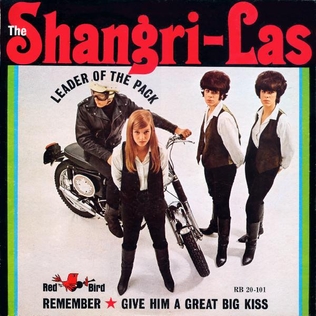
Leader of the Pack – The Shangri-Las The Sisters: Mary and Elizabeth “Betty” Weiss were the heart of this legendary girl group, alongside the identical twins Marge and Mary Ann Ganser. With their dramatic, soap-opera-in-a-song storytelling and a “tougher than the boys” attitude, the Shangri-Las stood out. “Leader of the Pack” is their definitive mini-masterpiece of teenage tragedy.
Emmylou – First Aid Kit The Sisters: Swedish folk duo Klara and Johanna Söderberg are revered for their breathtaking, otherworldly harmonies. On “Emmylou,” they pay beautiful tribute to their country music heroes (Emmylou Harris, Gram Parsons, June Carter, and Johnny Cash), creating a modern folk classic that feels utterly timeless.
Be My Baby – The Ronettes The Sisters: The iconic lead vocals of Veronica “Ronnie” Bennett (later Spector) were backed by the harmonies of her older sister, Estelle Bennett, and their cousin Nedra Talley. This song, with its legendary drum intro and Phil Spector’s Wall of Sound production, is pure pop perfection and a benchmark for the girl group era.
C’est la Vie – B*Witched The Sisters: This infectiously cheerful Irish pop group featured identical twin sisters Edele and Keavy Lynch (whose brother, Shane, was in the boy band Boyzone). “C’est la Vie,” with its jig-dancing, double-denim aesthetic, and suggestive lyrics, is a pure shot of late-’90s bubblegum pop nostalgia.
We Are Family – Sister Sledge The Sisters: It’s right there in the name! Debbie, Joni, Kim, and Kathy Sledge are the four sisters who became a global phenomenon with this timeless anthem. Written and produced by Nile Rodgers and Bernard Edwards of Chic, the song wasn’t just a disco smash; it became a universal hymn for families, teams, and communities everywhere.
Move Ya Body – Nina Sky The Sisters: Identical twin sisters Nicole and Natalie Albino make up the duo Nina Sky. This dancehall-infused debut single was a massive summer smash in 2004, and its infectious “Diwali Riddim” beat still fills dancefloors today.
Walk Like an Egyptian – Bangles The Sisters: Vicki and Debbi Peterson (guitar and drums, respectively) were the sibling core of the Bangles. While Susanna Hoffs often took the lead, the Petersons’ rock-solid rhythm and harmonies were essential to the band’s sound. This quirky, chart-topping hit became one of the most memorable songs of the ’80s.
Closer – Tegan And Sara The Sisters: Canadian identical twin sisters Tegan and Sara Quin have been indie-rock mainstays for years. “Closer” marked their brilliant pivot into synth-pop, a shimmering, exhilarating track about the thrill of a crush before a relationship even begins. It’s a masterclass in pop songwriting.
I’ll Take You There – The Staple Singers The Sisters: Gospel and soul royalty, The Staple Singers were a true family affair led by patriarch “Pops” Staples. His daughters Mavis, Cleotha, and Yvonne Staples provided the heavenly, soul-stirring harmonies. This song, with its iconic bassline borrowed from a reggae track, is a blissful invitation to a better place.
I Love How You Love Me – The Paris Sisters The Sisters: Albeth, Sherrell, and Priscilla Paris were known for their incredibly tight, close-miked, whispery harmonies. Produced by Phil Spector before his Wall of Sound days, this dreamy, delicate ballad perfectly captures the sweet innocence of young love.
Best of My Love – The Emotions The Sisters: Wanda, Sheila, and Pamela Hutchinson are the Chicago-born sisters behind The Emotions. This joyous, soaring disco-soul classic was co-written and produced by Earth, Wind & Fire’s Maurice White, and it showcases their absolutely flawless, exuberant harmonies. It’s impossible not to smile while listening.
Hippychick – Soho The Sisters: This one-hit wonder from 1990 was fronted by twin sisters Jacqueline “Jacqui” and Pauline Cuff. The song’s laid-back groove is built around a genius sample of The Smiths’ “How Soon Is Now?,” creating a track that’s instantly recognizable and quintessentially of its era.
Never Ever – All Saints The Sisters: The ’90s British girl group All Saints, known for their cooler, more casual style, included sisters Natalie and Nicole Appleton. “Never Ever” was their biggest hit, a soulful, melancholic R&B ballad that became one of the best-selling singles by a girl group in the UK.
Nothing But A Heartache – The Flirtations The Sisters: Though their lineup shifted, this American vocal group (who found fame in the UK) was founded by sisters Shirley and Pearly Pearce. “Nothing But a Heartache” is a prime cut of Northern Soul—up-tempo, dramatic, and deeply soulful, it’s a crate-digger’s treasure.
The Sign – Ace Of Base The Sisters: This Swedish pop group that dominated the airwaves in the ’90s was fronted by sisters Jenny and Linn Berggren. Their distinct voices—Jenny’s powerful and clear, Linn’s ethereal and soft—were the perfect vehicle for this insanely catchy reggae-pop confection that took over the world.
Popsicles and Icicles – The Murmaids The Sisters: Sisters Carol and Terry Fischer were two-thirds of The Murmaids. This sweet, dreamy tune, written by a young David Gates (who would later form the band Bread), became a surprise hit in 1963 and remains a perfect example of the innocent charm of the era.
Chapel of Love – Dixie Cups The Sisters: New Orleans trio The Dixie Cups featured sisters Barbara Ann and Rosa Lee Hawkins, along with their cousin Joan Marie Johnson. Their version of “Chapel of Love” knocked The Beatles out of the #1 spot in 1964.
Boogie Fever – The Sylvers The Sisters: The Sylvers were a large family band, similar to the Jacksons. On their biggest hit, “Boogie Fever,” the lead vocals are handled by Edmund Sylvers, but the shimmering, essential background harmonies come courtesy of sisters Olympia and Charmaine Sylvers.
My Boyfriend’s Back – The Angels The Sisters: This sassy girl-group classic was powered by sisters Barbara “Bibs” and Phyllis “Jiggs” Allbut. The song is a perfect slice of early ’60s pop, a warning to a would-be suitor that her boyfriend is back in town and “gonna save my reputation.”
Eres Tu (Touch the Wind) – Mocedades The Sisters: This Spanish group featured three sisters in its classic lineup: Amaya, Izaskun, and Estíbaliz Uranga. “Eres Tú” was Spain’s entry in the 1973 Eurovision Song Contest. It didn’t win, but it became a massive global hit, showcasing the group’s lush, soaring vocal arrangements.
Cannonball – The Breeders The Sisters: A cornerstone of ’90s alternative rock, The Breeders were formed by Kim Deal (of the Pixies) and her identical twin sister, Kelley Deal. “Cannonball,” with its iconic slithering bassline, nonsensical lyrics, and explosive chorus, is a blast of pure, raw, and effortlessly cool rock and roll.
The Ketchup Song (Aserejé) – Las Ketchup The Sisters: Say it out loud: The Ketchup sisters! This one is wonderfully literal. Spanish sisters Lola, Pilar, and Lucía Muñoz are the daughters of a flamenco guitarist known as “El Tomate” (The Tomato). Their nonsensical smash hit, complete with a viral dance, was inescapable throughout Europe in the summer of 2002.
The Wire – HAIM The Sisters: Este, Danielle, and Alana Haim are the quintessential modern sister act. The multi-instrumentalist siblings from California burst onto the scene with a sound that blended ’70s soft rock with ’80s pop. “The Wire” is a perfect introduction to their intricate rhythms and impeccable harmonies.
Hammond Song – The Roches The Sisters: Maggie, Terre, and Suzzy Roche were a trio of sisters from New York known for their astonishingly complex, intricate, and often quirky folk harmonies. “Hammond Song,” from their debut album produced by King Crimson’s Robert Fripp, is a haunting and beautiful display of their unique vocal chemistry.
Not Ready To Make Nice –The Chicks The Sisters: Martie Maguire (fiddle) and Emily Strayer (banjo, dobro) are the instrumental powerhouses and harmony singers of this trailblazing country trio. This fiery, defiant anthem was their response to the backlash they faced for speaking out against the Iraq War, and it earned them three Grammy Awards, including Song of the Year.
Respectable – Mel & Kim The Sisters: British sisters Melanie and Kim Appleby were a vibrant pop duo who worked with the hitmaking team of Stock Aitken Waterman. “Respectable” is a sassy, high-energy dance-pop track that champions self-respect and fun. Tragically, Mel passed away from cancer in 1990 at the peak of their fame.
Alone – Heart The Sisters: Ann and Nancy Wilson are rock and roll royalty. With Ann’s powerhouse vocals and Nancy’s virtuosic, dynamic guitar work, they have been the unwavering core of Heart for decades. While “Alone” is a cover, their rendition transformed it into one of the greatest power ballads of all time.
Mr. Lee – The Bobbettes The Sisters: This groundbreaking group included sisters Jannie and Emma Pought. In 1957, The Bobbettes became the first all-female group to write their own #1 R&B hit. “Mr. Lee,” a song originally written to tease a teacher they disliked, is a fun, foundational piece of rock and roll history.
Automatic – The Pointer Sisters The Sisters: Anita, June, Ruth, and Bonnie Pointer began by singing a mix of jazz, soul, and country before reinventing themselves as sleek, synth-pop superstars following Bonnie’s departure from the group. This ’80s classic is a prime example of their funky, high-tech sound, driven by Ruth Pointer’s incredibly deep and sultry lead vocal.
I Wanna Love Him So Bad – The Jelly Beans The Sisters: This gem from the golden age of girl groups featured the powerful harmonies of sisters Maxine and Betty Smith. Discovered while still in high school, The Jelly Beans were teamed with legendary songwriters Jeff Barry and Ellie Greenwich. The result was this classic expression of teenage devotion, a perfect slice of 1964 pop.
I hope you enjoyed this journey through the history of sister acts in music. Share this playlist with your sister and have a wonderful, music-filled Sisters Day!
“Disco Inferno” burned up the clubs in 1976 but missed the pop Top 40. A year later, it lit up the Saturday Night Fever soundtrack, leading to a 1978 reissue. This time – huge pop success on its way to becoming a bona fide classic. 🔥
The late Jimmy Ellis of The Trammps was born on this date in 1937. A few of his band’s songs are included on today’s playlist.
The year 1979 was a vibrant time in popular music, characterized by disco’s stronghold on the charts and a rich variety of emerging and evolving genres. From dancefloor anthems to rock classics, the year’s hits reflected a dynamic musical landscape.
Disco reigned supreme in 1979, dominating the airwaves and nightclubs alike. Gloria Gaynor’s empowering “I Will Survive” became an instant classic, while Chic’s “Good Times” and Sister Sledge’s “We Are Family” kept dance floors packed. The genre’s influence extended far and wide, with Village People’s “Y.M.C.A.” becoming a cultural phenomenon, Donna Summer’s “Hot Stuff” showcasing disco’s enduring appeal, and Amii Stewart’s cover of “Knock on Wood” breathing new life into a soul classic. McFadden & Whitehead’s “Ain’t No Stoppin’ Us Now” and Sylvester’s “You Make Me Feel (Mighty Real)” further exemplified disco’s ability to blend uplifting messages with irresistible rhythms.
While disco flourished, rock music continued to evolve and diversify. AC/DC’s “Highway to Hell” solidified their status as the preeminent heavy metal band of the era, its raw energy and power chords setting a new standard for the genre. Dire Straits’ “Sultans of Swing” showcased a more refined, guitar-driven sound, while The Police emerged with “Message in a Bottle,” signaling the rise of post-punk. The new wave and power pop scenes gained momentum with Elvis Costello & the Attractions’ “Oliver’s Army,” The Jam’s “The Eton Rifles,” and Squeeze’s “Up the Junction” all making their mark. Meanwhile, M’s “Pop Muzik” and Blondie’s “Heart of Glass” demonstrated how disco influences could be merged with new wave sensibilities.
The year also saw the birth of iconic pop hits that would define the era. Michael Jackson’s “Don’t Stop ‘Til You Get Enough” hinted at the superstardom that awaited him, while The Knack’s “My Sharona” became an instant power pop classic. The Buggles’ prophetic “Video Killed the Radio Star” not only topped charts but would later make history as the first music video played on MTV. Earth, Wind & Fire’s “September” continued to showcase the enduring appeal of funk, while R&B ballads like Peaches & Herb’s “Reunited” and The Commodores’ “Still” made significant impacts on the pop charts.
As 1979 drew to a close, the musical landscape was rich and varied. While disco maintained its grip on popular culture, the seeds of change were being sown. The diversity of the year’s hits, from Charlie Daniels Band’s country crossover “The Devil Went Down to Georgia” to Rickie Lee Jones’ jazz-influenced “Chuck E’s In Love,” stood out against the backdrop of disco and straightforward pop tunes. This musical variety, along with emerging studio technologies and evolving artist expressions, set the stage for the significant shifts that would characterize the sound of the coming decade.
This fall marks fifty years since Billboard magazine began publishing its disco chart, an acknowledgment of a genre that danced its way into the hearts of millions. Disco music, with its infectious rhythms and vibrant energy, was more than just a soundtrack for nightlife; it was a cultural phenomenon rooted in the experiences of Black, Latinx, and gay communities. The genre’s pulsating beats and soulful melodies offered an escape, a place where people could come together and express themselves freely on the dance floor.
Disco’s origins can be traced back to the dance halls of New York City, where marginalized communities created spaces for celebration and expression. Early tracks like The Trammps’ “That’s Where the Happy People Go” and Shirley & Co’s “Shame, Shame, Shame” laid the foundation for what would become a global movement. These songs, along with others from the era, were not just about the beats but also about creating a sense of community and shared experience on the dance floor, where people from all walks of life could come together and express themselves freely.
Black artists played a central role in shaping disco’s sound and message. Chic’s “Le Freak” and Sister Sledge’s “He’s the Greatest Dancer” brought sophisticated grooves that transcended race, while Marvin Gaye’s “Got to Give It Up” and Diana Ross’s “Upside Down” combined soul with danceable rhythms, pushing the genre into mainstream consciousness. The smooth yet dynamic production styles and vocals showcased a depth that went beyond the glittering surface often associated with disco.
Latinx influences also left an indelible mark on the genre. Songs like “Turn The Beat Around” by Vicki Sue Robinson and “Cherchez La Femme” by Dr. Buzzard’s Original Savannah Band infused Latin rhythms with disco beats, creating a vibrant and eclectic sound. This cross-pollination of cultures on the dance floor reflected the diversity of the communities that embraced disco, making it a genre that celebrated inclusivity long before it became a mainstream value.
As we commemorate fifty years since Billboard recognized disco’s impact, it’s important to remember that disco was more than just a moment in time. It was a movement that broke down social barriers and created a space where joy and liberation could thrive. Whether it’s the enduring appeal of “Stayin’ Alive” by the Bee Gees or the timeless groove of KC & the Sunshine Band’s “That’s the Way (I Like It),” disco’s legacy lives on, reminding us of the power of music to unite and uplift.
The year 1978 was a pivotal moment in music history, showcasing a striking contrast between the mainstream hits dominating the airwaves and the underground sounds bubbling beneath the surface. This year offered a rich assortment of genres, from disco and pop ruling the charts to punk and new wave carving out their own rebellious niches.
Disco was undoubtedly the dominant force in popular music. The Bee Gees’ “Stayin’ Alive” became an anthem of the era, while Chic’s “Le Freak,” A Taste of Honey’s “Boogie Oogie Oogie,” Donna Summer’s “Last Dance,” and Alicia Bridges’ “I Love the Nightlife (Disco ‘Round)” kept the dance floors packed. Even rock legends like the Rolling Stones couldn’t resist disco’s pull oor, as evidenced by their hit “Miss You.”
But 1978 wasn’t all about disco. Pop music thrived with ABBA’s timeless “Take a Chance on Me” and Electric Light Orchestra’s upbeat “Mr. Blue Sky.” Queen’s anthemic “We Are the Champions” became a staple at sporting events worldwide. In R&B, the Commodores’ soulful ballad “Three Times a Lady,” Funkadelic’s anthemic “One Nation Under a Groove,” and Chaka Khan’s empowering “I’m Every Woman” showcased the genre’s range. The soundtrack to Grease, featuring John Travolta and Olivia Newton-John’s “You’re the One That I Want,” dominated both radio and cinema.
While mainstream pop and disco ruled the charts, a counter-cultural revolution was taking place in underground venues. The Clash’s “(White Man) In Hammersmith Palais” blended social commentary with irresistible hooks, while the Buzzcocks’ “Ever Fallen in Love (With Someone You Shouldn’t’ve)” captured the essence of punk’s raw emotional energy. The Undertones’ “Teenage Kicks” embodied the unbridled spirit of youth, and Siouxsie & the Banshees’ “Hong Kong Garden” showcased the emerging goth-punk sound. Public Image Ltd.’s self-titled track “Public Image” signaled the evolution of post-punk.
1978 also saw the emergence of artists who defied easy categorization. Kate Bush’s haunting “Wuthering Heights” introduced a unique voice to the pop landscape, blending literary references with art-rock sensibilities. Kraftwerk’s “The Model” pushed the boundaries of electronic music, influencing countless genres in the decades to come. Patti Smith’s “Because the Night” (co-written with Bruce Springsteen) bridged the gap between punk poetry and mainstream rock. The year also saw reggae making inroads with Althea & Donna’s “Uptown Top Ranking,” while Randy Newman’s misunderstood “Short People” showcased his brilliance in crafting satirical, thought-provoking pop.
Looking back, it’s clear that 1978 was more than just a year of disco balls and safety pins. It was a time of musical diversity and innovation, where chart-toppers and underground icons coexisted, each pushing the boundaries of their respective genres. From the dancefloor anthems to punk’s raw energy, from synth-pop’s early days to reggae’s growing influence, 1978 offered a rich and varied soundtrack that continues to resonate today. This dynamic interplay between mainstream and alternative sounds would continue to shape the musical landscape for years to come, making 1978 a truly unforgettable year in music history.
If you’re looking for a smooth soundtrack to unwind with, Luther Vandross has you covered. His smooth vocals and captivating stage presence made him a beloved and influential figure in R&B and soul music.
Early in his career, Vandross honed his skills not just as a singer, but as a songwriter and producer. He penned the uplifting “Everybody Rejoice/A Brand New Day” for the Broadway musical The Wiz, showcasing his talent for crafting memorable melodies. This period also saw him become a sought-after background vocalist, lending his voice to the recordings of icons like David Bowie, Stevie Wonder, Donna Summer, Todd Rundgren, Diana Ross, Ben E. King, Sister Sledge, Roberta Flack, Chaka Khan, Judy Collins, the J. Geils Band, Irene Cara, and Bette Midler. Not only did Vandross sing on Bowie’s “Fascination,” but they wrote the song together. This experience further solidified Vandross’ own artistic vision, which he would soon unleash on the world.
Before embarking on his solo journey, Vandross dipped his toes into the world of lead vocals. He fronted the disco group Change, belting out their hit “The Glow of Love.” He also sang lead for Bionic Boogie on their track “Hot Butterfly,” and even fronted a short-lived band simply called Luther.
Quincy Jones’ “Takin’ It To the Streets,” featuring Vandross as a lead vocalist alongside Gwen Guthrie, demonstrated his ability to shine even before his solo breakout. Later in his career, Vandross would seamlessly slip back into the role of collaborator, creating magic on duets with artists like Janet Jackson (“The Best Things in Life Are Free”) and Dionne Warwick (“How Many Times Can We Say Goodbye”).
The 1980s marked Vandross’ rise to stardom as a solo artist. Tracks like “Never Too Much” and “Here and Now” became instant classics, showcasing his ability to blend vulnerability with pure soulful power.
Throughout his career, Vandross racked up accolades. He’s a Grammy Award winner with eight statues to his name, and countless other awards solidify his place as a musical giant. But beyond the trophies, his true impact lies in the way his music continues to connect with listeners. Whether it’s a slow dance ballad or a roof-raising anthem, Vandross’ music offers a timeless blend of emotion and artistry. So next time you hear that velvety voice, take a moment to appreciate the work of a true musical great, who not only delivered unforgettable solo performances but also left his mark through songwriting, production, and collaborations across genres. Today’s playlist isn’t just a collection of Luther Vandross’ greatest hits – it’s a mix of some of those tracks alongside other gems that reveal the breadth of Vandross’ musical contributions. Prepare to be surprised at where he turns up. For example, those unforgettable “ba ba”s that open Stevie Wonder’s “Part-Time Lover?” That’s Luther!
The first artist fan club I ever joined was that of KC and the Sunshine Band. I received a membership card and a Christmas card from the band when that holiday I don’t celebrate came around. I don’t think there was more to it. I joined Olivia Newton-John’s fan club a year or two later, and received a membership card and a folio filled with photos of Livvy pressed on cardboard of various sizes. Years later I joined the R.E.M. and Pearl Jam fan clubs, which came with 45 rpm records and stickers and a calendar and a VHS tape and some other fun stuff.
Are any of y’alls in an artist’s fan club? Is it worth the price of entry?
KC was born Harry Wayne Casey on this date in 1951. A handful of his group’s songs are included on today’s playlist. Also included is his first number one single – as a songwriter with fellow Sunshine Band member Rick Finch on George McCrae’s “Rock Your Baby.”
Inspired by an unhoused woman who would sing gospel songs in front of a Washington, DC hotel, the familiar refrain of “la da dee la da da” in Crystal Waters’ “Gypsy Woman (She’s Homeless)” was meant as a temporary placeholder until the real lyrics were written. Here’s to writers block! Crystal Waters was born on this date in 1961. A couple of her tracks are included on today’s playlist.
Chic’s Bernard Edwards, who gave us one of the most recognizable basslines in all of rock and roll in “Good Times,” was born on Hallowe’en in 1952. He passed away from pneumonia in 1996. A buncha Chic tunes are on today’s playlist.