Tunes Du Jour Presents 2009

Looking at a list of songs from 2009 feels a bit like opening a time capsule. It’s a year that feels both incredibly recent and like a completely different era. The internet had firmly established itself as the primary engine of music discovery, yet the monoculture of massive, universally-known hits was still holding on. It was a year of distinct, confident sounds, where different genres weren’t just blending together, but thriving in their own parallel lanes. From stadium-sized anthems to bedroom-born electronic experiments, the music of 2009 was defined by a remarkable breadth of creativity.

One of the most prominent stories of the year was the flourishing of indie rock. This wasn’t the scrappy, underground sound of years past; this was indie at its most ambitious and critically adored. You had the intricate, harmony-drenched compositions of Grizzly Bear on “Two Weeks” and the hypnotic, looping bliss of Animal Collective’s “My Girls.” These were songs that rewarded close listening. Elsewhere, artists like Bat For Lashes (“Daniel”) and Dirty Projectors (“Stillness Is The Move”) were crafting their own unique sonic worlds, while bands like the Yeah Yeah Yeahs (“Zero”) and Japandroids (“Young Hearts Spark Fire”) delivered pure, cathartic energy. It was a moment where “alternative” music felt like it was setting the cultural agenda.

Meanwhile, the top of the charts was being shaped by bold new directions in pop and hip-hop. Lady Gaga’s “Bad Romance” wasn’t just a song; it was a high-concept art project, signaling a new level of theatricality in pop music. This stood alongside the effortless, feel-good charm of Miley Cyrus’s “Party in the U.S.A.” and Kelly Clarkson’s powerhouse hit-making on “My Life Would Suck Without You.” In hip-hop, the genre’s emotional palette was expanding dramatically. You had Jay-Z and Alicia Keys delivering a timeless, triumphant anthem with “Empire State Of Mind,” while at the same time, Kanye West’s auto-tuned melancholy on “Heartless” and Kid Cudi’s spacey introspection on “Day ‘N’ Nite” were paving the way for a more vulnerable sound. The arrival of Drake with “Best I Ever Had” confirmed this shift toward melody and emotional openness was here to stay.

This wasn’t to say that straightforward rock and roll had been left behind. On the contrary, it was a year of massive, unifying rock anthems. Kings Of Leon reached their popular peak with “Use Somebody,” a song that seemed to be playing in every stadium and on every radio station in the world. The UK, meanwhile, was providing its own distinct contributions, from the grand, theatrical rebellion of Muse’s “Uprising” and the clever songwriting of Arctic Monkeys on “Cornerstone” to the dance-floor-ready energy of Franz Ferdinand’s “Ulysses.”

Looking back at this collection of songs, what’s most striking is the confidence of it all. It was a year where artists were creating fully realized worlds for listeners to step into. Whether it was the raw nerve of The Ting Tings, the grime-infused electro of Dizzee Rascal’s “Bonkers,” or the classic synth-pop of Pet Shop Boys, each track feels like a distinct statement. It was a time when you could have a playlist that jumped from an introspective indie ballad to a global pop phenomenon, and the whole thing made perfect sense. It was the sound of several different musical futures all happening at once.

Follow Tunes Du Jour on Facebook

Follow me on Bluesky

Follow me on Instagram
Tunes Du Jour Celebrates Have A Bad Day Day

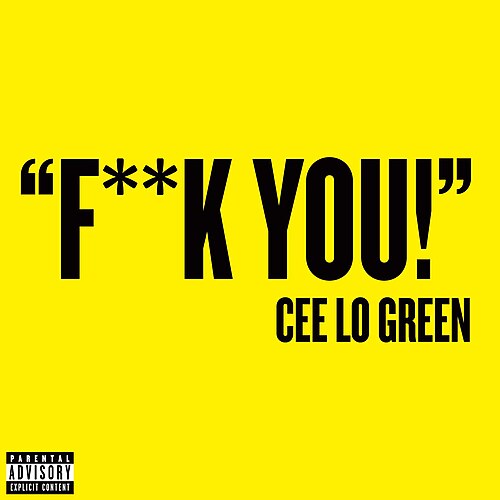
Today is Have A Bad Day Day. Per holidayinsights.com, as a greeting today, you are encouraged people to wish people a lousy or terrible day.

I think wishing a terrible day to someone to their face might put you in danger. Instead, I choose to celebrate with song. If someone were to hear one of the songs on my Have A Bad Day Day playlist, they’d know that somebody out there wants their day to suck.

Follow Tunes Du Jour on Facebook

Follow me on Bluesky

Follow me on Instagram

Tunes Du Jour Presents Punk

Ask ten people to define punk rock, and you’re likely to get at least fifteen answers. That’s part of its charm—and its challenge. Punk has always been more than a style of music; it’s a way of questioning the status quo, pushing back against complacency, and refusing to color inside the lines. The 30 songs in this playlist represent the genre’s many branches: from the snarling minimalism of the Sex Pistols’ “God Save the Queen” to the tightly coiled fury of Black Flag’s “Rise Above,” from Patti Smith’s poetic incantations to the danceable paranoia of Talking Heads’ “Psycho Killer.”

The roots of punk go deep, even before the term existed. “I’m Waiting for the Man” by The Velvet Underground and “Kick Out the Jams” by MC5 helped pave the way with their raw sound and confrontational lyrics. By the mid-1970s, punk had taken recognizable form in both New York and London. The Ramones stripped rock to its bare essentials with “Sheena Is a Punk Rocker,” while The Clash’s London Calling album pointed to punk’s potential to absorb and reflect broader influences—including reggae, ska, and politics.

Acts like Gang of Four and Television took the energy of punk and redirected it into jagged rhythms and angular guitars. The B-52’s “Rock Lobster” and Talking Heads introduced eccentricity and art-school sensibilities, while the Dead Kennedys and Sham 69 channeled punk into direct political protest. Meanwhile, bands like The Jam and Buzzcocks added a melodic urgency, and Iggy Pop and the New York Dolls injected glam and danger into the proceedings.

In the decades that followed, punk fragmented and flourished. Rancid’s “Time Bomb” leaned into ska-punk; Blink-182’s “Dammit” helped define a generation’s version of pop-punk adolescence. Bikini Kill’s “Rebel Girl” roared from the riot grrrl movement with feminist fire, and Billy Bragg brought punk’s commitment to social critique to a solo singer-songwriter context. Even grunge touchstones like Mudhoney carried punk’s DNA—loud, unpolished, and emotionally direct.

This playlist doesn’t claim to be definitive—if anything, it’s a conversation starter. It suggests that punk isn’t a sound so much as a stance. Whether it’s The Replacements thumbing their nose at success in “Bastards of Young,” or Green Day channeling disillusionment into “American Idiot,” punk continues to reinvent itself. It may shift forms, but it never goes quietly.

Follow Tunes du Jour on Facebook

Follow me on Bluesky

Follow me on Instagram

Tunes Du Jour Presents Green Day

Green Day has spent decades walking the line between punk rebellion and mainstream success, proving that catchy hooks and political commentary can coexist. Formed in the late ’80s, the Bay Area trio—Billie Joe Armstrong, Mike Dirnt, and Tré Cool—broke into the mainstream with Dookie (1994), a blast of bratty energy and pop sensibility that defined a generation of disaffected youth. Songs like “Basket Case,” “Longview,” and “When I Come Around” were as much about slacker anthems as they were about sneaking sharp songwriting into punk’s rough edges. While some punk purists scoffed at their popularity, Green Day embraced their role as the genre’s unlikely ambassadors.

As the years went on, the band sharpened both their sound and their social awareness. American Idiot (2004) wasn’t just an album; it was a statement, blending rock opera theatrics with a scathing critique of early 2000s America. Tracks like “Holiday,” “Jesus of Suburbia,” and “Boulevard of Broken Dreams” turned personal frustration into sweeping, arena-sized anthems. The record cemented their status as more than just punk lifers—they were now cultural commentators, unafraid to take a stance. The trend continued with 21st Century Breakdown (2009), featuring “21 Guns” and “Know Your Enemy,” further solidifying their ability to blend social critique with stadium-ready hooks.

Even with their political edge, Green Day has never abandoned their knack for punchy, straightforward rock. Whether through side projects like Foxboro Hot Tubs (“Mother Mary”) or later albums like Revolution Radio (“Still Breathing,” “Bang Bang”), they’ve shown a willingness to evolve while maintaining their core identity. Their 2020 album Father of All… leaned into garage rock swagger, proving they weren’t content to simply coast on nostalgia. And with “The American Dream Is Killing Me,” they continue to tap into contemporary anxieties while delivering the kind of anthems their fans have come to expect.

Their impact extends beyond their own music. Their 2006 collaboration with U2 on “The Saints Are Coming” helped raise funds for Hurricane Katrina relief, and their cover of John Lennon’s “Working Class Hero” for Instant Karma: The Amnesty International Campaign to Save Darfur showed their ongoing commitment to activism. Even their playfulness—recording “The Simpsons Theme” for the big-screen adaptation—demonstrates a band willing to have fun while still keeping their message intact.

Decades into their career, Green Day remains a band that thrives on contradiction: political yet playful, punk yet polished, nostalgic yet forward-thinking. Whether through their raw early work, their ambitious rock operas, or their later genre explorations, they’ve remained a vital force in rock music. As long as there’s frustration to be channeled and an audience ready to sing along, Green Day will have something to say.

Follow Tunes Du Jour on Facebook

Follow me on Bluesky

Follow me on Instagram

Tunes Du Jour Presents 2004

While 2004 may not be remembered as a revolutionary year in music history, it certainly left its mark with a diverse range of sounds that reflected the changing trends of the early 2000s. From catchy pop anthems to rock revival and emerging indie scenes, the year offered a solid foundation for the musical directions that would unfold in the years to come.

In the realm of pop and R&B, established stars and newcomers alike dominated the charts. Britney Spears continued her reign with the provocative “Toxic,” while Usher’s infectious club anthem “Yeah!” featuring Ludacris and Lil’ Jon became a dance-floor staple. Gwen Stefani made a successful foray into solo artistry with “What You Waiting For?”, blending pop with a hint of electronic edge. These tracks, along with hits from Destiny’s Child and Ciara, exemplified the slick production and catchy hooks that defined mainstream music of the era.

Hip-hop saw significant releases from both veterans and newcomers, showcasing the genre’s versatility. Snoop Dogg teamed up with Pharrell Williams for the minimalist masterpiece “Drop It Like It’s Hot,” while Kanye West’s “Jesus Walks” stood out for its bold lyrics and gospel influences, hinting at his future influence on the genre. In the UK, The Streets and Dizzee Rascal pushed the boundaries of British hip-hop with “Dry Your Eyes” and “Fix Up, Look Sharp” respectively, bringing grime to a wider audience.

Rock music in 2004 was marked by a resurgence of garage rock and post-punk influences. Green Day found renewed relevance with their politically charged “American Idiot,” perfectly capturing the frustrations of the early 2000s. Franz Ferdinand’s “Take Me Out” and The Killers’ “Somebody Told Me” brought angular guitar riffs and danceable rhythms to the forefront, becoming surprise radio hits. The Libertines’ “Can’t Stand Me Now” and The Darkness’ “I Believe in a Thing Called Love” added to the garage rock revival energy. Meanwhile, indie rock had its moment with Arcade Fire’s debut album “Funeral,” offering sprawling, emotional soundscapes with tracks like “Neighborhood #1 (Tunnels).”

Beyond the mainstream, 2004 offered glimpses of what was to come in the music world. Tracks like “Slow Hands” by Interpol and “The Rat” by The Walkmen showcased the growing popularity of darker, moodier sounds that would define the latter part of the decade. Modest Mouse gained mainstream attention with “Float On,” while Yeah Yeah Yeahs pushed the boundaries of alternative rock.

In retrospect, 2004 wasn’t a year that rewrote the rulebook of music, but it was a period that gave us a diverse range of memorable tracks. From pop to hip-hop, rock to indie, the year’s music scene was a reflection of a time when genres were both distinct and increasingly willing to blur their boundaries. It provided a soundtrack rich in diversity and creativity, setting the stage for the musical evolution that would follow in subsequent years.

Follow Tunes Du Jour on Facebook

Follow Tunes Du Jour on Twitter

Follow me on Instagram

Your (Almost) Daily Playlist: 2-17-24

A used unwashed black t-shirt worn by Green Day’s Billie Joe Armstrong during the promotion of the band’s American Idiot album sold for $2500 at a charity auction, with the proceeds going to the Oakland School of the Arts. I would love to dispose of my laundry pile the same way, but I doubt anybody would pay more than $400 for my sweat-stained socks.

Billie Joe Armstrong was born on this date in 1972. Tracks from his band are included on today’s playlist.

Follow Tunes du Jour on Facebook

Follow Tunes du Jour on Twitter

Follow me on Instagram