Still more holiday music cheer!
Follow Tunes Du Jour on Facebook
Follow me on Bluesky
Follow me on Instagram
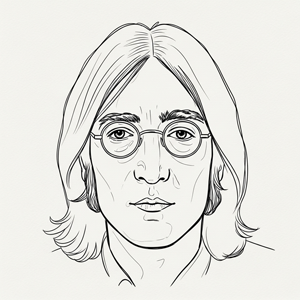
It’s interesting to start a playlist of John Lennon songs with David Bowie’s “Fame.” It feels like an outlier at first, until you remember Lennon co-wrote the track, contributed guitar, and sang backup vocals. It’s one of just a handful of songs on this list that isn’t a straightforward cover, and its placement at the top serves as a great reminder: one of the best ways to understand a songwriter’s impact is to see how their work thrives in the hands of others. Listening to a collection like this isn’t just about nostalgia; it’s an active exploration of how durable and adaptable Lennon’s compositions truly are, revealing the deep-seated melodic and lyrical strengths that invite constant reinterpretation.
The sheer variety of artists drawn to his work speaks volumes about its fundamental structure. A Lennon song can be a sturdy vessel for almost any style. In its original form, “Help!” was a desperate plea disguised as an upbeat folk-rock hit. But when Tina Turner gets ahold of it, she strips away the disguise, transforming it into a full-throated, soulful cry for salvation. Similarly, Johnny Cash takes “In My Life,” a song of youthful reflection, and imbues it with the profound weight of a long life lived, making each line land with a different, more somber gravity. From the raw R&B groove Otis Redding finds in “Day Tripper” to the cool, atmospheric poise Roxy Music brings to “Jealous Guy,” these songs prove to be exceptionally resilient, their core emotions accessible to any genre.
Beyond musical versatility, the playlist highlights the different facets of Lennon’s lyrical persona. There’s the acerbic political commentator, whose pointed dissatisfaction is channeled perfectly by the punk sneer of Generation X on “Gimme Some Truth” and the world-weary defiance of Marianne Faithfull on “Working Class Hero.” Then there is the deeply vulnerable Lennon, the man wrangling with insecurity and fame. You can hear this in the anxious, propulsive energy The Feelies bring to “Everybody’s Got Something To Hide (Except Me And My Monkey)” or the stark, pleading quality Maxïmo Park finds in the solo track “Isolation.” He could be pointedly political or achingly personal, and both modes have continued to resonate with artists who have their own truths to tell.
Of course, no look at Lennon’s work would be complete without touching on his more surreal and experimental side. These are often the songs that seem most tied to a specific time, yet they possess a dreamlike logic that continues to inspire. Elton John, a friend and collaborator, treats “Lucy in the Sky with Diamonds” not as a museum piece but as a glam-rock epic. R.E.M. leans into the hypnotic, floating quality of “#9 Dream,” while Fiona Apple’s take on “Across the Universe” honors its ethereal nature while grounding it with her distinctive emotional intensity. These artists don’t just copy the psychedelia; they find new ways to access the spirit of imaginative freedom that fueled the original recordings.
Ultimately, listening through these interpretations feels less like a tribute and more like a conversation across decades. We hear Billy J. Kramer’s simple pop charm on “Bad to Me,” a song Lennon wrote for him in 1963, and then Glen Campbell’s posthumous, heart-rending version of “Grow Old With Me,” one of Lennon’s last compositions. The journey between those two points is remarkable. This collection of songs, re-shaped by everyone from The Breeders to Bettye LaVette, demonstrates that the power of Lennon’s work isn’t just in his own iconic recordings. It’s in the bones of the songs themselves—the unforgettable melodies, the honest lyrics, and the restless spirit that others can’t help but be drawn to, again and again.
Follow Tunes Du Jour on Facebook
Follow me on Bluesky
Follow me on Instagram

Bee Gees. The name alone often conjures images of white suits, falsetto, and disco balls, immediately transporting listeners back to the late 1970s. While their colossal success with the Saturday Night Fever soundtrack undeniably cemented their place in pop culture history, reducing the Gibb brothers’ immense career to just that era would be to overlook one of pop music’s most remarkable and enduring legacies. Their creative output, driven by the unique talents of Barry, Robin, and Maurice Gibb, spans decades and styles, revealing a depth and adaptability that few artists achieve.
Before they ignited dance floors, the Bee Gees were already seasoned songwriters and performers, crafting sophisticated pop and heartfelt ballads. Listen to tracks like 1967’s soulful “To Love Somebody,” inspired by the works of Otis Redding, or the evocative storytelling of “New York Mining Disaster 1941.” Their early period delivered beautifully orchestrated pop with “Massachusetts” and “Holiday,” alongside the melancholic charm of “Words” and “I Started A Joke.” This era showcases a mastery of melody and harmony, often with a dramatic flair, and demonstrates their ability to connect emotionally with audiences through deeply personal narratives, long before the iconic white suits ever came into play.
By the mid-1970s, the Bee Gees were ready for a transformation. Embracing a more R&B-influenced sound, they transitioned with tracks like “Jive Talkin'” and “Nights on Broadway,” which hinted at the rhythmic shift to come. Then came the explosion of Saturday Night Fever, which showcased their incredible range with the unstoppable pulse of “Stayin’ Alive” and “Night Fever” alongside the tender balladry of “How Deep Is Your Love.” This variety proves that even at their commercial peak, they were focused on creating meticulously crafted pop songs, not just dance hits. Their signature harmonies were now wrapped in infectious grooves, demonstrating a keen ear for contemporary sounds while retaining their melodic brilliance. It was a deliberate, and spectacularly successful, reinvention that proved their versatility.
Even as the disco era waned, the Bee Gees continued to write and perform, proving their staying power was rooted in songwriting, not just a trend. Post-fever hits like “Too Much Heaven,” “Tragedy,” and “Love You Inside Out” kept their sound fresh, while later successes like 1987’s “You Win Again” and 1989’s “One” showcased their continued relevance and ability to adapt. Whether they were penning hits for themselves or for other artists, the underlying quality of their compositions remained consistently high, a testament to the brothers’ collaborative genius and their intuitive understanding of what makes a great song.
To explore the Bee Gees’ discography is to embark on a journey through diverse musical landscapes, far beyond any single genre label. From their baroque pop beginnings to their R&B-infused disco zenith and beyond, their extensive catalog reveals a consistent thread of masterful songwriting and unparalleled vocal harmonies. The Gibb brothers were truly innovators, evolving with the times while maintaining an identifiable sound. Their legacy isn’t just about iconic hits; it’s about the sheer breadth and enduring quality of their contribution to popular music, inviting listeners to discover the full, rich story.
Follow Tunes Du Jour on Facebook
Follow me on Bluesky
Follow me on Instagram

Have you ever looked at a playlist from a single year and felt a sense of disbelief? It’s one thing for a year to produce a few memorable hits, but it’s another for it to feel like a highlight reel of music history. Looking at the charts from 1965 is exactly that kind of experience. It wasn’t just a year of good songs; it was a pivotal moment when popular music seemed to mature in several different directions at once, producing an astonishing collection of classics that still resonate today.
On one hand, 1965 saw the art of the immaculately produced pop song reach a new peak. The Motown machine was in full, glorious swing, giving us the suave romance of The Temptations’ “My Girl” and the intricate heartbreak of Smokey Robinson’s “The Tracks of My Tears.” The Supremes demanded attention with the dramatic plea of “Stop! In the Name of Love,” a perfect example of studio craftsmanship meeting raw emotion. Across the Atlantic, Petula Clark’s “Downtown” offered a sweeping, cinematic vision of city life. These weren’t just catchy tunes; they were impeccably arranged, powerfully sung, and emotionally direct pieces of art that defined a certain kind of pop perfection.
At the very same time, a grittier, more defiant sound was taking hold. The Rolling Stones’ “(I Can’t Get No) Satisfaction” wasn’t just a hit song; it was a statement of intent, built around a fuzzy, unforgettable guitar riff that sounded like pure frustration. This raw energy was a common thread. From the garage-rock howl of Them’s “Gloria” to the stuttering, youthful angst of The Who’s “I Can’t Explain,” rock music was shedding its cleaner-cut image. This wasn’t the polished sound of the studio; it was the restless sound of the rehearsal room, and it was connecting with an entire generation.
Beyond the evolving sounds, the lyrical substance of popular music was deepening profoundly. Bob Dylan completely rewrote the rules with “Like a Rolling Stone,” a six-minute epic of poetic scorn that proved a hit single could be complex, challenging, and literary. That same year, The Byrds took Dylan’s words and electrified them, creating a new genre overnight with their shimmering version of “Mr. Tambourine Man.” This new lyrical consciousness also carried immense social weight. Sam Cooke’s posthumously released “A Change Is Gonna Come” and The Impressions’ hopeful “People Get Ready” became enduring anthems of the Civil Rights Movement, demonstrating that music could be both a comfort and a powerful call for progress.
What makes 1965 so striking is that none of these developments happened in isolation. It was a year of convergence, where you could hear the sweet soul of Marvin Gaye’s “How Sweet It Is (To Be Loved By You)” on the radio right next to the birth of funk in James Brown’s “Papa’s Got a Brand New Bag.” The carefree optimism of The Beach Boys’ “California Girls” shared the airwaves with the deep, aching soul of Otis Redding’s “I’ve Been Loving You Too Long.” The sheer volume of landmark recordings from this single 12-month period is a testament to a unique moment in time—a year when the boundaries of pop music were expanding in every direction, leaving us with a collection of songs that feel less like relics and more like foundation stones.
Follow Tunes Du Jour on Facebook
Follow me on Bluesky
Follow me on Instagram

Nineteen sixty-seven stands as a pivotal moment in the evolution of popular music, a year when artistic boundaries expanded dramatically across multiple genres. The musical landscape was transformed by groundbreaking releases from established artists and remarkable debuts from newcomers who would become legends. From Aretha Franklin’s powerful rendition of “Respect” to Pink Floyd’s psychedelic “See Emily Play,” the year produced an extraordinary collection of songs that continue to resonate decades later.
Soul music experienced a remarkable surge, with Aretha Franklin’s definitive version of “Respect” establishing her as the genre’s preeminent female voice. The raw emotion of Otis Redding’s “Try a Little Tenderness,” the exuberance of Jackie Wilson’s “(Your Love Keeps Lifting Me) Higher and Higher,” and the groove-driven “Soul Man” by Sam & Dave showcased the genre’s diversity and emotional range. Motown continued its dominance with several more hits for Diana Ross & the Supremes, including “The Happening,” while Smokey Robinson & the Miracles added “I Second That Emotion” to their growing catalog of hits. Marvin Gaye enjoyed multiple chart successes in 1967, with “Your Precious Love” being just one of several duets with Tammi Terrell that would define this productive period.
Meanwhile, rock music underwent seismic shifts as experimentation became the norm. The Beatles had an astonishingly prolific year, releasing the landmark album Sgt. Pepper’s Lonely Hearts Club Band while also producing standalone singles of remarkable quality like “Strawberry Fields Forever” and “Penny Lane.” The Doors’ extended opus “Light My Fire” and The Jimi Hendrix Experience’s revolutionary “Purple Haze” redefined what electric guitars could accomplish. The Rolling Stones contributed the melancholic beauty of “Ruby Tuesday,” which ironically became the bigger hit after radio stations deemed its intended A-side, “Let’s Spend the Night Together,” too controversial for airplay. The Who’s powerhouse “I Can See for Miles” and Buffalo Springfield’s protest anthem “For What It’s Worth” reflected rock’s increasing social consciousness. Perhaps most radical was The Velvet Underground’s “Heroin,” which brought an unprecedented rawness to discussions of addiction.
The year’s diversity extended far beyond these genres. The Monkees transcended their manufactured origins with the wistful “Daydream Believer,” while Van Morrison crafted the timeless “Brown Eyed Girl.” Bobbie Gentry’s Southern Gothic narrative “Ode to Billie Joe” demonstrated songwriting’s storytelling potential, and Procol Harum’s “A Whiter Shade of Pale” merged classical influences with rock sensibilities. Jefferson Airplane’s “White Rabbit” and Pink Floyd’s “See Emily Play” pushed psychedelic music further into the mainstream, establishing both bands as significant forces in the burgeoning psychedelic scene.
What made 1967 truly remarkable was how these diverse sounds coexisted and influenced each other, creating a musical conversation that crossed genre lines. This was the year when album-oriented rock solidified, soul music reached new emotional depths, and psychedelia flowered into mainstream consciousness. The thirty songs listed here barely scratch the surface of a year that saw popular music mature into an art form capable of expressing the full spectrum of human experience. Many artists were at their creative peaks, producing multiple hit singles and groundbreaking albums within this single exceptional year. These recordings capture a moment when musical innovation accelerated at an unprecedented pace, leaving an enduring legacy that continues to inspire and influence musicians more than half a century later.
Follow Tunes Du Jour on Facebook
Follow me on Instagram
Follow me on Bluesky


Jay-Z’s musical journey is a testament to artistic evolution, entrepreneurial spirit, and the power of reinvention. Born Shawn Corey Carter in Brooklyn’s Marcy Projects, he transformed the challenges of his early life into a narrative of remarkable success that extends far beyond music. His discography reflects not just his lyrical prowess, but a strategic approach to storytelling that captures the complexities of urban experience, ambition, and personal growth.
From early tracks like “Can’t Knock the Hustle” to later, more reflective works like “The Story of O.J.,” Jay-Z has consistently demonstrated an ability to narrate his life’s trajectory with remarkable honesty and insight. His collaborations reveal another dimension of his artistry – whether trading verses with Kanye West, creating anthems with Rihanna, or exploring complex themes with artists like Justin Timberlake, he has always been more than just a solo performer. These partnerships showcase his versatility and his skill in creating music that resonates across different genres and audiences.
Beyond music, Jay-Z emerged as a cultural entrepreneur who redefined what success could look like for a hip-hop artist. His business ventures – from Roc-A-Fella Records to Tidal, and partnerships with brands like Armand de Brignac champagne – illustrate a vision that extends well beyond creating hit tracks. He transformed the traditional narrative of a rapper’s career, positioning himself not just as an artist, but as a mogul who could navigate both creative and corporate landscapes with equal finesse.
His personal life, particularly his relationship with Beyoncé, has also been a significant part of his public persona. Together, they’ve created a power couple narrative that transcends music, touching on themes of love, family, and shared ambition. Albums like EVERYTHING IS LOVE demonstrate their ability to collaborate not just as romantic partners, but as artistic collaborators who can create groundbreaking work together.
What makes Jay-Z’s journey particularly compelling is how he has continually evolved. From street narratives to introspective explorations of success, race, and personal growth, he has never allowed himself to be confined by early expectations. His music has become a form of cultural commentary, addressing systemic issues while celebrating individual achievement. Whether through tracks that become New York anthems like “Empire State of Mind” or provocative statements like “D.O.A. (Death of Auto-Tune),” he has consistently pushed musical and cultural boundaries, cementing his status as not just a hip-hop artist, but a true cultural icon.
Follow Tunes du Jour on Facebook
Follow me on Bluesky
Follow me on Instagram


Otis Redding’s voice was a force of nature, a powerful instrument that could convey raw emotion with an authenticity few others have matched. His career, though tragically short, left an indelible mark on the landscape of soul music and popular culture at large. From his early days at Stax Records to his posthumous hit “(Sittin’ On) The Dock of the Bay,” Redding’s journey is a testament to the enduring power of genuine artistry.
Redding’s discography reads like a primer on soul music. Songs like “Try a Little Tenderness” and “I’ve Been Loving You Too Long (To Stop Now)” showcase his ability to infuse ballads with deep, heartfelt emotion. These slower numbers allowed Redding to demonstrate the full range of his vocal prowess, from gentle crooning to impassioned pleas. On the flip side, uptempo tracks such as “Respect” (later famously covered by Aretha Franklin) and “Satisfaction” (a dynamic reinterpretation of the Rolling Stones hit) reveal Redding’s capacity for energetic, groove-driven performances that could electrify audiences.
The Stax sound, characterized by its raw, unpolished edge, found its perfect avatar in Redding. Songs like “Mr. Pitiful” and “Fa-Fa-Fa-Fa-Fa (Sad Song)” epitomize this aesthetic, with their prominent horn sections and Redding’s gritty vocals front and center. His unique collaboration with Carla Thomas, the only artist with whom he shared official record credits, produced memorable tracks like “Tramp” and “Knock On Wood.” This partnership not only added a new dimension to Redding’s discography but also demonstrated his ability to create dynamic musical dialogues, further cementing his place in the pantheon of soul music.
Redding’s artistry was marked by his ability to bring fresh interpretations to familiar songs, breathing new life into soul classics and pop hits alike. His renditions of “My Girl” (originally by The Temptations) and “Wonderful World” (popularized by Sam Cooke) showcase his talent for reinvention, infusing these well-known tracks with his distinctive style and emotional depth. Even when covering songs from other genres, Redding demonstrated an uncanny ability to make each song unmistakably his own. His live performances, exemplified by tracks like the energetic rendition of James Brown’s “Papa’s Got A Brand New Bag,” were legendary for their intensity and crowd engagement, further solidifying his reputation as a dynamic and versatile artist.
Tragically, Redding’s life was cut short in a plane crash in 1967, just as he was reaching the height of his powers. His final recording, “(Sittin’ On) The Dock of the Bay,” released posthumously, became his biggest hit and a fitting capstone to a remarkable career. The song’s wistful tone and innovative style (including its famous whistled outro) hinted at new directions Redding might have explored had fate allowed. Today, his music continues to resonate with listeners, a testament to the timeless quality of his artistry and the depth of emotion he brought to every performance.