Tunes Du Jour Presents 1975

Fifty years ago, radio dials and turntables were spinning an uncommonly diverse mix of sounds. The charts of 1975 didn’t follow a single storyline—instead, they captured a moment when multiple musical currents were flowing with equal strength. Disco was gaining momentum but hadn’t yet dominated everything in its path. Rock was simultaneously reaching for arena-sized ambition and stripping down to raw emotion. Soul and funk were evolving into more sophisticated forms, while pop continued doing what it does best: making people hum along whether they meant to or not.

The year belonged, in many ways, to artists who understood that hooks and ambition weren’t mutually exclusive. Bruce Springsteen’s “Born to Run” arrived like a desperate prayer wrapped in Phil Spector production, while Queen’s “Killer Queen” proved that flamboyance and precision could coexist in three minutes of glam-rock perfection. Led Zeppelin stretched “Kashmir” across nearly nine minutes of Eastern-influenced grandeur, and Pink Floyd’s “Wish You Were Here” turned melancholy into an art form. Even Bob Dylan, never one to stand still, was crafting the narrative complexity of “Tangled Up in Blue.” These weren’t just songs—they were statements about how far popular music could reach while still connecting with listeners.

Meanwhile, dance floors were becoming cultural epicenters. KC and the Sunshine Band’s “That’s the Way (I Like It)” and Gloria Gaynor’s “Never Can Say Goodbye” helped establish disco as something more than a passing trend. The Bee Gees’ “Jive Talkin'” showed that the brothers Gibb could pivot from balladeers to funk-influenced hitmakers. Labelle’s “Lady Marmalade” brought New Orleans sass and unapologetic sexuality to the mainstream, while Earth, Wind & Fire’s “Shining Star” blended funk, soul, and jazz into something that felt both cosmic and grounded. The groove wasn’t just a rhythm—it was becoming a philosophy.

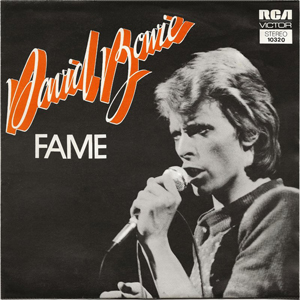
What’s striking about 1975 is how much sonic territory gets covered without any single approach dominating. 10cc’s “I’m Not in Love” used studio technology to create something hauntingly atmospheric, while Kraftwerk’s “Autobahn” was quietly suggesting what electronic music might become. Barry White continued orchestrating romantic opulence, Minnie Riperton’s five-octave range soared through “Lovin’ You,” and Linda Ronstadt’s “You’re No Good” proved that straightforward rock could still pack a punch. David Bowie’s “Fame,” co-written with John Lennon, showed him already moving past glam into funk-inflected territory. Glen Campbell brought “Rhinestone Cowboy” to country-pop crossover success, while Average White Band demonstrated that Scottish musicians could master American funk with “Pick Up the Pieces.”

Listening to these songs now, what emerges isn’t just nostalgia but a reminder of a particular kind of creative confidence. These artists weren’t afraid to be big or vulnerable, funky or introspective, polished or raw—sometimes all within the same track. The year didn’t belong to any single movement or sound, and that might be exactly what made it memorable. It was a time when the radio could take you from the Staple Singers’ gospel-infused soul to Sweet’s glitter-rock crunch to ABBA’s pristine pop architecture without anyone thinking twice about the journey. That kind of range feels worth celebrating.

Follow Tunes Du Jour on Facebook

Follow me on Bluesky

Follow me on Instagram

Tunes Du Jour Presents 1967

Nineteen sixty-seven stands as a pivotal moment in the evolution of popular music, a year when artistic boundaries expanded dramatically across multiple genres. The musical landscape was transformed by groundbreaking releases from established artists and remarkable debuts from newcomers who would become legends. From Aretha Franklin’s powerful rendition of “Respect” to Pink Floyd’s psychedelic “See Emily Play,” the year produced an extraordinary collection of songs that continue to resonate decades later.

Soul music experienced a remarkable surge, with Aretha Franklin’s definitive version of “Respect” establishing her as the genre’s preeminent female voice. The raw emotion of Otis Redding’s “Try a Little Tenderness,” the exuberance of Jackie Wilson’s “(Your Love Keeps Lifting Me) Higher and Higher,” and the groove-driven “Soul Man” by Sam & Dave showcased the genre’s diversity and emotional range. Motown continued its dominance with several more hits for Diana Ross & the Supremes, including “The Happening,” while Smokey Robinson & the Miracles added “I Second That Emotion” to their growing catalog of hits. Marvin Gaye enjoyed multiple chart successes in 1967, with “Your Precious Love” being just one of several duets with Tammi Terrell that would define this productive period.

Meanwhile, rock music underwent seismic shifts as experimentation became the norm. The Beatles had an astonishingly prolific year, releasing the landmark album Sgt. Pepper’s Lonely Hearts Club Band while also producing standalone singles of remarkable quality like “Strawberry Fields Forever” and “Penny Lane.” The Doors’ extended opus “Light My Fire” and The Jimi Hendrix Experience’s revolutionary “Purple Haze” redefined what electric guitars could accomplish. The Rolling Stones contributed the melancholic beauty of “Ruby Tuesday,” which ironically became the bigger hit after radio stations deemed its intended A-side, “Let’s Spend the Night Together,” too controversial for airplay. The Who’s powerhouse “I Can See for Miles” and Buffalo Springfield’s protest anthem “For What It’s Worth” reflected rock’s increasing social consciousness. Perhaps most radical was The Velvet Underground’s “Heroin,” which brought an unprecedented rawness to discussions of addiction.

The year’s diversity extended far beyond these genres. The Monkees transcended their manufactured origins with the wistful “Daydream Believer,” while Van Morrison crafted the timeless “Brown Eyed Girl.” Bobbie Gentry’s Southern Gothic narrative “Ode to Billie Joe” demonstrated songwriting’s storytelling potential, and Procol Harum’s “A Whiter Shade of Pale” merged classical influences with rock sensibilities. Jefferson Airplane’s “White Rabbit” and Pink Floyd’s “See Emily Play” pushed psychedelic music further into the mainstream, establishing both bands as significant forces in the burgeoning psychedelic scene.

What made 1967 truly remarkable was how these diverse sounds coexisted and influenced each other, creating a musical conversation that crossed genre lines. This was the year when album-oriented rock solidified, soul music reached new emotional depths, and psychedelia flowered into mainstream consciousness. The thirty songs listed here barely scratch the surface of a year that saw popular music mature into an art form capable of expressing the full spectrum of human experience. Many artists were at their creative peaks, producing multiple hit singles and groundbreaking albums within this single exceptional year. These recordings capture a moment when musical innovation accelerated at an unprecedented pace, leaving an enduring legacy that continues to inspire and influence musicians more than half a century later.

Follow Tunes Du Jour on Facebook

Follow me on Instagram

Follow me on Bluesky

Tunes Du Jour Presents 1980

As the calendar turned to 1980, the music world stood at a fascinating crossroads. The year marked not just the dawn of a new decade, but also a pivotal moment in popular music, where established genres evolved and new sounds emerged to captivate listeners.

The influence of disco could still be felt, though its dominance was waning. Michael Jackson’s “Rock With You” showcased his exceptional vocal talents and danceable rhythms, while Diana Ross’s “Upside Down” demonstrated the sophisticated production techniques that defined the era. These tracks, along with hits like Lipps, Inc.’s “Funkytown” and The Brothers Johnson’s “Stomp!”, proved that disco’s infectious energy still had the power to fill dance floors.

Stevie Wonder’s “Master Blaster (Jammin’)” further exemplified how established artists were adapting to the changing musical landscape, infusing reggae influences into his signature soulful sound.

However, 1980 also heralded the rise of new wave and synth-pop, genres that would come to define much of the decade’s sound. Gary Numan’s “Cars” introduced many listeners to the futuristic possibilities of synthesizer-driven music, creating an atmospheric soundscape that was both innovative and influential. Blondie’s “Call Me” further exemplified the genre’s versatility, blending punk aesthetics with disco beats to create a chart-topping hit that appealed to a broad audience. Pretenders established themselves with “Brass in Pocket,” a song that showcased Chrissie Hynde’s distinctive vocals and the band’s unique blend of punk energy and pop sensibility.

Rock and punk maintained a strong presence throughout the year. Pink Floyd’s “Another Brick in the Wall, Pt. 2” dominated charts worldwide, its memorable chorus and biting social commentary resonating with listeners. The Clash’s “London Calling” and AC/DC’s “You Shook Me All Night Long” brought raw energy and rebellious spirit to the airwaves. These tracks, along with Motörhead’s aggressive “Ace of Spades,” spoke to listeners seeking music that channeled their frustrations and aspirations. In contrast, Joy Division’s haunting “Love Will Tear Us Apart” showcased a more introspective side of post-punk, its emotional depth influencing countless artists in the years to come. The Cure’s “A Forest” further expanded the boundaries of post-punk, its atmospheric sound and introspective lyrics pointing towards the gothic rock movement that would flourish in the coming years.

The year was also marked by significant releases that left an indelible mark on popular culture. John Lennon’s “(Just Like) Starting Over” served as a poignant reminder of his enduring legacy, released shortly before his untimely death. Queen’s “Another One Bites the Dust” demonstrated the band’s ability to blend rock with funk, creating an anthem that remains popular decades later. David Bowie’s “Ashes to Ashes” continued his tradition of pushing musical boundaries, seamlessly merging art rock with electronic elements.

Oh, a guy named Prince had his breakthrough hit “I Wanna Be Your Lover.” We’d hear more from him throughout the 1980s.

As the year closed, it was clear that 1980 had set the stage for the decade to come. The eclectic mix of sounds reflected a world in transition. It was a year where artists embraced both the past and the future, creating music that was as much a reflection of its time as it was a precursor to the trends that would define the 1980s.