Today is Have A Bad Day Day. Per holidayinsights.com, as a greeting today, you are encouraged people to wish people a lousy or terrible day.
I think wishing a terrible day to someone to their face might put you in danger. Instead, I choose to celebrate with song. If someone were to hear one of the songs on my Have A Bad Day Day playlist, they’d know that somebody out there wants their day to suck.
It’s hard to overstate how culturally dominant pop music was in 1984—or how much the year reshaped the landscape. Many of the songs on this playlist weren’t just hits; they were defining moments, launching or solidifying the careers of artists whose names still carry weight today. The sheer number of songs from 1984 that are still instantly recognizable points to a moment when creativity, commerce, and cultural change aligned. The presence of “Thriller”—Michael Jackson’s seventh single from the album of the same name—reminds us that the music business had never seen anything quite like this before. And yet, he wasn’t the only artist making history.
Prince’s “Purple Rain” marked not just a commercial breakthrough, but a creative one. It’s a song, an album, and a film—each enhancing the other’s mythology. Similarly, “Like a Virgin” signaled Madonna’s arrival as more than a pop star; she became a cultural force. Tina Turner, with “What’s Love Got to Do with It,” pulled off one of the most celebrated comebacks in music history. And Cyndi Lauper’s “Girls Just Want to Have Fun” brought an infectious blend of new wave and punky playfulness to the mainstream, reshaping ideas about femininity and pop performance.
Meanwhile, the rock world was hardly on pause. “Jump” became Van Halen’s biggest hit, thanks to its synth hook and anthemic chorus, while Bruce Springsteen’s “Dancing in the Dark” pushed his career into stadium territory. Across the Atlantic, U2’s “Pride (In the Name of Love)” began their transformation from college radio favorites to global headliners. The Replacements’ “I Will Dare,” from Let It Be, captured the heart of American indie rock—irreverent, emotionally raw, and just tuneful enough to hint at wider possibilities. And among the post-punk and alternative set, songs like “The Killing Moon” by Echo & the Bunnymen and “Heaven Knows I’m Miserable Now” by The Smiths gave moody introspection a lasting soundtrack.
What also stands out in 1984 is the range of genres that made a mainstream impact. Shannon’s “Let the Music Play” helped lay groundwork for freestyle, and Chaka Khan’s “I Feel for You” was a pivotal crossover moment, bringing together R&B, pop, and hip-hop. Run-D.M.C.’s “Rock Box” did something similar, blending rap and rock before it was fashionable. The Pointer Sisters’ “Automatic” was one of several hits that proved they could thrive in an electronic pop era without losing their vocal identity. Even novelty songs like “Ghostbusters” or the cheerful “Wake Me Up Before You Go-Go” helped shape the sound of the time.
Beyond chart success, 1984’s songs carried messages—sometimes playful, sometimes political. “Free Nelson Mandela” by The Special A.K.A. was a global anthem of protest. Depeche Mode’s “Blasphemous Rumours” examined faith and fate with a dark electronic edge. And “Somebody’s Watching Me,” a paranoid slice of synth-pop, foreshadowed a media culture on the verge of explosion. Whether on the dancefloor, in dorm rooms, or through the television set, 1984’s music didn’t just reflect its era—it helped define it.
Happy Sisters Day! There’s a unique, almost telepathic bond between sisters, and nowhere is that connection more audible than in music. When sisters sing together, they create a blend that often is simply magical—a harmony that’s been practiced over a lifetime.
In celebration of this incredible bond, I’ve curated a playlist of songs from groups that feature at least one pair of sisters. From the tough-girl cool of the ’60s girl groups to ’80s rock goddesses, ’90s pop sensations, and modern indie darlings, this playlist is a testament to the power of sisterhood in harmony. So grab your sister (or your chosen sister!), turn up the volume, and let’s dive in.
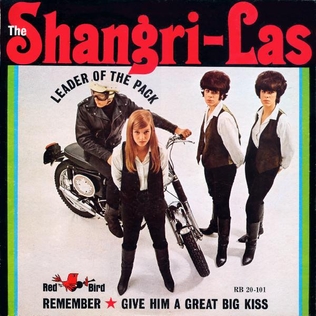
Leader of the Pack – The Shangri-Las The Sisters: Mary and Elizabeth “Betty” Weiss were the heart of this legendary girl group, alongside the identical twins Marge and Mary Ann Ganser. With their dramatic, soap-opera-in-a-song storytelling and a “tougher than the boys” attitude, the Shangri-Las stood out. “Leader of the Pack” is their definitive mini-masterpiece of teenage tragedy.
Emmylou – First Aid Kit The Sisters: Swedish folk duo Klara and Johanna Söderberg are revered for their breathtaking, otherworldly harmonies. On “Emmylou,” they pay beautiful tribute to their country music heroes (Emmylou Harris, Gram Parsons, June Carter, and Johnny Cash), creating a modern folk classic that feels utterly timeless.
Be My Baby – The Ronettes The Sisters: The iconic lead vocals of Veronica “Ronnie” Bennett (later Spector) were backed by the harmonies of her older sister, Estelle Bennett, and their cousin Nedra Talley. This song, with its legendary drum intro and Phil Spector’s Wall of Sound production, is pure pop perfection and a benchmark for the girl group era.
C’est la Vie – B*Witched The Sisters: This infectiously cheerful Irish pop group featured identical twin sisters Edele and Keavy Lynch (whose brother, Shane, was in the boy band Boyzone). “C’est la Vie,” with its jig-dancing, double-denim aesthetic, and suggestive lyrics, is a pure shot of late-’90s bubblegum pop nostalgia.
We Are Family – Sister Sledge The Sisters: It’s right there in the name! Debbie, Joni, Kim, and Kathy Sledge are the four sisters who became a global phenomenon with this timeless anthem. Written and produced by Nile Rodgers and Bernard Edwards of Chic, the song wasn’t just a disco smash; it became a universal hymn for families, teams, and communities everywhere.
Move Ya Body – Nina Sky The Sisters: Identical twin sisters Nicole and Natalie Albino make up the duo Nina Sky. This dancehall-infused debut single was a massive summer smash in 2004, and its infectious “Diwali Riddim” beat still fills dancefloors today.
Walk Like an Egyptian – Bangles The Sisters: Vicki and Debbi Peterson (guitar and drums, respectively) were the sibling core of the Bangles. While Susanna Hoffs often took the lead, the Petersons’ rock-solid rhythm and harmonies were essential to the band’s sound. This quirky, chart-topping hit became one of the most memorable songs of the ’80s.
Closer – Tegan And Sara The Sisters: Canadian identical twin sisters Tegan and Sara Quin have been indie-rock mainstays for years. “Closer” marked their brilliant pivot into synth-pop, a shimmering, exhilarating track about the thrill of a crush before a relationship even begins. It’s a masterclass in pop songwriting.
I’ll Take You There – The Staple Singers The Sisters: Gospel and soul royalty, The Staple Singers were a true family affair led by patriarch “Pops” Staples. His daughters Mavis, Cleotha, and Yvonne Staples provided the heavenly, soul-stirring harmonies. This song, with its iconic bassline borrowed from a reggae track, is a blissful invitation to a better place.
I Love How You Love Me – The Paris Sisters The Sisters: Albeth, Sherrell, and Priscilla Paris were known for their incredibly tight, close-miked, whispery harmonies. Produced by Phil Spector before his Wall of Sound days, this dreamy, delicate ballad perfectly captures the sweet innocence of young love.
Best of My Love – The Emotions The Sisters: Wanda, Sheila, and Pamela Hutchinson are the Chicago-born sisters behind The Emotions. This joyous, soaring disco-soul classic was co-written and produced by Earth, Wind & Fire’s Maurice White, and it showcases their absolutely flawless, exuberant harmonies. It’s impossible not to smile while listening.
Hippychick – Soho The Sisters: This one-hit wonder from 1990 was fronted by twin sisters Jacqueline “Jacqui” and Pauline Cuff. The song’s laid-back groove is built around a genius sample of The Smiths’ “How Soon Is Now?,” creating a track that’s instantly recognizable and quintessentially of its era.
Never Ever – All Saints The Sisters: The ’90s British girl group All Saints, known for their cooler, more casual style, included sisters Natalie and Nicole Appleton. “Never Ever” was their biggest hit, a soulful, melancholic R&B ballad that became one of the best-selling singles by a girl group in the UK.
Nothing But A Heartache – The Flirtations The Sisters: Though their lineup shifted, this American vocal group (who found fame in the UK) was founded by sisters Shirley and Pearly Pearce. “Nothing But a Heartache” is a prime cut of Northern Soul—up-tempo, dramatic, and deeply soulful, it’s a crate-digger’s treasure.
The Sign – Ace Of Base The Sisters: This Swedish pop group that dominated the airwaves in the ’90s was fronted by sisters Jenny and Linn Berggren. Their distinct voices—Jenny’s powerful and clear, Linn’s ethereal and soft—were the perfect vehicle for this insanely catchy reggae-pop confection that took over the world.
Popsicles and Icicles – The Murmaids The Sisters: Sisters Carol and Terry Fischer were two-thirds of The Murmaids. This sweet, dreamy tune, written by a young David Gates (who would later form the band Bread), became a surprise hit in 1963 and remains a perfect example of the innocent charm of the era.
Chapel of Love – Dixie Cups The Sisters: New Orleans trio The Dixie Cups featured sisters Barbara Ann and Rosa Lee Hawkins, along with their cousin Joan Marie Johnson. Their version of “Chapel of Love” knocked The Beatles out of the #1 spot in 1964.
Boogie Fever – The Sylvers The Sisters: The Sylvers were a large family band, similar to the Jacksons. On their biggest hit, “Boogie Fever,” the lead vocals are handled by Edmund Sylvers, but the shimmering, essential background harmonies come courtesy of sisters Olympia and Charmaine Sylvers.
My Boyfriend’s Back – The Angels The Sisters: This sassy girl-group classic was powered by sisters Barbara “Bibs” and Phyllis “Jiggs” Allbut. The song is a perfect slice of early ’60s pop, a warning to a would-be suitor that her boyfriend is back in town and “gonna save my reputation.”
Eres Tu (Touch the Wind) – Mocedades The Sisters: This Spanish group featured three sisters in its classic lineup: Amaya, Izaskun, and Estíbaliz Uranga. “Eres Tú” was Spain’s entry in the 1973 Eurovision Song Contest. It didn’t win, but it became a massive global hit, showcasing the group’s lush, soaring vocal arrangements.
Cannonball – The Breeders The Sisters: A cornerstone of ’90s alternative rock, The Breeders were formed by Kim Deal (of the Pixies) and her identical twin sister, Kelley Deal. “Cannonball,” with its iconic slithering bassline, nonsensical lyrics, and explosive chorus, is a blast of pure, raw, and effortlessly cool rock and roll.
The Ketchup Song (Aserejé) – Las Ketchup The Sisters: Say it out loud: The Ketchup sisters! This one is wonderfully literal. Spanish sisters Lola, Pilar, and Lucía Muñoz are the daughters of a flamenco guitarist known as “El Tomate” (The Tomato). Their nonsensical smash hit, complete with a viral dance, was inescapable throughout Europe in the summer of 2002.
The Wire – HAIM The Sisters: Este, Danielle, and Alana Haim are the quintessential modern sister act. The multi-instrumentalist siblings from California burst onto the scene with a sound that blended ’70s soft rock with ’80s pop. “The Wire” is a perfect introduction to their intricate rhythms and impeccable harmonies.
Hammond Song – The Roches The Sisters: Maggie, Terre, and Suzzy Roche were a trio of sisters from New York known for their astonishingly complex, intricate, and often quirky folk harmonies. “Hammond Song,” from their debut album produced by King Crimson’s Robert Fripp, is a haunting and beautiful display of their unique vocal chemistry.
Not Ready To Make Nice –The Chicks The Sisters: Martie Maguire (fiddle) and Emily Strayer (banjo, dobro) are the instrumental powerhouses and harmony singers of this trailblazing country trio. This fiery, defiant anthem was their response to the backlash they faced for speaking out against the Iraq War, and it earned them three Grammy Awards, including Song of the Year.
Respectable – Mel & Kim The Sisters: British sisters Melanie and Kim Appleby were a vibrant pop duo who worked with the hitmaking team of Stock Aitken Waterman. “Respectable” is a sassy, high-energy dance-pop track that champions self-respect and fun. Tragically, Mel passed away from cancer in 1990 at the peak of their fame.
Alone – Heart The Sisters: Ann and Nancy Wilson are rock and roll royalty. With Ann’s powerhouse vocals and Nancy’s virtuosic, dynamic guitar work, they have been the unwavering core of Heart for decades. While “Alone” is a cover, their rendition transformed it into one of the greatest power ballads of all time.
Mr. Lee – The Bobbettes The Sisters: This groundbreaking group included sisters Jannie and Emma Pought. In 1957, The Bobbettes became the first all-female group to write their own #1 R&B hit. “Mr. Lee,” a song originally written to tease a teacher they disliked, is a fun, foundational piece of rock and roll history.
Automatic – The Pointer Sisters The Sisters: Anita, June, Ruth, and Bonnie Pointer began by singing a mix of jazz, soul, and country before reinventing themselves as sleek, synth-pop superstars following Bonnie’s departure from the group. This ’80s classic is a prime example of their funky, high-tech sound, driven by Ruth Pointer’s incredibly deep and sultry lead vocal.
I Wanna Love Him So Bad – The Jelly Beans The Sisters: This gem from the golden age of girl groups featured the powerful harmonies of sisters Maxine and Betty Smith. Discovered while still in high school, The Jelly Beans were teamed with legendary songwriters Jeff Barry and Ellie Greenwich. The result was this classic expression of teenage devotion, a perfect slice of 1964 pop.
I hope you enjoyed this journey through the history of sister acts in music. Share this playlist with your sister and have a wonderful, music-filled Sisters Day!
Every June, Pride Month invites us to honor the LGBTQ+ community—not just its triumphs and ongoing struggles, but its wildly varied voices. This playlist, drawn from over six decades of music, is less a neat collection than a vibrant mix of statements, emotions, and identities. From Sylvester’s ecstatic disco classic “You Make Me Feel (Mighty Real)” to Billie Eilish’s “LUNCH,” the selections aren’t organized by genre, time period, or even theme. That’s fitting. The LGBTQ+ experience is too broad and multifaceted to be summed up by any single sound.
Some tracks speak directly to queerness, like Lou Reed’s “Walk on the Wild Side,” which namechecks drag queens and trans women, or Bronski Beat’s spiritual descendants, the Scissor Sisters, with their cheeky, loving anthem “Take Your Mama.” Others, like “Rocket Man” or “Do You Really Want to Hurt Me,” resonated with queer audiences before the artists behind them publicly came out—or even if they never did. There’s a history of coded expression here, of lyrics that offered solace to those reading between the lines.
Then there are the songs that became anthems of empowerment by sheer force of feeling: Christina Aguilera’s “Beautiful” offered a lifeline to LGBTQ+ youth when it first aired on MTV, while Madonna’s “Vogue” gave a global spotlight to a ballroom culture that had long gone ignored by the mainstream. Judy Garland’s “Over the Rainbow” might seem quaint next to Chappell Roan’s “Good Luck, Babe!,” but both songs capture longing, whether for love, acceptance, or the audacity to want more.
What unites these artists isn’t a single identity but a shared defiance—sometimes quiet, sometimes flamboyant—against what’s expected. Whether it’s the punkish ache of Buzzcocks’ “Ever Fallen in Love (With Someone You Shouldn’t’ve)” or the glossy Pet Shop Boys cover of “Go West,” the throughline is the refusal to shrink. Pride, in this sense, isn’t about perfection or performance. It’s about visibility, honesty, and a community that keeps evolving, note by note.
So, while this playlist won’t tell a single story, that’s exactly the point. Pride has never been about uniformity. It’s about claiming your truth, however it sounds—and blasting it through the speakers so someone else knows they’re not alone.
Looking back at 1986, what stands out isn’t just the quality of the music, but how effortlessly genres merged and boundaries dissolved. Run-D.M.C. and Aerosmith’s “Walk This Way” wasn’t just a collaboration – it was a statement about how rock and hip-hop could amplify each other’s strengths. Prince, at the height of his powers, stripped everything down to bare essentials with “Kiss,” proving his superstardom could take any form. Robert Palmer’s “Addicted to Love” became inescapable, powered by one of the era’s most iconic videos, while Peter Gabriel’s “Sledgehammer” merged art rock with soul and funk, accompanied by groundbreaking stop-motion animation.
The women of pop music wielded particular influence that year. Madonna continued pushing buttons with “Papa Don’t Preach,” tackling teenage pregnancy in a way that sparked national conversation. Whitney Houston’s “How Will I Know” showcased her extraordinary vocal range while proving dance-pop could be both sophisticated and irresistible. Janet Jackson asked “What Have You Done for Me Lately,” establishing herself as a force independent of her famous family. Cyndi Lauper’s “True Colors” transcended its moment, becoming an enduring anthem of self-acceptance that would be covered for decades to come.
The underground was rising to the surface, but keeping its edge. The Smiths’ “There Is A Light That Never Goes Out” brought literary depth to alternative rock, while New Order’s “Bizarre Love Triangle” helped blueprint the future of electronic dance music. The Pet Shop Boys’ “West End Girls” married street-smart observations with pristine synth-pop, and Public Image Ltd.’s “Rise” proved post-punk could evolve without losing its bite. Even The Cure, with “In Between Days,” found a way to make melancholy sound surprisingly radio-friendly.
Soul and R&B were experiencing their own renaissance. Anita Baker’s “Sweet Love” brought sophisticated quiet storm to the mainstream, while Cameo’s “Word Up!” demonstrated funk’s continuing vitality. Grace Jones’ “Slave to the Rhythm” showcased the artist’s commanding presence, and James Brown reminded everyone he was still the Godfather of Soul with “Living in America.” The year also saw George Michael step out of Wham!’s shadow with “A Different Corner,” proving he could hold his own as a solo artist.
The year proved fertile ground for both established and emerging voices. Bruce Springsteen’s “My Hometown” painted a portrait of a changing America, while Billy Bragg’s “Levi Stubbs’ Tears” showed how personal stories could carry political weight. Elvis Costello’s “I Want You” pushed the boundaries of what a love song could express, and R.E.M.’s “Fall on Me” managed to be both cryptic and urgently relevant. Meanwhile, LL Cool J’s “I Can’t Live Without My Radio” brought hip-hop closer to the mainstream while maintaining its street credibility. In retrospect, 1986 wasn’t just a great year for music – it was a moment when artists across the spectrum proved that innovation and accessibility weren’t mutually exclusive.
The year 1983 was a vibrant musical landscape, a moment when pop culture was exploding with creativity and technological advancement. It was a year when Michael Jackson’s “Billie Jean” dominated the airwaves, its infectious rhythm and groundbreaking music video revolutionizing how we experienced music. The single was more than just a song; it was a cultural phenomenon that captured the zeitgeist of an era when music was becoming increasingly visual and dynamic.
This was also the year when Prince’s “1999” prophetically danced with apocalyptic themes, and The Police’s “Every Breath You Take” became an anthem of complex emotional surveillance. The diversity of musical styles was remarkable, with artists like Dexys Midnight Runners bringing an unconventional folk-pop energy with “Come on Eileen,” while New Order’s “Blue Monday” pushed the boundaries of electronic music, creating a sound that would influence dance music for decades to come. David Bowie’s “Let’s Dance” marked a vibrant shift in his musical journey, infusing his signature artistic sensibility with an irresistible pop-funk groove.
The single was king in 1983, with an unprecedented number of memorable tracks that seemed to burst from radios and dance floors everywhere. Eurythmics’ “Sweet Dreams (Are Made Of This)” introduced Annie Lennox’s haunting vocals to the world, while Marvin Gaye’s “Sexual Healing” offered a smooth, sensual counterpoint to the era’s more uptempo sounds. Lionel Richie’s “All Night Long” exemplified the period’s sunny, celebratory pop, and Culture Club’s “Do You Really Want to Hurt Me” challenged musical and social conventions with its charismatic lead singer, Boy George.
The year wasn’t just about pop, however. Rock and new wave were thriving, with bands like The Smiths (“This Charming Man”), The Clash (“Rock the Casbah”), and Duran Duran (“Hungry Like The Wolf”) pushing musical boundaries. Hip-hop and early rap were also emerging, with tracks like Melle Mel’s “White Lines” and Herbie Hancock’s groundbreaking “Rockit” signaling a musical revolution that would transform popular culture in the coming decades.
What made 1983 truly special was how it represented a moment of musical transition—a year when synthesizers and drum machines were becoming more prevalent, when music videos were transforming how artists communicated, and when genres were blending in unprecedented ways. From the new romantic sounds of Heaven 17’s “Temptation” to the quirky charm of Men Without Hats’ “The Safety Dance,” the music of 1983 was a testament to creativity, innovation, and the pure joy of sound. It was a year that didn’t just produce hit songs, but created a sonic landscape that would influence musicians for generations to come.
Adam Ant was born Stuart Leslie Goddard on this date in 1954. Supposedly, the name “Adam” was inspired by the biblical first man, symbolizing a fresh start after a serious bout of depression and a suicide attempt, while “Ant” reflected his desire for his band to embody industriousness and resilience, akin to ants in nature.
A handful of tracks from Mr. Ant are included on today’s playlist.