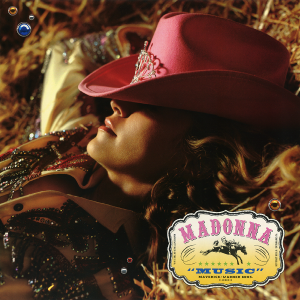
Tunes Du Jour Presents 2000

The year 2000 arrived with a collective sigh of relief. The much-hyped Y2K bug turned out to be a non-event, and the new millennium stretched out before us, feeling both futuristic and strangely familiar. Looking back at the music from that year, you can hear a similar dynamic at play. It wasn’t a time of radical genre fusion or crossover; instead, it felt like several distinct musical movements were all cresting at the exact same time, each one confident and fully-formed. It was a year where you could switch the radio station and feel like you were jumping between entirely different worlds—from the polished pop of Britney Spears to the raw energy of DMX.

On one hand, pop and R&B were operating at peak performance, dominating the charts with precision-engineered hits. This was the era of the blockbuster music video, and artists delivered. Madonna reinvented herself yet again with the electro-thump of “Music,” while Britney Spears’s “Oops!…I Did It Again” perfected the formula she had established just a year prior. At the same time, R&B was in a period of remarkable innovation. You had the staccato, futuristic production of Timbaland on Aaliyah’s “Try Again,” the iconic, conversational flow of Destiny’s Child on “Say My Name,” and the deep, simmering soul of D’Angelo’s “Untitled (How Does It Feel).” These weren’t just great songs; they were statements of intent from artists at the top of their game.

Meanwhile, rock music was pulling in several different directions at once. Pop-punk had fully broken through to the mainstream, and blink-182’s “All the Small Things” was its endlessly catchy, stadium-sized anthem. More established acts like Foo Fighters and Red Hot Chili Peppers were delivering some of their most memorable melodic rock with “Learn to Fly” and “Californication,” respectively. Yet, on the fringes, things were getting much stranger and more interesting. Radiohead completely abandoned guitar-rock expectations with the anxious, electronic pulse of “Idioteque,” while Queens of the Stone Age offered a taste of heavy, hypnotic desert rock with “Feel Good Hit Of The Summer.” There was no single, unified “sound of rock” in 2000; there were several.

Hip-hop was arguably the most creatively vibrant and commercially powerful force of the year. The genre’s expansion was on full display, from the confrontational wit of Eminem’s “The Real Slim Shady” to the pure, unbridled velocity of OutKast’s “B.O.B.” which still sounds like it was beamed in from the future. The clubs were fueled by the aggression of DMX’s “Party Up (Up in Here)” and M.O.P.’s “Ante Up,” while Jay-Z’s “Big Pimpin’” projected an image of untouchable cool. And of course, you can’t talk about 2000 without acknowledging the songs that were simply inescapable. The unabashedly goofy charm of Sisqó’s “Thong Song” and the perhaps baffling, universal appeal of “Who Let the Dogs Out” added a unique and memorable flavor to the year’s sonic identity.

Listening back to this collection of songs now, what’s most striking is how separate but equal everything feels. This was one of the last moments before the digital revolution would completely flatten the music landscape, encouraging artists to borrow from everywhere at once. The year 2000 wasn’t about blending; it was a snapshot of distinct scenes, each with its own definitive soundtrack. From the raw scream of Kelis on “Caught Out There” to the quiet contemplation of Moby’s “Porcelain,” it was a year of powerful, parallel streams, a final, confident roar from the 20th-century music industry before everything changed.

Follow Tunes Du Jour on Facebook

Follow me on Bluesky

Follow me on Instagram

Tunes Du Jour Presents 1965

Have you ever looked at a playlist from a single year and felt a sense of disbelief? It’s one thing for a year to produce a few memorable hits, but it’s another for it to feel like a highlight reel of music history. Looking at the charts from 1965 is exactly that kind of experience. It wasn’t just a year of good songs; it was a pivotal moment when popular music seemed to mature in several different directions at once, producing an astonishing collection of classics that still resonate today.

On one hand, 1965 saw the art of the immaculately produced pop song reach a new peak. The Motown machine was in full, glorious swing, giving us the suave romance of The Temptations’ “My Girl” and the intricate heartbreak of Smokey Robinson’s “The Tracks of My Tears.” The Supremes demanded attention with the dramatic plea of “Stop! In the Name of Love,” a perfect example of studio craftsmanship meeting raw emotion. Across the Atlantic, Petula Clark’s “Downtown” offered a sweeping, cinematic vision of city life. These weren’t just catchy tunes; they were impeccably arranged, powerfully sung, and emotionally direct pieces of art that defined a certain kind of pop perfection.

At the very same time, a grittier, more defiant sound was taking hold. The Rolling Stones’ “(I Can’t Get No) Satisfaction” wasn’t just a hit song; it was a statement of intent, built around a fuzzy, unforgettable guitar riff that sounded like pure frustration. This raw energy was a common thread. From the garage-rock howl of Them’s “Gloria” to the stuttering, youthful angst of The Who’s “I Can’t Explain,” rock music was shedding its cleaner-cut image. This wasn’t the polished sound of the studio; it was the restless sound of the rehearsal room, and it was connecting with an entire generation.

Beyond the evolving sounds, the lyrical substance of popular music was deepening profoundly. Bob Dylan completely rewrote the rules with “Like a Rolling Stone,” a six-minute epic of poetic scorn that proved a hit single could be complex, challenging, and literary. That same year, The Byrds took Dylan’s words and electrified them, creating a new genre overnight with their shimmering version of “Mr. Tambourine Man.” This new lyrical consciousness also carried immense social weight. Sam Cooke’s posthumously released “A Change Is Gonna Come” and The Impressions’ hopeful “People Get Ready” became enduring anthems of the Civil Rights Movement, demonstrating that music could be both a comfort and a powerful call for progress.

What makes 1965 so striking is that none of these developments happened in isolation. It was a year of convergence, where you could hear the sweet soul of Marvin Gaye’s “How Sweet It Is (To Be Loved By You)” on the radio right next to the birth of funk in James Brown’s “Papa’s Got a Brand New Bag.” The carefree optimism of The Beach Boys’ “California Girls” shared the airwaves with the deep, aching soul of Otis Redding’s “I’ve Been Loving You Too Long.” The sheer volume of landmark recordings from this single 12-month period is a testament to a unique moment in time—a year when the boundaries of pop music were expanding in every direction, leaving us with a collection of songs that feel less like relics and more like foundation stones.

Follow Tunes Du Jour on Facebook

Follow me on Bluesky

Follow me on Instagram
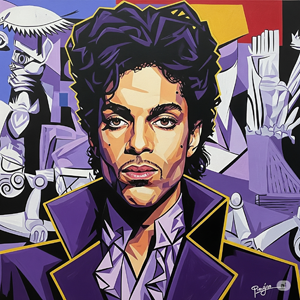
Tunes Du Jour Presents The Prince Songbook

Prince’s genius as a performer is well-documented, but his legacy as a songwriter may be even more far-reaching. The songs he wrote—sometimes directly for others, sometimes borrowed or reimagined—traveled in unexpected directions, often landing in voices very different from his own. Sinéad O’Connor’s haunting version of “Nothing Compares 2 U” turned emotional restraint into a global anthem, while Chaka Khan’s take on “I Feel for You” transformed a tightly wound synth-funk track into a dancefloor juggernaut with help from Melle Mel and Stevie Wonder. The Bangles’ jangly “Manic Monday” showed his facility with classic pop forms.

Sometimes Prince gave away songs without credit. Stevie Nicks has said “Stand Back” wouldn’t exist without his impromptu help; he played the synth part that defined the track, and then slipped away, declining a formal writing credit. His fingerprints are on the Sheila E. hit “The Glamorous Life” and The Time’s “Jungle Love,” both written and produced by Prince but performed by his protégés. Even artists as distinct as Alicia Keys and Tom Jones found new depths and textures in his work, whether covering “How Come You Don’t Call Me” or reinterpreting “Kiss.” In many cases, he gave female artists some of their most complex and empowered material: see Sheena Easton’s risqué “Sugar Walls” or Martika’s spiritual “Love… Thy Will Be Done.”

What’s most remarkable is how well these songs hold up when refracted through other voices. Cyndi Lauper brought vulnerability to “When You Were Mine,” TLC made “If I Was Your Girlfriend” even more intimate, and even idiosyncratic takes like Sufjan Stevens on “Alphabet Street” or P.M. Dawn’s dreamlike “1999” as incorporated in “Fantasia’s Confidential Ghetto” show how flexible his songwriting was. Prince’s compositions had structure, hooks, and heart, but they were never rigid. That elasticity allowed other artists not just to sing his songs, but to inhabit them.

Follow Tunes Du Jour on Facebook

Follow me on Bluesky

Follow me on Instagram

Tunes Du Jour Presents 1971

The music of 1971 was shaped by a world in transition. The optimism of the ’60s had given way to a more complicated reality—political upheaval, the Vietnam War, and shifting cultural norms weighed heavily on society. In response, many artists channeled these changes into their music, whether through protest, storytelling, or deeply personal reflection. The result was a year that produced enduring songs across multiple genres, from confessional singer-songwriter fare to hard-hitting rock and infectious soul.

Some of the most memorable hits of the year leaned into personal themes rather than overt social commentary. Carole King’s “It’s Too Late” and Elton John’s “Your Song” exemplified the rise of the singer-songwriter era, blending lyrical vulnerability with sophisticated melodies. Al Green’s “Tired of Being Alone” showcased his effortless mix of longing and smooth Southern soul, while Rod Stewart’s “Maggie May” became his breakthrough solo hit, telling the story of youthful romance with a blend of folk and rock. At the same time, Marvin Gaye’s “What’s Going On” took a broader view, addressing war, inequality, and injustice in a way that felt both urgent and timeless.

Rock music remained as dominant as ever, though it took on new forms. Led Zeppelin’s “Immigrant Song” showcased their thunderous power, while The Who’s “Won’t Get Fooled Again” harnessed synthesizers and political defiance to craft an enduring anthem. The Rolling Stones’ “Brown Sugar,” released without much controversy at the time, has since been reevaluated due to its lyrical content. Meanwhile, The Doors painted a dark, atmospheric landscape on “Riders on the Storm,” and Paul & Linda McCartney’s “Uncle Albert/Admiral Halsey” leaned into whimsical experimentation, proving that rock still had room for playfulness.

Soul and funk made significant strides in 1971, with Sly & The Family Stone’s “Family Affair” pioneering a more subdued, groove-heavy sound. The Staple Singers’ “Respect Yourself” and Curtis Mayfield’s “Move On Up” carried messages of empowerment, while Honey Cone’s “Want Ads” and Jean Knight’s “Mr. Big Stuff” infused attitude into their infectious rhythms. The Jackson 5’s “Never Can Say Goodbye” demonstrated a maturing sound beyond their bubblegum pop beginnings, while Cher’s “Gypsies, Tramps and Thieves” and Melanie’s “Brand New Key” brought storytelling into the pop realm with memorable melodies and an enduring campiness.

Fifty-plus years later, the music of 1971 still resonates. Whether through the social commentary of “What’s Going On,” the country-rock warmth of “Me and Bobby McGee,” or the swampy energy of Ike & Tina Turner’s “Proud Mary,” these songs remain essential listening. They serve as both a time capsule and a reminder that great music doesn’t just reflect its era—it continues to shape the generations that follow.


Follow Tunes Du Jour on Facebook

Follow me on Bluesky

Follow me on Instagram

Tunes Du Jour Presents 1968

In the tumultuous year of 1968, the world was ablaze with social and political upheaval, and the music of the time resonated deeply with the spirit of change. As we reflect on the sounds that defined this pivotal era, it’s impossible not to be swept away by the eclectic mix of genres and emotions that filled the airwaves. From soulful ballads to psychedelic rock anthems, the music of 1968 was a reflection of the turbulent times in which it was created.

One cannot delve into the musical landscape of 1968 without acknowledging the timeless classics that continue to capture hearts and minds today. Marvin Gaye’s “I Heard It Through the Grapevine” remains a soulful testament to the power of love and betrayal, while The Beatles’ “Hey Jude” stands as an enduring anthem of hope and resilience. Meanwhile, Otis Redding’s “(Sittin’ On) The Dock of the Bay” evokes a sense of quiet contemplation amidst the chaos, its melancholic melody lingering long after the last note fades away.

The year also saw the rise of revolutionary artists who pushed the boundaries of conventional sound and style. Jimi Hendrix’s electrifying rendition of Bob Dylan’s “All Along The Watchtower” redefined the possibilities of guitar-driven rock, while Sly & the Family Stone’s “Dance To The Music” infused funk with a vibrant energy that transcended racial and cultural divides. Steppenwolf’s “Born To Be Wild” became the anthem of a generation, capturing the restless spirit of rebellion that coursed through the veins of youth around the world.

Each track on this playlist is a testament to the power of music to unite, inspire, and console, even in the darkest of times. Let us remember the year that was 1968 and the enduring legacy of the artists who helped shape it.

Follow Tunes du Jour on Facebook

Follow Tunes du Jour on Twitter

Follow me on Instagram