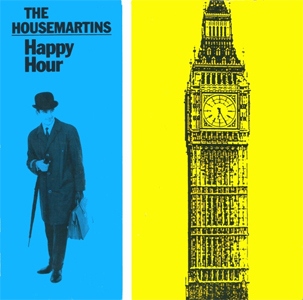
Today is World Bartender Day, and to celebrate, here are 30 alcohol-inspired tunes. I’ll drink to that!
Follow Tunes Du Jour on Facebook
Follow me on Bluesky
Follow me on Instagram

It was the third of September / That day I’ll always remember
It was the third of June, another sleepy, dusty Delta day
Early morning, April 4 / Shot rings out in the Memphis sky
Do you remember the twenty-first night of September?
The theme of today’s playlist is dates referenced in song lyrics.
A date can do a lot of heavy lifting in a song. It can anchor a memory, mark a turning point, or drop us directly into a moment in history. Sometimes it’s deeply personal—Jay-Z naming his birthday in “December 4th”—and sometimes it’s collective, as in U2’s “Pride (In the Name of Love),” with its reference to April 4, 1968, the day Martin Luther King Jr. was assassinated.
Songwriters also use dates to heighten mystery. Bobbie Gentry’s “Ode to Billie Joe” begins on June 3, but instead of telling us what happened at the Tallahatchie Bridge, the lyric circles around it, making the day itself loom larger than the unexplained event. Similarly, the Temptations’ “Papa Was a Rolling Stone” ties the father’s death to September 3, a detail that sticks in the mind as much as the funk groove itself.
Not every date is somber. Earth, Wind & Fire turned September 21 into an annual celebration, and Chicago’s “Saturday in the Park” keeps the Fourth of July grounded in a snapshot of music, sunshine, and family fun. Bruce Springsteen’s “4th of July, Asbury Park (Sandy)” is more bittersweet, capturing the mix of romance and restlessness that defined his early work.
Dates can also mark social upheaval. Sublime’s “April 29, 1992 (Miami)” references the Los Angeles riots, while the Neville Brothers’ “Sister Rosa” pays tribute to Rosa Parks’ refusal to give up her bus seat on December 1, 1955. Songs like these remind us that a single day can ripple outward into history.
Taken together, this playlist shows the many ways a songwriter can spin meaning out of the calendar. A date can be the start of a story, a marker of joy or tragedy, or just a sly joke. What matters is how it sticks in your memory, long after the last chord fades.
Follow Tunes Du Jour on Facebook
Follow me on Bluesky
Follow me on Instagram


Tom Waits is less a musician and more a sonic storyteller, a gravelly-voiced poet who transforms the gritty underbelly of American experience into mesmerizing musical narratives. His art exists in a liminal space between genres, blending elements of jazz, blues, folk, and experimental music into a uniquely haunting soundscape that defies easy categorization. From the early jazz-influenced ballads of albums like Closing Time to the more avant-garde, percussion-driven works of his later career, Waits has consistently challenged listeners’ expectations.
What sets Waits apart is his remarkable ability to create characters and worlds within his songs. Whether he’s exploring the melancholy of urban loneliness in “Downtown Train” or the raw, visceral energy of working-class struggle in tracks like “Jockey Full of Bourbon,” his narratives feel simultaneously specific and universal. His voice—a remarkable instrument that sounds like it’s been aged in whiskey and weathered by countless late nights—becomes a character itself, growling and whispering stories that feel pulled from some alternate version of American folklore.
Throughout his decades-long career, Waits has collaborated with extraordinary musicians and consistently pushed musical boundaries. His partnership with wife and collaborator Kathleen Brennan has been particularly transformative, helping him evolve from a more traditional singer-songwriter to an experimental artist who incorporates found sounds, unconventional instrumentation, and theatrical arrangements. Albums like Rain Dogs and Mule Variations showcase this evolution, presenting soundscapes that are at once intimate and expansive.
Beyond music, Waits is also an accomplished actor, bringing the same distinctive presence to film roles that he does to his musical performances. His work with directors like Jim Jarmusch has further cemented his status as a true cultural iconoclast. He approaches performance—whether musical or cinematic—with a commitment to authenticity that transcends traditional artistic boundaries, always seeking to reveal something true about human experience.
Despite his experimental approach, there’s a profound emotional core to Waits’ work. Songs like “Martha” reveal a tender romanticism, while tracks like “Time” demonstrate an almost philosophical meditation on life’s transient nature. He manages the remarkable feat of being simultaneously avant-garde and deeply accessible, creating music that feels both intellectually challenging and emotionally resonant. Tom Waits isn’t just a musician; he’s a musical alchemist who transforms the raw, often painful materials of human experience into something profound, beautiful, and unforgettable.
Follow Tunes du Jour on Facebook
Follow me on Bluesky
Follow me on Instagram

Today is International Hangover Day. Celebrate accordingly. Here’s your inspired by playlist:


Randy Newman was born on this date in 1943. Lots of songs from him on today’s playlist.
https://open.spotify.com/embed/playlist/2U2ab5KT0a5uNLFha5cWSU?utm_source=generator
Follow Tunes du Jour on Facebook
Follow Tunes du Jour on Twitter
Follow me on Instagram
