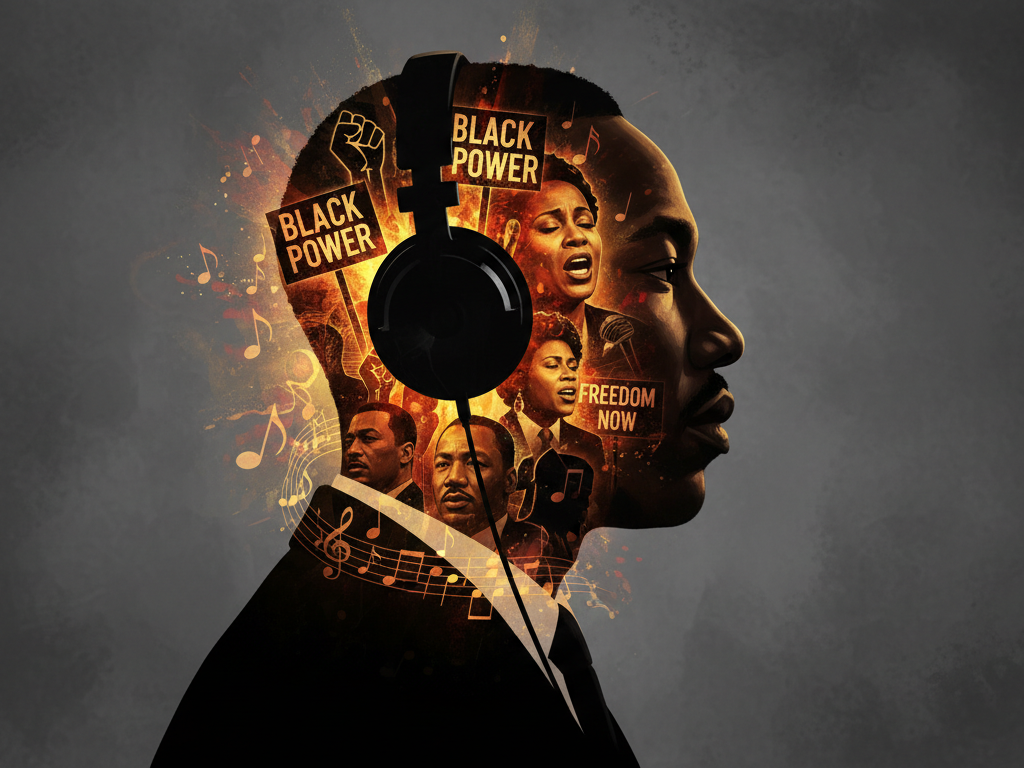
Music has always been more than just a backdrop to history; it is a living, breathing part of it. It’s the coded message in a spiritual, the roar of protest in a soul anthem, and the unshakeable pride in a hip-hop verse. This playlist was curated with that spirit in mind. It is not just a collection of songs by Black artists or about Black experiences, but a deliberate sonic journey where each track serves as a chapter in the long, complex, and powerful story of Black history. From the harrowing journey of the Middle Passage in The O’Jays’ “Ship Ahoy” to the defiant celebration of identity in Beyoncé’s “BROWN SKIN GIRL,” every song here is a direct link to a person, an event, a movement, or some combination of the three.
The running order is intentional, designed to guide the listener through a powerful emotional and historical arc. We begin in the depths of oppression, bearing witness to the brutality of slavery, the terror of Jim Crow, and the pain of foundational betrayals. From that bitter root, the playlist pivots to the fire of resistance. It chronicles the fight for Civil Rights in America and the parallel global struggle against apartheid, honoring the heroes who led the charge and the anthems that fueled their movements. The narrative then moves into the modern era, where the fight for justice continues in the face of new challenges, chronicled with unflinching honesty by artists from Bruce Springsteen to Janelle Monáe.
This journey through pain and protest ultimately leads to a place of empowerment, joy, and hard-won hope. The final act of the playlist is a celebration of contribution, a lesson in self-love for future generations, and a recognition of monumental triumphs. It culminates in the profound resilience of Aretha Franklin’s “A Change Is Gonna Come”—a final, stirring testament to an unshakeable faith in the future. This Black History Month, we invite you to not just hear these songs, but to truly listen. Follow the stories, look up the names, and feel the weight and glory of the history they carry. Let the rhythms move you, but let the histories change you.
Welcome to a journey through rhythm. November is International Drum Month, and this collection honors the masters of the drum kit, the players whose feel, power, and ingenuity define the songs we love. From the tightest pockets to the most explosive solos, these are the heartbeats of modern music. Let’s give the drummers some.
Good Vibrations – The Beach Boys The legendary session musician Hal Blaine provides the sharp, inventive percussion, using everything from sleigh bells to a detached kick drum to build the song’s complex and sunny atmosphere.
Cissy Strut – The Meters Joseph “Zigaboo” Modeliste, the architect of New Orleans funk, creates a syncopated, greasy, and endlessly influential groove that has been the blueprint for funk drummers ever since.
Smells Like Teen Spirit – Nirvana Dave Grohl’s performance is a masterclass in quiet-loud dynamics, with his simple, powerful groove in the verse exploding into a torrent of raw energy for the iconic chorus.
One – Metallica Lars Ulrich’s machine-gun double bass drumming on the intro is one of metal’s most defining moments, perfectly mimicking the sound of battlefield artillery.
Superstition – Stevie Wonder The irresistible funk pattern that drives this track was played by none other than Stevie Wonder himself, who laid down the clavinet, bass, and drum parts to create a perfect storm of groove.
The Glamorous Life – Sheila E. A tour de force from the legendary percussionist and drummer Sheila E., this track is a showcase of her technical virtuosity and incredible funk sensibilities.
In The Air Tonight – Phil Collins For three minutes, Phil Collins builds unbearable tension before unleashing the most famous drum fill in history, a thunderous burst of gated reverb toms that everyone has air-drummed to.
Rosanna – Toto The late, great Jeff Porcaro gives a masterclass in the half-time shuffle, creating a feel so iconic and difficult to replicate that it’s now simply known as the “Rosanna shuffle.”
Come Together – The Beatles Ringo Starr’s signature swampy, tea-towel-dampened tom groove is the unmistakable foundation of this track, proving that feel and creativity are more important than flash.
Brick House – The Commodores Walter “Clyde” Orange not only provides the lead vocals but also lays down a funk groove so solid and deep you could build a house on it, proving that sometimes the simplest beat is the most effective.
Rock With You – Michael Jackson Session giant John “JR” Robinson creates a beat that is smooth, sophisticated, and impossibly deep in the pocket, providing the perfect shimmering pulse for dancing.
Sing, Sing, Sing (With A Swing) – Benny Goodman & His Orchestra Gene Krupa became music’s first superstar drummer with this performance, his primal, floor-tom-driven solo setting the standard for all drum features to come.
Voodoo Child (Slight Return) – The Jimi Hendrix Experience Mitch Mitchell’s jazz-influenced, wildly improvisational drumming is the perfect foil for Hendrix’s guitar, a chaotic and conversational force of nature.
When The Levee Breaks – Led Zeppelin Recorded in a stairwell with two microphones, John Bonham’s colossal, booming groove is arguably the most recognizable and revered drum sound ever committed to tape.
Message in a Bottle – The Police Showcasing his unique, reggae-infused style, Stewart Copeland’s intricate hi-hat work and signature use of the splash cymbal give this song its nervous, driving energy.
Funky Drummer – James Brown Here, Clyde Stubblefield plays what is perhaps the most-sampled drum break in history, a 20-second piece of rhythmic perfection that became a cornerstone of hip-hop.
Gimme Shelter – The Rolling Stones The picture of restraint and taste, Charlie Watts enters the song with a deceptively simple beat that carries all the dread and swing the track demands.
I’ve Seen All Good People – Yes Bill Bruford’s crisp, creative, and complex drumming is on full display, navigating the song’s shifting sections with technical precision and musical grace.
50 Ways to Leave Your Lover – Paul Simon Steve Gadd lays down one of the most recognizable and clever marching-band-inspired beats in popular music, a sophisticated and instantly memorable pattern.
Think (About It) – Lyn Collins Another gift to hip-hop from the James Brown band, this track features John “Jabo” Starks’s impossibly tight groove and a legendary drum break that keeps on giving.
White Room – Cream The inimitable Ginger Baker announces this psychedelic classic with a powerful 5/4 tom-tom intro, setting the stage with his heavy, melodic, and groundbreaking style.
Hot For Teacher – Van Halen Alex Van Halen’s frantic, shuffling intro sounds like a barely-contained engine, kicking off one of the most exhilarating double-bass-fueled drum tracks in rock history.
Sunday Bloody Sunday – U2 Larry Mullen Jr.’s militaristic, unrelenting snare drum pattern, recorded in a reverberant stairwell, serves as the song’s defiant and unwavering backbone.
Schism – Tool A master of complexity, Danny Carey navigates the song’s dizzying array of shifting time signatures with a tribal power and mathematical precision that is simply breathtaking.
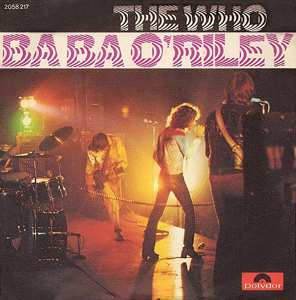
Baba O’Riley – The Who The untamable Keith Moon crashes and tumbles through this rock anthem, playing with a frenetic energy that threatens to send the song flying off the rails at any moment.
Dig Me Out – Sleater-Kinney Janet Weiss is the roaring engine of this track, playing with a ferocious power, impeccable timing, and creative fills that drive the song forward relentlessly.
I Heard It Through the Grapevine – Gladys Knight & the Pips Funk Brothers drummers Uriel Jones and the great Benny Benjamin create a powerhouse rhythm section, delivering a performance full of simmering tension and explosive release that punctuates the song’s raw emotion.
Dancin’ Fool – Frank Zappa Terry Bozzio is the manic force behind this track, navigating Zappa’s absurd rhythmic twists and turns with an explosive combination of power, precision, and theatrical flair.
One Love/People Get Ready – Bob Marley & The Wailers Carlton “Carly” Barrett, the originator of the “One Drop” rhythm, gives this song its iconic reggae heartbeat, where the accent is on the third beat of the measure.
Footprints – The Miles Davis Quintet At just 20 years old, Tony Williams redefined jazz drumming with his explosive and interactive playing, shattering old conventions and pushing the entire band to new heights.
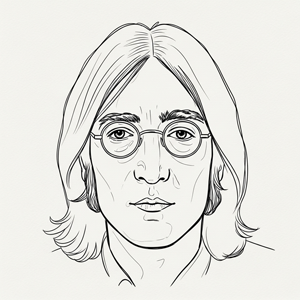
It’s interesting to start a playlist of John Lennon songs with David Bowie’s “Fame.” It feels like an outlier at first, until you remember Lennon co-wrote the track, contributed guitar, and sang backup vocals. It’s one of just a handful of songs on this list that isn’t a straightforward cover, and its placement at the top serves as a great reminder: one of the best ways to understand a songwriter’s impact is to see how their work thrives in the hands of others. Listening to a collection like this isn’t just about nostalgia; it’s an active exploration of how durable and adaptable Lennon’s compositions truly are, revealing the deep-seated melodic and lyrical strengths that invite constant reinterpretation.
The sheer variety of artists drawn to his work speaks volumes about its fundamental structure. A Lennon song can be a sturdy vessel for almost any style. In its original form, “Help!” was a desperate plea disguised as an upbeat folk-rock hit. But when Tina Turner gets ahold of it, she strips away the disguise, transforming it into a full-throated, soulful cry for salvation. Similarly, Johnny Cash takes “In My Life,” a song of youthful reflection, and imbues it with the profound weight of a long life lived, making each line land with a different, more somber gravity. From the raw R&B groove Otis Redding finds in “Day Tripper” to the cool, atmospheric poise Roxy Music brings to “Jealous Guy,” these songs prove to be exceptionally resilient, their core emotions accessible to any genre.
Beyond musical versatility, the playlist highlights the different facets of Lennon’s lyrical persona. There’s the acerbic political commentator, whose pointed dissatisfaction is channeled perfectly by the punk sneer of Generation X on “Gimme Some Truth” and the world-weary defiance of Marianne Faithfull on “Working Class Hero.” Then there is the deeply vulnerable Lennon, the man wrangling with insecurity and fame. You can hear this in the anxious, propulsive energy The Feelies bring to “Everybody’s Got Something To Hide (Except Me And My Monkey)” or the stark, pleading quality Maxïmo Park finds in the solo track “Isolation.” He could be pointedly political or achingly personal, and both modes have continued to resonate with artists who have their own truths to tell.
Of course, no look at Lennon’s work would be complete without touching on his more surreal and experimental side. These are often the songs that seem most tied to a specific time, yet they possess a dreamlike logic that continues to inspire. Elton John, a friend and collaborator, treats “Lucy in the Sky with Diamonds” not as a museum piece but as a glam-rock epic. R.E.M. leans into the hypnotic, floating quality of “#9 Dream,” while Fiona Apple’s take on “Across the Universe” honors its ethereal nature while grounding it with her distinctive emotional intensity. These artists don’t just copy the psychedelia; they find new ways to access the spirit of imaginative freedom that fueled the original recordings.
Ultimately, listening through these interpretations feels less like a tribute and more like a conversation across decades. We hear Billy J. Kramer’s simple pop charm on “Bad to Me,” a song Lennon wrote for him in 1963, and then Glen Campbell’s posthumous, heart-rending version of “Grow Old With Me,” one of Lennon’s last compositions. The journey between those two points is remarkable. This collection of songs, re-shaped by everyone from The Breeders to Bettye LaVette, demonstrates that the power of Lennon’s work isn’t just in his own iconic recordings. It’s in the bones of the songs themselves—the unforgettable melodies, the honest lyrics, and the restless spirit that others can’t help but be drawn to, again and again.
It was the third of September / That day I’ll always remember
It was the third of June, another sleepy, dusty Delta day
Early morning, April 4 / Shot rings out in the Memphis sky
Do you remember the twenty-first night of September?
The theme of today’s playlist is dates referenced in song lyrics.
A date can do a lot of heavy lifting in a song. It can anchor a memory, mark a turning point, or drop us directly into a moment in history. Sometimes it’s deeply personal—Jay-Z naming his birthday in “December 4th”—and sometimes it’s collective, as in U2’s “Pride (In the Name of Love),” with its reference to April 4, 1968, the day Martin Luther King Jr. was assassinated.
Songwriters also use dates to heighten mystery. Bobbie Gentry’s “Ode to Billie Joe” begins on June 3, but instead of telling us what happened at the Tallahatchie Bridge, the lyric circles around it, making the day itself loom larger than the unexplained event. Similarly, the Temptations’ “Papa Was a Rolling Stone” ties the father’s death to September 3, a detail that sticks in the mind as much as the funk groove itself.
Not every date is somber. Earth, Wind & Fire turned September 21 into an annual celebration, and Chicago’s “Saturday in the Park” keeps the Fourth of July grounded in a snapshot of music, sunshine, and family fun. Bruce Springsteen’s “4th of July, Asbury Park (Sandy)” is more bittersweet, capturing the mix of romance and restlessness that defined his early work.
Dates can also mark social upheaval. Sublime’s “April 29, 1992 (Miami)” references the Los Angeles riots, while the Neville Brothers’ “Sister Rosa” pays tribute to Rosa Parks’ refusal to give up her bus seat on December 1, 1955. Songs like these remind us that a single day can ripple outward into history.
Taken together, this playlist shows the many ways a songwriter can spin meaning out of the calendar. A date can be the start of a story, a marker of joy or tragedy, or just a sly joke. What matters is how it sticks in your memory, long after the last chord fades.
It’s hard to overstate how culturally dominant pop music was in 1984—or how much the year reshaped the landscape. Many of the songs on this playlist weren’t just hits; they were defining moments, launching or solidifying the careers of artists whose names still carry weight today. The sheer number of songs from 1984 that are still instantly recognizable points to a moment when creativity, commerce, and cultural change aligned. The presence of “Thriller”—Michael Jackson’s seventh single from the album of the same name—reminds us that the music business had never seen anything quite like this before. And yet, he wasn’t the only artist making history.
Prince’s “Purple Rain” marked not just a commercial breakthrough, but a creative one. It’s a song, an album, and a film—each enhancing the other’s mythology. Similarly, “Like a Virgin” signaled Madonna’s arrival as more than a pop star; she became a cultural force. Tina Turner, with “What’s Love Got to Do with It,” pulled off one of the most celebrated comebacks in music history. And Cyndi Lauper’s “Girls Just Want to Have Fun” brought an infectious blend of new wave and punky playfulness to the mainstream, reshaping ideas about femininity and pop performance.
Meanwhile, the rock world was hardly on pause. “Jump” became Van Halen’s biggest hit, thanks to its synth hook and anthemic chorus, while Bruce Springsteen’s “Dancing in the Dark” pushed his career into stadium territory. Across the Atlantic, U2’s “Pride (In the Name of Love)” began their transformation from college radio favorites to global headliners. The Replacements’ “I Will Dare,” from Let It Be, captured the heart of American indie rock—irreverent, emotionally raw, and just tuneful enough to hint at wider possibilities. And among the post-punk and alternative set, songs like “The Killing Moon” by Echo & the Bunnymen and “Heaven Knows I’m Miserable Now” by The Smiths gave moody introspection a lasting soundtrack.
What also stands out in 1984 is the range of genres that made a mainstream impact. Shannon’s “Let the Music Play” helped lay groundwork for freestyle, and Chaka Khan’s “I Feel for You” was a pivotal crossover moment, bringing together R&B, pop, and hip-hop. Run-D.M.C.’s “Rock Box” did something similar, blending rap and rock before it was fashionable. The Pointer Sisters’ “Automatic” was one of several hits that proved they could thrive in an electronic pop era without losing their vocal identity. Even novelty songs like “Ghostbusters” or the cheerful “Wake Me Up Before You Go-Go” helped shape the sound of the time.
Beyond chart success, 1984’s songs carried messages—sometimes playful, sometimes political. “Free Nelson Mandela” by The Special A.K.A. was a global anthem of protest. Depeche Mode’s “Blasphemous Rumours” examined faith and fate with a dark electronic edge. And “Somebody’s Watching Me,” a paranoid slice of synth-pop, foreshadowed a media culture on the verge of explosion. Whether on the dancefloor, in dorm rooms, or through the television set, 1984’s music didn’t just reflect its era—it helped define it.
Paul McCartney’s genius as a songwriter extends far beyond his work with The Beatles, revealing itself most clearly in how other artists have transformed his compositions across genres and generations. This remarkable collection of covers demonstrates McCartney’s rare ability to write songs that function as both complete artistic statements and flexible frameworks for reinterpretation. When Joe Cocker turned “With A Little Help From My Friends” into a soulful anthem, or when Guns N’ Roses gave “Live and Let Die” a hard rock edge, they weren’t just covering songs—they were unlocking different emotional possibilities that McCartney had embedded in the original compositions. The breadth of artists drawn to his work, from Aretha Franklin’s gospel-tinged “Eleanor Rigby” to Beyoncé’s contemporary reimagining of “Blackbird,” speaks to the universal resonance of his melodic and lyrical craftsmanship.
What makes McCartney particularly fascinating as a songwriter is his willingness to write specifically for other artists’ strengths while maintaining his distinctive voice. Songs like “A World Without Love” for Peter & Gordon and “Come And Get It” for Badfinger weren’t Beatles cast-offs but carefully crafted compositions that suited those acts perfectly. His collaboration with Elvis Costello on “Veronica” and his work with Michael Jackson on “Girlfriend” show an artist constantly evolving and adapting his approach to different musical contexts. Even when writing for others, McCartney’s melodic sensibility—that ability to find the hook that sticks in your mind—remains unmistakably present, whether it’s the yearning quality of “Yesterday” that En Vogue brought to R&B or the infectious rhythm of “Ob-La-Di, Ob-La-Da” that Celia Cruz infused with Latin flavor.
The lasting power of McCartney’s songwriting becomes evident when artists as diverse as Ray Charles, Stevie Wonder, and Andre 3000 find something meaningful in his catalog. These aren’t novelty covers or tribute performances—they’re genuine artistic connections where musicians recognize something in McCartney’s work that speaks to their own creative vision. From Little Richard’s rock and roll interpretation of “I Saw Her Standing There” to k.d. lang’s haunting take on “Golden Slumbers,” each cover reveals new layers in songs that seemed perfectly complete in their original form. This ongoing dialogue between McCartney’s compositions and successive generations of artists suggests something profound about his approach to songwriting: he creates musical spaces that invite inhabitation rather than mere imitation, proving that truly great songs don’t just endure—they continue to grow.
Green Day has spent decades walking the line between punk rebellion and mainstream success, proving that catchy hooks and political commentary can coexist. Formed in the late ’80s, the Bay Area trio—Billie Joe Armstrong, Mike Dirnt, and Tré Cool—broke into the mainstream with Dookie (1994), a blast of bratty energy and pop sensibility that defined a generation of disaffected youth. Songs like “Basket Case,” “Longview,” and “When I Come Around” were as much about slacker anthems as they were about sneaking sharp songwriting into punk’s rough edges. While some punk purists scoffed at their popularity, Green Day embraced their role as the genre’s unlikely ambassadors.
As the years went on, the band sharpened both their sound and their social awareness. American Idiot (2004) wasn’t just an album; it was a statement, blending rock opera theatrics with a scathing critique of early 2000s America. Tracks like “Holiday,” “Jesus of Suburbia,” and “Boulevard of Broken Dreams” turned personal frustration into sweeping, arena-sized anthems. The record cemented their status as more than just punk lifers—they were now cultural commentators, unafraid to take a stance. The trend continued with 21st Century Breakdown (2009), featuring “21 Guns” and “Know Your Enemy,” further solidifying their ability to blend social critique with stadium-ready hooks.
Even with their political edge, Green Day has never abandoned their knack for punchy, straightforward rock. Whether through side projects like Foxboro Hot Tubs (“Mother Mary”) or later albums like Revolution Radio (“Still Breathing,” “Bang Bang”), they’ve shown a willingness to evolve while maintaining their core identity. Their 2020 album Father of All… leaned into garage rock swagger, proving they weren’t content to simply coast on nostalgia. And with “The American Dream Is Killing Me,” they continue to tap into contemporary anxieties while delivering the kind of anthems their fans have come to expect.
Their impact extends beyond their own music. Their 2006 collaboration with U2 on “The Saints Are Coming” helped raise funds for Hurricane Katrina relief, and their cover of John Lennon’s “Working Class Hero” for Instant Karma: The Amnesty International Campaign to Save Darfur showed their ongoing commitment to activism. Even their playfulness—recording “The Simpsons Theme” for the big-screen adaptation—demonstrates a band willing to have fun while still keeping their message intact.
Decades into their career, Green Day remains a band that thrives on contradiction: political yet playful, punk yet polished, nostalgic yet forward-thinking. Whether through their raw early work, their ambitious rock operas, or their later genre explorations, they’ve remained a vital force in rock music. As long as there’s frustration to be channeled and an audience ready to sing along, Green Day will have something to say.
Pearl Jam’s debut album, Ten, dropped like a thunderclap in 1991, marking the band, along with Nirvana, as torchbearers of the burgeoning grunge movement. Tracks like “Jeremy,” “Alive,” and “Even Flow” introduced a raw, emotionally charged sound that resonated deeply with listeners navigating the angst of the era. “Alive” in particular became an anthem of resilience, while “Jeremy” showcased the band’s ability to channel societal issues into compelling narratives. The soaring guitar work of Mike McCready and Eddie Vedder’s visceral vocals remain unforgettable.
Over the years, Pearl Jam evolved beyond grunge, displaying a restless creativity. Vs. and Vitalogy expanded their sonic palette, producing standout tracks like “Daughter,” a haunting meditation on miscommunication, and “Better Man,” which blends poignancy and pop sensibility. Meanwhile, songs like “Spin the Black Circle” and “Corduroy” spotlighted their punk-rock influences, proving the band’s versatility. Vedder’s lyrics often straddle the personal and political, giving their music a timeless relevance.
Pearl Jam’s commitment to artistry extends beyond their studio albums. Their live performances, exemplified by their electric cover of Neil Young’s “Rockin’ in the Free World” and the soulful fan favorite “Yellow Ledbetter,” capture the band’s dynamic energy. “Last Kiss,” a surprise hit, has a unique backstory: Vedder discovered an old 45 of the early 1960s version, and the band initially recorded the song as a Christmas gift for fan club members. After its inclusion on a charity album, it unexpectedly became their biggest single, underscoring the unpredictable nature of their career.
Vedder’s solo work, particularly “Hard Sun” from the Into the Wild soundtrack, reflects the introspective side of Pearl Jam’s ethos. Meanwhile, quirky tracks like “Bugs” reveal a band unafraid to experiment with sound and subject matter. Their activism is woven into their art, from the anti-war anthem “World Wide Suicide” to their environmental and social justice efforts.
For over three decades, Pearl Jam has maintained their fiercely independent spirit while forging a deep connection with their fans. A key to the band’s enduring appeal is that they have never wavered on their commitment to intimate storytelling, emotional intensity, and staying true to their creative muse.