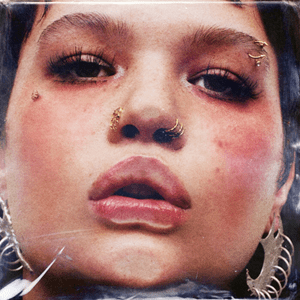
- Messy – Lola Young
- DENIAL IS A RIVER – Doechii
- Love Me Not – Ravyn Lenae
- Everyday – Celeste
- Young – Little Simz
- catch these fists – Wet Leg
- Pussy Palace – Lily Allen
- luther – Kendrick Lamar with SZA
- Tears – Sabrina Carpenter
- Pretrail (Let Her Go Home) – Fiona Apple
- Spike Island – Pulp
- squabble up – Kendrick Lamar
- Ring Ring Ring – Tyler, the Creator
- Eatin’ Big Time – Tyler Childers
- Anxiety – Doechii
- Lover Girl – Laufey
- Tough Luck – Laufey
- Chains & Whips – Clipse featuring Kendrick Lamar
- APT. – ROSÉ and Bruno Mars
- Bitin’ List – Tyler Childers
- Flood – Little Simz featuring Obongjayar and Moonchild Sanelly
- Don’t Leave Too Soon – Little Simz
- Fuck Me Eyes – Ethel Cain
- BMF – SZA
- Orlando in Love – Japanese Breakfast
- Sugar On My Tongue – Tyler, the Creator
- Sports car – Tate McRae
- Incomprehensible – Big Thief
- Free – Little Simz
- Rein Me In – Sam Fender with Olivia Dean
- mangetout – Wet Leg
- peekaboo – Kendrick Lamar feat. AZ Chike
- Everybody Scream – Florence + The Machine
- Catching feelings – Cerrone, Christine and the Queens
- Madeline – Lily Allen
- tv off – Kendrick Lamar
- Mr. Eclectic – Laufey
- Still Bad – Lizzo
- Bonnet of Pins – Matt Berninger
- The Subway – Chappell Roan
- What Is The Reason For it? – David Byrne with Ghost Town Orchestra and Hayley Williams
- PIRATE RADIO – Genesis Owusu
- Love in Real Life – Lizzo
- End of the World – Miley Cyrus
- Picture Window – Japanese Breakfast
- Only One Laughing – Hatchie
- Clean Heart – Perfume Genius
- Headphones On – Addison Rae
- i used to live in england – supermodel*
- Everybody Laughs – David Byrne with Ghost Train Orchestra
- Relationships – HAIM
- CPR – Wet Leg
- Mother, Pray For Me – The Beths
- What Was That – Lorde
- Man Of The Year – Lorde
- A BUG’S LIFE – Sudan Archives
- Hydroplaning Off the Edge of the World – Destroyer
- Devotion – Hot Chip
- All Night All Day – Big Thief
- Illegal – Pink Pantheress
- Human Mind – Mavis Staples
- 30 For 30 – SZA with Kendrick Lamar
- Which One – Drake & Central Cee
- Wreck – Neko Case
- Rusty Mountain – Neko Case
- Drift Away – Orville Peck
- Manchild – Sabrina Carpenter
- All Over Me – HAIM
- Hello, Hi – Little Simz
- All I Can Say – Kali Uchis
- Pale Song – Dove Ellis
- Apple – Charli xcx
- Drive – SZA
- Suzanne – Mark Ronson & RAYE
- Run Free – Soulwax
- Hit My Head All Day – Dry Cleaning
- Sunshine & Rain… – Kali Uchis
- wacced out murals – Kendrick Lamar
- Best Guess – Lucy Dacus
- Stay In Your Lane – Courtney Barnett
- Bigger in Texas – Megan Thee Stallion
- HOTBOX – Lil Nas X
- Dream Night – Jamie xx
- Letter From An Unknown Girlfriend – The Waterboys feat. Fiona Apple
- Snow White – Laufey
- So Easy (To Fall In Love) – Olivia Dean
- Time Will Tell – Celeste
- When Did You Get Hot? – Sabrina Carpenter
- Archbishop Harold Holmes – Jack White
- Tie You Down – HAIM and Bon Iver
- Neverwannago – Shamir
- Childlike Things – FKA twigs with North West
- Perfect Stranger – FKA twigs
- Man I Need – Olivia Dean
- Oscar Winning Tears – RAYE
- Nice Shoes – Steve Lacy
Follow Tunes Du Jour on Facebook
Follow me on Bluesky
Follow me on Instagram


