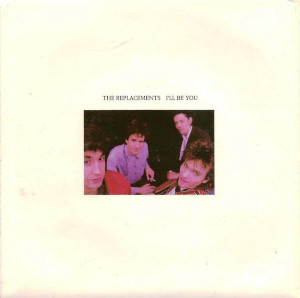
If you spend some time with a collection of songs by The Replacements, a central theme starts to emerge: the collision of ambition and self-sabotage. Here was a band that could create a perfect pop-rock anthem like “Alex Chilton” or “I’ll Be You,” yet seemed just as likely to play a shambolic set of off-key covers to an industry crowd. At the center of this beautiful, glorious mess was frontman and songwriter Paul Westerberg, a man who seemed to write from a place of profound sensitivity, only to encase it in layers of punk-rock noise and cynical humor. Their legacy isn’t about what they could have been, but about the raw, honest, and often brilliant reality of what they were.
You can hear this duality right from their mid-career peak. A song like “Bastards of Young” is a pure, defiant anthem, a fist in the air for anyone feeling unseen and out of place. It’s loud, reckless, and built on a foundation of pure rock and roll energy. In the same breath, they could deliver “Sixteen Blue,” a song that captures the specific, tender ache of adolescent confusion with a startling sincerity. Westerberg’s gift was his ability to pivot from the sneering humor of a track like “Waitress in the Sky” to the unvarnished desperation of “Answering Machine” without it ever feeling like a gimmick. It was all part of the same honest expression: life is loud and dumb one minute, and quiet and heartbreaking the next.
What truly made the band legendary wasn’t a simple progression towards maturity, but the fact that this profound sensitivity was there all along, pushing through the cracks of their punk rock exterior. Even on an album as willfully messy as Hootenanny, you’ll find a track like “Within Your Reach”—a stark, solitary piece that strips away all the noise. This contrast was perfectly captured on their next record, Let It Be, where a juvenile punk throwaway like “Gary’s Got a Boner” could exist on the same vinyl as “Unsatisfied.” That song lives up to its title with a raw, aching performance. This emotional core would be refined on later songs like the noir-tinged “Swingin Party” or the delicate “Skyway,” but its foundation was always present. These weren’t just songs about being a loser; they were songs for anyone who has ever felt a gap between where they are and where they want to be.
That distinctive voice carried on long after the band’s eventual dissolution. Listening to Westerberg’s solo work, like the jangly, lovelorn “Dyslexic Heart” or the melancholic “Love Untold,” you hear the same DNA. The clever wordplay is still there, as is the weariness and the guarded optimism. The core identity of a Replacements song—that blend of melodic craft, lyrical wit, and emotional truth—was always intrinsically tied to him. Songs like “Can’t Hardly Wait” and “Left of the Dial” weren’t just band efforts; they were dispatches from Westerberg’s particular worldview, amplified by one of the great, intuitive rock bands of his generation.
Ultimately, to listen to The Replacements is to accept imperfection as a virtue. They were a band that felt profoundly human. Their music is a companion for late-night drives, for moments of quiet hope, and for times when you just need to turn the volume up and shout along. They never offered easy answers or a polished product. Instead, they offered something far more valuable and enduring: a sense of recognition. In their sound, listeners found a reflection of their own beautifully scuffed lives, and that’s a connection that never fades.
Follow Tunes Du Jour on Facebook
Follow me on Bluesky
Follow me on Instagram