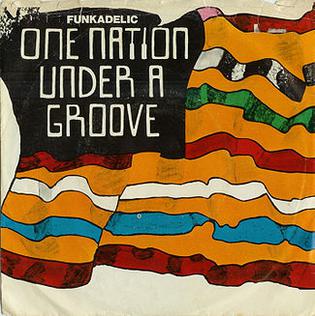
George Clinton was born on this date in 1941. A handful of his work with Parliament/Funkadelic is on today’s playlist.
Follow Tunes Du Jour on Facebook
Follow Tunes Du Jour on Twitter
Follow me on Instagram


Stevie Wonder, born Stevland Hardaway Judkins, has captivated audiences worldwide with his unparalleled musical genius and soulful artistry. From humble beginnings in Saginaw, Michigan, this prodigious talent embarked on a remarkable journey that has left an indelible mark on the landscape of popular music.
Wonder’s contributions to the industry are profound and far-reaching. His virtuosic musicianship, coupled with his ability to seamlessly blend various genres, has resulted in a discography that defies categorization. Songs like “Superstition,” “Sir Duke,” and “You Are the Sunshine of My Life” have become timeless anthems, transcending generations and cultural boundaries.
Beyond his musical prowess, Stevie Wonder’s accolades are a testament to his enduring impact. With 25 Grammy Awards under his belt, he holds the record for the most wins by a solo artist. Additionally, he has been inducted into the Rock and Roll Hall of Fame and the Songwriters Hall of Fame, solidifying his status as a true icon.
While Wonder’s artistic achievements are undeniable, his philanthropic endeavors are equally inspiring. He has used his platform to advocate for various causes, including civil rights, disability awareness, and hunger relief. His efforts have earned him numerous honors, including the prestigious Presidential Medal of Freedom and the Library of Congress’ Gershwin Prize for Popular Song.
Perhaps most notably, Stevie Wonder’s unwavering commitment to social justice and equality has been a driving force throughout his career. His advocacy for Martin Luther King Jr. Day to be recognized as a national holiday in the United States is a testament to his unwavering dedication to promoting positive change.
As we bask in the melodic brilliance of Stevie Wonder’s music, we are reminded of the profound impact an artist can have on the world. His contributions extend far beyond the realm of entertainment, inspiring generations with his talent, compassion, and unwavering dedication to making the world a better place.
Follow Tunes Du Jour on Facebook
Follow Tunes Du Jour on Twitter
Follow me on Instagram
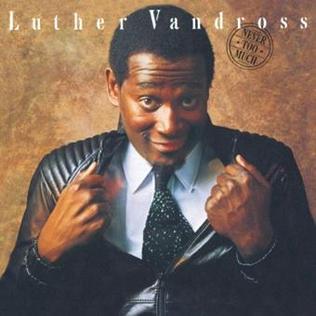
If you’re looking for a smooth soundtrack to unwind with, Luther Vandross has you covered. His smooth vocals and captivating stage presence made him a beloved and influential figure in R&B and soul music.
Early in his career, Vandross honed his skills not just as a singer, but as a songwriter and producer. He penned the uplifting “Everybody Rejoice/A Brand New Day” for the Broadway musical The Wiz, showcasing his talent for crafting memorable melodies. This period also saw him become a sought-after background vocalist, lending his voice to the recordings of icons like David Bowie, Stevie Wonder, Donna Summer, Todd Rundgren, Diana Ross, Ben E. King, Sister Sledge, Roberta Flack, Chaka Khan, Judy Collins, the J. Geils Band, Irene Cara, and Bette Midler. Not only did Vandross sing on Bowie’s “Fascination,” but they wrote the song together. This experience further solidified Vandross’ own artistic vision, which he would soon unleash on the world.
Before embarking on his solo journey, Vandross dipped his toes into the world of lead vocals. He fronted the disco group Change, belting out their hit “The Glow of Love.” He also sang lead for Bionic Boogie on their track “Hot Butterfly,” and even fronted a short-lived band simply called Luther.
Quincy Jones’ “Takin’ It To the Streets,” featuring Vandross as a lead vocalist alongside Gwen Guthrie, demonstrated his ability to shine even before his solo breakout. Later in his career, Vandross would seamlessly slip back into the role of collaborator, creating magic on duets with artists like Janet Jackson (“The Best Things in Life Are Free”) and Dionne Warwick (“How Many Times Can We Say Goodbye”).
The 1980s marked Vandross’ rise to stardom as a solo artist. Tracks like “Never Too Much” and “Here and Now” became instant classics, showcasing his ability to blend vulnerability with pure soulful power.
Throughout his career, Vandross racked up accolades. He’s a Grammy Award winner with eight statues to his name, and countless other awards solidify his place as a musical giant. But beyond the trophies, his true impact lies in the way his music continues to connect with listeners. Whether it’s a slow dance ballad or a roof-raising anthem, Vandross’ music offers a timeless blend of emotion and artistry. So next time you hear that velvety voice, take a moment to appreciate the work of a true musical great, who not only delivered unforgettable solo performances but also left his mark through songwriting, production, and collaborations across genres. Today’s playlist isn’t just a collection of Luther Vandross’ greatest hits – it’s a mix of some of those tracks alongside other gems that reveal the breadth of Vandross’ musical contributions. Prepare to be surprised at where he turns up. For example, those unforgettable “ba ba”s that open Stevie Wonder’s “Part-Time Lover?” That’s Luther!
Follow Tunes Du Jour on Facebook
Follow Tunes du Jour on Twitter
Follow me on Instagram
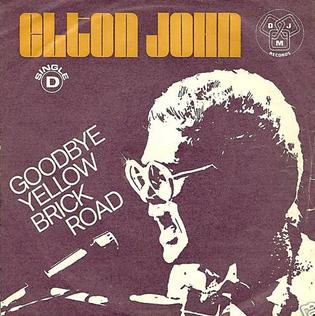
In the vast landscape of popular music, few names shine as brightly or endure as steadfastly as Elton John’s. With a career spanning over half a century, Sir Elton John, born Reginald Dwight, has left an indelible mark on the world of music. His repertoire is a rich tapestry woven with threads of rock, pop, and ballads, each song a testament to his unparalleled talent and versatility.
From the iconic “Goodbye Yellow Brick Road” to the soul-stirring “Your Song,” Elton John’s music resonates with audiences across generations. His ability to craft melodies that evoke emotion and lyrics that tell stories has earned him a place in the pantheon of musical legends. Tracks like “Rocket Man” transports listeners to otherworldly realms, while “Crocodile Rock” ignites a sense of joy and nostalgia.
Yet, beyond his musical prowess, Elton John’s legacy extends far into the realms of philanthropy and activism. As an openly gay man in the music industry during a time when such visibility was rare, he became a trailblazer for LGBTQ+ rights. His foundation, the Elton John AIDS Foundation, has been at the forefront of the fight against HIV/AIDS since its inception in 1992, raising millions of dollars to support prevention, treatment, and advocacy efforts worldwide.
Moreover, Elton John’s commitment to diversity and inclusion is evident not only in his music but also in his actions. He has used his platform to champion marginalized voices and challenge societal norms, paving the way for greater acceptance and understanding.
As we journey through the vast expanse of Elton John’s discography, we not only revel in the brilliance of his music but also recognize the depth of his impact on the world. His melodies echo through the corridors of time, serving as a reminder of the transformative power of art and the enduring legacy of one of music’s greatest maestros.
Follow Tunes du Jour on Facebook
Follow Tunes du Jour on Twitter
Follow me on Instagram

This playlist consists of tributes to some of the most influential figures in history and culture:
Candle In The Wind – Elton John: A heartfelt tribute to the iconic Marilyn Monroe, Elton John’s poignant melody captures the essence of her tragic life and enduring legacy.
Jackie Wilson Said (I’m In Heaven When You Smile) – Van Morrison: Van Morrison’s soulful tribute to Jackie Wilson celebrates the enduring power of music to uplift and inspire, capturing the essence of Wilson’s legendary performances and infectious charisma.
Vincent – Don McLean: Don McLean’s haunting ballad pays homage to the tormented genius of Vincent Van Gogh, intertwining his artistry with the complexities of his inner struggles.
When Smokey Sings – ABC: ABC’s smooth tribute to Motown legend Smokey Robinson pays homage to his soulful melodies and timeless contributions to music, evoking the nostalgic allure of his classic hits.
Pride (In The Name Of Love) – U2: With soaring vocals and stirring lyrics, U2’s anthem commemorates the life and legacy of civil rights leader Martin Luther King Jr., inspiring listeners to carry on his message of love and equality.
The Late Great Johnny Ace – Paul Simon: Paul Simon’s poignant tribute to rhythm and blues singer Johnny Ace reflects on the tragic circumstances of his untimely death, capturing the essence of his brief yet impactful career.
Nightshift – Commodores: A soulful tribute to the legendary soul singers Marvin Gaye and Jackie Wilson, the Commodores’ “Nightshift” celebrates their contributions to music and honors their enduring impact.
King Tut – Steve Martin: Steve Martin’s irreverent tribute to the Egyptian pharaoh Tutankhamun celebrates the enduring fascination with ancient history and the enduring legacy of one of its most iconic figures.
Man On The Moon – R.E.M.: R.E.M.’s enigmatic ode to the enigmatic Andy Kaufman captures the essence of his eccentricity and genius, inviting listeners to ponder the mysteries of his life and art.
Andy Warhol – David Bowie: David Bowie’s avant-garde homage to pop artist Andy Warhol captures the essence of his enigmatic persona and artistic vision, reflecting on his influence on contemporary culture and creativity.
Abraham Martin And John – Dion: Through Dion’s soulful rendition, “Abraham Martin And John” tenderly remembers the legacies of Abraham Lincoln, Martin Luther King Jr., and John F. Kennedy, reflecting on their enduring influence on American history.
Rock and Roll Heaven – The Righteous Brothers: The Righteous Brothers’ soul-stirring tribute to fallen rock ‘n’ roll stars celebrates their enduring legacy and contributions to music, offering a heartfelt homage to their memory.
All Those Years Ago – George Harrison: George Harrison’s heartfelt tribute to his late bandmate John Lennon not only reminisces about their time together in The Beatles but also serves as a poignant reflection on love, loss, and the passage of time.
Big Train (From Memphis) – John Fogerty: John Fogerty’s rollicking tribute to Elvis Presley captures the spirit of rock ‘n’ roll rebellion and pays homage to the enduring influence of the King of Rock ‘n’ Roll on American music.
Biko – Peter Gabriel: Peter Gabriel’s powerful anthem honors the memory of South African anti-apartheid activist Steve Biko, capturing the spirit of resistance and resilience that defined his legacy.
Tunic (Song For Karen) – Sonic Youth: Sonic Youth’s haunting tribute to Karen Carpenter reflects on the tragic circumstances of her life and untimely death, capturing the essence of her talent and the profound impact of her music.
Emmylou – First Aid Kit: First Aid Kit’s ethereal tribute to country music icon Emmylou Harris celebrates her timeless talent and profound influence on the genre, echoing the purity and grace of her musical stylings.
Brian Wilson – Barenaked Ladies: Barenaked Ladies’ whimsical tribute to Brian Wilson celebrates his innovative genius and enduring legacy as a founding member of The Beach Boys, capturing the spirit of his iconic melodies and harmonies.
Englishman in New York – Sting: Sting’s homage to the eccentric poet and playwright Quentin Crisp celebrates his unapologetic individuality and unwavering commitment to authenticity, embodying the spirit of self-expression and acceptance.
Velvet Underground – Jonathan Richman: Jonathan Richman’s heartfelt tribute to the Velvet Underground pays homage to their groundbreaking contributions to music and celebrates their enduring influence on alternative rock.
Alex Chilton – The Replacements: The Replacements’ infectious tribute to rock ‘n’ roll icon Alex Chilton pays homage to his rebellious spirit and enduring impact on music, capturing the essence of his legendary status.
She’s Madonna – Robbie Williams with Pet Shop Boys: Robbie Williams’ provocative tribute to Madonna celebrates her status as a pop culture icon, reflecting on her impact on music, fashion, and female empowerment.
Happy Birthday – Stevie Wonder: Stevie Wonder’s spirited anthem advocates for the recognition of Dr. Martin Luther King Jr.’s birthday as a national holiday, encapsulating the fervent spirit of the civil rights movement and celebrating the enduring legacy of King’s vision for equality and justice. With its infectious melody and uplifting lyrics, the song serves as both a tribute to King’s contributions to society and a call to action for continued progress and unity.
Elvis is Everywhere – Mojo Nixon and Skid Roper: Mojo Nixon and Skid Roper’s irreverent tribute to Elvis Presley humorously celebrates the enduring presence of the King of Rock ‘n’ Roll in popular culture, reflecting on his larger-than-life persona and lasting legacy.
Are You Sure Hank Done It This Way – Waylon Jennings: Waylon Jennings’ classic pays homage to the pioneering spirit of country music legend Hank Williams, reflecting on his influence and innovation within the genre.
Song To Woody – Bob Dylan: Bob Dylan’s heartfelt tribute to folk music legend Woody Guthrie pays homage to his influence on his own musical journey and celebrates the enduring power of Guthrie’s songs to inspire and provoke.
Sweet Gene Vincent – Ian Dury: Ian Dury’s rollicking tribute to rockabilly pioneer Gene Vincent captures the energy and excitement of his music, paying homage to his enduring impact on rock ‘n’ roll.
Bowie – Flight of the Conchords: Flight of the Conchords’ whimsical tribute to David Bowie celebrates his eclectic persona and musical genius, capturing the essence of his iconic status as a cultural icon.
Giorgio By Moroder – Daft Punk feat. Giorgio Moroder: Daft Punk’s electrifying tribute to legendary producer Giorgio Moroder not only celebrates his innovative contributions to electronic music but also reflects on the evolution of the genre and its impact on contemporary culture.
Martin Scorsese – King Missile: King Missile’s irreverent tribute to filmmaker Martin Scorsese playfully celebrates his contributions to cinema and pop culture, reflecting on his unique vision and enduring impact on the art of filmmaking.
Follow Tunes du Jour on Facebook
Follow Tunes du Jour on Twitter
Follow me on Instagram
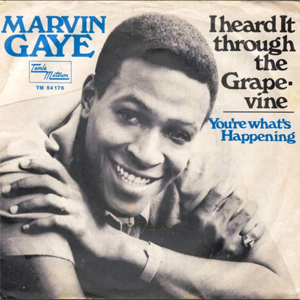
In the tumultuous year of 1968, the world was ablaze with social and political upheaval, and the music of the time resonated deeply with the spirit of change. As we reflect on the sounds that defined this pivotal era, it’s impossible not to be swept away by the eclectic mix of genres and emotions that filled the airwaves. From soulful ballads to psychedelic rock anthems, the music of 1968 was a reflection of the turbulent times in which it was created.
One cannot delve into the musical landscape of 1968 without acknowledging the timeless classics that continue to capture hearts and minds today. Marvin Gaye’s “I Heard It Through the Grapevine” remains a soulful testament to the power of love and betrayal, while The Beatles’ “Hey Jude” stands as an enduring anthem of hope and resilience. Meanwhile, Otis Redding’s “(Sittin’ On) The Dock of the Bay” evokes a sense of quiet contemplation amidst the chaos, its melancholic melody lingering long after the last note fades away.
The year also saw the rise of revolutionary artists who pushed the boundaries of conventional sound and style. Jimi Hendrix’s electrifying rendition of Bob Dylan’s “All Along The Watchtower” redefined the possibilities of guitar-driven rock, while Sly & the Family Stone’s “Dance To The Music” infused funk with a vibrant energy that transcended racial and cultural divides. Steppenwolf’s “Born To Be Wild” became the anthem of a generation, capturing the restless spirit of rebellion that coursed through the veins of youth around the world.
Each track on this playlist is a testament to the power of music to unite, inspire, and console, even in the darkest of times. Let us remember the year that was 1968 and the enduring legacy of the artists who helped shape it.
Follow Tunes du Jour on Facebook
Follow Tunes du Jour on Twitter
Follow me on Instagram


“I only make records when I feel I have something to say. I’m not interested in releasing music just for the sake of selling something.“ – Sade Adu
Sade’s last album came out in 2010. The album preceding that one came out in 2000.
Sade Adu, lead singer and namesake of the band Sade, was born on this date in 1959. A handful of Sade’s best tunes are included on today’s playlist.
Follow Tunes du Jour on Facebook
Follow Tunes du Jour on Twitter
Follow me on Instagram