Basement Jaxx’s Felix Buxton may have been born on this date in 1970. I may have included a handful of Basement Jaxx tracks on today’s playlist.
Follow Tunes Du Jour on Facebook
Follow Tunes Du Jour on Twitter
Follow me on Instagram
Adele was born on this date in 1988. Lots of songs from her on today’s playlist.
https://open.spotify.com/embed/playlist/6QfWHrSbam16XdbSxHIDGz?utm_source=generator
Follow Tunes du Jour on Facebook
Follow Tunes du Jour on Twitter
Follow me on Instagram
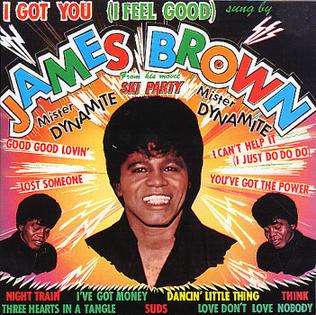
When it comes to the legends of soul, funk, and R&B, few loom as large as James Brown. The man known as “The Hardest Working Man in Show Business” left an indelible mark on popular music and culture.
Brown’s gritty vocals, unrelenting groove, and electrifying stage presence made him one of the most captivating performers of his era. Songs like “I Got You (I Feel Good),” “Papa’s Got a Brand New Bag,” and “Get Up (I Feel Like Being A) Sex Machine” showcased his ability to craft unforgettable rhythms and lyrics that just made you want to get up and dance.
Beyond his many iconic funk and soul hits, Brown was also highly regarded as a pioneer who helped shape genres like hip hop, rock, and disco. His razor-sharp rhythms and innovative production techniques, heard on tracks like “Cold Sweat,” “The Payback,” and “Funky Drummer,” provided the blueprint that artists would build upon for decades.
While his musical genius is undeniable, Brown’s impact extended far beyond the stage and recording studio. He was also an influential voice for Black empowerment during the civil rights movement. The fiery 1968 single “Say It Loud (I’m Black and I’m Proud)” became an anthem of pride and self-determination.
Brown’s lifetime of groundbreaking music and cultural contributions have earned him innumerable honors, including inductions into the Rock & Roll Hall of Fame and Songwriters Hall of Fame. He has received Grammy’s Lifetime Achievement Award and is a recipient of the prestigious Kennedy Center Honors. He truly was a trailblazer whose music and message will continue to inspire for generations to come.
Follow Tunes du Jour on Facebook
Follow Tunes du Jour on Twitter
Follow me on Instagram

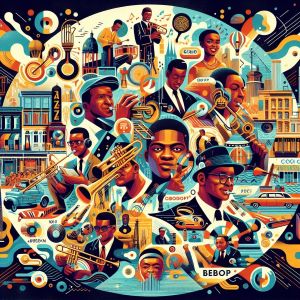
Jazz is a genre that defies easy definition, yet its influence is undeniable across decades of music history. At its core, jazz represents freedom – freedom of artistic expression, freedom to improvise and venture into uncharted musical territory. From the early days of jazz pioneers like Louis Armstrong, Duke Ellington, and Billie Holiday, this artistic freedom has been the driving force behind the ever-evolving sounds of jazz.
The genius of jazz lies in its ability to seamlessly blend composition and spontaneity. Take Miles Davis’ seminal album Kind of Blue, where masterful musicians like John Coltrane and Cannonball Adderley were given a simple modal framework to build upon through their improvisations. The result was a transcendent exploration of space, melody, and emotion that still captivates listeners today. Similarly, Dave Brubeck’s “Take Five” broke new ground with its innovative use of quintuple meter, exemplifying jazz’s boundary-pushing spirit.
Yet jazz is more than just innovative time signatures and harmonic progressions. It’s a language of human experience, a means of conveying the full spectrum of emotions through sound. Billie Holiday’s haunting rendition of “Strange Fruit” transformed a song into a searing indictment of racism and injustice. Nina Simone’s stirring vocals on “My Baby Just Cares for Me” radiate warmth and playfulness. And Chet Baker’s rendition of “My Funny Valentine” captures the exquisite vulnerability of heartbreak with effortless cool.
As the genre evolved through the latter half of the 20th century, jazz continued to defy conventions and push creative boundaries. The modal jazz of John Coltrane’s “A Love Supreme” was a spiritual exploration unlike anything that came before it. Ornette Coleman’s pioneering free jazz broke down traditional concepts of melody and harmony. And the fusion era saw artists like Herbie Hancock, Weather Report, and Grover Washington Jr. incorporate elements of funk, rock, and R&B into their jazz foundations.
From its humble beginnings in New Orleans to its modern global influence, jazz has remained a quintessential expression of artistic freedom. Its ability to constantly reinvent itself while maintaining a deep reverence for its roots is what makes it one of the most vital and culturally significant art forms of our time. Jazz is more than just a genre – it’s a living, breathing embodiment of the human spirit’s endless capacity for creativity and innovation.
Follow Tunes du Jour on Facebook
Follow Tunes du Jour on Twitter
Follow me on Instagram
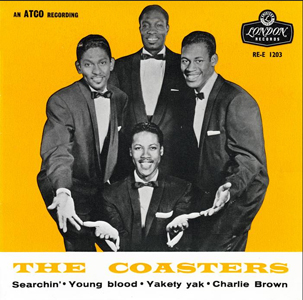
In their autobiography Hound Dog, songwriters Jerry Leiber and Mike Stoller tell of one time when they were at Jerry’s apartment. Jerry was in the kitchen while Mike was trying out ideas on the piano. Jerry called out to him “Take out the papers and the trash!” Immediately, Mike responded “Or you don’t get no spending cash.” Ten minutes later, the duo finished writing a rock and roll classic. The Coasters took the song, “Yakety Yak,” to number one.
The late Carl Gardner of The Coasters and The Robins was born on this date in 1928. A few of those groups’ songs with Gardner on lead are featured on today’s playlist.
Follow Tunes du Jour on Facebook
Follow Tunes du Jour on Twitter
Follow me on Instagram

Sonic Youth’s Kim Gordon was born on this date in 1953. Hear a few of the band’s songs on today’s playlist.