Tunes Du Jour Presents The Original Versions

Many of us grow up assuming the hit version of a song is the original. This playlist celebrates those surprising musical genealogies: well-known songs that were originally recorded by someone else, often with little fanfare. Here are the stories behind the transformations—where they started, and how they became iconic.


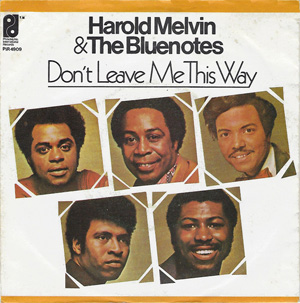
“Don’t Leave Me This Way” – Thelma Houston / Originally by Harold Melvin & the Blue Notes (1975)
Houston’s disco anthem actually began life as a Philly soul track sung by Teddy Pendergrass. Thelma took it to the dancefloor—and to #1.

“War” – Edwin Starr / Originally by The Temptations (1970)
This protest song started as an album cut by The Temptations. Starr’s rawer, angrier take made it a searing hit during the Vietnam era.

“Strawberry Letter 23” – The Brothers Johnson / Originally by Shuggie Otis (1971)
Otis’ dreamy, psychedelic original flew under the radar until producer Quincy Jones supercharged it with funk for The Brothers Johnson.

“I Feel for You” – Chaka Khan / Originally by Prince (1979)
Prince wrote it, recorded it, and released it on his 1979 self-titled album. Chaka Khan added Stevie Wonder’s harmonica and Melle Mel’s rap, creating a genre-blurring smash that gave the song a second life—and a much bigger audience.

“Louie Louie” – The Kingsmen / Originally by Richard Berry (1957)
Berry’s calypso-tinged rhythm & blues song became an unintelligible rock ‘n’ roll classic in the hands of teenage garage rockers.

“Pass The Koutchie” – Musical Youth as “Pass the Dutchie” / Originally by Mighty Diamonds (1981)
Musical Youth’s version cleaned up the ganja references but kept the groove. A British reggae hit born from a roots original.

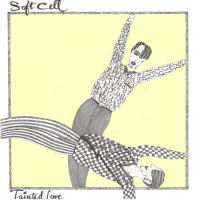
“Tainted Love” – Soft Cell / Originally by Gloria Jones (1964)
This Northern Soul favorite was ignored in the U.S. until Soft Cell’s chilly synth-pop cover turned it into an international sensation.

“You Are So Beautiful” – Joe Cocker / Originally by Billy Preston (1974)
Preston’s gospel-inflected original was co-written with Dennis Wilson of the Beach Boys. Cocker slowed it down into a tearjerking ballad.

“The First Cut Is The Deepest” – Rod Stewart / Originally by P.P. Arnold (1967)
Before Cat Stevens, the song’s writer, sang it himself, P.P. Arnold delivered a powerful version. Stewart’s cover gave it global traction.

“Red, Red Wine” – UB40 / Originally by Neil Diamond (1967)
Diamond’s mournful original was a slow ballad. UB40’s reggae version confused even him—he didn’t recognize his own song on the radio.

“Brand New Cadillac” – The Clash / Originally by Vince Taylor and His Playboys (1959)
This rockabilly obscurity became a snarling punk track on London Calling. Vince Taylor later served as an inspiration for David Bowie’s Ziggy Stardust persona.

“Take Me To The River” – Talking Heads / Originally by Al Green (1974)
Green’s swampy soul gave way to Talking Heads’ jittery art-funk. An old-school spiritual reborn in new wave style.

“The Tide Is High” – Blondie / Originally by The Paragons (1967)
Jamaican rocksteady meets NYC cool. Blondie took this mellow gem and gave it a global pop sheen.

“Brandy” – Barry Manilow as “Mandy” / Originally by Scott English (1971)
English’s sad and simple original got a new name and new polish. Manilow’s grand version topped the charts.

“Don’t Let Me Be Misunderstood” – The Animals / Originally by Nina Simone (1964)
Simone’s pleading ballad became a snarling British Invasion hit. Her nuanced sorrow gave way to the raw edge of rock.

“Bette Davis Eyes” – Kim Carnes / Originally by Jackie DeShannon (1974)
The original was breezy and piano-driven. Carnes and her producer Val Garay turned it into new wave noir.

“Heaven Must Have Sent You” – Bonnie Pointer / Originally by The Elgins (1966)
Pointer’s disco version revived a Motown deep cut and put it back on the charts over a decade later.

“Love Buzz” – Nirvana / Originally by Shocking Blue (1969)
Nirvana turned this obscure Dutch psych-rock tune into a distorted grunge landmark. Their debut single.

“Piece Of My Heart” – Big Brother & The Holding Company / Originally by Erma Franklin (1967)
Aretha’s sister recorded it first, but Janis Joplin made it a fiery centerpiece of her legend.

“It’s Oh So Quiet” – Björk / Originally by Betty Hutton (1951)
A novelty big-band number revived by Björk into a theatrical showstopper. Old Hollywood meets Icelandic art-pop.

“China Girl” – David Bowie / Originally by Iggy Pop (1977)
Co-written with Bowie, Iggy’s version was skeletal and raw. Bowie’s version added synth gloss and MTV appeal.

“Good Lovin'” – The Young Rascals / Originally by The Olympics (1965)
The Olympics had the groove, but The Rascals turned it into a garage-rock rave-up and a #1 hit.

“Valerie” – Mark Ronson featuring Amy Winehouse / Originally by The Zutons (2006)
The Zutons wrote it as a bluesy rock song. Winehouse made it retro-soul perfection.

“Police On My Back” – The Clash / Originally by The Equals (1967)
A stomping, paranoid track from Eddy Grant’s first band. The Clash turned it into a punk fugitive anthem.

“After Midnight” – Eric Clapton / Originally by J.J. Cale (1966)
Cale’s laid-back shuffle was juiced up with guitar licks by Clapton, who kept the songwriter’s cool intact.

“On Broadway” – The Drifters / Originally by The Cookies (1962)
Songwriters Barry Mann & Cynthia Weil gave this to a girl group first, but The Drifters made it a city-slick R&B classic.

“Love Hurts” – Nazareth / Originally by The Everly Brothers (1960)
Gentle heartbreak became hard rock agony. Nazareth’s arena wail made the song a power ballad staple.

“I Love Rock ‘n’ Roll” – Joan Jett & the Blackhearts / Originally by The Arrows (1975)
Jett saw it on UK TV and recorded a fiercer, snarling version that girls (and boys) everywhere could scream along to.

“Without You” – Nilsson / Originally by Badfinger (1970)
Badfinger’s version was plaintive; Nilsson’s was operatic. He didn’t just sing it—he wailed it.

“Superman” – R.E.M. / Originally by The Clique (1969)
A psychedelic pop obscurity turned indie-rock cult classic. One of R.E.M.’s rare early tracks not written by the band.


These songs remind us that inspiration doesn’t always strike where the spotlight shines. Sometimes greatness is borrowed—and reinvented.


Follow Tunes Du Jour on Facebook

Follow me on Bluesky

Follow me on Instagram
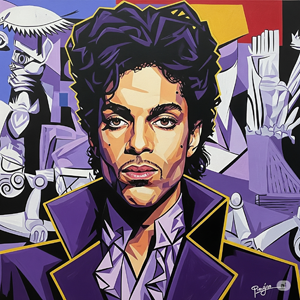
Tunes Du Jour Presents The Prince Songbook

Prince’s genius as a performer is well-documented, but his legacy as a songwriter may be even more far-reaching. The songs he wrote—sometimes directly for others, sometimes borrowed or reimagined—traveled in unexpected directions, often landing in voices very different from his own. Sinéad O’Connor’s haunting version of “Nothing Compares 2 U” turned emotional restraint into a global anthem, while Chaka Khan’s take on “I Feel for You” transformed a tightly wound synth-funk track into a dancefloor juggernaut with help from Melle Mel and Stevie Wonder. The Bangles’ jangly “Manic Monday” showed his facility with classic pop forms.

Sometimes Prince gave away songs without credit. Stevie Nicks has said “Stand Back” wouldn’t exist without his impromptu help; he played the synth part that defined the track, and then slipped away, declining a formal writing credit. His fingerprints are on the Sheila E. hit “The Glamorous Life” and The Time’s “Jungle Love,” both written and produced by Prince but performed by his protégés. Even artists as distinct as Alicia Keys and Tom Jones found new depths and textures in his work, whether covering “How Come You Don’t Call Me” or reinterpreting “Kiss.” In many cases, he gave female artists some of their most complex and empowered material: see Sheena Easton’s risqué “Sugar Walls” or Martika’s spiritual “Love… Thy Will Be Done.”

What’s most remarkable is how well these songs hold up when refracted through other voices. Cyndi Lauper brought vulnerability to “When You Were Mine,” TLC made “If I Was Your Girlfriend” even more intimate, and even idiosyncratic takes like Sufjan Stevens on “Alphabet Street” or P.M. Dawn’s dreamlike “1999” as incorporated in “Fantasia’s Confidential Ghetto” show how flexible his songwriting was. Prince’s compositions had structure, hooks, and heart, but they were never rigid. That elasticity allowed other artists not just to sing his songs, but to inhabit them.

Follow Tunes Du Jour on Facebook

Follow me on Bluesky

Follow me on Instagram
Tunes Du Jour Celebrates Pride 2025

Every June, Pride Month invites us to honor the LGBTQ+ community—not just its triumphs and ongoing struggles, but its wildly varied voices. This playlist, drawn from over six decades of music, is less a neat collection than a vibrant mix of statements, emotions, and identities. From Sylvester’s ecstatic disco classic “You Make Me Feel (Mighty Real)” to Billie Eilish’s “LUNCH,” the selections aren’t organized by genre, time period, or even theme. That’s fitting. The LGBTQ+ experience is too broad and multifaceted to be summed up by any single sound.

Some tracks speak directly to queerness, like Lou Reed’s “Walk on the Wild Side,” which namechecks drag queens and trans women, or Bronski Beat’s spiritual descendants, the Scissor Sisters, with their cheeky, loving anthem “Take Your Mama.” Others, like “Rocket Man” or “Do You Really Want to Hurt Me,” resonated with queer audiences before the artists behind them publicly came out—or even if they never did. There’s a history of coded expression here, of lyrics that offered solace to those reading between the lines.

Then there are the songs that became anthems of empowerment by sheer force of feeling: Christina Aguilera’s “Beautiful” offered a lifeline to LGBTQ+ youth when it first aired on MTV, while Madonna’s “Vogue” gave a global spotlight to a ballroom culture that had long gone ignored by the mainstream. Judy Garland’s “Over the Rainbow” might seem quaint next to Chappell Roan’s “Good Luck, Babe!,” but both songs capture longing, whether for love, acceptance, or the audacity to want more.

What unites these artists isn’t a single identity but a shared defiance—sometimes quiet, sometimes flamboyant—against what’s expected. Whether it’s the punkish ache of Buzzcocks’ “Ever Fallen in Love (With Someone You Shouldn’t’ve)” or the glossy Pet Shop Boys cover of “Go West,” the throughline is the refusal to shrink. Pride, in this sense, isn’t about perfection or performance. It’s about visibility, honesty, and a community that keeps evolving, note by note.

So, while this playlist won’t tell a single story, that’s exactly the point. Pride has never been about uniformity. It’s about claiming your truth, however it sounds—and blasting it through the speakers so someone else knows they’re not alone.

Hear last year’s Pride playlist here.

Follow Tunes du Jour on Facebook

Follow me on Bluesky

Follow me on Instagram

Tunes Du Jour Presents Stevie Nicks

In a career that’s stretched across decades, bands, and Billboard charts, Stevie Nicks has managed a rare feat: establishing herself as both a defining voice in a group and a singular presence as a solo artist. Her work with Fleetwood Mac and on her own often feels like two sides of the same coin—distinct but inseparable. On one hand, there’s the collaborative dynamic of Fleetwood Mac, captured in songs like “Dreams,” “Rhiannon,” and “Landslide,” where her voice served not just as a sonic anchor but as a narrative thread in the band’s often-turbulent story. On the other, there’s the independence of Bella Donna and The Wild Heart, where she claimed space on her own terms with tracks like “Edge of Seventeen” and “Stand Back.”

What makes Nicks especially compelling isn’t just her voice, though that husky, otherworldly tone is unmistakable. It’s her songwriting. The stories she tells—whether personal or imagined—have a way of blurring the line between autobiography and myth. “Sara” and “Gypsy” evoke emotional landscapes more than plotlines, while “Silver Springs” is pointed and raw, its pain delivered without melodrama. Even her more radio-friendly hits like “Talk To Me” and “I Can’t Wait” retain a kind of emotional undertow that separates them from the disposable pop of their era.

She’s also a master of collaboration, though not in the typical sense. Her duets with Tom Petty (“Stop Draggin’ My Heart Around”) and Don Henley (“Leather and Lace”) don’t just showcase vocal chemistry; they underscore how well she uses other voices to sharpen her own perspective. And while she occasionally lent her voice to projects like Kenny Loggins’ “Whenever I Call You Friend,” it’s usually within settings that still feel connected to her larger musical identity—romantic, reflective, occasionally mysterious.

Dig deeper into her solo catalog, and you find tracks like “Nightbird,” “Outside the Rain,” and “Think About It”—songs that may not have hit the top of the charts but round out the portrait. These aren’t diversions from her work with Fleetwood Mac but extensions of it, revealing a consistent worldview: introspective but not self-pitying, emotional but rarely unhinged. Even a track like “Planets of the Universe,” recorded decades after her commercial peak, holds to the same creative compass that’s guided her from the start.

Stevie Nicks isn’t just a singer or a lyricist or a performer; she’s a builder of emotional spaces. Whether she’s conjuring the vulnerability of “Storms,” the weariness of “After the Glitter Fades,” or the defiance of “The Highwayman,” there’s a sense that she’s letting listeners into her interior life—sometimes invitingly, sometimes at arm’s length. Either way, it’s a voice you don’t mistake for anyone else’s.

Follow Tunes Du Jour on Facebook

Follow me on Bluesky

Follow me on Instagram
Tunes Du Jour Presents The Bob Dylan Songbook

One way to measure a songwriter’s reach is not by how often their work is covered, but how widely. The playlist below spans decades, genres, and sensibilities—from Adele to The Dead Weather, from Johnny Cash to the Neville Brothers—and all roads lead back to Bob Dylan. This is not just a reflection of his prominence; it’s a testament to the adaptability of his writing. Dylan’s lyrics aren’t locked into one style or moment—they hold up when filtered through gospel, punk, glam, folk, or soul. His songs invite reimagining because they’re grounded in strong narrative bones and emotional honesty, not ornamental frills.

Consider the different shades of “All Along the Watchtower.” Dylan’s original version is stark and cryptic; Hendrix turned it into an electrified storm. Likewise, “I Shall Be Released,” rendered with hushed reverence by The Band, has the structure of a gospel hymn but the ambiguity of a fable. “Make You Feel My Love,” one of Dylan’s later compositions, found new life in Adele’s version—proof that his songwriting didn’t peak in the ’60s, but simply evolved. His voice as a writer has always been the constant: a blend of plainspoken wisdom, sly humor, and a deep sense of historical and emotional context.

It’s notable, too, how Dylan’s songs seem to absorb the character of the performer. When Elvis Presley sings “Tomorrow Is a Long Time,” it feels like a Southern ballad. When PJ Harvey takes on “Highway 61 Revisited,” it becomes something raw and jagged. Nina Simone’s version of “Just Like Tom Thumb’s Blues” brings out a haunted intensity not present in Dylan’s own delivery. That elasticity points to a rare kind of craftsmanship—songs written with enough specificity to be meaningful, but enough openness to be inhabited.

Even in unexpected settings, Dylan’s words linger. Tom Petty co-wrote the lyrics to “Jammin’ Me” with him, a pointed pop-rock critique of media saturation. Patti Smith’s “Changing of the Guards” channels the mystical imagery and layered storytelling that Dylan deployed throughout the ’70s. And when The Specials tear into “Maggie’s Farm,” it becomes a statement of punk-era defiance. These aren’t nostalgia pieces—they’re songs that meet each era on its own terms.

Dylan’s catalog isn’t just influential; it’s usable. His songs function as cultural currency, endlessly exchangeable yet retaining value. Whether you hear him through Joan Osborne’s gothic reading of “Man in the Long Black Coat” or the crystalline harmonies of Peter, Paul and Mary’s “Blowin’ in the Wind,” what’s most striking is not just who sings Dylan—but what his songs reveal when they do.

Follow Tunes Du Jour on Facebook

Follow me on Bluesky

Follow me on Instagram
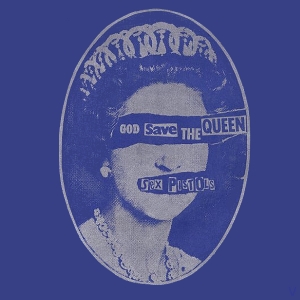
Tunes Du Jour Presents Punk

Ask ten people to define punk rock, and you’re likely to get at least fifteen answers. That’s part of its charm—and its challenge. Punk has always been more than a style of music; it’s a way of questioning the status quo, pushing back against complacency, and refusing to color inside the lines. The 30 songs in this playlist represent the genre’s many branches: from the snarling minimalism of the Sex Pistols’ “God Save the Queen” to the tightly coiled fury of Black Flag’s “Rise Above,” from Patti Smith’s poetic incantations to the danceable paranoia of Talking Heads’ “Psycho Killer.”

The roots of punk go deep, even before the term existed. “I’m Waiting for the Man” by The Velvet Underground and “Kick Out the Jams” by MC5 helped pave the way with their raw sound and confrontational lyrics. By the mid-1970s, punk had taken recognizable form in both New York and London. The Ramones stripped rock to its bare essentials with “Sheena Is a Punk Rocker,” while The Clash’s London Calling album pointed to punk’s potential to absorb and reflect broader influences—including reggae, ska, and politics.

Acts like Gang of Four and Television took the energy of punk and redirected it into jagged rhythms and angular guitars. The B-52’s “Rock Lobster” and Talking Heads introduced eccentricity and art-school sensibilities, while the Dead Kennedys and Sham 69 channeled punk into direct political protest. Meanwhile, bands like The Jam and Buzzcocks added a melodic urgency, and Iggy Pop and the New York Dolls injected glam and danger into the proceedings.

In the decades that followed, punk fragmented and flourished. Rancid’s “Time Bomb” leaned into ska-punk; Blink-182’s “Dammit” helped define a generation’s version of pop-punk adolescence. Bikini Kill’s “Rebel Girl” roared from the riot grrrl movement with feminist fire, and Billy Bragg brought punk’s commitment to social critique to a solo singer-songwriter context. Even grunge touchstones like Mudhoney carried punk’s DNA—loud, unpolished, and emotionally direct.

This playlist doesn’t claim to be definitive—if anything, it’s a conversation starter. It suggests that punk isn’t a sound so much as a stance. Whether it’s The Replacements thumbing their nose at success in “Bastards of Young,” or Green Day channeling disillusionment into “American Idiot,” punk continues to reinvent itself. It may shift forms, but it never goes quietly.

Follow Tunes du Jour on Facebook

Follow me on Bluesky

Follow me on Instagram
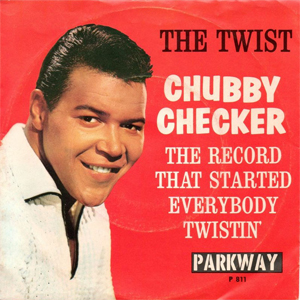
Tunes Du Jour Presents 1960

The year 1960 often gets passed over in rock history—a transitional time between the first burst of rock and roll and the cultural and musical revolutions just a few years away. But to call it sleepy is to miss the point. In fact, many of the year’s hits still reverberate today, not just as nostalgic touchstones but as enduring standards. “The Twist” by Chubby Checker launched a dance phenomenon that would ripple through pop culture for years. And “Save the Last Dance for Me” by the Drifters remains a masterclass in balancing heartbreak and sweetness—still played at weddings and in soundtracks, still finding new generations of listeners.

Ballads carried a lot of weight in 1960, and few did it better than Elvis Presley’s aching “Are You Lonesome Tonight?” or Roy Orbison’s “Only the Lonely,” which showcased his operatic vulnerability. Country narratives crossed into the mainstream with Marty Robbins’ “El Paso,” a story song that unspooled like a Western in miniature. At the other end of the spectrum, Maurice Williams & the Zodiacs’ “Stay” packed teenage yearning into a lean, irresistible one minute thirty-five seconds. And “Wonderful World” by Sam Cooke, though modest in ambition compared to some of his later work, remains a model of warmth and accessibility—a song that’s managed to feel timeless for more than six decades.

The sense of genre boundaries being tested is another hallmark of the year. Ray Charles brought gospel, blues, and pop together on his definitive reading of “Georgia on My Mind,” while Barrett Strong’s “Money (That’s What I Want)” helped lay the foundation for Motown’s impending ascent. Fats Domino’s “Walking to New Orleans” fused New Orleans rhythm with a subtle orchestral flourish, and Bobby Darin’s “Beyond the Sea” added a cosmopolitan swagger to the charts. These weren’t experiments for their own sake—they were evolutions of form, often rooted in deep tradition.

Rock’s wilder edges were still alive, though not always in the spotlight. Ike and Tina Turner’s “A Fool in Love” marked Tina’s explosive debut on the national stage—raw, commanding, and impossible to ignore. Instrumentals also carved out real estate, from the cinematic calm of Percy Faith’s “Theme From ‘A Summer Place’” to the proto-surf energy of The Ventures’ “Walk Don’t Run.” And in the novelty corner, “Itsy Bitsy Teeny Weeny Yellow Polka Dot Bikini” and “Alley Oop” proved that humor and absurdity had a place in the pop ecosystem.

So while 1960 may not have produced a defining movement, it certainly produced defining songs. These weren’t just placeholders between rock and roll’s rise and the British Invasion—they were records that resonated, sometimes quietly at first, but with a staying power that’s hard to deny. Whether filtered through covers, samples, soundtracks, or simple endurance, many of these tracks are still with us. It wasn’t a year of reinvention—but it was a year of remarkable staying power.


Follow Tunes Du Jour on Facebook

Follow me on Bluesky

Follow me on Instagram
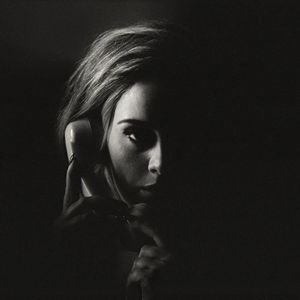
Tunes Du Jour Presents Adele

Few artists in the 21st century have managed to make vulnerability feel as commanding as Adele does. Emerging from North London with her debut album 19 in 2008, she quickly distinguished herself with a voice that carried both technical precision and emotional depth. The songs weren’t flashy or heavily produced; instead, they leaned on classic soul and singer-songwriter traditions, framing heartbreak in ways that felt both timeless and personal.

What’s notable about Adele’s rise is how she has consistently succeeded on her own terms. At a time when pop music was increasingly leaning into EDM and maximalist production, she held firm with piano ballads and slow-burning anthems. Her second album, 21, became a global phenomenon not because it chased trends, but because it tapped into something universal—loss, regret, and the ache of moving on. “Someone Like You” and “Rolling in the Deep” didn’t just climb charts; they lingered, prompting singalongs in arenas and solo tears in bedrooms alike.

Over the course of her career, Adele has kept a relatively low profile between releases, letting the music—not a nonstop media presence—do the heavy lifting. Each album (25, and more recently, 30) has arrived as a kind of chapter marker, reflecting not just shifts in her personal life but broader changes in how we listen and connect with music. Her songwriting has grown more introspective with time, more willing to sit with ambiguity rather than resolve it neatly.

Despite the accolades and massive sales, Adele has remained surprisingly unvarnished in public. There’s a candor to her interviews and a grounded quality to her stage presence that seem to resonate just as strongly as her lyrics. In an industry often defined by reinvention, Adele’s appeal may lie in her consistency—both in her sound and in her refusal to be anything but herself.

Follow Tunes Du Jour on Facebook

Follow me on Bluesky

Follow me on Instagram
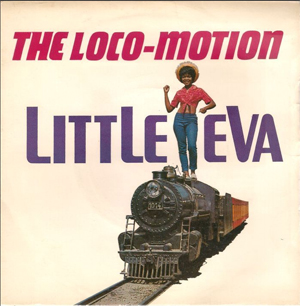
Tunes Du Jour Presents 1962

The music of 1962 wasn’t so much at a crossroads as it was following several lively paths at once. What captivated the public ranged from soul ballads to novelty records to stirrings of folk activism. Instrumentals, dance crazes, and heartfelt pop all found room on the charts. It’s this eclecticism — rather than any one dominant trend — that best characterizes the year. Yet in small ways, a few songs hinted at larger shifts to come. For example, The Tornados’ “Telstar,” the first U.S. number one by a British group, captured a sense of futuristic possibility that would soon manifest more dramatically with the Beatles and the British Invasion.

Instrumentals found their way into the spotlight in very different forms. While “Telstar” beamed into space with its shimmering, otherworldly sound, Booker T. & the MG’s grounded listeners with the earthy groove of “Green Onions.” Meanwhile, Stan Getz and Charlie Byrd’s “Desafinado” introduced many American listeners to the smoother, jazz-inflected rhythms of bossa nova — a style that would quietly influence pop and jazz recordings throughout the decade. Taken together, these instrumentals showed how musical expression could take new forms without abandoning broad popular appeal, and how lyrics weren’t always necessary to convey strong emotion.

Soul music also solidified its foundation. Sam Cooke’s “Bring It on Home to Me” and Solomon Burke’s “Cry to Me” mixed gospel roots with secular longing in ways that would help define soul music itself. Girl groups and doo-wop continued to resonate, with The Crystals’ “He’s a Rebel” and The Shirelles’ “Soldier Boy” offering different takes on devotion and defiance. Dion’s “The Wanderer” carried forward some of doo-wop’s spirit, while Gene Chandler’s “Duke of Earl” stood proudly as a bridge from doo-wop’s earlier heyday into a new era of soul and R&B. Even novelty records had staying power — Bobby “Boris” Pickett’s “Monster Mash” reached number one and, thanks to perennial Hallowe’en airplay, remains a cultural touchstone.

Folk music, too, gained traction. Peter, Paul & Mary’s debut album, featuring “If I Had a Hammer,” became one of the year’s bestsellers, spending over a month at number one. Its clean harmonies and calls for justice would help set the stage for the socially conscious folk boom led by artists like Bob Dylan, whose own debut — mostly overlooked in 1962 — was just the beginning of a rapid ascent. Meanwhile, outside the U.S., Françoise Hardy’s “Tous Les Garçons Et Les Filles” offered a moody, introspective style that would come to influence the understated emotionality of later French pop and, indirectly, certain strands of indie pop decades later.

Some of 1962’s biggest hits have proven remarkably enduring. Elvis Presley’s “Can’t Help Falling in Love,” originally from the Blue Hawaii soundtrack, has since become one of his most covered and beloved songs. The Contours’ raucous “Do You Love Me” found new life decades later with Dirty Dancing, while Carole King, years before Tapestry, scored her first chart hit as a performer with “It Might as Well Rain Until September” — even as she continued to dominate as a songwriter, co-writing Little Eva’s infectious “The Loco-Motion.” These songs from 1962 don’t just capture a moment in time; they reveal a popular music scene that was broadening and diversifying while quietly laying the groundwork for upcoming revolutions, capturing both the fleeting spirit of its moment and the lasting power of pop at its best in a year where no single trend reigned supreme.

Follow Tunes Du Jour on Facebook

Follow me on Bluesky

Follow me on Instagram
Tunes Du Jour Presents 1961

The year 1961 didn’t roar in with a musical revolution—but in hindsight, that’s part of its charm. Instead, it offered a series of small but significant steps toward what would become a much louder, wilder, and more politically charged musical landscape. If the ’50s laid the foundation for rock and R&B, then ’61 felt like a transitional hallway: not quite out of the doo-wop era, but inching toward soul, girl groups, and the unmistakable rise of youth-driven pop. Listen closely, and you can hear a generation beginning to test its voice.

The playlist for this year paints a picture of variety and crossover. Ben E. King’s “Stand by Me” combines gospel roots with a pop sensibility, creating a timeless anthem of emotional resilience. Meanwhile, The Marcels inject a doo-wop jolt into “Blue Moon,” turning a Rodgers and Hart chestnut into something utterly of the moment. And “Shop Around” by The Miracles helps define the early Motown sound—polished, melodic, and unmistakably urban—hinting at the empire Berry Gordy was quietly building in Detroit.

Pop and R&B weren’t the only sounds of 1961. The jazz world was still vibrant, and John Coltrane’s take on “My Favorite Things” stretched the familiar into something exploratory and modal, giving the Broadway tune a hypnotic new dimension. Similarly, Art Blakey’s “A Night in Tunisia” offered a fiery reminder that hard bop was far from finished. This year wasn’t just about three-minute singles on AM radio; it also made room for longer-form musical statements that spoke to listeners seeking complexity.

And then there were the voices—so many distinct, unforgettable voices. Roy Orbison’s near-operatic Crying and Patsy Cline’s aching “Crazy” each showed that vulnerability could be commercially viable. The same went for Etta James, whose rendition of “At Last” remains one of the most iconic vocal performances ever recorded. Elsewhere, the lighter side of pop was thriving with Neil Sedaka’s “Calendar Girl” and Bobby Vee’s “Take Good Care of My Baby,” songs built for teenagers who were beginning to see themselves as a cultural force.

Taken together, the music of 1961 reflects a moment in flux: the last glimmers of the 1950s still lingered, but the seeds of what would define the 1960s were clearly being planted. Whether it was Ray Charles fusing gospel and R&B on “Hit the Road Jack,” or the early stirrings of girl-group grandeur from The Marvelettes and The Shirelles, this was a year where nothing yet dominated—but everything seemed possible.

Follow Tunes Du Jour on Facebook

Follow me on Bluesky

Follow me on Instagram