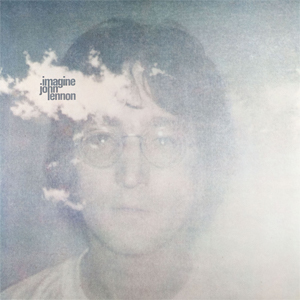
Tunes Du Jour Presents John Lennon

John Lennon’s musical legacy is a testament to his evolving artistry and the profound impact he had on popular culture. From the early days of The Beatles to his solo career, Lennon’s songs reflect a man constantly pushing boundaries and exploring new territories in music and thought.

The playlist at hand offers a glimpse into Lennon’s musical journey, starting with the youthful energy of early Beatles tracks like “Love Me Do” and “From Me To You.” These songs, with their catchy melodies and simple lyrics about love, mark the beginning of a career that would soon take unexpected turns. As The Beatles progressed, so did Lennon’s songwriting. Tracks like “Help!” and “Nowhere Man” hint at a deeper introspection, moving beyond the realm of simple pop tunes to explore more personal and complex themes.

The psychedelic era brought forth some of Lennon’s most innovative work. Songs such as “Strawberry Fields Forever,” “I Am The Walrus,” and “Lucy In The Sky With Diamonds” showcase his experimentation with sound, structure, and lyrics. These tracks, along with “Tomorrow Never Knows,” demonstrate Lennon’s willingness to push the boundaries of what was possible in popular music, incorporating influences from avant-garde and Eastern philosophy.

As the 1960s drew to a close, Lennon’s songwriting took on a more politically charged tone. “Revolution” and “Give Peace A Chance” reflect his growing activism and desire to use his platform for social change. This shift continued into his solo career, with tracks like “Imagine” and “Working Class Hero” further cementing his status as not just a musician, but a voice for his generation.

Songs like “(Just Like) Starting Over” and “#9 Dream,” reveal an artist who had found a balance between his experimental tendencies and his gift for melody. These tracks, along with the haunting “Jealous Guy,” show a more mature Lennon, one who could look back on his life and career with a mixture of nostalgia and hard-earned wisdom. Through this playlist, we see John Lennon not just as a member of The Beatles or a solo artist, but as a continuously evolving musician whose work continues to resonate with listeners decades after his untimely death.

Follow Tunes Du Jour on Facebook

Follow Tunes Du Jour on Twitter

Follow me on Instagram
Your (Almost) Daily Playlist: 10-8-24

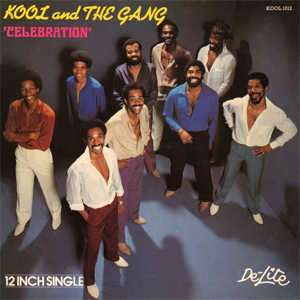
“The idea (for ‘Celebration’) originated while I was reading the Quran. I came across a passage describing God creating Adam, and the angels were rejoicing and singing praises. That led me to compose the basic chords and the line, ‘Everyone around the world, come on, let’s celebrate.’”

– Ronald Bell (a/k/a Khalis Bayyan) of Kool & the Gang

Robert “Kool” Bell (a/k/a Muhammad Bayyan), the only surviving original member of Kool & the Gang, was born on this date in 1950. Let’s celebrate!

Follow Tunes Du Jour on Facebook

Follow Tunes Du Jour on Twitter

Follow me on Instagram

Tunes Du Jour Presents Radiohead

Radiohead’s career is a journey of artistic evolution, starting with the angst of their breakout hit “Creep” and expanding into one of the most innovative and influential bands of the modern era. The raw emotion and alienation of Pablo Honey quickly gave way to the more nuanced, layered sounds of The Bends and OK Computer. Tracks like “Fake Plastic Trees” and “Karma Police” captured a generation’s disillusionment, weaving existential concerns into haunting melodies and thoughtful lyrics. These songs are iconic not just for their musicality but for their ability to resonate with listeners on a deeply personal level.

By the time Kid A arrived, Radiohead was no longer just a rock band—they had fully embraced experimentation. Tracks like “Idioteque” and “Everything In Its Right Place” pushed boundaries, blending electronic elements with their signature melancholic sound. This shift in direction could have alienated fans, but instead, it deepened their connection with a broader audience who appreciated the band’s willingness to challenge themselves and their listeners. Amnesiac and Hail to the Thief continued this experimentation, with songs like “Pyramid Song” and “There There” proving that Radiohead could evoke deep emotions while exploring complex structures.

Themes of isolation and environmental decay permeate Radiohead’s work, especially in later albums. “Burn the Witch,” from A Moon Shaped Pool, revisits these topics with a dark intensity, while “Daydreaming” and “True Love Waits” offer more subdued, introspective takes. Thom Yorke’s solo efforts, like “Dawn Chorus” and collaborations such as “This Mess We’re In” with PJ Harvey, further showcase his ability to craft deeply atmospheric soundscapes that blur the lines between genres.

Radiohead’s live performances are as legendary as their studio work. The dense layers of songs like “Reckoner” and “Jigsaw Falling Into Place” translate into immersive, sometimes overwhelming experiences on stage, while more minimalist tracks like “How to Disappear Completely” create haunting, ethereal moments that captivate audiences. Their ability to shift between these sonic extremes has cemented their reputation as one of the most dynamic live acts of their time.

Ultimately, Radiohead’s enduring influence comes from their refusal to be static. Albums like OK Computer, Kid A, and In Rainbows continue to be touchstones for listeners, while songs like “Street Spirit (Fade Out)” and “No Surprises” remind us of their uncanny ability to capture the darker aspects of the human experience. Few bands have navigated change with such grace, balancing innovation with an emotional core that never loses its impact.

Follow Tunes Du Jour on Facebook

Follow Tunes Du Jour on Twitter

Follow me on Instagram
Tunes Du Jour Presents 1979

The year 1979 was a vibrant time in popular music, characterized by disco’s stronghold on the charts and a rich variety of emerging and evolving genres. From dancefloor anthems to rock classics, the year’s hits reflected a dynamic musical landscape.

Disco reigned supreme in 1979, dominating the airwaves and nightclubs alike. Gloria Gaynor’s empowering “I Will Survive” became an instant classic, while Chic’s “Good Times” and Sister Sledge’s “We Are Family” kept dance floors packed. The genre’s influence extended far and wide, with Village People’s “Y.M.C.A.” becoming a cultural phenomenon, Donna Summer’s “Hot Stuff” showcasing disco’s enduring appeal, and Amii Stewart’s cover of “Knock on Wood” breathing new life into a soul classic. McFadden & Whitehead’s “Ain’t No Stoppin’ Us Now” and Sylvester’s “You Make Me Feel (Mighty Real)” further exemplified disco’s ability to blend uplifting messages with irresistible rhythms.

While disco flourished, rock music continued to evolve and diversify. AC/DC’s “Highway to Hell” solidified their status as the preeminent heavy metal band of the era, its raw energy and power chords setting a new standard for the genre. Dire Straits’ “Sultans of Swing” showcased a more refined, guitar-driven sound, while The Police emerged with “Message in a Bottle,” signaling the rise of post-punk. The new wave and power pop scenes gained momentum with Elvis Costello & the Attractions’ “Oliver’s Army,” The Jam’s “The Eton Rifles,” and Squeeze’s “Up the Junction” all making their mark. Meanwhile, M’s “Pop Muzik” and Blondie’s “Heart of Glass” demonstrated how disco influences could be merged with new wave sensibilities.

The year also saw the birth of iconic pop hits that would define the era. Michael Jackson’s “Don’t Stop ‘Til You Get Enough” hinted at the superstardom that awaited him, while The Knack’s “My Sharona” became an instant power pop classic. The Buggles’ prophetic “Video Killed the Radio Star” not only topped charts but would later make history as the first music video played on MTV. Earth, Wind & Fire’s “September” continued to showcase the enduring appeal of funk, while R&B ballads like Peaches & Herb’s “Reunited” and The Commodores’ “Still” made significant impacts on the pop charts.

As 1979 drew to a close, the musical landscape was rich and varied. While disco maintained its grip on popular culture, the seeds of change were being sown. The diversity of the year’s hits, from Charlie Daniels Band’s country crossover “The Devil Went Down to Georgia” to Rickie Lee Jones’ jazz-influenced “Chuck E’s In Love,” stood out against the backdrop of disco and straightforward pop tunes. This musical variety, along with emerging studio technologies and evolving artist expressions, set the stage for the significant shifts that would characterize the sound of the coming decade.

Follow Tunes Du Jour on Facebook

Follow Tunes du Jour on Twitter

Follow me on Instagram

Tunes Du Jour Presents 1957

The year 1957 stands as a pivotal moment in the evolution of popular music, where rock ‘n’ roll, rhythm and blues, and even a touch of jazz converged to create a soundtrack that would resonate for decades. The hits of the year showcase not only the diverse range of genres but also the rise of some of the most influential voices in music history. A prime example is The Crickets’ “That’ll Be the Day,” a track that embodies the early rock ‘n’ roll spirit, blending Buddy Holly’s unmistakable vocal delivery with a catchy, driving beat. It’s a song that helped shape the sound of the era.

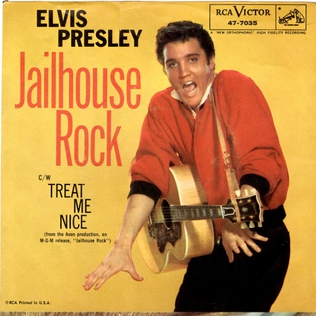
Elvis Presley’s “Jailhouse Rock” is another cornerstone of 1957, with its infectious energy and rebellious attitude. Presley was at the height of his powers, blending rock, blues, and a hint of swagger that would influence generations of performers. Meanwhile, Fats Domino’s “Blueberry Hill” offered a smoother, more melodic contrast. Domino’s effortless combination of rhythm and blues with pop sensibility helped bridge the gap between different audiences, securing his place as one of the genre’s pioneers.

But 1957 wasn’t just about rock ‘n’ roll—it was a year that embraced the full spectrum of American music. Take Harry Belafonte’s “Day-O (Banana Boat Song),” a calypso tune that brought Caribbean sounds to mainstream audiences. Similarly, the soulful ballad “You Send Me” by Sam Cooke introduced a voice that would soon come to define soul music. Cooke’s ability to combine gospel roots with pop elegance opened the doors for future R&B artists.

The variety of sounds continued with tracks like “Whole Lotta Shakin’ Goin’ On” by Jerry Lee Lewis and “Lucille” by Little Richard, both of which pushed the boundaries of what rock music could be with their raw energy and wild performances. On the other end of the spectrum, Ella Fitzgerald and Louis Armstrong’s rendition of “Summertime” added a jazzy sophistication to the year’s musical offerings, reminding listeners that timeless standards still had a place in the changing musical landscape.

Ninety fifty-seven was a year when rock ‘n’ roll solidified its place in popular culture, while artists from various genres continued to innovate and inspire. Whether through the heartfelt croon of Johnny Mathis on “Chances Are” or the rough-edged blues of Muddy Waters’ “Got My Mojo Working,” the music of this year still echoes today as a testament to a time when creativity flourished across musical boundaries.

Your (Almost) Daily Playlist: 9-29-24

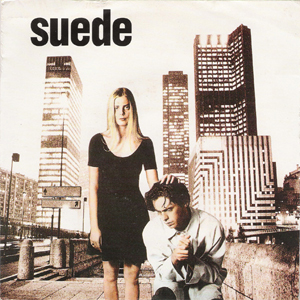
Shortly after British rock band Suede released their debut album in the US in 1993, they encountered a trademark issue. An American lounge singer named Suzanne deBronkart had been performing under the name “Suede” since the 1980s and had already trademarked the name for musical performances in the US. She sued for trademark violation.

Two years later, the British band reluctantly agreed to use the name “The London Suede” for all their US releases and performances. This compromise allowed them to maintain their original name in other parts of the world while respecting the existing trademark in the United States.

This name change applied to all their album releases, merchandise, and concert promotions in the US throughout their career.

(The London) Suede’s Brett Anderson was born on this date in 1967. A handful of the band’s tracks are included on today’s playlist.

Tunes Du Jour Presents The Drifters

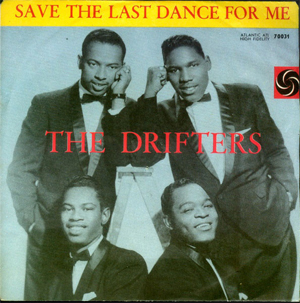
The Drifters, known for their timeless hits, were more than just a vocal group—they were a revolving door of talent, innovation, and influence. Their manager, George Treadwell, famously owned the rights to the group’s name, allowing him to replace members as he saw fit. This created a unique dynamic in which the lineup of The Drifters was constantly evolving, but the sound remained consistent, thanks to brilliant vocalists like Clyde McPhatter, Ben E. King, and later, Johnny Moore. The shifting roster didn’t diminish the group’s success; rather, it seemed to fuel their ability to adapt to the changing music landscape of the late 1950s and early 1960s.

Before joining The Drifters, Clyde McPhatter was the usual lead singer for Billy Ward and the Dominoes, contributing to their early success with his distinctive, gospel-infused voice. Songs like “Have Mercy Baby” and “The Bells” highlighted his emotional delivery and vocal range, setting the stage for what would come next in his career. His time with the Dominoes laid the foundation for the innovative sound he would help bring to The Drifters, marking a pivotal moment in his development as one of R&B’s greatest vocalists.

The Drifters were trailblazers in many respects. Songs like “There Goes My Baby” brought orchestration into the realm of rhythm and blues, breaking new ground by blending classical strings with a soulful vocal performance. Similarly, “On Broadway” and “Up on the Roof” captured urban life’s glamour and grit, weaving storytelling with lush, intricate harmonies. The songs’ productions were often grand and ambitious, thanks in part to producers like Jerry Leiber and Mike Stoller, who knew how to balance pop accessibility with artistic flair.

The influence of The Drifters extended beyond their chart success. Ben E. King’s solo work, such as the universally beloved “Stand By Me” and “Spanish Harlem,” grew from the soulful foundation he helped build with The Drifters. Clyde McPhatter’s solo career also flourished with hits like “A Lover’s Question” and “Without Love (There Is Nothing),” which showcased his soaring voice. Their work as both individuals and part of the group helped shape the sound of R&B and soul music for years to come.

Another fascinating aspect of The Drifters was the way they handled romantic themes. Hits like “Save the Last Dance for Me” and “This Magic Moment” masterfully conveyed the highs and lows of love, set to irresistible melodies that have since become part of the Great American Songbook. The group’s ability to evoke deep emotion, whether it was longing, joy, or heartache, made their music resonate across generations. The universal appeal of songs like “Under the Boardwalk” further solidified their legacy.

The Drifters’ story is a testament to the power of adaptability. Though they were often a group in flux, the quality of their music never wavered. By blending innovation with a revolving door of vocal talent, they left an indelible mark on popular music. Whether you’re drawn to the lush productions, the heartfelt lyrics, or the seamless harmonies, The Drifters’ catalog remains a treasure trove of R&B brilliance.