
Celebrating Santigold’s birthday today by including a handful of her songs on the playlist.
Celebrating Santigold’s birthday today by including a handful of her songs on the playlist.
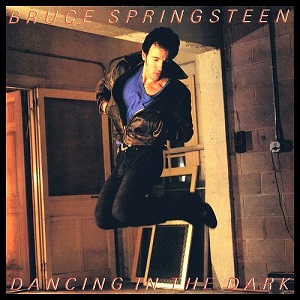
Few artists have captured the American experience as vividly and authentically as Bruce Springsteen. With a career spanning over five decades, “The Boss” has crafted a body of work that resonates with millions, chronicling the hopes, struggles, and dreams of working-class America. While a 30-song playlist can offer a glimpse into Springsteen’s artistry, it barely scratches the surface of his vast and nuanced catalogue.
From the youthful exuberance of “Born to Run” to the somber reflection of “Streets of Philadelphia,” Springsteen’s music embodies a range of emotions and experiences. His early works, such as “Rosalita (Come Out Tonight)” and “Thunder Road,” burst with the energy of youth and the promise of escape. As his career progressed, songs like “The River” and “My Hometown” delved deeper into the complexities of adulthood and the weight of responsibility.
Springsteen’s ability to craft character-driven narratives is evident in tracks like “The Ghost of Tom Joad” and “Atlantic City.” These songs, along with many others, paint vivid portraits of individuals facing adversity, reflecting broader societal issues through personal stories. His music often serves as a voice for the voiceless, addressing topics such as economic hardship, war, and social injustice.
While Springsteen’s rock anthems like “Born in the U.S.A.” and “Glory Days” have become cultural touchstones, it’s important to note the depth and diversity of his musical style. From the introspective folk of “I’m On Fire” to the soul-influenced “Hungry Heart,” Springsteen has continually evolved his sound while maintaining his distinctive storytelling approach.
Beyond his musical contributions, Springsteen is also known for his philanthropic efforts. He has consistently used his platform to support various causes, including veteran’s rights, LGBTQ+ equality, and food banks. His commitment to social justice is not only evident in his charitable work but also woven into the fabric of his music, as exemplified by songs like “The Rising,” which offered hope and healing in the aftermath of 9/11. Bruce Springsteen’s enduring legacy lies not just in his music, but in his unwavering dedication to giving voice to the American experience in all its complexity.
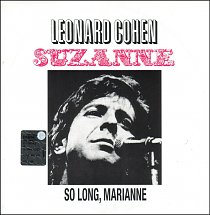
Leonard Cohen’s music holds a rare place in popular culture, weaving together poetry, spirituality, and a reflective take on human frailty. His ability to navigate profound themes of love, loss, and longing is evident across his catalog. Take “Suzanne,” one of his earliest and most enduring songs, where Cohen fuses romantic yearning with spiritual overtones. His lyrics, always precise, evoke intimate moments that feel both deeply personal and universal. “So Long, Marianne” offers a similar balance, with its reflective yet warm farewell to a past lover, capturing Cohen’s gift for turning life’s farewells into something poetic.
It’s impossible to talk about Cohen without mentioning “Hallelujah,” a song that has been interpreted countless times, but it’s his original version that remains a complex exploration of faith and doubt. While it may have been covered to the point of ubiquity, Cohen’s rendition holds a quiet intensity, never overselling the emotion, but allowing the listener to find their own place within the song’s deeply human contradictions.
Cohen was often as much a philosopher as he was a songwriter, and “You Want It Darker,” from his final album, stands as a testament to this. The song, released shortly before his death, feels like a stark and meditative final statement, confronting mortality head-on without flinching. Yet, Cohen never fully wallows in despair—songs like “Dance Me to the End of Love” and “Tower of Song” remind us of his wit and the subtle humor that often appeared in his work, even when tackling life’s heavier topics.
Beyond his introspective ballads, Cohen ventured into political commentary, as seen in “The Future” and “Democracy.” These songs, though written decades ago, feel eerily prescient today, as Cohen critiques societal decay with the same sharpness he uses to dissect personal relationships. “First We Take Manhattan” mixes defiance with a sense of foreboding, and “Everybody Knows” similarly casts a cynical eye on the world’s broken promises.
Even in his later years, Cohen’s voice—both literally and metaphorically—grew deeper and richer. Songs like “Going Home” and “Happens to the Heart” reflect a man nearing the end of his journey, but still curious, still searching. He never stopped asking the big questions, and in the process, Cohen gave his audience not just songs, but reflections on what it means to be alive, to love, to suffer, and ultimately, to accept it all.

As Hispanic Heritage Month continues, I’m excited to share a curated playlist that showcases the rich tapestry of Hispanic and Latinx music. This collection of 30 songs is not meant to be an exhaustive representation of all contributions from those of Hispanic descent—such a task would be impossible given the vast and diverse musical landscape. Instead, it serves as a vibrant sampler, offering a glimpse into the variety and brilliance of Hispanic and Latinx artistry across genres and generations.
From the infectious rhythms of salsa and reggaeton to the soulful strains of bolero and mariachi, this playlist traverses a wide musical terrain. It features iconic tracks that have become global phenomena, such as Los Del Rio’s “Macarena” and Luis Fonsi and Daddy Yankee’s “Despacito,” alongside lesser-known gems that deserve wider recognition. The selection spans decades, honoring both the pioneers who paved the way and the contemporary artists who continue to innovate and push boundaries.
As you listen, you’ll encounter the legendary Carlos Santana’s fusion of rock and Latin rhythms in “Oye Como Va,” the timeless “La Bamba” by Ritchie Valens, and the groundbreaking jazz of Mongo Santamaría’s “Watermelon Man.” The playlist also celebrates more recent contributions, including Bad Bunny’s “MONACO” and ROSALÍA’s “SAOKO,” demonstrating the ongoing evolution and global impact of Hispanic and Latinx music.
It’s important to note that this playlist merely scratches the surface of the immense contributions Hispanic and Latinx artists have made to the world of music. Each song represents a gateway to exploring entire genres, regional styles, and artistic movements. I encourage listeners to use this playlist as a starting point for further discovery, delving deeper into the rich musical heritage it represents.
As we celebrate Hispanic Heritage Month, let this playlist serve as a reminder of the incredible diversity, creativity, and influence of Hispanic and Latinx musicians. It’s a testament to the power of music to transcend borders, unite cultures, and enrich our global artistic tapestry. We hope you enjoy this musical journey and that it inspires you to continue exploring the vast world of Hispanic and Latinx music long after the playlist ends.
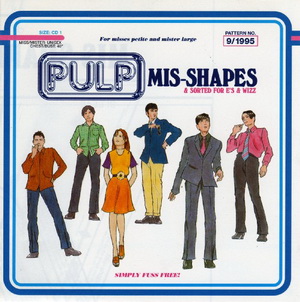
Lots of Pulp on the playlist today, the birthday of Pulp’s Jarvis Cocker.
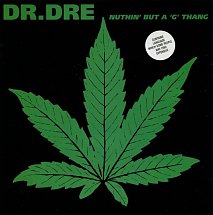
The music of 1993 was a vibrant mix of genres and styles that reflected the diverse cultural landscape of the early ’90s. This year saw the continued dominance of hip-hop, the rise of alternative rock, and the evolution of pop music, all while established artists pushed their creative boundaries.
Hip-hop was undeniably a driving force in 1993’s musical landscape. Dr. Dre featuring Snoop Dogg’s “Nuthin’ but a G Thang,” with its laid-back groove, epitomized the G-funk sound that defined West Coast rap. Ice Cube’s “It Was a Good Day” painted a vivid picture of a perfect day in the hood, showcasing the humor and storytelling skills that made him a beloved figure in the rap world. Meanwhile, East Coast artists like Wu-Tang Clan made their mark with the gritty “Protect Ya Neck.” The genre’s influence extended beyond coastal rivalry, with Naughty By Nature’s “Hip Hop Hooray” and Tag Team’s “Whoomp! (There It Is)” becoming nationwide party anthems.
Alternative rock continued its ascent into the mainstream. Radiohead’s “Creep” showcased the band’s angsty beginnings, its melancholic melody and introspective lyrics striking a chord with those struggling with feelings of inadequacy, while Rage Against the Machine’s “Killing in the Name,” a powerful anthem of rebellion, its aggressive sound and socially conscious lyrics that captured the angst and disillusionment of a generation, sparking protests and inspiring a generation of activists, brought politically charged rap-rock to the forefront. R.E.M., already established icons, delivered an anthem for those seeking comfort through emotional vulnerability with the poignant “Everybody Hurts.” Blind Melon’s “No Rain” became an iconic track with its unforgettable music video, featuring the “bee girl” that resonated with audiences worldwide. The year also saw the emergence of Britpop with Blur’s “For Tomorrow” and Suede’s “Animal Nitrate” hinting at the UK’s impending musical revolution.
Pop music in 1993 was anything but one-note. Janet Jackson’s “That’s the Way Love Goes” exemplified smooth R&B-infused pop, while Madonna continued to push boundaries with “Deeper and Deeper,” blending house music with her signature pop style. Whitney Houston’s cover of “I’m Every Woman” breathed new life into a classic, and Prince continued to defy categorization with “7.”
Nineteen ninety-three also saw female artists making bold statements across genres. PJ Harvey’s raw “Rid of Me,” Björk’s ethereal “Venus as a Boy,” and Liz Phair’s unapologetic “Fuck and Run” challenged conventions and expanded the scope of women’s voices in rock. In the realm of hip-hop, Salt-N-Pepa’s “Shoop” showcased women owning their sexuality, while Bikini Kill’s “Rebel Girl” became an anthem for the riot grrrl movement.
The year also highlighted the genre-blending creativity that would come to define the decade. Digable Planets’ “Rebirth Of Slick (Cool Like Dat)” brought jazz-rap into the mainstream, showcasing hip-hop’s versatility and its ability to incorporate sophisticated musical elements. This fusion of styles demonstrated how artists were increasingly willing to experiment and push the boundaries of their respective genres, setting the stage for the eclectic musical landscape that would unfold throughout the rest of the 1990s.
From the gritty sounds of West Coast hip-hop to the introspective lyrics of alternative rock, from the bold statements of female artists across genres to the genre-bending experiments that defied classification, the music scene of 1993 was bursting with creativity. This rich variety not only reflected the cultural zeitgeist of the early ’90s but also laid the groundwork for the musical evolution that would define the rest of the decade and beyond.
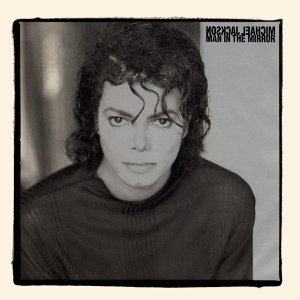
September is Self Improvement Month. Hear are 30 songs to inspire you to become your best self.

Today is the birthday of Ben Folds. A handful of his tunes are included on today’s playlist.
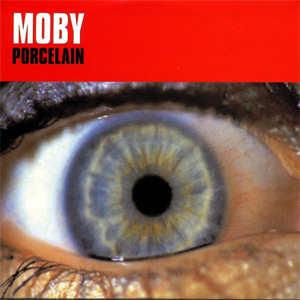
Today is Moby’s birthday. A buncha Moby tracks are included on today’s playlist.
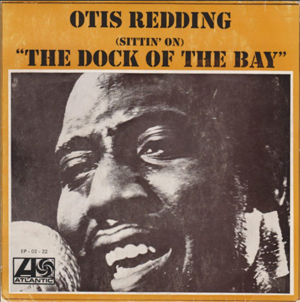
Otis Redding’s voice was a force of nature, a powerful instrument that could convey raw emotion with an authenticity few others have matched. His career, though tragically short, left an indelible mark on the landscape of soul music and popular culture at large. From his early days at Stax Records to his posthumous hit “(Sittin’ On) The Dock of the Bay,” Redding’s journey is a testament to the enduring power of genuine artistry.
Redding’s discography reads like a primer on soul music. Songs like “Try a Little Tenderness” and “I’ve Been Loving You Too Long (To Stop Now)” showcase his ability to infuse ballads with deep, heartfelt emotion. These slower numbers allowed Redding to demonstrate the full range of his vocal prowess, from gentle crooning to impassioned pleas. On the flip side, uptempo tracks such as “Respect” (later famously covered by Aretha Franklin) and “Satisfaction” (a dynamic reinterpretation of the Rolling Stones hit) reveal Redding’s capacity for energetic, groove-driven performances that could electrify audiences.
The Stax sound, characterized by its raw, unpolished edge, found its perfect avatar in Redding. Songs like “Mr. Pitiful” and “Fa-Fa-Fa-Fa-Fa (Sad Song)” epitomize this aesthetic, with their prominent horn sections and Redding’s gritty vocals front and center. His unique collaboration with Carla Thomas, the only artist with whom he shared official record credits, produced memorable tracks like “Tramp” and “Knock On Wood.” This partnership not only added a new dimension to Redding’s discography but also demonstrated his ability to create dynamic musical dialogues, further cementing his place in the pantheon of soul music.
Redding’s artistry was marked by his ability to bring fresh interpretations to familiar songs, breathing new life into soul classics and pop hits alike. His renditions of “My Girl” (originally by The Temptations) and “Wonderful World” (popularized by Sam Cooke) showcase his talent for reinvention, infusing these well-known tracks with his distinctive style and emotional depth. Even when covering songs from other genres, Redding demonstrated an uncanny ability to make each song unmistakably his own. His live performances, exemplified by tracks like the energetic rendition of James Brown’s “Papa’s Got A Brand New Bag,” were legendary for their intensity and crowd engagement, further solidifying his reputation as a dynamic and versatile artist.
Tragically, Redding’s life was cut short in a plane crash in 1967, just as he was reaching the height of his powers. His final recording, “(Sittin’ On) The Dock of the Bay,” released posthumously, became his biggest hit and a fitting capstone to a remarkable career. The song’s wistful tone and innovative style (including its famous whistled outro) hinted at new directions Redding might have explored had fate allowed. Today, his music continues to resonate with listeners, a testament to the timeless quality of his artistry and the depth of emotion he brought to every performance.