
Ben Gibbard of Death Cab For Cutie and The Postal Service was born on this date in 1976. You’ll hear a lot of his music on today’s playlist.
Ben Gibbard of Death Cab For Cutie and The Postal Service was born on this date in 1976. You’ll hear a lot of his music on today’s playlist.

Lots of Whitney Houston on the playlist today, the 61st anniversary of her birth.
Lots of songs by U2 on today’s playlist, as group member The Edge celebrates a birthday today.
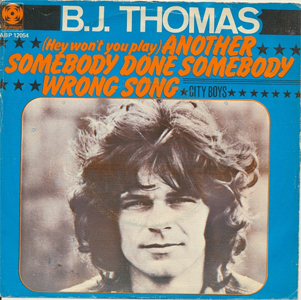
The late B.J. Thomas was born on this date in 1942. A few of his hits are included on today’s playlist.
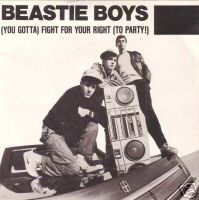
From the raucous “(You Gotta) Fight for Your Right (To Party!!!)” to the genre-bending “Intergalactic,” Beastie Boys left an indelible mark on popular music. This New York trio revolutionized hip-hop by infusing it with punk rock energy, witty lyricism, and an eclectic sampling technique. Their discography, spanning tracks like the adrenaline-fueled “Sabotage” and the old-school flavored “Paul Revere,” showcases their ability to evolve while maintaining their signature sound.
The group’s musical journey is a testament to their versatility. Early hits like “No Sleep Till Brooklyn” and “Brass Monkey” established them as party-starting provocateurs. However, albums like Check Your Head and Ill Communication saw them integrating live instrumentation, as evidenced in tracks such as “So What’cha Want” and “Root Down.” This willingness to experiment kept their sound fresh and unpredictable, earning them critical acclaim and a devoted fan base.
Beyond their musical innovations, Beastie Boys also used their platform for social good. The group became increasingly socially conscious over time, addressing issues of diversity and inclusion in their work. “Sure Shot” famously features the line “I want to say a little something that’s long overdue / The disrespect to women has got to be through,” signaling a shift from their earlier, more problematic lyrics. They also supported various charitable causes, including the efforts to rebuild New York City after 9/11. They were vocal supporters of the Milarepa Fund, which worked to promote awareness and activism concerning the Tibetan independence movement. The group organized and headlined the Tibetan Freedom Concert series, which ran from 1996 to 2001, raising both funds and awareness for the cause. This dedication to using their influence for positive change became a defining aspect of their later career. As we look back on their legacy, tracks like “Make Some Noise” and “Don’t Play No Game That I Can’t Win” remind us of the Beastie Boys’ enduring relevance. Their journey from bratty rappers to socially conscious artists mirrors the growth many of their fans experienced alongside them. By consistently pushing boundaries in their music and their activism, Beastie Boys proved that it’s possible to evolve, entertain, and educate all at once.

Today is International Hangover Day. Celebrate accordingly. Here’s your inspired by playlist:

The year 1987 stands out as a significant moment in music history, marked by a diverse array of singles that have maintained their appeal over the decades. This year saw the release of songs that would go on to define careers, shape genres, and become enduring favorites.
The pop landscape of 1987 was populated by distinctive vocalists and memorable melodies. Whitney Houston’s exuberant “I Wanna Dance With Somebody (Who Loves Me)” captured the essence of joy in music, while George Michael’s “Faith” showcased his evolution as a solo artist. Madonna continued her prominence with “Open Your Heart,” demonstrating her knack for combining catchy hooks with provocative themes. Michael Jackson’s “Bad” further cemented his status as a pop icon, blending funk and rock elements with his signature vocal style.
Rock music saw bands crafting anthems and pushing creative boundaries. U2’s “With or Without You” exemplified their ascent to global recognition, its atmospheric sound and emotional depth marking a new era for the band. Bon Jovi’s “Livin’ on a Prayer” became a quintessential rock anthem, its narrative of perseverance resonating widely. R.E.M.’s “The One I Love” signaled their transition from college rock darlings to mainstream success. Bruce Springsteen’s “Brilliant Disguise” showcased his storytelling prowess, while Peter Gabriel’s “Big Time” continued his innovative approach to both music and video.
The year also saw the continued evolution of electronic and alternative music. New Order’s “True Faith” merged dance beats with introspective lyrics, creating a template for future electronic pop. Pet Shop Boys’ “It’s a Sin” demonstrated the potential for electronic music to tackle serious themes, while The Cure’s “Why Can’t I Be You?” showed how alternative bands could create irresistibly catchy tunes without compromising their unique sound. The Smiths’ “Girlfriend in a Coma” exemplified Morrissey and Johnny Marr’s ability to blend dark humor with infectious melodies.
1987 was a landmark year for hip-hop and R&B. The Beastie Boys’ “(You Gotta) Fight for Your Right (To Party!!!)” fused punk rock attitude with hip-hop and heavy metal styles, helping to bring rap to a wider audience. Eric B. & Rakim’s “I Know You Got Soul” set new standards for technical proficiency and lyrical complexity in hip-hop. In R&B, Anita Baker’s “Caught Up in the Rapture” showcased her sophisticated, jazz-influenced style.
The year also saw notable releases from established artists exploring new territories. Prince’s “Sign ‘☮’ The Times” demonstrated his musical versatility and social consciousness, while Paul Simon’s “You Can Call Me Al” incorporated South African musical elements, reflecting the growing interest in global music.
Nineteen eighty-seven produced an impressive number of singles that have maintained their popularity over time. From pop to rock, R&B to alternative, the year offered a variety of sounds and styles that continue to resonate. The enduring appeal of these tracks speaks to the creativity and talent that was evident in this notable year of musical history.
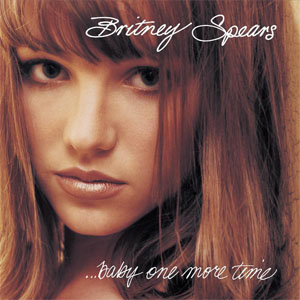
As we look back on the musical landscape of 1999, it’s hard not to be struck by the sheer diversity and quality of singles that dominated the charts and airwaves. Straddling the end of one millennium and the dawn of another, this year produced an extraordinary array of hits that continue to resonate with listeners today.
Pop music was in full force, with young stars like Britney Spears and the Backstreet Boys delivering earworms that would define the era. Spears’ debut “…Baby One More Time” and the Boys’ “I Want It That Way” became instant classics, their catchy hooks and polished productions setting a new standard for pop perfection. Meanwhile, Latin pop exploded onto the mainstream scene with Ricky Martin’s irresistible “Livin’ la Vida Loca,” a song that seemed to capture the exuberant spirit of the times.
But 1999 wasn’t just about glossy pop. Hip-hop continued its ascent, with Jay-Z’s “Hard Knock Life (Ghetto Anthem)” showcasing the genre’s growing crossover appeal. Eminem burst onto the scene with “My Name Is,” his irreverent wordplay and controversial persona signaling a new direction for rap. R&B, too, had a strong showing, with TLC’s “No Scrubs” becoming an anthem of female empowerment and Lauryn Hill’s “Ex-Factor” demonstrating the genre’s capacity for emotional depth.
Rock music, far from being overshadowed, produced some of the year’s most enduring tracks. The Red Hot Chili Peppers’ “Scar Tissue” showcased their evolving sound, while The Offspring’s “Pretty Fly (For a White Guy)” brought punk-pop humor to the masses. Alternative and indie acts like The Flaming Lips and Mercury Rev pushed boundaries with “Race for the Prize” and “Goddess on a Highway” respectively, proving that innovative songwriting could still find a place in the mainstream.
Electronic music also made significant inroads in 1999. Fatboy Slim’s “Praise You” and The Chemical Brothers’ “Hey Boy Hey Girl” brought big beat to the forefront, while Moby’s “Why Does My Heart Feel So Bad?” hinted at electronic music’s potential for emotional resonance. From the dancefloor-filling “Sing It Back” by Moloko to the avant-garde “Windowlicker” by Aphex Twin, electronic artists were expanding the sonic possibilities of popular music in exciting ways.
The singles of 1999 paint a picture of a music industry in flux, embracing new sounds and technologies while still celebrating the timeless art of the perfectly crafted pop song. It was a year that laid the groundwork for the musical landscape of the 21st century, producing hits that continue to inspire and entertain listeners a quarter-century later.
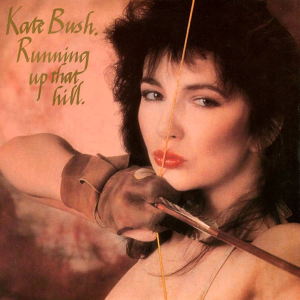
Kate Bush’s career spans over four decades, marked by her distinctive voice, innovative songwriting, and boundary-pushing artistry. From her debut in the late 1970s to her recent resurgence, Bush has consistently captivated audiences with her unique blend of art rock, progressive pop, and literary-inspired narratives.
Bush burst onto the scene with “Wuthering Heights,” a haunting ode to Emily Brontë’s classic novel. This early hit showcased her ability to weave complex storytelling into infectious melodies, a skill that would become her hallmark. As her discography expanded, so did her musical palette. Albums like Hounds of Love and The Sensual World demonstrated her evolving sound, incorporating world music influences and experimental production techniques.
Throughout her career, Bush has explored a wide range of themes in her music. From the deeply personal introspection of “This Woman’s Work” to the environmentally conscious “Breathing,” her lyrics often tackle weighty subjects with poetic grace. Her collaborations, such as “Don’t Give Up” with Peter Gabriel, further highlight her versatility as an artist and her ability to complement other voices while maintaining her distinct style.
Bush’s influence extends far beyond her chart success. Her theatrical performances, innovative use of technology in music production, and fiercely independent approach to her career have inspired generations of artists across genres. Songs like “Running Up That Hill” and “Cloudbusting” continue to resonate with new audiences, testament to the timeless quality of her work.
As we look back on Kate Bush’s career through the lens of her extensive discography, from early gems like “The Man with the Child in His Eyes” to later works such as “King of the Mountain” and “Wild Man,” it’s clear that her artistic vision has remained consistently bold and unapologetically unique. Kate Bush’s legacy in popular music is not just about hit songs or record sales, but about pushing the boundaries of what pop music can be – a true fusion of sound, story, and spectacle.