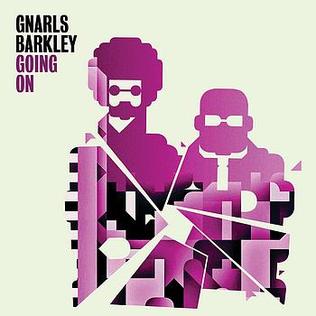
“You ask me why we’re called Gnarls Barkley and I’m asking you ‘why not?’ The name Gnarls Barkley isn’t anchored down. It’s a drifter. A High Plains drifter, I might add.” – CeeLo Green
“There’s no story behind it. The name doesn’t have anything to do with anything.” – Danger Mouse
Gnarls Barkley’s Danger Mouse was born Brian Burton on this date in 1977. A handful of their songs are included on today’s playlist.
The music of 2001 offered listeners a diverse array of sounds, reflecting the eclectic tastes and creative experimentation prevalent at the turn of the millennium. From hip-hop’s continued evolution to electronic music’s broader appeal, the year’s musical landscape was characterized by a spirit of innovation and cross-genre pollination. While not necessarily revolutionary, 2001’s musical offerings showcased artists pushing boundaries and audiences embracing fresh sounds across multiple genres.
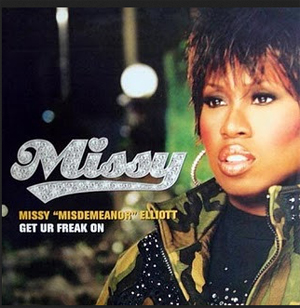
At the forefront of this sonic revolution was Missy Elliott’s “Get Ur Freak On,” a track that redefined hip-hop with its bold beats and futuristic soundscapes. Elliott’s unique style blended traditional hip-hop with global influences, introducing a raw, hyper-sexualized energy that was both provocative and empowering. This era also saw the rise of Jay-Z with “Izzo (H.O.V.A.),” a masterclass in braggadocio that solidified his status as one of rap’s most influential figures. Meanwhile, newcomer Alicia Keys made her mark with the soulful “Fallin’,” combining classical piano with soulful vocals to create a fresh voice in R&B that earned her critical acclaim and multiple awards.
Electronic music found its way into the mainstream consciousness with Daft Punk’s “One More Time,” a euphoric dance anthem that transcended the dance floor, bridging the gap between underground rave culture and pop sensibilities. This electronic influence seeped into other genres as well, with acts like Gorillaz blending hip-hop, rock, and electronica on their debut hit “Clint Eastwood.” The cross-pollination of genres was further exemplified by Eve and Gwen Stefani’s collaboration on “Let Me Blow Ya Mind,” a standout track that seamlessly merged rap and pop elements.
Rock music in 2001 was marked by both innovation and nostalgia. Radiohead continued to push boundaries with the haunting “Pyramid Song,” a complex composition that resonated with fans and critics alike. Meanwhile, bands like The Strokes and The White Stripes led a garage rock revival with “The Modern Age” and “Hotel Yorba” respectively, influencing a new generation of bands. System of a Down’s “Chop Suey!” delivered a powerful mix of metal and alternative rock, addressing themes of life and death with intense energy. Veterans weren’t left behind, as evidenced by Bob Dylan’s “Mississippi” and R.E.M.’s “Imitation of Life,” both of which showcased the enduring relevance of established artists.
The pop landscape of 2001 was equally dynamic, with artists like Britney Spears (“I’m a Slave 4 U”) and P!nk (“Get The Party Started”) dominating the airwaves with infectious hooks and undeniable energy. Janet Jackson’s “All for You” brought a feel-good vibe with its upbeat tempo and catchy chorus. This era also saw the last major hit from Michael Jackson during his lifetime, “You Rock My World.” From the reggae-pop fusion of Shaggy’s “It Wasn’t Me” to the unexpected success of Afroman’s “Because I Got High,” 2001 offered a rich and varied soundtrack that balanced humor with storytelling, demonstrating that sometimes a catchy hook and a good story are all you need to make a hit. In retrospect, 2001 was a pivotal year that saw the emergence of new stars, the redefinition of established genres, and a time when music felt refreshingly unpredictable, with artists boldly experimenting and audiences eagerly embracing the new and unfamiliar.
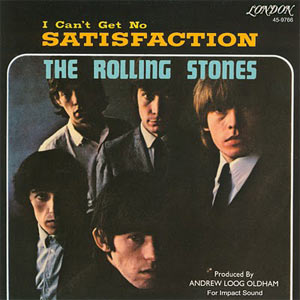
Trying to encapsulate The Rolling Stones’ career in five paragraphs and 30 songs is a fool’s errand, so I’m going to skip the former and submit the latter, acknowledging it’s incomplete.
As the new decade dawned, 1981 emerged as a year of significant musical transformation. The eclectic mix of songs that defined this period reflected a music industry in flux, with established genres evolving and new sounds emerging to captivate listeners across the globe.
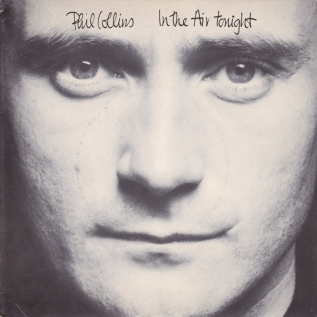
Rock music continued to hold its ground, adapting to the changing times. The Rolling Stones proved their enduring relevance with the gritty “Start Me Up,” while Journey’s “Don’t Stop Believin'” became an arena rock anthem that would stand the test of time. Bruce Springsteen’s “The River” showcased his storytelling prowess, and Phil Collins’ “In The Air Tonight” introduced a new dimension of atmospheric rock with its iconic drum break. George Harrison’s “All Those Years Ago,” a touching tribute to John Lennon, marked Harrison’s first U.S. top ten single in eight years, demonstrating the lasting appeal of the former Beatles.
New Wave and post-punk sounds flourished in 1981, pushing boundaries and incorporating electronic elements. Talking Heads’ “Once in a Lifetime” demonstrated the genre’s art-rock leanings, while The Go-Go’s brought a pop sensibility to new wave with “Our Lips Are Sealed.” Duran Duran’s “Girls on Film” hinted at the new romantic movement that was gaining traction. The Psychedelic Furs’ “Pretty in Pink,” with its blend of post-punk edge and pop accessibility, showcased Richard Butler’s distinctive vocals and would later inspire and lend its name to a defining film of the ’80s.
The year also saw the emergence of hip-hop as a force in popular music. Blondie’s “Rapture” became the first song featuring rap vocals to reach number one on the U.S. Billboard Hot 100, fusing new wave with hip-hop influences. Meanwhile, Grandmaster Flash’s innovative “The Adventures of Grandmaster Flash on the Wheels of Steel” was one of the first records to extensively use sampling, laying the groundwork for hip-hop’s future.
Dance music was evolving beyond disco into new, exciting forms. Grace Jones’ “Pull Up to the Bumper” blended funk, new wave, and reggae influences, pointing towards a more eclectic and experimental future for club music. Taana Gardner’s “Heartbeat” helped define the emerging genre of garage house with its stripped-down beat and soulful vocals. Kool & the Gang’s “Celebration” remains a party staple, bridging the gap between disco and contemporary R&B.
In the realm of R&B and funk, Luther Vandross’ “Never Too Much” marked the acclaimed background vocalist’s first hit under his own name, showcasing his smooth, sophisticated style. Rick James pushed funk to new heights with “Super Freak,” incorporating rock elements and a memorable synth line that would be sampled for years to come. The Pointer Sisters’ “Slow Hand” kept R&B smooth and soulful.
1981 also witnessed the continued rise of synth-pop and electronic music. Heaven 17’s politically charged “(We Don’t Need This) Fascist Groove Thang” and New Order’s “Ceremony” showcased the genre’s range from danceable pop to moody post-punk.
As some artists embraced new sounds, others used music to comment on social issues. The Specials’ “Ghost Town” reflected the urban decay and racial tensions in Britain, while Black Flag’s hardcore punk anthem “Rise Above” railed against societal norms. Prince’s “Controversy” challenged listeners both musically and lyrically, blending funk, rock, and new wave while tackling taboo subjects and questioning social norms, hinting at the boundary-pushing artist he would become.
From the chart-topping pop of Kim Carnes’ “Bette Davis Eyes” and Olivia Newton-John’s “Physical” to ABBA’s emotionally charged ballad “The Winner Takes It All,” 1981 was a year of contrasts and transitions. It was a time when established stars adapted to new trends, emerging artists made their mark, and genres blended in exciting ways. This rich musical landscape set the stage for the diverse and innovative sounds that would define the rest of the decade, making 1981 a pivotal year in the evolution of popular music.
The year 1978 was a pivotal moment in music history, showcasing a striking contrast between the mainstream hits dominating the airwaves and the underground sounds bubbling beneath the surface. This year offered a rich assortment of genres, from disco and pop ruling the charts to punk and new wave carving out their own rebellious niches.
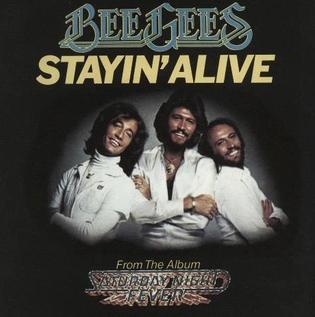
Disco was undoubtedly the dominant force in popular music. The Bee Gees’ “Stayin’ Alive” became an anthem of the era, while Chic’s “Le Freak,” A Taste of Honey’s “Boogie Oogie Oogie,” Donna Summer’s “Last Dance,” and Alicia Bridges’ “I Love the Nightlife (Disco ‘Round)” kept the dance floors packed. Even rock legends like the Rolling Stones couldn’t resist disco’s pull oor, as evidenced by their hit “Miss You.”
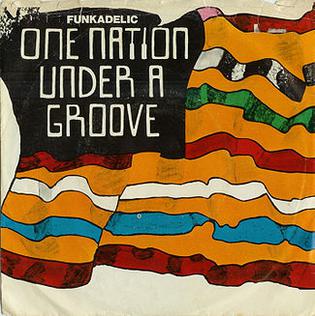
But 1978 wasn’t all about disco. Pop music thrived with ABBA’s timeless “Take a Chance on Me” and Electric Light Orchestra’s upbeat “Mr. Blue Sky.” Queen’s anthemic “We Are the Champions” became a staple at sporting events worldwide. In R&B, the Commodores’ soulful ballad “Three Times a Lady,” Funkadelic’s anthemic “One Nation Under a Groove,” and Chaka Khan’s empowering “I’m Every Woman” showcased the genre’s range. The soundtrack to Grease, featuring John Travolta and Olivia Newton-John’s “You’re the One That I Want,” dominated both radio and cinema.
While mainstream pop and disco ruled the charts, a counter-cultural revolution was taking place in underground venues. The Clash’s “(White Man) In Hammersmith Palais” blended social commentary with irresistible hooks, while the Buzzcocks’ “Ever Fallen in Love (With Someone You Shouldn’t’ve)” captured the essence of punk’s raw emotional energy. The Undertones’ “Teenage Kicks” embodied the unbridled spirit of youth, and Siouxsie & the Banshees’ “Hong Kong Garden” showcased the emerging goth-punk sound. Public Image Ltd.’s self-titled track “Public Image” signaled the evolution of post-punk.
1978 also saw the emergence of artists who defied easy categorization. Kate Bush’s haunting “Wuthering Heights” introduced a unique voice to the pop landscape, blending literary references with art-rock sensibilities. Kraftwerk’s “The Model” pushed the boundaries of electronic music, influencing countless genres in the decades to come. Patti Smith’s “Because the Night” (co-written with Bruce Springsteen) bridged the gap between punk poetry and mainstream rock. The year also saw reggae making inroads with Althea & Donna’s “Uptown Top Ranking,” while Randy Newman’s misunderstood “Short People” showcased his brilliance in crafting satirical, thought-provoking pop.
Looking back, it’s clear that 1978 was more than just a year of disco balls and safety pins. It was a time of musical diversity and innovation, where chart-toppers and underground icons coexisted, each pushing the boundaries of their respective genres. From the dancefloor anthems to punk’s raw energy, from synth-pop’s early days to reggae’s growing influence, 1978 offered a rich and varied soundtrack that continues to resonate today. This dynamic interplay between mainstream and alternative sounds would continue to shape the musical landscape for years to come, making 1978 a truly unforgettable year in music history.
Fleetwood Mac’s story is one of evolution, creativity, and enduring musical brilliance. From their humble beginnings in the British blues scene to their rise as global rock icons, this band has left an indelible mark on popular music.
The group’s journey began in 1967 when guitarist Peter Green assembled a lineup that included Mick Fleetwood and John McVie. Their early years were steeped in blues, with tracks like “Albatross” and “Oh Well” showcasing their raw talent and musical prowess. However, it was the addition of Stevie Nicks and Lindsey Buckingham in 1975 that catapulted Fleetwood Mac into the stratosphere of rock stardom.
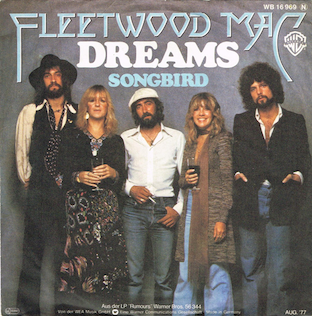
The Buckingham-Nicks era ushered in a new sound for the band, blending pop sensibilities with rock edge and introspective lyrics. Their self-titled 1975 album featuring hits like “Rhiannon,” “Say You Love Me,” and “Over My Head” was just a taste of what was to come. In 1977, Fleetwood Mac released Rumours, an album that would define their career and cement their place in music history. Tracks like “Dreams,” “Go Your Own Way,” “Don’t Stop,” and “You Make Lovin’ Fun” not only rested at or near the top of the charts but also resonated deeply with listeners, exploring themes of love, loss, and personal struggle.
Fleetwood Mac’s willingness to experiment and evolve is evident throughout their discography. The unconventional production of “Tusk,” which incorporated the USC Trojan Marching Band, exemplifies the band’s commitment to pushing boundaries while maintaining their signature style.
The band’s impact on popular music is difficult to overstate. They’ve sold over 120 million records worldwide, making them one of the best-selling music acts of all time. Their accolades include multiple Grammy Awards, induction into the Rock and Roll Hall of Fame in 1998, and a Brit Award for Outstanding Contribution to Music. Beyond these formal recognitions, Fleetwood Mac’s influence can be heard in countless artists across various genres, a testament to their wide-ranging appeal and musical innovation.
As we look back on Fleetwood Mac’s legacy, it’s clear that their music transcends generations. Whether it’s the bluesy riffs of their early work, the pop-rock perfection of their ’70s hits, or the mature songcraft of their later albums, Fleetwood Mac continues to captivate listeners with their unique blend of melody, harmony, and raw emotion. Their journey through the decades stands as a testament to the power of music to connect, inspire, and endure.
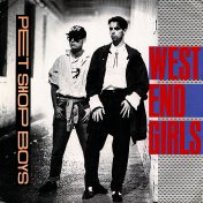
Pet Shop Boys, the iconic English synth-pop duo formed in London in 1981, have left an indelible mark on popular music. Comprising primary vocalist Neil Tennant and keyboardist Chris Lowe, they’ve been a consistent and influential presence since the mid-1980s. Known for their catchy synth-pop sound and incisive lyrics, they have built a remarkable career that spans decades, selling over 100 million records worldwide and earning their place as the most successful duo in UK music history according to The Guinness Book of Records.
Their breakthrough came with “West End Girls” in 1985, a song that deftly captured the urban angst of the time and shot to the top of the charts in both the UK and the US. This track, along with hits like “It’s a Sin” and “What Have I Done to Deserve This?”, defined the synth-pop sound of the 80s with infectious synth lines and Tennant’s distinctive vocals. “It’s a Sin,” in particular, resonated with many due to its raw exploration of guilt and personal struggle, themes that were uncommon in pop music at the time.
Throughout their career, Pet Shop Boys have consistently pushed the boundaries of pop music with intelligent lyrics, catchy melodies, and innovative soundscapes. They’ve explored themes of sexuality, identity, and social issues with wit and sophistication, often weaving them into dancefloor-ready tracks. Songs like “Opportunities (Let’s Make Lots Of Money)” and “Suburbia” offered a satirical look at consumerism and social constructs, showcasing their sharp social commentary.
The duo’s accolades are numerous and impressive. They’ve achieved 42 Top 30 singles in the UK, including four number-one hits. Pet Shop Boys have received multiple Grammy nominations, Brit Awards (winning “Best British Group” three times), and MTV Video Music Awards. In 2009, they received the Outstanding Contribution to Music award at the Brit Awards. Their influence on the genre is also recognized by their peers, with the duo being awarded the Godlike Genius Award at the NME Awards in 2017. Additionally, they’ve won three Ivor Novello Awards, highlighting their songwriting prowess. Billboard named them the number one dance duo/group over the 40 years since the chart’s inception in 1976.
As we journey through their expansive discography, from early hits to later tracks such as “The Pop Kids,” it’s clear that Pet Shop Boys have maintained a remarkable level of creativity and relevance throughout their career. Their ability to evolve while staying true to their unique sound has solidified their place as icons in the world of pop music. Whether through their chart-topping hits, boundary-pushing live performances, or their clever fusion of ironic, coolly delivered lyrics and catchy synthesizer-based dance beats, Pet Shop Boys continue to leave an indelible mark on both the music industry and popular culture.