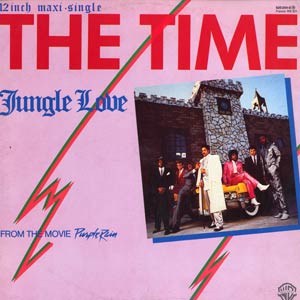
The Time’s Morris Day was born on this date in 1957. He is represented by a few songs on today’s playlist.
Follow Tunes Du Jour on Facebook
Follow me on Bluesky
Follow me on Instagram
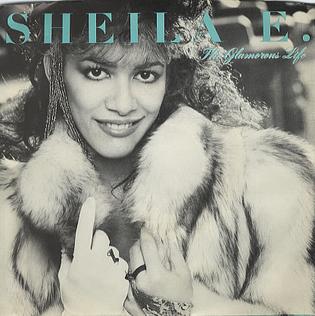
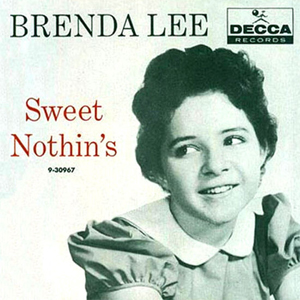
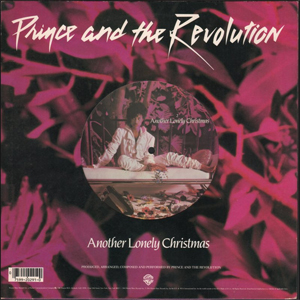
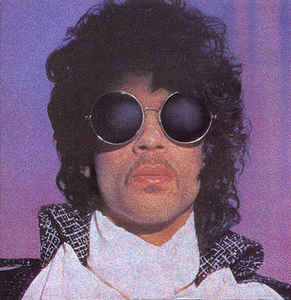
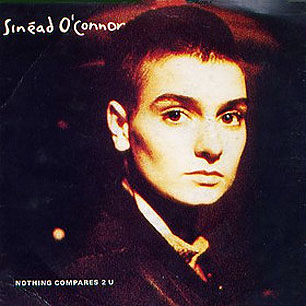
Sinéad O’Connor’s musical legacy is one of unflinching authenticity and passion. From the first note of “Mandinka” to the heart-rending final moments of “The Last Day of Our Acquaintance,” she imbued every performance with a deep emotional honesty that captivated listeners. Her voice, at once powerful and fragile, conveyed a raw vulnerability that few artists have ever matched.
Perhaps her most iconic performance, “Nothing Compares 2 U,” epitomizes the emotional intensity she brought to her work. Penned by Prince, O’Connor’s rendition transformed the song into an anthem of heartbreak, with her haunting delivery and stark music video leaving an indelible mark on popular culture. This was not merely a cover; she took ownership of it and delivered the definitive version, infused with her own sorrow and strength.
O’Connor’s artistry was as much about confronting societal norms as it was about creating music. Tracks like “Black Boys on Mopeds” and “Famine” highlight her willingness to use her platform to challenge injustice and advocate for marginalized voices. In “Three Babies” and “This Is to Mother You,” she explored themes of motherhood and nurturing with a tender yet unyielding honesty. Her ability to channel deeply personal experiences into universally resonant songs was a hallmark of her career.
Her work was not without controversy, but that was part of what made her so compelling. Whether through the fiery declarations of “The Emperor’s New Clothes” or the aching introspection of “I Am Stretched on Your Grave,” O’Connor refused to compromise or dilute her message. She confronted listeners with uncomfortable truths, always remaining true to herself.
Sinéad O’Connor’s music transcended genres, blending elements of pop, rock, folk, and even traditional Irish music, as in “You Made Me the Thief of Your Heart.” Yet, it was her authenticity that tied it all together. Each performance, from the soulful “Thank You for Hearing Me” to the defiant “No Man’s Woman,” was a testament to her unwavering commitment to honesty in art. As we revisit her body of work, we are reminded of the profound impact an artist can have when they perform not just with their voice, but with their entire being.
Follow Tunes du Jour on Facebook
Follow me on Bluesky
Follow me on Instagram

Tom Waits is less a musician and more a sonic storyteller, a gravelly-voiced poet who transforms the gritty underbelly of American experience into mesmerizing musical narratives. His art exists in a liminal space between genres, blending elements of jazz, blues, folk, and experimental music into a uniquely haunting soundscape that defies easy categorization. From the early jazz-influenced ballads of albums like Closing Time to the more avant-garde, percussion-driven works of his later career, Waits has consistently challenged listeners’ expectations.
What sets Waits apart is his remarkable ability to create characters and worlds within his songs. Whether he’s exploring the melancholy of urban loneliness in “Downtown Train” or the raw, visceral energy of working-class struggle in tracks like “Jockey Full of Bourbon,” his narratives feel simultaneously specific and universal. His voice—a remarkable instrument that sounds like it’s been aged in whiskey and weathered by countless late nights—becomes a character itself, growling and whispering stories that feel pulled from some alternate version of American folklore.
Throughout his decades-long career, Waits has collaborated with extraordinary musicians and consistently pushed musical boundaries. His partnership with wife and collaborator Kathleen Brennan has been particularly transformative, helping him evolve from a more traditional singer-songwriter to an experimental artist who incorporates found sounds, unconventional instrumentation, and theatrical arrangements. Albums like Rain Dogs and Mule Variations showcase this evolution, presenting soundscapes that are at once intimate and expansive.
Beyond music, Waits is also an accomplished actor, bringing the same distinctive presence to film roles that he does to his musical performances. His work with directors like Jim Jarmusch has further cemented his status as a true cultural iconoclast. He approaches performance—whether musical or cinematic—with a commitment to authenticity that transcends traditional artistic boundaries, always seeking to reveal something true about human experience.
Despite his experimental approach, there’s a profound emotional core to Waits’ work. Songs like “Martha” reveal a tender romanticism, while tracks like “Time” demonstrate an almost philosophical meditation on life’s transient nature. He manages the remarkable feat of being simultaneously avant-garde and deeply accessible, creating music that feels both intellectually challenging and emotionally resonant. Tom Waits isn’t just a musician; he’s a musical alchemist who transforms the raw, often painful materials of human experience into something profound, beautiful, and unforgettable.
Follow Tunes du Jour on Facebook
Follow me on Bluesky
Follow me on Instagram
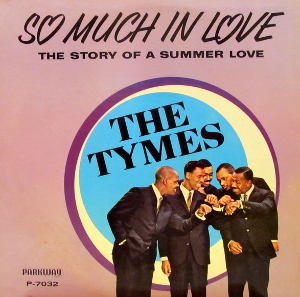
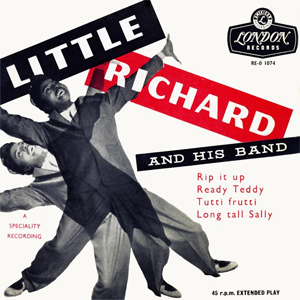
Few artists have shaped the trajectory of rock ‘n’ roll like Little Richard. With his uncontainable energy, dynamic stage presence, and explosive voice, Richard Penniman burst onto the music scene in the mid-1950s, helping to define a genre that would captivate the world. Songs like “Tutti Frutti,” “Long Tall Sally,” and “Good Golly, Miss Molly” weren’t just hits—they were seismic shifts in popular music, blending gospel, rhythm and blues, and raw power into a thrilling new sound.
Little Richard’s music was characterized by its infectious rhythms and unrelenting tempo. Tracks like “Rip It Up” and “Ready Teddy” seemed to demand movement, inspiring dancing that matched the music’s frenetic pace. But it wasn’t just about the beat; Richard’s performances were a masterclass in charisma. Songs like “Lucille” and “Jenny Jenny” showcased his ability to inject personality and soul into every note, a talent that elevated him beyond being just a singer to a cultural icon.
His influence extended far beyond the music itself. Little Richard was one of the first artists to break racial barriers in the 1950s, drawing integrated audiences at his live performances. Tracks like “The Girl Can’t Help It” and “She’s Got It” became anthems for an era that was beginning to challenge societal norms. His flamboyant style—pancake makeup, pompadour, and wild outfits—also made him a trailblazer for self-expression, laying groundwork for future performers to embrace individuality unapologetically.
In later years, Little Richard showed his versatility with tracks like “I Don’t Know What You’ve Got, But It’s Got Me,” a soul masterpiece that revealed a more contemplative side. He also ventured into funk with songs like “Freedom Blues,” proving that his artistry could evolve with the times while retaining its essence. Even when covering classics such as “Kansas City” or reinterpreting standards like “By the Light of the Silvery Moon,” Richard’s unmistakable voice and personality made them his own.
Little Richard’s legacy isn’t just in his music—it’s in the spirit of rock ‘n’ roll itself. Artists from The Beatles to Prince have cited him as an inspiration, and his songs remain as electrifying today as when they were first recorded. Tracks like “Bama Lama Bama Loo” and “Greenwood, Mississippi” are reminders of a talent that refused to be contained, an artist who truly knew how to rock. In every wild piano riff and every soulful scream, Little Richard gave the world a taste of freedom, joy, and unbridled creativity.
Follow Tunes Du Jour on Facebook
Follow me on Bluesky
Follow me on Instagram
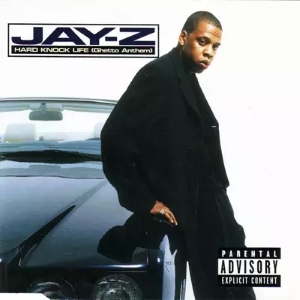
Jay-Z’s musical journey is a testament to artistic evolution, entrepreneurial spirit, and the power of reinvention. Born Shawn Corey Carter in Brooklyn’s Marcy Projects, he transformed the challenges of his early life into a narrative of remarkable success that extends far beyond music. His discography reflects not just his lyrical prowess, but a strategic approach to storytelling that captures the complexities of urban experience, ambition, and personal growth.
From early tracks like “Can’t Knock the Hustle” to later, more reflective works like “The Story of O.J.,” Jay-Z has consistently demonstrated an ability to narrate his life’s trajectory with remarkable honesty and insight. His collaborations reveal another dimension of his artistry – whether trading verses with Kanye West, creating anthems with Rihanna, or exploring complex themes with artists like Justin Timberlake, he has always been more than just a solo performer. These partnerships showcase his versatility and his skill in creating music that resonates across different genres and audiences.
Beyond music, Jay-Z emerged as a cultural entrepreneur who redefined what success could look like for a hip-hop artist. His business ventures – from Roc-A-Fella Records to Tidal, and partnerships with brands like Armand de Brignac champagne – illustrate a vision that extends well beyond creating hit tracks. He transformed the traditional narrative of a rapper’s career, positioning himself not just as an artist, but as a mogul who could navigate both creative and corporate landscapes with equal finesse.
His personal life, particularly his relationship with Beyoncé, has also been a significant part of his public persona. Together, they’ve created a power couple narrative that transcends music, touching on themes of love, family, and shared ambition. Albums like EVERYTHING IS LOVE demonstrate their ability to collaborate not just as romantic partners, but as artistic collaborators who can create groundbreaking work together.
What makes Jay-Z’s journey particularly compelling is how he has continually evolved. From street narratives to introspective explorations of success, race, and personal growth, he has never allowed himself to be confined by early expectations. His music has become a form of cultural commentary, addressing systemic issues while celebrating individual achievement. Whether through tracks that become New York anthems like “Empire State of Mind” or provocative statements like “D.O.A. (Death of Auto-Tune),” he has consistently pushed musical and cultural boundaries, cementing his status as not just a hip-hop artist, but a true cultural icon.
Follow Tunes du Jour on Facebook
Follow me on Bluesky
Follow me on Instagram