Tunes Du Jour Presents 1958

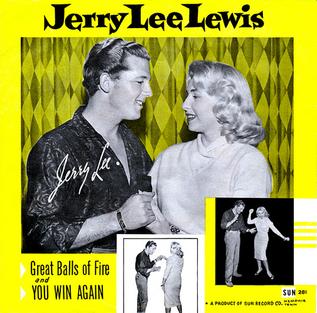
By 1958, rock and roll was no longer a brash newcomer fighting for legitimacy—it had become the dominant sound of American popular music. The charts that year captured a genre in full stride, blending raw energy with increasingly sophisticated production. Jerry Lee Lewis pounded out “Great Balls of Fire” with manic intensity while the Everly Brothers offered the dreamy harmonies of “All I Have to Do Is Dream,” proving that rock and roll could be both wild and tender. Chuck Berry’s “Sweet Little Sixteen” painted vivid pictures of teenage life, and Little Richard’s “Good Golly, Miss Molly” delivered pure, unfiltered excitement. These weren’t just songs—they were the soundtrack to a generation coming into its own.

The year also marked the rise of memorable instrumental tracks that showcased rock and roll’s expanding vocabulary. Link Wray’s “Rumble” pioneered the power chord with its menacing guitar distortion, while Duane Eddy’s “Rebel Rouser” introduced the twangy, reverb-heavy “twang” that would influence countless guitarists. The Champs’ “Tequila” proved that a single word and an infectious sax riff could dominate the airwaves. These instrumental hits demonstrated that rock and roll didn’t always need lyrics to communicate emotion or get people moving.

While rock and roll dominated, 1958 was hardly monolithic in its musical offerings. Tommy Edwards’ orchestral “It’s All In The Game” and Peggy Lee’s sultry “Fever” showed that traditional pop still had plenty of commercial power. Domenico Modugno’s “Nel blu, dipinto di blu (Volare)” became an international sensation, bringing Italian pop to American audiences. The Platters’ “Twilight Time” continued doo-wop’s evolution toward lush, romantic balladry. This variety revealed an industry still figuring out how different styles could coexist and cross-pollinate.

The playlist also captures the emergence of future stars and the refinement of group vocals. Cliff Richard’s “Move It” announced Britain’s first major rock and roll talent, foreshadowing the British Invasion that would come later. Meanwhile, doo-wop groups like The Chantels with “Maybe” and Jerry Butler & the Impressions with “For Your Precious Love” brought sophistication and emotional depth to their harmonies. Novelty hits like David Seville’s “Witch Doctor” and lighthearted fare like The Chordettes’ “Lollipop” added playful moments to the mix, reminding listeners that music could simply be fun without carrying cultural weight.

What’s striking about 1958 is how much ground the music covered while maintaining a coherent identity. Whether it was Eddie Cochran’s rebellious “Summertime Blues” or Conway Twitty’s heartbroken “It’s Only Make Believe,” these songs spoke directly to young people navigating the complexities of modern life. Rock and roll had proven it wasn’t a passing fad—it was a versatile, evolving force that could express the full range of teenage emotion, from joy to heartbreak, from rebellion to romance. The music of 1958 didn’t just entertain; it validated the experiences of an entire generation.

Follow Tunes Du Jour on Facebook

Follow me on Bluesky

Follow me on Instagram

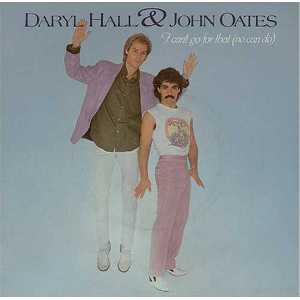
Tunes Du Jour Presents Daryl Hall + John Oates

It’s an experience most of us have had. You’re in a grocery store, a coffee shop, or just flipping through the radio, and a song comes on that is instantly, undeniably familiar. It might be the bright piano chords of “You Make My Dreams” or the slinky, ominous bassline of “Maneater.” For decades, the music of Daryl Hall and John Oates has been a steady presence in the background of American life. But if you look closer at a collection of their work, you see more than just a series of catchy singles. You see a clear and compelling story of musical evolution, rooted in a deep appreciation for the artists who came before them.

Their journey began not as pop stars, but as students of Philadelphia soul. Listening to early tracks like the sorrowful, grand ballad “She’s Gone” or the smooth, intimate devotion of “Sara Smile,” you can hear the duo honing their craft. This was music built on classic R&B structures, focused on sharp songwriting and raw vocal emotion. Even their first number-one hit, “Rich Girl,” has a soulful bounce and a narrative sting that feels miles away from the slicker sound they would later develop. Their reverence for this era is made explicit in their faithful cover of “You’ve Lost That Lovin’ Feeling,” a direct acknowledgment of the foundation upon which their entire career was built.

Then, of course, came the 1980s. With the arrival of MTV and new recording technology, Hall & Oates adapted brilliantly, crafting a string of hits that defined the decade. The sound became sharper and more polished, incorporating synthesizers, drum machines, and unforgettable saxophone solos. Tracks like “Private Eyes,” “Out of Touch,” and the minimalist groove of “I Can’t Go For That (No Can Do)” were perfectly engineered for radio and video. Yet, even within this pop framework, the soul never vanished. The propulsive beat of “Maneater” has Motown in its DNA, while the paranoid energy of “Family Man” and the synth-driven narrative of “Adult Education” showed they could blend new wave sensibilities with their signature R&B vocal stylings.

Beyond the chart-toppers, the playlist reveals a fuller picture of their artistry. The duo were masters of the thoughtful ballad, from the tender vulnerability of “One On One” to the pleading heartbreak in “Say It Isn’t So” and “Wait For Me.” Their love for performance and collaboration is on full display in the medley with Temptations legends David Ruffin and Eddie Kendrick, a powerful moment where they weren’t just covering soul music, but sharing a stage with it. Later tracks like “Everything Your Heart Desires” and Daryl Hall’s solo hit “Dreamtime” show a maturation, exploring a more refined, adult contemporary sound without losing the melodic core that made them famous.

Ultimately, what makes the work of Hall & Oates endure is this remarkable balance. They managed to create music that was both incredibly popular and musically substantive. They wrote pop songs with the heart of soul music and infused their R&B influences with a modern, rock-and-roll edge. It’s a body of work that is approachable on the surface but rewards a closer listen, revealing layers of craftsmanship and a genuine love for the power of a well-written song. They didn’t just make our dreams come true; they provided a lasting soundtrack for them.

Follow Tunes Du Jour on Facebook

Follow me on Bluesky

Follow me on Instagram
Tunes Du Jour Presents The John Lennon Songbook

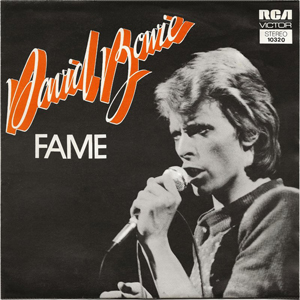
It’s interesting to start a playlist of John Lennon songs with David Bowie’s “Fame.” It feels like an outlier at first, until you remember Lennon co-wrote the track, contributed guitar, and sang backup vocals. It’s one of just a handful of songs on this list that isn’t a straightforward cover, and its placement at the top serves as a great reminder: one of the best ways to understand a songwriter’s impact is to see how their work thrives in the hands of others. Listening to a collection like this isn’t just about nostalgia; it’s an active exploration of how durable and adaptable Lennon’s compositions truly are, revealing the deep-seated melodic and lyrical strengths that invite constant reinterpretation.

The sheer variety of artists drawn to his work speaks volumes about its fundamental structure. A Lennon song can be a sturdy vessel for almost any style. In its original form, “Help!” was a desperate plea disguised as an upbeat folk-rock hit. But when Tina Turner gets ahold of it, she strips away the disguise, transforming it into a full-throated, soulful cry for salvation. Similarly, Johnny Cash takes “In My Life,” a song of youthful reflection, and imbues it with the profound weight of a long life lived, making each line land with a different, more somber gravity. From the raw R&B groove Otis Redding finds in “Day Tripper” to the cool, atmospheric poise Roxy Music brings to “Jealous Guy,” these songs prove to be exceptionally resilient, their core emotions accessible to any genre.

Beyond musical versatility, the playlist highlights the different facets of Lennon’s lyrical persona. There’s the acerbic political commentator, whose pointed dissatisfaction is channeled perfectly by the punk sneer of Generation X on “Gimme Some Truth” and the world-weary defiance of Marianne Faithfull on “Working Class Hero.” Then there is the deeply vulnerable Lennon, the man wrangling with insecurity and fame. You can hear this in the anxious, propulsive energy The Feelies bring to “Everybody’s Got Something To Hide (Except Me And My Monkey)” or the stark, pleading quality Maxïmo Park finds in the solo track “Isolation.” He could be pointedly political or achingly personal, and both modes have continued to resonate with artists who have their own truths to tell.

Of course, no look at Lennon’s work would be complete without touching on his more surreal and experimental side. These are often the songs that seem most tied to a specific time, yet they possess a dreamlike logic that continues to inspire. Elton John, a friend and collaborator, treats “Lucy in the Sky with Diamonds” not as a museum piece but as a glam-rock epic. R.E.M. leans into the hypnotic, floating quality of “#9 Dream,” while Fiona Apple’s take on “Across the Universe” honors its ethereal nature while grounding it with her distinctive emotional intensity. These artists don’t just copy the psychedelia; they find new ways to access the spirit of imaginative freedom that fueled the original recordings.

Ultimately, listening through these interpretations feels less like a tribute and more like a conversation across decades. We hear Billy J. Kramer’s simple pop charm on “Bad to Me,” a song Lennon wrote for him in 1963, and then Glen Campbell’s posthumous, heart-rending version of “Grow Old With Me,” one of Lennon’s last compositions. The journey between those two points is remarkable. This collection of songs, re-shaped by everyone from The Breeders to Bettye LaVette, demonstrates that the power of Lennon’s work isn’t just in his own iconic recordings. It’s in the bones of the songs themselves—the unforgettable melodies, the honest lyrics, and the restless spirit that others can’t help but be drawn to, again and again.

Follow Tunes Du Jour on Facebook

Follow me on Bluesky

Follow me on Instagram
Tunes Du Jour Presents 1975

Fifty years ago, radio dials and turntables were spinning an uncommonly diverse mix of sounds. The charts of 1975 didn’t follow a single storyline—instead, they captured a moment when multiple musical currents were flowing with equal strength. Disco was gaining momentum but hadn’t yet dominated everything in its path. Rock was simultaneously reaching for arena-sized ambition and stripping down to raw emotion. Soul and funk were evolving into more sophisticated forms, while pop continued doing what it does best: making people hum along whether they meant to or not.

The year belonged, in many ways, to artists who understood that hooks and ambition weren’t mutually exclusive. Bruce Springsteen’s “Born to Run” arrived like a desperate prayer wrapped in Phil Spector production, while Queen’s “Killer Queen” proved that flamboyance and precision could coexist in three minutes of glam-rock perfection. Led Zeppelin stretched “Kashmir” across nearly nine minutes of Eastern-influenced grandeur, and Pink Floyd’s “Wish You Were Here” turned melancholy into an art form. Even Bob Dylan, never one to stand still, was crafting the narrative complexity of “Tangled Up in Blue.” These weren’t just songs—they were statements about how far popular music could reach while still connecting with listeners.

Meanwhile, dance floors were becoming cultural epicenters. KC and the Sunshine Band’s “That’s the Way (I Like It)” and Gloria Gaynor’s “Never Can Say Goodbye” helped establish disco as something more than a passing trend. The Bee Gees’ “Jive Talkin'” showed that the brothers Gibb could pivot from balladeers to funk-influenced hitmakers. Labelle’s “Lady Marmalade” brought New Orleans sass and unapologetic sexuality to the mainstream, while Earth, Wind & Fire’s “Shining Star” blended funk, soul, and jazz into something that felt both cosmic and grounded. The groove wasn’t just a rhythm—it was becoming a philosophy.

What’s striking about 1975 is how much sonic territory gets covered without any single approach dominating. 10cc’s “I’m Not in Love” used studio technology to create something hauntingly atmospheric, while Kraftwerk’s “Autobahn” was quietly suggesting what electronic music might become. Barry White continued orchestrating romantic opulence, Minnie Riperton’s five-octave range soared through “Lovin’ You,” and Linda Ronstadt’s “You’re No Good” proved that straightforward rock could still pack a punch. David Bowie’s “Fame,” co-written with John Lennon, showed him already moving past glam into funk-inflected territory. Glen Campbell brought “Rhinestone Cowboy” to country-pop crossover success, while Average White Band demonstrated that Scottish musicians could master American funk with “Pick Up the Pieces.”

Listening to these songs now, what emerges isn’t just nostalgia but a reminder of a particular kind of creative confidence. These artists weren’t afraid to be big or vulnerable, funky or introspective, polished or raw—sometimes all within the same track. The year didn’t belong to any single movement or sound, and that might be exactly what made it memorable. It was a time when the radio could take you from the Staple Singers’ gospel-infused soul to Sweet’s glitter-rock crunch to ABBA’s pristine pop architecture without anyone thinking twice about the journey. That kind of range feels worth celebrating.

Follow Tunes Du Jour on Facebook

Follow me on Bluesky

Follow me on Instagram
Tunes Du Jour Presents Sting and The Police

The Police emerged in the late 1970s as a powerful and distinctive voice in the post-punk landscape, quickly carving out a unique space with their blend of reggae-infused rock and pop sensibilities. At the heart of their sound was Gordon Sumner, better known as Sting, who served as the band’s chief singer and songwriter, alongside Andy Summers on guitar and Stewart Copeland on drums. Their early tracks like “Roxanne” and “Can’t Stand Losing You” showcased a raw energy and lyrical introspection that immediately set them apart. This initial spark evolved into a more refined sound, evident in hits like “Message in a Bottle” and “Walking On The Moon,” which propelled them to international stardom.

Sting’s songwriting was a cornerstone of The Police’s success, often exploring themes of love, longing, and social observation. Songs such as “Every Little Thing She Does Is Magic” and “Wrapped Around Your Finger” highlight his knack for crafting catchy melodies imbued with emotional depth. Even within the band’s more upbeat tracks, there was often an underlying complexity, from the narrative tension of “Don’t Stand So Close to Me” to the philosophical undertones of “Invisible Sun” and “Spirits In The Material World.” The Police’s musical approach, while always accessible, rarely shied away from intellectual curiosity.

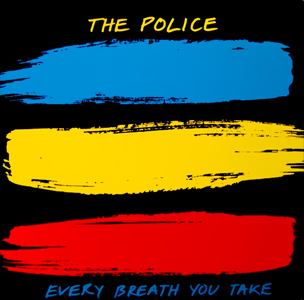
As The Police’s career progressed, culminating in the critically acclaimed album Synchronicity, Sting’s lyrical prowess continued to mature. Tracks like “Every Breath You Take” demonstrate his ability to turn what seems like a simple love song into something far more nuanced and even unsettling. “King Of Pain” further exemplifies this depth, offering a vivid exploration of personal struggle. The band’s output from this era, including “Synchronicity II,” cemented their status as not just hitmakers, but serious artistic contributors to the music scene.

Following The Police’s incredible run, Sting embarked on a highly successful solo career that allowed him to further explore his diverse musical interests. His solo work, as heard in tracks like “Fields Of Gold” and “Englishman In New York,” retained his signature lyrical sophistication while incorporating elements of jazz, world music, and classical influences. Songs such as “If You Love Somebody Set Them Free” and “If I Ever Lose My Faith In You” showcased a broader sonic palette and a continued commitment to thoughtful songwriting, proving his versatility beyond the band’s iconic sound.

Ultimately, both The Police and Sting’s solo efforts stand as testaments to a significant and enduring musical legacy. The playlist provided offers a clear journey through Sting’s artistic development, from the angular, energetic rock of The Police to the more introspective and varied sound of his individual career. His ability to consistently craft compelling narratives and memorable melodies, whether with a band or on his own, ensures his place as a prominent figure in contemporary music history.

Follow Tunes Du Jour on Facebook

Follow me on Bluesky

Follow me on Instagram
Tunes Du Jour Presents Olivia Newton-John

When you think of Olivia Newton-John, what’s the first image that comes to mind? For millions, it’s the transformation at the end of Grease—the leather jacket, the confident stride, the electrifying duet with John Travolta. But as a quick journey through her song catalog reveals, that iconic moment is just one chapter in a much broader and more fascinating story. Her career wasn’t a single note, but a series of distinct, evolving sounds, all held together by one of the most recognizable and endearing voices in pop music.

Listening to her early work, you can hear an artist with a clear, gentle sensibility rooted in the folk and country music of the era. Songs like her cover of Bob Dylan’s “If Not For You” and the narrative-driven “Banks of the Ohio” established her as a gifted interpreter. This was soon followed by a wave of soft-rock hits that defined the sound of mid-70s radio. With the earnest plea of “If You Love Me (Let Me Know)” and the gentle reassurance of “Have You Never Been Mellow,” she carved out a niche as a vocalist of immense warmth and sincerity. This period culminated in her signature ballad, “I Honestly Love You,” a masterclass in quiet vulnerability that became her first number-one hit in the U.S.

Then, of course, came Grease. The 1978 film wasn’t just a career boost; it was a global phenomenon that showcased her versatility. She effortlessly handled the sock-hop fun of “Summer Nights” and the plaintive, heart-on-her-sleeve performance of “Hopelessly Devoted to You.” But it was the film’s finale, with “You’re the One That I Want” and “We Go Together,” that signaled a change. The energy was bigger, the attitude was bolder, and it set the stage for a musical pivot that would redefine her image for a new decade.

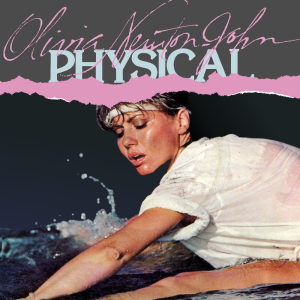
She didn’t wait long to capitalize on that new energy. Her very next album, 1978’s Totally Hot, continued the transformation, trading in the gentle ballads for a tougher, more pop-rock sensibility. A track like “A Little More Love,” with its driving guitar riff and assertive vocal, made it clear that the leather-clad Sandy was here to stay. This embrace of a more contemporary pop sound continued into projects like the soundtrack for Xanadu, which gave us the dreamy, roller-rink-ready perfection of “Magic.” Her most definitive transformation, however, arrived with the 1981 album Physical. The title track, with its pulsing beat and cheeky lyrics, was a world away from her past, and this era gave us energetic, synth-driven tracks like “Make a Move On Me” and “Heart Attack.”

What’s remarkable, looking back at this collection of songs, is not just the stylistic shifts but how natural each one felt. The common thread through the country-folk beginnings, the blockbuster duets, and the slick pop productions is the voice itself—pure, emotive, and instantly recognizable. Whether she was collaborating with Andy Gibb on “I Can’t Help It” or delivering the confident, rhythmic pulse of “A Little More Love,” Olivia Newton-John possessed a rare ability to connect. This playlist isn’t just a random assortment of hits; it’s a document of an artist’s graceful evolution and a reminder of the enduring appeal of a truly great singer.

Follow Tunes Du Jour on Facebook

Follow me on Bluesky

Follow me on Instagram
Tunes Du Jour Presents The Bruce Springsteen Songbook

Bruce Springsteen’s name immediately conjures images of epic live performances and anthemic rock, but beneath the stadium lights and E Street Band’s prowess lies the bedrock of truly exceptional songwriting. While his own interpretations are iconic, a fascinating way to understand the depth and versatility of his craft is to listen to his songs as performed by other artists. This collection of interpretations isn’t just a testament to his popularity; it’s a deep dive into the resilient structure and universal appeal of his compositions. From Manfred Mann’s Earth Band giving “Blinded By The Light” a prog-rock makeover to Patti Smith taking his musical sketch for “Because the Night” and transforming it with her own powerful lyrics, these early releases demonstrated how his musical ideas could flourish in different hands.

What becomes clear through these varied renditions is the enduring power of Springsteen’s narratives. His ability to distill complex human experiences – the struggles of working life, the ache of forgotten dreams, the defiance of the underdog – resonates across genres and generations. Lucinda Williams’ sparse, melancholic “Factory” strips the song to its empathetic core, highlighting the quiet dignity in its depiction of labor. Johnny Cash’s gravelly voice lends a somber weight to the poignant tale of brotherhood and duty in “Highway Patrolman,” while Billy Bragg’s acoustic “Mansion on the Hill” underscores the song’s sharp social commentary on class division. Even a frequently misunderstood anthem like “Born in the U.S.A.” finds its original critical intent amplified in the raw, acoustic performance by Jason Isbell and Amanda Shires, revealing the layered complexities always present in the lyrics.

Beyond the lyrical prowess, this playlist also illuminates the structural and melodic robustness of Springsteen’s music. His compositions possess an inherent strength that allows them to be re-imagined without losing their essence. Take Hot Chip’s electronic reinterpretation of “Dancing In The Dark,” which transforms its mainstream rock energy into an indie-dance anthem, proving how adaptable the song’s core rhythm and melody truly are. Similarly, the minimalist beauty of Kevin Breit and Harry Manx’s “I’m On Fire” distills the song’s longing into a haunting, intimate whisper, while Crooked Fingers’ “The River” captures the stark emotional landscape of its narrative with a raw, almost trembling fragility. Even a track like Donna Summer’s “Protection,” originally given to her by Springsteen, showcases how his knack for catchy hooks and dynamic arrangements could easily translate into a different pop sensibility, illustrating a versatile craft beneath the surface.

This extensive array of interpretations also showcases the broad emotional spectrum Springsteen explores in his writing. His songs aren’t confined to a single mood; they capture the full range of human feeling, from youthful exuberance to weary resignation, from hopeful yearning to quiet despair. The Hollies’ rendition of “4th of July, Asbury Park (Sandy)” evokes a wistful, nostalgic glow, while Southside Johnny & The Asbury Jukes’ raucous “Hearts of Stone” pulsates with a more defiant rock and soul energy. Natalie Cole injects a playful, sassy spirit into “Pink Cadillac,” revealing the sheer fun and swagger that can inhabit his lyrics. And when Bettye LaVette takes on “Streets of Philadelphia,” she strips it down to its raw, aching vulnerability, reminding us of the profound empathy and social conscience that often underlies his work. These varied voices unlock different emotional doors, each revealing another facet of the original composition’s emotional potential.

Ultimately, a journey through these numerous cover versions offers a compelling argument for Bruce Springsteen’s enduring legacy as a songwriter. Stripped of his iconic delivery or re-clothed in entirely new musical garments, his compositions consistently stand tall. They speak to universal truths, craft unforgettable characters, and resonate with melodies that are both immediate and deeply rooted. This diverse collection of interpretations isn’t just a tribute; it’s an educational deep dive into the core strength of his writing, demonstrating that long before they became rock anthems or stadium singalongs, they were simply great songs – versatile, profound, and built to last, capable of inspiring countless artists to make them their own.

Follow Tunes Du Jour on Facebook

Follow me on Bluesky

Follow me on Instagram
Tunes Du Jour Celebrates Famous Dates In Pop Music

It was the third of September / That day I’ll always remember

It was the third of June, another sleepy, dusty Delta day

Early morning, April 4 / Shot rings out in the Memphis sky

Do you remember the twenty-first night of September?

The theme of today’s playlist is dates referenced in song lyrics.

A date can do a lot of heavy lifting in a song. It can anchor a memory, mark a turning point, or drop us directly into a moment in history. Sometimes it’s deeply personal—Jay-Z naming his birthday in “December 4th”—and sometimes it’s collective, as in U2’s “Pride (In the Name of Love),” with its reference to April 4, 1968, the day Martin Luther King Jr. was assassinated.

Songwriters also use dates to heighten mystery. Bobbie Gentry’s “Ode to Billie Joe” begins on June 3, but instead of telling us what happened at the Tallahatchie Bridge, the lyric circles around it, making the day itself loom larger than the unexplained event. Similarly, the Temptations’ “Papa Was a Rolling Stone” ties the father’s death to September 3, a detail that sticks in the mind as much as the funk groove itself.

Not every date is somber. Earth, Wind & Fire turned September 21 into an annual celebration, and Chicago’s “Saturday in the Park” keeps the Fourth of July grounded in a snapshot of music, sunshine, and family fun. Bruce Springsteen’s “4th of July, Asbury Park (Sandy)” is more bittersweet, capturing the mix of romance and restlessness that defined his early work.

Dates can also mark social upheaval. Sublime’s “April 29, 1992 (Miami)” references the Los Angeles riots, while the Neville Brothers’ “Sister Rosa” pays tribute to Rosa Parks’ refusal to give up her bus seat on December 1, 1955. Songs like these remind us that a single day can ripple outward into history.

Taken together, this playlist shows the many ways a songwriter can spin meaning out of the calendar. A date can be the start of a story, a marker of joy or tragedy, or just a sly joke. What matters is how it sticks in your memory, long after the last chord fades.

Follow Tunes Du Jour on Facebook

Follow me on Bluesky

Follow me on Instagram