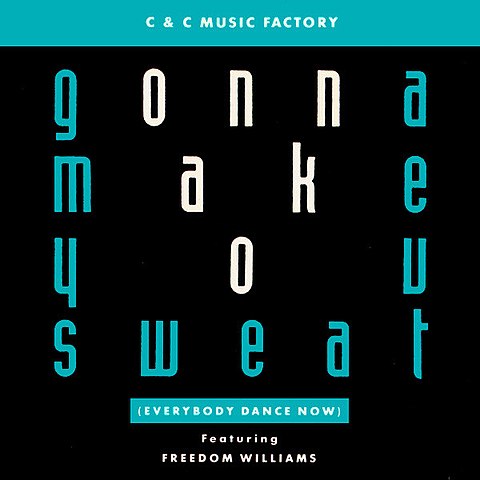
The late David Cole, one of the C’s in C + C Music Factory (the other being David Clivillés) was born on this date in 1995. Two of the duo’s hits as recording artists are included on today’s playlist.
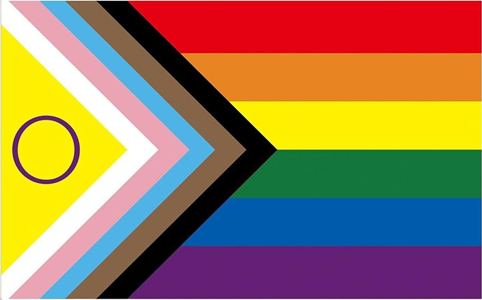
Music has long been a powerful force for self-expression and building community for LGBTQ+ artists and listeners alike. This Pride playlist celebrates the incredible diversity within the LGBTQ+ community through a wide range of styles, eras, and voices.
From enduring anthems like Diana Ross’ “I’m Coming Out” and Queen’s defiant “I Want To Break Free” to recent hits from Lil Nas X, Janelle Monae, and Troye Sivan, the songs seamlessly blend messages of pride, self-acceptance, and living authentically. Legendary artists like Elton John, George Michael, and Melissa Etheridge stand alongside bold new voices like Rina Sawayama and Perfume Genius, showing how LGBTQ+ musicians have blazed trails across decades.
The playlist pays tribute to tracks that turned the spotlight on LGBTQ+ experiences through storytelling, like The Kinks’ “Lola,” Pet Shop Boys’ “It’s a Sin,” and Bronski Beat’s “Smalltown Boy.” It also uplifts joyful, celebratory bops, such as “I’m Still Standing,” “Go West,” and the iconic “It’s Raining Men.”
With a mix of pop smashes, singer-songwriter confessionals, rock anthems, and hip-hop ground-breakers, the eclectic playlist reflects how LGBTQ+ artists have fruitfully influenced every corner of the musical landscape. From Carl Bean’s pioneering disco hit “I Was Born This Way” to Gossip’s “Standing in the Way of Control,” these songs unite in championing self-love, equality, and the fundamental human rights that the LGBTQ+ community continues fighting for.
Ultimately, this playlist invites listeners of all identities and backgrounds to share in the uplifting spirit of Pride. It’s a vibrant, multi-dimensional celebration of the perseverance, creativity, and unshakeable truth at the heart of the LGBTQ+ experience.
If you’re looking for a playlist that captures the raw energy and cultural impact of Run-D.M.C., this is a great place to start. This iconic rap group from Queens, New York, was a major force in bringing hip-hop to a wider audience in the 1980s. Their music wasn’t just catchy; it broke down barriers and redefined what popular music could sound like.
Tracks like “Rock Box” and “It’s Tricky” showcase Run-D.M.C.’s signature sound: hard-hitting beats, clever rhymes, and a streetwise swagger. They weren’t afraid to tackle social issues either. “Proud to Be Black” is a celebration of identity, while “Sun City” protests apartheid with the help of Artists United Against Apartheid.
But Run-D.M.C.’s influence goes beyond rap. Their collaboration with Aerosmith on “Walk This Way” became a massive hit, blending hip-hop and rock in a way that had never been heard so widely before. This genre-bending approach paved the way for future collaborations and helped both genres reach new fans.
The accolades tell the story of Run-D.M.C.’s lasting impact. They were the first rap act to be nominated for a Grammy, appear on MTV, and be inducted into the Rock and Roll Hall of Fame. Their influence continues to be felt today, with countless rappers citing them as inspiration.
So, crank up the volume and dive into this playlist. You’ll hear the sound of a legendary group that not only dominated the music scene, but also helped change the cultural landscape.
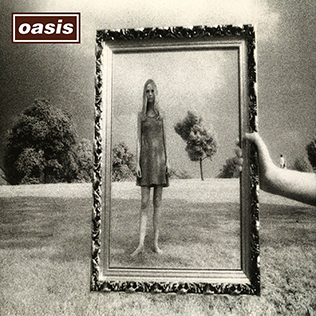
In the 1990s, the musical landscape of Britain was forever transformed by the meteoric rise of Oasis. Emerging from Manchester, this exceptional group left an indelible mark on popular music, inspiring generations of artists and fans alike.
Led by brothers Noel and Liam Gallagher, the band achieved global acclaim with seminal albums like Definitely Maybe and (What’s the Story) Morning Glory? These masterpieces showcased their ability to craft anthemic, emotionally charged songs that resonated with listeners. From the soaring melody of “Wonderwall” to the defiant swagger of “Don’t Look Back in Anger,” Oasis’ music encapsulated the spirit of youth, rebellion, and unbound creativity.
Their debut album, Definitely Maybe, was hailed as a groundbreaking work, earning them a devoted fan base. The follow-up, (What’s the Story) Morning Glory?, cemented their status as icons, selling over 22 million copies worldwide and earning them two Brit Awards.
Oasis’ music transcended time and genres, leaving an indelible mark on the fabric of popular culture. Their raw energy and unapologetic attitude resonated with audiences worldwide, inspiring generations of musicians and fans to embrace their authenticity and passion. Through their remarkable body of work and enduring legacy, Oasis etched their name among the most iconic and influential bands of our time.
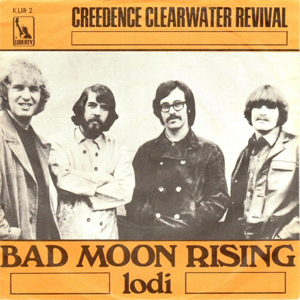
In the annals of rock music, few artists have left an indelible mark quite like John Fogerty and his band, Creedence Clearwater Revival. Their raw, roots-rock sound resonated with audiences worldwide, solidifying their place as icons of the counterculture era.
CCR’s rise to fame was fueled by Fogerty’s exceptional songwriting prowess. From the swampy grooves of “Born on the Bayou” to the anthemic power of “Fortunate Son,” their music captured the spirit of the times, addressing social issues with poignant lyricism and infectious melodies.
Throughout their career, CCR amassed an impressive collection of accolades, including induction into the Rock and Roll Hall of Fame in 1993. Their albums, such as Green River and Willy and the Poor Boys, are considered masterpieces, blending elements of rock, country, and blues into a distinctive sound that continues to inspire generations of musicians.
Fogerty’s solo career further cemented his legacy as a musical force to be reckoned with. His hits like “Centerfield” and “The Old Man Down the Road” showcased his enduring creativity and storytelling abilities, resonating with fans old and new.
Beyond his musical achievements, Fogerty has also left a lasting impact through his philanthropic efforts. He has been a vocal supporter of various causes, including veteran affairs and environmental conservation, using his platform to raise awareness and inspire positive change.
As the years pass, the music of John Fogerty and Creedence Clearwater Revival remains a timeless treasure, a testament to the power of raw talent, authenticity, and a willingness to confront societal struggles through the universal language of rock and roll.
The year 1998 was a watershed moment for popular music. Emerging from the stylistic chaos and radical experimentation of the early/mid ’90s, the music of 1998 represented a culmination of daring artistic visions cohering into some of the most innovative, insightful, and flat-out infectious songs of the decade. Across genres, it was a year that shattered boundaries and solidified legends – a prolific melting pot of game-changing sounds destined to endure.
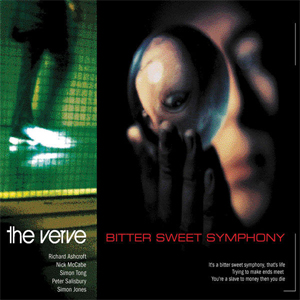
One of the standout tracks of the year was The Verve’s “Bitter Sweet Symphony,” a song that fused rock with sweeping orchestral arrangements, creating an anthemic yet melancholic sound that resonated with a wide audience. Its poignant lyrics and grandiose strings captured a sense of wistful longing and existential reflection that felt emblematic of the complicated late ’90s zeitgeist. Similarly, Radiohead’s “Karma Police” continued to explore the darker, more unsettling side of human experience with its haunting melody and cryptic lyrics, solidifying the band’s status as one of alt-rock’s most vital and cerebral forces.
The late ’90s also saw electronic music rapidly integrating into the mainstream pop landscape in visionary ways. Fatboy Slim’s “The Rockafeller Skank” was an explosively funky example of this trend, with its gritty, sample-heavy production and addictive dancefloor-ready beats. Stardust’s “Music Sounds Better With You” took a more soulful tack, combining classic house rhythms with a simple yet instantly catchy vocal hook to create an enduring dancefloor classic still beloved today. And the Norman Cook remix of Cornershop’s “Brimful of Asha” ingeniously blended Indian folk sounds with UK club vibes for a globe-spanning hit. For seekers of more atmospheric, boundary-pushing electronica, Massive Attack’s “Teardrop” provided a hypnotic, cinematic soundscape. This fertile era helped lay the groundwork for electronic music’s dominance in pop in the coming decades.
Hip-hop and R&B asserted their cultural force in 1998 as well, with few tracks as powerful as Lauryn Hill’s “Doo Wop (That Thing)” – an undeniable feminist anthem of self-respect powered by Hill’s dexterous rapping and soulful crooning. Her ability to fuse hip-hop bravado with uplifting, socially-conscious lyricism over neo-soul grooves earned her massive critical acclaim. Similarly future-leaning was Aaliyah’s “Are You That Somebody?” which saw the singer’s sultry vocals gliding over Timbaland’s percussive, synthetic production for an alluringly sleek sound that felt years ahead of its time.
While maintaining their commercial clout, pop’s biggest icons weren’t afraid to musically reinvent themselves in 1998. Madonna’s “Ray of Light” saw the Queen of Pop shedding her known persona for a more spiritually inquisitive stance matched by the song’s trance-inflected electronica textures. And Janet Jackson’s “Together Again” honored loved ones lost to AIDS with its uplifting, gospel-tinged dance-pop sound tempering heavier subject matter.
In retrospect, the diverse brilliance of 1998’s musical landscape feels almost overwhelming. From fist-pumping dancefloor anthems to raw outpourings of soul, from guitar-driven songs of profundity to mindblowing productions that rewrote pop’s boundaries – the year’s music seamlessly bridged the underground and the mainstream in a way that felt thrillingly new. It was the sound of artists across genres at their hungriest and most inspired, creating the shared musical memories that still bond generations of fans together in nostalgic reverie decades later. For many, 1998 was simply the rarest of cultural moments – when everything intersected with perfection.
Throughout the next however many months I’ll be counting down my 100 favorite albums, because why not. I’m up to number seventy-six.
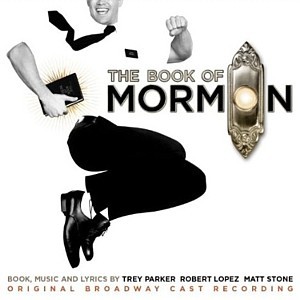
In the grand tradition of mismatched pairs, from Oscar Madison and Felix Unger in the play and television show The Odd Couple (one is slovenly, the other fastidious) to Eliza Doolittle and Professor Higgins in the musical My Fair Lady (one is a free spirit, the other has a stick up his ass) to the unforgettable character(s) portrayed by Rosey Grier and Ray Milland in the 1972 cinematic Siamese twin classic The Thing With Two Heads (tag-line: “They transplanted a WHITE BIGOT’S HEAD onto a SOUL BROTHER’S BODY!”), we meet the odd couple at the center of The Book of Mormon, Tony Award winner for Best Musical. Elder Price is the epitome of Mormon perfection – poised, self-confident, well-groomed, Disney-loving, the kind of guy you take home to meet your Mormon parents (much like the Mormon guy I met at a dance at Columbia University with whom I spent the night. He had an unusual way of kissing that I can only compare to wrapping your mouth around a vacuum cleaner hose. My tongue was swollen for a week. At work the Monday after our rendezvous my boss asked me to generate a report, to which I replied “Yesh shir, I’ll do thosh righ’ away.” It was painfully obvious I spent the weekend with someone who was no saint, latter-day or otherwise.). On the flip side, Elder Cunningham is dim, a social misfit, a sci-fi and fantasy enthusiast who compares Mormonism to The Lord Of The Rings, and also a Disney fan. Together the two are sent on a mission to a village in Uganda to spread the word of the book of Mormon, the third in a trilogy that began with The Bible: An Old Testament and continued with The Bible II: Electric Boogaloo. It’s the old fish-out-of-water trope, akin to the poor orphan Annie suddenly thrust into a world of wealth. However, The Book Of Mormon was created by Trey Parker and Matt Stone, the same guys who gave us South Park, the cartoon about foul-mouthed kids, so get ready for some seriously outrageous humor. For example, like Annie, Elder Price maintains a sunny “the sun’ll come out tomorrow” disposition, though unlike one of the characters in The Book of Mormon, Daddy Warbucks didn’t sing “I have maggots in my scrotum.” Even though in the original script of Annie he did, in fact, have scrotal maggots. That didn’t test well with the musical’s intended demographic of pre-teen girls. “Mommy, what’s a scrotum?” they’d ask, making their mothers nuts. Nuts. Get it? Nuts. That joke’s not testing well with my intended demographic of intelligent people.
The musical explodes right out of the gate with “Hello!”, an upbeat number in which young wide-eyed Mormon missionaries rehearse their best “knock-knock, can we share the good word?” spiels. It’s so infectiously catchy that in the songs titled “Hello” competition, Lionel Richie and Adele will have to duke it out for second place. I’d give it to Adele, but me thinks Lionel will take it, just as his album that included his “Hello,” which was not a contender for this list of my 100 favorite albums of all-time, took home the Album of the Year Grammy Award in 1985 over four albums that are coming up on this list. Lionel Richie’s Can’t Slow Down won over Prince’s Purple Rain? Hello?
From “Hello!” we go to “Two By Two,” in which the missionaries learn where they’ll be sent to proselytize. One pair is sent to Norway (“Land of gnomes and trolls!”), another to France (“Land of pastries and turtlenecks!”), and another to Japan (“Land of soy sauce and Mothra!”). Elders Price and Cunningham learn they’re being sent to Uganda, disappointing the former but exciting the latter when he learns Uganda is in Africa (“Oh boy – like Lion King!”).
Despite his disappointment in their chosen destination, Elder Price is full of confidence in his thirst for glory, while Elder Cunningham is happy to have a new potential friend. In “You and Me (But Mostly Me),” Price sings “I’ll do something incredible / That blows God’s freaking mind!” and “I can do most anything,” to which Cunningham responds “And I can stand next to you and watch!”, the same thing a guy I met in Palm Springs proposed to me. Another story for another time.
My favorite song on the album is “Hasa Diga Eebowai,” The Book of Mormon’s counterpart to “Hakuna Matata” from The Lion King. In this number, a local resident enlightens the Elders on how they navigate life’s trials, including poverty, disease, and warlords. While “hakuna matata” means no worry for the rest of our days, “hasa diga Eebowai” means something slightly different. You may not be able to look it up on Google translate, but this verse should give you a clue: “When the world is getting you down / There’s nobody else to blame / Raise your middle finger to the sky / And curse His rotten name!” Not gonna lie – it’s the mantra I’ve been waiting for my whole life.
That song contrasts with “Turn It Off,” in which the Mormons tell how they deal with negative feelings, which is to bury them down deep, like flipping a light switch on your feelings. This song not only boasts the disturbingly catchy sing-song couplet “My sister was a dancer / But she got cancer,” but also the best tap dancing on a record since Dutch singer Taco’s cover of “Puttin’ on the Ritz,” a worldwide hit in 1983.
Every Broadway musical has that one showstopper, and in The Book Of Mormon it’s “I Believe,” in which, after feeling some doubt, Elder Price decides to double down on the beliefs his faith has instilled in him: “I believe that God lives on a planet called Kolob,” “I believe that the Garden of Eden was in Jackson County, Missouri,” and “I believe that in 1978 God changed his mind about Black people.” It’s the “Don’t Cry For Me Argentina” of The Book of Mormon, a solo number performed by the show’s main character in which through song they affirm who they are at that moment, the only differences being the Evita classic doesn’t mention Kolob or the Garden of Eden or Black people, though the original composition had a line about Eva Perón’s scrotal maggots.
As the digital download was on sale on Amazon for 99 cents, I got the album and learned the songs a year before I saw the show. The songs, witty and melodic, stand on their own, though I did appreciate them more once I saw the musical. The Book Of Mormon is hilarious, audacious, sharp, satirical, bold, and refreshing.
It’s also racist af.
The BIG JOKE introduced in the song “Two By Two” is that our heroes are being sent to a Black country. The Ugandans are portrayed as violent, ignorant, naive, superstitious, sexually promiscuous caricatures who are easily manipulated by the well-meaning but clueless (and totally not culturally insensitive) white Mormon missionary heroes/saviors.
While the show is undeniably uproarious, during America’s Great Racial Reckoning Of 2020, perspectives emerged that it treats heavy issues like racism, colonialism, and poverty as punchlines through its self-discovery narrative focused on the clueless missionaries rather than truly exploring Ugandan life. Props to Trey Parker and Matt Stone for actually listening to the criticism and making adjustments to the script to address the objections raised. It’s like they’re saying, “That’s fair. Let’s fix this.”
Changes in the script of a Broadway musical comedy might not have been the most momentous thing to come from America’s Great Racial Reckoning Of 2020. Other changes included removing Confederate statues, changing offensive sports mascots, adding warnings before broadcasts of older movies and TV shows with racist/stereotypical content, acknowledging that one of the nicer things one can say about Christopher Columbus is he was an inept navigator who didn’t “discover” shit, pointing out Founding Fathers’ hypocrisies regarding all men being created equal, and discussing racial profiling/police militarization.
Companies rebranded products like Aunt Jemima syrup and Uncle Ben’s rice due to racist imagery, so now you won’t find any Black people in the homes of Fox News hosts.
“Be blonde, be thin, be white” is no longer the sole beauty message presented by Madison Avenue, though it is the entire want ad for women hosts on Fox News.
Hollywood has been called out for of some epic history fails. John Wayne as Genghis Khan? Charlton Heston as Moses? Elizabeth Taylor as Cleopatra? Madonna as a sentient human? That’s not to say Meryl Streep wouldn’t be amazing as the title character in The Legend Of Harriet Tubman: Underground And Over It. She just shouldn’t be on page one of the call sheet.
These momentous changes are slowly helping build a society where everyone gets treated with respect and human decency instead of slurs and stereotypes. . It’s basically like a national group therapy session, but without Roger, who keeps hogging the conversation talking about his ungrateful niece and his sciatica and the time he met Jenna Fischer who played Pam Beesly on the TV show The Office who allegedly told him he’s cute. Oh yeah, Roger? Well, I once made out with Wilson Cruz who played Ricky Vasquez on My So-Called Life in the dining hall at a charity fundraiser, and let me tell you, Roger, he’s a great kisser. No Hoovering there. He treated my tongue like the holy scepter it is.
While change takes time, these conversations aim to build a future of mutual respect regardless of identity by rectifying past mistakes through kindness, consideration and being “woke.”
Which brings us the main point of my essay: Those who constantly whine about woke this and woke that are people with whom I wouldn’t want to sleep in the first place.
Those moaning and groaning about the big bad “woke” boogeyman are simply allergic to empathy. They’ll take a stroll down Bullshit Lane to romanticize the “good old days” when Black people couldn’t vote and women existed solely as baby-makers. Peak freedom!
They treat minor inclusion efforts like it’s was the downfall of Western Civilization! Hasbro gave Mr. Potato Head a gender neutral rebrand, dropping the “Mr.” from the toy’s name. The response of the anti-wokers? “How dare they deny the gender of a potato! How dare they spit in the face of God, who created Mr. Potato Head and Mrs. Potato Head, not Adam and Spud!” They’ll do anything to “protect” kids from the danger of a fictitious non-binary root vegetable but will do nothing to about actual threats like gun violence at schools, because what is more dangerous – a disturbed teenager with access to an AK-47 or a plastic potato whose gender isn’t clearly identified on its box? They’d rather live in a fantasy land where the death of children is the price of freedom while potatoes have a strict gender code.
These champions of decency love crying “cancel culture!” – ignoring their own decades-long boycotts of anything that makes them feel uncomfortable. Books, media, even haircuts. That’s the pot calling the kettle a diversity hire. They’re currently outraged over Nike hiring a Black athlete who kneeled, a trans woman holding a beer can, a Black actress as a mythical mermaid, Target’s LGBTQ Pride merchandise, and Scrabble banning slurs.
These perfectly coherent and totally not-at-all insecure alpha males also called for a boycott of Chick-fil-A. Yes, the Christian chicken sandwich chain that they relentlessly rallied behind for years when the left tried to “cancel” them is now apparently too “woke” because they hired a Vice President of Diversity Equity & Inclusion. That led to one prominent conservative strategist to say “It’s only a matter of time until they start putting tranny semen in the frosted lemonade at this point.” That’s outrageously offensive. It’s trans semen in the lemonade. Retire your t-slur, sir/ma’am/gender nonconformist. It speaks to inner conflicts you may wish to reconcile that the hiring of an HR executive leads you to thoughts of cum guzzling. “What indignity will I suffer next? Getting a rimjob from a hot stud by the deep fryer? Getting gangbanged by a pack of muscle daddies on the griddle?”
Isn’t treating people with basic human dignity the supposedly fundamental teaching of their holy text? I’ll admit I’m not a scholar on The Bible – tl;dr – but I did see a production of the musical Jesus Christ Superstar, which qualifies me as an expert on the subject.
At their core, these anti-“woke”sters simply resent having to share privileges and hierarchies they believe their identities alone entitle them to. Preserving discrimination is their religion – empathy and progress are heathen sacrilege! So they repackage hatred as “family values” while ignoring how their faiths actually teach the compassion they resist.
Instead of melting down over benign efforts at inclusion, the anti-woke crowd should revisit the principles of human dignity and social justice in their own faiths before branding them radical threats. From a caring view, they are the ones acting against stated beliefs and causing trouble by spreading hate under a victimhood pretext.
And if they insist they are doing God’s work – that God hates “woke” the way I hate string beans – then my only response is Hasa Diga Ebowai.