Tunes Du Jour Presents Nile Rodgers

If you’ve ever found yourself on a dance floor, there’s a very high probability you’ve been moving to the work of Nile Rodgers. While his name might not be as instantly recognizable as the superstars he’s worked with, his sound is an undeniable part of modern music history. Looking at a playlist of his work is like taking a tour through the last five decades of pop, funk, and rock. He’s the common thread, the secret ingredient, and the architect behind countless hits, often armed with his signature 1960 Fender “Hitmaker” Stratocaster.

It all starts with Chic, the band he co-founded with the brilliant bassist Bernard Edwards. On tracks like “Good Times,” “Le Freak,” “I Want Your Love,” “Everybody Dance,” and the rest of the Chic songs on this list, Rodgers served as co-writer, guitarist, and co-producer. This partnership, known as The Chic Organization, became a powerhouse production unit. They took their signature blend of sophisticated funk, propulsive rhythms, and string-laden elegance and applied it to other artists. For Sister Sledge, they wrote, produced, and performed on “We Are Family,” “He’s the Greatest Dancer,” and “Lost In Music,” transforming the family group into global sensations. They did the same for Diana Ross, delivering her iconic hits “Upside Down” and “I’m Coming Out,” where Rodgers once again handled co-writing, guitar, and co-production duties.

As the 1980s dawned, Rodgers stepped into a new role as a solo super-producer, shaping the sound of the decade. He produced David Bowie’s blockbuster album Let’s Dance, playing his distinct, chiming guitar on the title track, “Modern Love,” and “China Girl.” While he didn’t write those songs, his production and arrangements are largely responsible for making them monumental hits. He did the same for Madonna, producing her album Like a Virgin. On tracks like the title song, “Material Girl,” “Dress You Up,” and “Angel,” Rodgers was the producer and a key guitarist, helping to craft the clean, sharp, and irresistibly danceable sound that defined her early career. He also brought his Midas touch to the world of New Wave, producing the hit single version of Duran Duran’s “The Reflex” and co-producing their smash, “Wild Boys.”

Beyond these marquee names, Rodgers’s discography reveals an incredible range. He was the producer who helped The B-52’s craft the polished and joyful sound of “Roam.” He produced the sleek, funk-rock of INXS’s “Original Sin” and the anthemic “Lay Your Hands On Me” for the Thompson Twins. His work with female vocalists continued to shine, from co-writing and co-producing the criminally underrated groove of Carly Simon’s “Why” to lending that same full-service treatment to Debbie Harry’s solo track “Backfired,” Grace Jones’ “I’m Not Perfect,” and Sheila & B. Devotion’s European disco classic, “Spacer.” On each of these, he was not just behind the board but was an active writer and musician.

Decades later, that same unmistakable guitar and rhythmic sensibility are as relevant as ever. His re-emergence into the mainstream wasn’t a comeback, but simply a reminder that he never left. He brought his magic to Daft Punk’s “Get Lucky,” which he co-wrote and on which he played that instantly recognizable guitar riff. More recently, he contributed his guitar playing and received a co-writing credit on Beyoncé’s “CUFF IT,” a track that feels like a direct descendant of the joyful, sophisticated funk he pioneered. From disco to new wave, and from 80s pop to 21st-century R&B, Nile Rodgers’s role has been consistent: he is the man who provides the foundation, the feel, and the funk that makes the world want to dance.

Follow Tunes Du Jour on Facebook

Follow me on Bluesky

Follow me on Instagram
Tunes Du Jour Presents Fiona Apple

Fiona Apple’s career reads like a masterclass in artistic evolution, beginning with the raw vulnerability that made “Criminal” a cultural phenomenon in 1996. From her debut album Tidal, tracks like “Sleep to Dream” and “Shadowboxer” established her as an artist unafraid to excavate the messier corners of human emotion. These early songs showcased a young woman wrestling with desire, anger, and self-discovery through piano-driven compositions that felt both intimate and explosive. Apple’s voice, even then, carried a weight that suggested experiences far beyond her years.

The progression from her debut through albums to its follow-ups When the Pawn… and Extraordinary Machine reveals an artist continuously refining her approach without sacrificing intensity. Songs like “Fast as You Can” and “Paper Bag” demonstrate her ability to craft complex emotional narratives that resist easy categorization.

Apple’s later work, particularly evident in tracks like “Every Single Night” from The Idler Wheel… and the entire Fetch the Bolt Cutters era, shows her pushing into increasingly experimental territory. Songs like “Shameika,” “Heavy Balloon,” and the title track “Fetch the Bolt Cutters” reveal an artist who has grown more confident in her willingness to challenge conventional song structures. The percussion-heavy, almost ritualistic quality of these newer compositions suggests someone who has found liberation in embracing chaos rather than fighting it.

What emerges from examining this collection is Apple’s consistent refusal to smooth over the jagged edges of human experience. Whether exploring themes of mental health in “Heavy Balloon,” childhood trauma in “Shameika,” or relationship dynamics in “Hot Knife” and “Valentine,” she approaches each subject with unflinching honesty. Her willingness to sit with discomfort, both musically and lyrically, has created a body of work that feels essential rather than merely entertaining.

While she is fiercely individual, the playlist also highlights her power as a collaborator and interpreter. Hearing her voice alongside Johnny Cash’s on “Bridge over Troubled Water” is a profound meeting of two artists who share a certain gravitas, and her contributions to songs by The Waterboys or Iron & Wine show how her distinct phrasing can elevate another’s work. This respect from her peers is perhaps best illustrated by an invitation from Bob Dylan to play piano on his epic “Murder Most Foul.” Apple later shared that she felt insecure about the task, but Dylan offered the perfect reassurance: “You’re not here to be perfect, you’re here to be you.” That sentiment gets to the heart of her appeal. She is a musician’s musician, valued precisely for the unique, imperfect, and wholly authentic self she brings to the table.

To listen to Fiona Apple, from the defiant teenager of “Sleep to Dream” to the liberated woman of “I Want You To Love Me,” is to witness an artist in a constant state of unfolding. Her music doesn’t offer easy answers or simple sentiments. Instead, it offers something more valuable: companionship in complexity. It’s a body of work that validates the tangled, messy, and often difficult process of knowing yourself and, when necessary, finding the courage to fetch the bolt cutters and set yourself free.

Follow Tunes Du Jour on Facebook

Follow me on Bluesky

Follow me on Instagram
Tunes Du Jour Presents Bee Gees

Bee Gees. The name alone often conjures images of white suits, falsetto, and disco balls, immediately transporting listeners back to the late 1970s. While their colossal success with the Saturday Night Fever soundtrack undeniably cemented their place in pop culture history, reducing the Gibb brothers’ immense career to just that era would be to overlook one of pop music’s most remarkable and enduring legacies. Their creative output, driven by the unique talents of Barry, Robin, and Maurice Gibb, spans decades and styles, revealing a depth and adaptability that few artists achieve.

Before they ignited dance floors, the Bee Gees were already seasoned songwriters and performers, crafting sophisticated pop and heartfelt ballads. Listen to tracks like 1967’s soulful “To Love Somebody,” inspired by the works of Otis Redding, or the evocative storytelling of “New York Mining Disaster 1941.” Their early period delivered beautifully orchestrated pop with “Massachusetts” and “Holiday,” alongside the melancholic charm of “Words” and “I Started A Joke.” This era showcases a mastery of melody and harmony, often with a dramatic flair, and demonstrates their ability to connect emotionally with audiences through deeply personal narratives, long before the iconic white suits ever came into play.

By the mid-1970s, the Bee Gees were ready for a transformation. Embracing a more R&B-influenced sound, they transitioned with tracks like “Jive Talkin'” and “Nights on Broadway,” which hinted at the rhythmic shift to come. Then came the explosion of Saturday Night Fever, which showcased their incredible range with the unstoppable pulse of “Stayin’ Alive” and “Night Fever” alongside the tender balladry of “How Deep Is Your Love.” This variety proves that even at their commercial peak, they were focused on creating meticulously crafted pop songs, not just dance hits. Their signature harmonies were now wrapped in infectious grooves, demonstrating a keen ear for contemporary sounds while retaining their melodic brilliance. It was a deliberate, and spectacularly successful, reinvention that proved their versatility.

Even as the disco era waned, the Bee Gees continued to write and perform, proving their staying power was rooted in songwriting, not just a trend. Post-fever hits like “Too Much Heaven,” “Tragedy,” and “Love You Inside Out” kept their sound fresh, while later successes like 1987’s “You Win Again” and 1989’s “One” showcased their continued relevance and ability to adapt. Whether they were penning hits for themselves or for other artists, the underlying quality of their compositions remained consistently high, a testament to the brothers’ collaborative genius and their intuitive understanding of what makes a great song.

To explore the Bee Gees’ discography is to embark on a journey through diverse musical landscapes, far beyond any single genre label. From their baroque pop beginnings to their R&B-infused disco zenith and beyond, their extensive catalog reveals a consistent thread of masterful songwriting and unparalleled vocal harmonies. The Gibb brothers were truly innovators, evolving with the times while maintaining an identifiable sound. Their legacy isn’t just about iconic hits; it’s about the sheer breadth and enduring quality of their contribution to popular music, inviting listeners to discover the full, rich story.

Follow Tunes Du Jour on Facebook

Follow me on Bluesky

Follow me on Instagram
Tunes Du Jour Presents 1965

Have you ever looked at a playlist from a single year and felt a sense of disbelief? It’s one thing for a year to produce a few memorable hits, but it’s another for it to feel like a highlight reel of music history. Looking at the charts from 1965 is exactly that kind of experience. It wasn’t just a year of good songs; it was a pivotal moment when popular music seemed to mature in several different directions at once, producing an astonishing collection of classics that still resonate today.

On one hand, 1965 saw the art of the immaculately produced pop song reach a new peak. The Motown machine was in full, glorious swing, giving us the suave romance of The Temptations’ “My Girl” and the intricate heartbreak of Smokey Robinson’s “The Tracks of My Tears.” The Supremes demanded attention with the dramatic plea of “Stop! In the Name of Love,” a perfect example of studio craftsmanship meeting raw emotion. Across the Atlantic, Petula Clark’s “Downtown” offered a sweeping, cinematic vision of city life. These weren’t just catchy tunes; they were impeccably arranged, powerfully sung, and emotionally direct pieces of art that defined a certain kind of pop perfection.

At the very same time, a grittier, more defiant sound was taking hold. The Rolling Stones’ “(I Can’t Get No) Satisfaction” wasn’t just a hit song; it was a statement of intent, built around a fuzzy, unforgettable guitar riff that sounded like pure frustration. This raw energy was a common thread. From the garage-rock howl of Them’s “Gloria” to the stuttering, youthful angst of The Who’s “I Can’t Explain,” rock music was shedding its cleaner-cut image. This wasn’t the polished sound of the studio; it was the restless sound of the rehearsal room, and it was connecting with an entire generation.

Beyond the evolving sounds, the lyrical substance of popular music was deepening profoundly. Bob Dylan completely rewrote the rules with “Like a Rolling Stone,” a six-minute epic of poetic scorn that proved a hit single could be complex, challenging, and literary. That same year, The Byrds took Dylan’s words and electrified them, creating a new genre overnight with their shimmering version of “Mr. Tambourine Man.” This new lyrical consciousness also carried immense social weight. Sam Cooke’s posthumously released “A Change Is Gonna Come” and The Impressions’ hopeful “People Get Ready” became enduring anthems of the Civil Rights Movement, demonstrating that music could be both a comfort and a powerful call for progress.

What makes 1965 so striking is that none of these developments happened in isolation. It was a year of convergence, where you could hear the sweet soul of Marvin Gaye’s “How Sweet It Is (To Be Loved By You)” on the radio right next to the birth of funk in James Brown’s “Papa’s Got a Brand New Bag.” The carefree optimism of The Beach Boys’ “California Girls” shared the airwaves with the deep, aching soul of Otis Redding’s “I’ve Been Loving You Too Long.” The sheer volume of landmark recordings from this single 12-month period is a testament to a unique moment in time—a year when the boundaries of pop music were expanding in every direction, leaving us with a collection of songs that feel less like relics and more like foundation stones.

Follow Tunes Du Jour on Facebook

Follow me on Bluesky

Follow me on Instagram
Tunes Du Jour Celebrates National Eye Exam Month

August is National Eye Exam Month in the US of A, so do yourself a favor and make an appointment to see an eye care professional. Your eyes will thank you (which is reason enough to see such a doctor, for if your eyes are talking, something is very very wrong).

Below are 30 songs with the word “eye” (or “eyes”) in the title.

Follow Tunes Du Jour on Facebook

Follow me on Bluesky

Follow me on Instagram

Tunes Du Jour Presents 1984

It’s hard to overstate how culturally dominant pop music was in 1984—or how much the year reshaped the landscape. Many of the songs on this playlist weren’t just hits; they were defining moments, launching or solidifying the careers of artists whose names still carry weight today. The sheer number of songs from 1984 that are still instantly recognizable points to a moment when creativity, commerce, and cultural change aligned. The presence of “Thriller”—Michael Jackson’s seventh single from the album of the same name—reminds us that the music business had never seen anything quite like this before. And yet, he wasn’t the only artist making history.

Prince’s “Purple Rain” marked not just a commercial breakthrough, but a creative one. It’s a song, an album, and a film—each enhancing the other’s mythology. Similarly, “Like a Virgin” signaled Madonna’s arrival as more than a pop star; she became a cultural force. Tina Turner, with “What’s Love Got to Do with It,” pulled off one of the most celebrated comebacks in music history. And Cyndi Lauper’s “Girls Just Want to Have Fun” brought an infectious blend of new wave and punky playfulness to the mainstream, reshaping ideas about femininity and pop performance.

Meanwhile, the rock world was hardly on pause. “Jump” became Van Halen’s biggest hit, thanks to its synth hook and anthemic chorus, while Bruce Springsteen’s “Dancing in the Dark” pushed his career into stadium territory. Across the Atlantic, U2’s “Pride (In the Name of Love)” began their transformation from college radio favorites to global headliners. The Replacements’ “I Will Dare,” from Let It Be, captured the heart of American indie rock—irreverent, emotionally raw, and just tuneful enough to hint at wider possibilities. And among the post-punk and alternative set, songs like “The Killing Moon” by Echo & the Bunnymen and “Heaven Knows I’m Miserable Now” by The Smiths gave moody introspection a lasting soundtrack.

What also stands out in 1984 is the range of genres that made a mainstream impact. Shannon’s “Let the Music Play” helped lay groundwork for freestyle, and Chaka Khan’s “I Feel for You” was a pivotal crossover moment, bringing together R&B, pop, and hip-hop. Run-D.M.C.’s “Rock Box” did something similar, blending rap and rock before it was fashionable. The Pointer Sisters’ “Automatic” was one of several hits that proved they could thrive in an electronic pop era without losing their vocal identity. Even novelty songs like “Ghostbusters” or the cheerful “Wake Me Up Before You Go-Go” helped shape the sound of the time.

Beyond chart success, 1984’s songs carried messages—sometimes playful, sometimes political. “Free Nelson Mandela” by The Special A.K.A. was a global anthem of protest. Depeche Mode’s “Blasphemous Rumours” examined faith and fate with a dark electronic edge. And “Somebody’s Watching Me,” a paranoid slice of synth-pop, foreshadowed a media culture on the verge of explosion. Whether on the dancefloor, in dorm rooms, or through the television set, 1984’s music didn’t just reflect its era—it helped define it.

Follow Tunes Du Jour on Facebook

Follow me on Bluesky

Follow me on Instagram
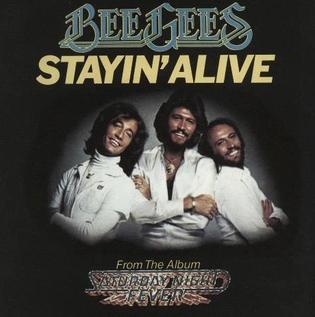
Tunes Du Jour Celebrates Sisters Day

Happy Sisters Day! There’s a unique, almost telepathic bond between sisters, and nowhere is that connection more audible than in music. When sisters sing together, they create a blend that often is simply magical—a harmony that’s been practiced over a lifetime.

In celebration of this incredible bond, I’ve curated a playlist of songs from groups that feature at least one pair of sisters. From the tough-girl cool of the ’60s girl groups to ’80s rock goddesses, ’90s pop sensations, and modern indie darlings, this playlist is a testament to the power of sisterhood in harmony. So grab your sister (or your chosen sister!), turn up the volume, and let’s dive in.


Leader of the Pack – The Shangri-Las
The Sisters: Mary and Elizabeth “Betty” Weiss were the heart of this legendary girl group, alongside the identical twins Marge and Mary Ann Ganser. With their dramatic, soap-opera-in-a-song storytelling and a “tougher than the boys” attitude, the Shangri-Las stood out. “Leader of the Pack” is their definitive mini-masterpiece of teenage tragedy.

Emmylou – First Aid Kit
The Sisters: Swedish folk duo Klara and Johanna Söderberg are revered for their breathtaking, otherworldly harmonies. On “Emmylou,” they pay beautiful tribute to their country music heroes (Emmylou Harris, Gram Parsons, June Carter, and Johnny Cash), creating a modern folk classic that feels utterly timeless.

Be My Baby – The Ronettes
The Sisters: The iconic lead vocals of Veronica “Ronnie” Bennett (later Spector) were backed by the harmonies of her older sister, Estelle Bennett, and their cousin Nedra Talley. This song, with its legendary drum intro and Phil Spector’s Wall of Sound production, is pure pop perfection and a benchmark for the girl group era.

C’est la Vie – B*Witched
The Sisters: This infectiously cheerful Irish pop group featured identical twin sisters Edele and Keavy Lynch (whose brother, Shane, was in the boy band Boyzone). “C’est la Vie,” with its jig-dancing, double-denim aesthetic, and suggestive lyrics, is a pure shot of late-’90s bubblegum pop nostalgia.

We Are Family – Sister Sledge
The Sisters: It’s right there in the name! Debbie, Joni, Kim, and Kathy Sledge are the four sisters who became a global phenomenon with this timeless anthem. Written and produced by Nile Rodgers and Bernard Edwards of Chic, the song wasn’t just a disco smash; it became a universal hymn for families, teams, and communities everywhere.

Move Ya Body – Nina Sky
The Sisters: Identical twin sisters Nicole and Natalie Albino make up the duo Nina Sky. This dancehall-infused debut single was a massive summer smash in 2004, and its infectious “Diwali Riddim” beat still fills dancefloors today.

Walk Like an Egyptian – Bangles
The Sisters: Vicki and Debbi Peterson (guitar and drums, respectively) were the sibling core of the Bangles. While Susanna Hoffs often took the lead, the Petersons’ rock-solid rhythm and harmonies were essential to the band’s sound. This quirky, chart-topping hit became one of the most memorable songs of the ’80s.

Closer – Tegan And Sara
The Sisters: Canadian identical twin sisters Tegan and Sara Quin have been indie-rock mainstays for years. “Closer” marked their brilliant pivot into synth-pop, a shimmering, exhilarating track about the thrill of a crush before a relationship even begins. It’s a masterclass in pop songwriting.

I’ll Take You There – The Staple Singers
The Sisters: Gospel and soul royalty, The Staple Singers were a true family affair led by patriarch “Pops” Staples. His daughters Mavis, Cleotha, and Yvonne Staples provided the heavenly, soul-stirring harmonies. This song, with its iconic bassline borrowed from a reggae track, is a blissful invitation to a better place.

I Love How You Love Me – The Paris Sisters
The Sisters: Albeth, Sherrell, and Priscilla Paris were known for their incredibly tight, close-miked, whispery harmonies. Produced by Phil Spector before his Wall of Sound days, this dreamy, delicate ballad perfectly captures the sweet innocence of young love.

Best of My Love – The Emotions
The Sisters: Wanda, Sheila, and Pamela Hutchinson are the Chicago-born sisters behind The Emotions. This joyous, soaring disco-soul classic was co-written and produced by Earth, Wind & Fire’s Maurice White, and it showcases their absolutely flawless, exuberant harmonies. It’s impossible not to smile while listening.

Hippychick – Soho
The Sisters: This one-hit wonder from 1990 was fronted by twin sisters Jacqueline “Jacqui” and Pauline Cuff. The song’s laid-back groove is built around a genius sample of The Smiths’ “How Soon Is Now?,” creating a track that’s instantly recognizable and quintessentially of its era.

Never Ever – All Saints
The Sisters: The ’90s British girl group All Saints, known for their cooler, more casual style, included sisters Natalie and Nicole Appleton. “Never Ever” was their biggest hit, a soulful, melancholic R&B ballad that became one of the best-selling singles by a girl group in the UK.

Nothing But A Heartache – The Flirtations
The Sisters: Though their lineup shifted, this American vocal group (who found fame in the UK) was founded by sisters Shirley and Pearly Pearce. “Nothing But a Heartache” is a prime cut of Northern Soul—up-tempo, dramatic, and deeply soulful, it’s a crate-digger’s treasure.

The Sign – Ace Of Base
The Sisters: This Swedish pop group that dominated the airwaves in the ’90s was fronted by sisters Jenny and Linn Berggren. Their distinct voices—Jenny’s powerful and clear, Linn’s ethereal and soft—were the perfect vehicle for this insanely catchy reggae-pop confection that took over the world.

Popsicles and Icicles – The Murmaids
The Sisters: Sisters Carol and Terry Fischer were two-thirds of The Murmaids. This sweet, dreamy tune, written by a young David Gates (who would later form the band Bread), became a surprise hit in 1963 and remains a perfect example of the innocent charm of the era.

Chapel of Love – Dixie Cups
The Sisters: New Orleans trio The Dixie Cups featured sisters Barbara Ann and Rosa Lee Hawkins, along with their cousin Joan Marie Johnson. Their version of “Chapel of Love” knocked The Beatles out of the #1 spot in 1964.

Boogie Fever – The Sylvers
The Sisters: The Sylvers were a large family band, similar to the Jacksons. On their biggest hit, “Boogie Fever,” the lead vocals are handled by Edmund Sylvers, but the shimmering, essential background harmonies come courtesy of sisters Olympia and Charmaine Sylvers.

My Boyfriend’s Back – The Angels
The Sisters: This sassy girl-group classic was powered by sisters Barbara “Bibs” and Phyllis “Jiggs” Allbut. The song is a perfect slice of early ’60s pop, a warning to a would-be suitor that her boyfriend is back in town and “gonna save my reputation.”

Eres Tu (Touch the Wind) – Mocedades
The Sisters: This Spanish group featured three sisters in its classic lineup: Amaya, Izaskun, and Estíbaliz Uranga. “Eres Tú” was Spain’s entry in the 1973 Eurovision Song Contest. It didn’t win, but it became a massive global hit, showcasing the group’s lush, soaring vocal arrangements.

Cannonball – The Breeders
The Sisters: A cornerstone of ’90s alternative rock, The Breeders were formed by Kim Deal (of the Pixies) and her identical twin sister, Kelley Deal. “Cannonball,” with its iconic slithering bassline, nonsensical lyrics, and explosive chorus, is a blast of pure, raw, and effortlessly cool rock and roll.

The Ketchup Song (Aserejé) – Las Ketchup
The Sisters: Say it out loud: The Ketchup sisters! This one is wonderfully literal. Spanish sisters Lola, Pilar, and Lucía Muñoz are the daughters of a flamenco guitarist known as “El Tomate” (The Tomato). Their nonsensical smash hit, complete with a viral dance, was inescapable throughout Europe in the summer of 2002.

The Wire – HAIM
The Sisters: Este, Danielle, and Alana Haim are the quintessential modern sister act. The multi-instrumentalist siblings from California burst onto the scene with a sound that blended ’70s soft rock with ’80s pop. “The Wire” is a perfect introduction to their intricate rhythms and impeccable harmonies.

Hammond Song – The Roches
The Sisters: Maggie, Terre, and Suzzy Roche were a trio of sisters from New York known for their astonishingly complex, intricate, and often quirky folk harmonies. “Hammond Song,” from their debut album produced by King Crimson’s Robert Fripp, is a haunting and beautiful display of their unique vocal chemistry.

Not Ready To Make Nice –The Chicks
The Sisters: Martie Maguire (fiddle) and Emily Strayer (banjo, dobro) are the instrumental powerhouses and harmony singers of this trailblazing country trio. This fiery, defiant anthem was their response to the backlash they faced for speaking out against the Iraq War, and it earned them three Grammy Awards, including Song of the Year.

Respectable – Mel & Kim
The Sisters: British sisters Melanie and Kim Appleby were a vibrant pop duo who worked with the hitmaking team of Stock Aitken Waterman. “Respectable” is a sassy, high-energy dance-pop track that champions self-respect and fun. Tragically, Mel passed away from cancer in 1990 at the peak of their fame.

Alone – Heart
The Sisters: Ann and Nancy Wilson are rock and roll royalty. With Ann’s powerhouse vocals and Nancy’s virtuosic, dynamic guitar work, they have been the unwavering core of Heart for decades. While “Alone” is a cover, their rendition transformed it into one of the greatest power ballads of all time.

Mr. Lee – The Bobbettes
The Sisters: This groundbreaking group included sisters Jannie and Emma Pought. In 1957, The Bobbettes became the first all-female group to write their own #1 R&B hit. “Mr. Lee,” a song originally written to tease a teacher they disliked, is a fun, foundational piece of rock and roll history.

Automatic – The Pointer Sisters
The Sisters: Anita, June, Ruth, and Bonnie Pointer began by singing a mix of jazz, soul, and country before reinventing themselves as sleek, synth-pop superstars following Bonnie’s departure from the group. This ’80s classic is a prime example of their funky, high-tech sound, driven by Ruth Pointer’s incredibly deep and sultry lead vocal.

I Wanna Love Him So Bad – The Jelly Beans
The Sisters: This gem from the golden age of girl groups featured the powerful harmonies of sisters Maxine and Betty Smith. Discovered while still in high school, The Jelly Beans were teamed with legendary songwriters Jeff Barry and Ellie Greenwich. The result was this classic expression of teenage devotion, a perfect slice of 1964 pop.


I hope you enjoyed this journey through the history of sister acts in music. Share this playlist with your sister and have a wonderful, music-filled Sisters Day!

Follow Tunes Du Jour on Facebook

Follow me on Bluesky

Follow me on Instagram
Tunes Du Jour Presents Covers Of The Rolling Stones

One of the best ways to understand a song’s true strength is to hear it played by someone else. When a song can be lifted from its original context, performed by a different artist in a new style, and still resonate, you know the writers built it on a solid foundation. Looking at the sheer breadth of artists who have successfully interpreted the songs of Mick Jagger and Keith Richards, it becomes clear that their songwriting partnership created something remarkably durable. While their own recordings as The Rolling Stones are iconic, it’s the cover versions that reveal the fundamental power of the compositions themselves.

The playlist immediately highlights how deeply their writing is rooted in the American soul and R&B they revered. It’s one thing to be influenced by a genre; it’s another to write songs that the masters of that genre can inhabit as their own. When you hear Aretha Franklin transform “Jumpin’ Jack Flash” into a gospel-fueled force of nature, or Ike & Tina Turner inject “Honky Tonk Women” with their signature high-octane energy, you realize the songs contain an authentic rhythmic and emotional core. This goes even deeper with Solomon Burke’s take on “I Got the Blues” or Bettye LaVette’s searing, world-weary version of “Salt of the Earth.” These aren’t just covers; they are reclamations, demonstrating that the blueprints Jagger and Richards created were so solid that they could hold the weight of the most powerful voices in soul music.

What’s also remarkable is the structural flexibility of their work. A great Jagger/Richards song often has a distinct personality, yet its core components—melody, lyrical theme, and chordal movement—are adaptable enough to thrive in entirely new environments. The post-punk angularity of Devo’s “(I Can’t Get No) Satisfaction” strips away the blues swagger to expose the lyric’s timeless complaint of modern alienation. The Sundays reimagine the country-tinged “Wild Horses” as a piece of shimmering, ethereal dream pop, proving the song’s beautiful melody is its true anchor. Even more extreme, the Ramones boil “Out of Time” down to its raw essentials, recasting the shuffling pop song as a driving, three-chord punk declaration, while Ituana finds a relaxed, bossa nova groove in the epic “You Can’t Always Get What You Want.” The songs don’t just survive these transformations; they reveal different facets of their character.

Ultimately, this collection of performances underscores that the Jagger/Richards catalog is more than a collection of iconic riffs and rock and roll attitude. These are fundamentally well-crafted songs. They can be country laments in the hands of Johnny Cash (“No Expectations”) or Steve Earle (“Dead Flowers”). They can be theatrical pop statements for David Bowie (“Let’s Spend The Night Together”) or Bryan Ferry (“Sympathy for the Devil”). They can even be played for laughs by “Weird Al” and The Folksmen precisely because the source material is so instantly recognizable. The Rolling Stones’ versions will always be definitive, but these interpretations from other artists give us a clearer view of the writers’ craft, proving the songs stand on their own, ready for anyone to find a piece of their own story within them.

Follow Tunes Du Jour on Facebook

Follow me on Bluesky

Follow me on Instagram