Tunes Du Jour Presents 2009

Looking at a list of songs from 2009 feels a bit like opening a time capsule. It’s a year that feels both incredibly recent and like a completely different era. The internet had firmly established itself as the primary engine of music discovery, yet the monoculture of massive, universally-known hits was still holding on. It was a year of distinct, confident sounds, where different genres weren’t just blending together, but thriving in their own parallel lanes. From stadium-sized anthems to bedroom-born electronic experiments, the music of 2009 was defined by a remarkable breadth of creativity.

One of the most prominent stories of the year was the flourishing of indie rock. This wasn’t the scrappy, underground sound of years past; this was indie at its most ambitious and critically adored. You had the intricate, harmony-drenched compositions of Grizzly Bear on “Two Weeks” and the hypnotic, looping bliss of Animal Collective’s “My Girls.” These were songs that rewarded close listening. Elsewhere, artists like Bat For Lashes (“Daniel”) and Dirty Projectors (“Stillness Is The Move”) were crafting their own unique sonic worlds, while bands like the Yeah Yeah Yeahs (“Zero”) and Japandroids (“Young Hearts Spark Fire”) delivered pure, cathartic energy. It was a moment where “alternative” music felt like it was setting the cultural agenda.

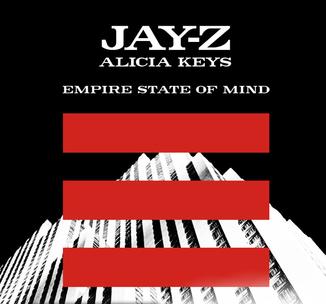
Meanwhile, the top of the charts was being shaped by bold new directions in pop and hip-hop. Lady Gaga’s “Bad Romance” wasn’t just a song; it was a high-concept art project, signaling a new level of theatricality in pop music. This stood alongside the effortless, feel-good charm of Miley Cyrus’s “Party in the U.S.A.” and Kelly Clarkson’s powerhouse hit-making on “My Life Would Suck Without You.” In hip-hop, the genre’s emotional palette was expanding dramatically. You had Jay-Z and Alicia Keys delivering a timeless, triumphant anthem with “Empire State Of Mind,” while at the same time, Kanye West’s auto-tuned melancholy on “Heartless” and Kid Cudi’s spacey introspection on “Day ‘N’ Nite” were paving the way for a more vulnerable sound. The arrival of Drake with “Best I Ever Had” confirmed this shift toward melody and emotional openness was here to stay.

This wasn’t to say that straightforward rock and roll had been left behind. On the contrary, it was a year of massive, unifying rock anthems. Kings Of Leon reached their popular peak with “Use Somebody,” a song that seemed to be playing in every stadium and on every radio station in the world. The UK, meanwhile, was providing its own distinct contributions, from the grand, theatrical rebellion of Muse’s “Uprising” and the clever songwriting of Arctic Monkeys on “Cornerstone” to the dance-floor-ready energy of Franz Ferdinand’s “Ulysses.”

Looking back at this collection of songs, what’s most striking is the confidence of it all. It was a year where artists were creating fully realized worlds for listeners to step into. Whether it was the raw nerve of The Ting Tings, the grime-infused electro of Dizzee Rascal’s “Bonkers,” or the classic synth-pop of Pet Shop Boys, each track feels like a distinct statement. It was a time when you could have a playlist that jumped from an introspective indie ballad to a global pop phenomenon, and the whole thing made perfect sense. It was the sound of several different musical futures all happening at once.

Follow Tunes Du Jour on Facebook

Follow me on Bluesky

Follow me on Instagram
Tunes Du Jour Presents The Prince Songbook

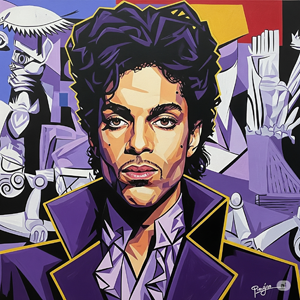
Prince’s genius as a performer is well-documented, but his legacy as a songwriter may be even more far-reaching. The songs he wrote—sometimes directly for others, sometimes borrowed or reimagined—traveled in unexpected directions, often landing in voices very different from his own. Sinéad O’Connor’s haunting version of “Nothing Compares 2 U” turned emotional restraint into a global anthem, while Chaka Khan’s take on “I Feel for You” transformed a tightly wound synth-funk track into a dancefloor juggernaut with help from Melle Mel and Stevie Wonder. The Bangles’ jangly “Manic Monday” showed his facility with classic pop forms.

Sometimes Prince gave away songs without credit. Stevie Nicks has said “Stand Back” wouldn’t exist without his impromptu help; he played the synth part that defined the track, and then slipped away, declining a formal writing credit. His fingerprints are on the Sheila E. hit “The Glamorous Life” and The Time’s “Jungle Love,” both written and produced by Prince but performed by his protégés. Even artists as distinct as Alicia Keys and Tom Jones found new depths and textures in his work, whether covering “How Come You Don’t Call Me” or reinterpreting “Kiss.” In many cases, he gave female artists some of their most complex and empowered material: see Sheena Easton’s risqué “Sugar Walls” or Martika’s spiritual “Love… Thy Will Be Done.”

What’s most remarkable is how well these songs hold up when refracted through other voices. Cyndi Lauper brought vulnerability to “When You Were Mine,” TLC made “If I Was Your Girlfriend” even more intimate, and even idiosyncratic takes like Sufjan Stevens on “Alphabet Street” or P.M. Dawn’s dreamlike “1999” as incorporated in “Fantasia’s Confidential Ghetto” show how flexible his songwriting was. Prince’s compositions had structure, hooks, and heart, but they were never rigid. That elasticity allowed other artists not just to sing his songs, but to inhabit them.

Follow Tunes Du Jour on Facebook

Follow me on Bluesky

Follow me on Instagram
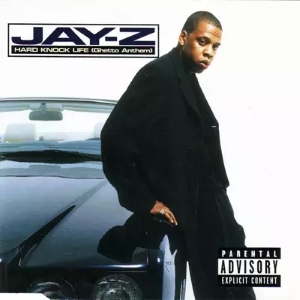
Tunes Du Jour Presents Jay-Z

Jay-Z’s musical journey is a testament to artistic evolution, entrepreneurial spirit, and the power of reinvention. Born Shawn Corey Carter in Brooklyn’s Marcy Projects, he transformed the challenges of his early life into a narrative of remarkable success that extends far beyond music. His discography reflects not just his lyrical prowess, but a strategic approach to storytelling that captures the complexities of urban experience, ambition, and personal growth.

From early tracks like “Can’t Knock the Hustle” to later, more reflective works like “The Story of O.J.,” Jay-Z has consistently demonstrated an ability to narrate his life’s trajectory with remarkable honesty and insight. His collaborations reveal another dimension of his artistry – whether trading verses with Kanye West, creating anthems with Rihanna, or exploring complex themes with artists like Justin Timberlake, he has always been more than just a solo performer. These partnerships showcase his versatility and his skill in creating music that resonates across different genres and audiences.

Beyond music, Jay-Z emerged as a cultural entrepreneur who redefined what success could look like for a hip-hop artist. His business ventures – from Roc-A-Fella Records to Tidal, and partnerships with brands like Armand de Brignac champagne – illustrate a vision that extends well beyond creating hit tracks. He transformed the traditional narrative of a rapper’s career, positioning himself not just as an artist, but as a mogul who could navigate both creative and corporate landscapes with equal finesse.

His personal life, particularly his relationship with Beyoncé, has also been a significant part of his public persona. Together, they’ve created a power couple narrative that transcends music, touching on themes of love, family, and shared ambition. Albums like EVERYTHING IS LOVE demonstrate their ability to collaborate not just as romantic partners, but as artistic collaborators who can create groundbreaking work together.

What makes Jay-Z’s journey particularly compelling is how he has continually evolved. From street narratives to introspective explorations of success, race, and personal growth, he has never allowed himself to be confined by early expectations. His music has become a form of cultural commentary, addressing systemic issues while celebrating individual achievement. Whether through tracks that become New York anthems like “Empire State of Mind” or provocative statements like “D.O.A. (Death of Auto-Tune),” he has consistently pushed musical and cultural boundaries, cementing his status as not just a hip-hop artist, but a true cultural icon.

Follow Tunes du Jour on Facebook

Follow me on Bluesky

Follow me on Instagram
Your (Almost) Daily Playlist: 7-29-24

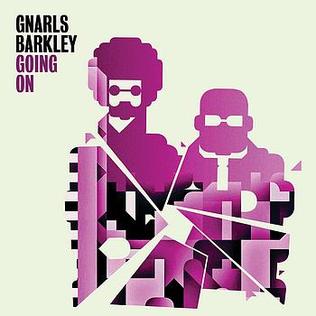
“You ask me why we’re called Gnarls Barkley and I’m asking you ‘why not?’ The name Gnarls Barkley isn’t anchored down. It’s a drifter. A High Plains drifter, I might add.” – CeeLo Green

“There’s no story behind it. The name doesn’t have anything to do with anything.” – Danger Mouse

Gnarls Barkley’s Danger Mouse was born Brian Burton on this date in 1977. A handful of their songs are included on today’s playlist.

Tunes Du Jour Presents 2001

The music of 2001 offered listeners a diverse array of sounds, reflecting the eclectic tastes and creative experimentation prevalent at the turn of the millennium. From hip-hop’s continued evolution to electronic music’s broader appeal, the year’s musical landscape was characterized by a spirit of innovation and cross-genre pollination. While not necessarily revolutionary, 2001’s musical offerings showcased artists pushing boundaries and audiences embracing fresh sounds across multiple genres.

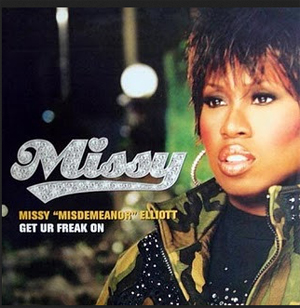
At the forefront of this sonic revolution was Missy Elliott’s “Get Ur Freak On,” a track that redefined hip-hop with its bold beats and futuristic soundscapes. Elliott’s unique style blended traditional hip-hop with global influences, introducing a raw, hyper-sexualized energy that was both provocative and empowering. This era also saw the rise of Jay-Z with “Izzo (H.O.V.A.),” a masterclass in braggadocio that solidified his status as one of rap’s most influential figures. Meanwhile, newcomer Alicia Keys made her mark with the soulful “Fallin’,” combining classical piano with soulful vocals to create a fresh voice in R&B that earned her critical acclaim and multiple awards.

Electronic music found its way into the mainstream consciousness with Daft Punk’s “One More Time,” a euphoric dance anthem that transcended the dance floor, bridging the gap between underground rave culture and pop sensibilities. This electronic influence seeped into other genres as well, with acts like Gorillaz blending hip-hop, rock, and electronica on their debut hit “Clint Eastwood.” The cross-pollination of genres was further exemplified by Eve and Gwen Stefani’s collaboration on “Let Me Blow Ya Mind,” a standout track that seamlessly merged rap and pop elements.

Rock music in 2001 was marked by both innovation and nostalgia. Radiohead continued to push boundaries with the haunting “Pyramid Song,” a complex composition that resonated with fans and critics alike. Meanwhile, bands like The Strokes and The White Stripes led a garage rock revival with “The Modern Age” and “Hotel Yorba” respectively, influencing a new generation of bands. System of a Down’s “Chop Suey!” delivered a powerful mix of metal and alternative rock, addressing themes of life and death with intense energy. Veterans weren’t left behind, as evidenced by Bob Dylan’s “Mississippi” and R.E.M.’s “Imitation of Life,” both of which showcased the enduring relevance of established artists.

The pop landscape of 2001 was equally dynamic, with artists like Britney Spears (“I’m a Slave 4 U”) and P!nk (“Get The Party Started”) dominating the airwaves with infectious hooks and undeniable energy. Janet Jackson’s “All for You” brought a feel-good vibe with its upbeat tempo and catchy chorus. This era also saw the last major hit from Michael Jackson during his lifetime, “You Rock My World.” From the reggae-pop fusion of Shaggy’s “It Wasn’t Me” to the unexpected success of Afroman’s “Because I Got High,” 2001 offered a rich and varied soundtrack that balanced humor with storytelling, demonstrating that sometimes a catchy hook and a good story are all you need to make a hit. In retrospect, 2001 was a pivotal year that saw the emergence of new stars, the redefinition of established genres, and a time when music felt refreshingly unpredictable, with artists boldly experimenting and audiences eagerly embracing the new and unfamiliar.

Tunes Du Jour Presents Jack White

From his groundbreaking work with The White Stripes to his successful solo career, Jack White has consistently pushed the boundaries of what rock music can be, earning critical acclaim and a devoted fanbase along the way.

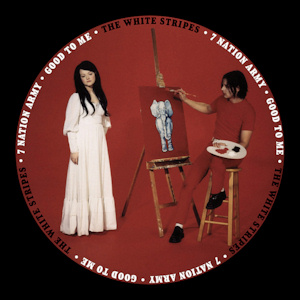
The White Stripes, formed by Jack and Meg White in 1997, catapulted Jack to stardom with their raw, stripped-down sound. Songs like “Seven Nation Army,” “Fell in Love with a Girl,” and “Hotel Yorba” showcased White’s exceptional guitar skills and songwriting prowess. The duo’s unique blend of garage rock, blues, and punk influences created a sound that was both familiar and refreshingly original. Their ability to create massive, arena-filling anthems with just two instruments was nothing short of revolutionary.

As White’s career progressed, he demonstrated his versatility by forming The Raconteurs and The Dead Weather, as well as launching a successful solo career. Songs like “Steady, As She Goes” with The Raconteurs and solo tracks like “Lazaretto” and “Sixteen Saltines” further cemented his status as one of rock’s most innovative artists. His collaborations with other musicians, such as Alicia Keys on “Another Way to Die” for the James Bond film Quantum of Solace, showcased his ability to work across genres and bring his unique style to diverse projects.

Throughout his career, White has received numerous accolades for his contributions to music. He has won multiple Grammy Awards, including three for Best Rock Performance by a Duo or Group with Vocal with The White Stripes. His solo work has also been critically acclaimed, with his albums consistently topping charts and earning praise for their creativity and musicianship. Beyond his musical achievements, White has been recognized for his efforts to preserve and promote vinyl records through his label, Third Man Records, which has played a significant role in the vinyl revival of recent years. In addition to his musical endeavors, Jack White has been involved in various philanthropic efforts. He has supported music education initiatives and worked to preserve historical recordings and musical artifacts. Through the Third Man Records label, he has also provided opportunities for up-and-coming artists and helped to keep traditional recording techniques alive. White’s commitment to his craft and his community serves as an inspiration to musicians and music lovers alike, solidifying his place not just as a rock star, but as a guardian of musical heritage.

Follow Tunes Du Jour on Facebook

Follow Tunes Du Jour on Twitter

Follow me on Instagram