Tunes Du Jour Presents 1975

Fifty years ago, radio dials and turntables were spinning an uncommonly diverse mix of sounds. The charts of 1975 didn’t follow a single storyline—instead, they captured a moment when multiple musical currents were flowing with equal strength. Disco was gaining momentum but hadn’t yet dominated everything in its path. Rock was simultaneously reaching for arena-sized ambition and stripping down to raw emotion. Soul and funk were evolving into more sophisticated forms, while pop continued doing what it does best: making people hum along whether they meant to or not.

The year belonged, in many ways, to artists who understood that hooks and ambition weren’t mutually exclusive. Bruce Springsteen’s “Born to Run” arrived like a desperate prayer wrapped in Phil Spector production, while Queen’s “Killer Queen” proved that flamboyance and precision could coexist in three minutes of glam-rock perfection. Led Zeppelin stretched “Kashmir” across nearly nine minutes of Eastern-influenced grandeur, and Pink Floyd’s “Wish You Were Here” turned melancholy into an art form. Even Bob Dylan, never one to stand still, was crafting the narrative complexity of “Tangled Up in Blue.” These weren’t just songs—they were statements about how far popular music could reach while still connecting with listeners.

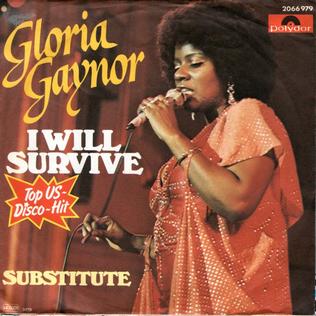
Meanwhile, dance floors were becoming cultural epicenters. KC and the Sunshine Band’s “That’s the Way (I Like It)” and Gloria Gaynor’s “Never Can Say Goodbye” helped establish disco as something more than a passing trend. The Bee Gees’ “Jive Talkin'” showed that the brothers Gibb could pivot from balladeers to funk-influenced hitmakers. Labelle’s “Lady Marmalade” brought New Orleans sass and unapologetic sexuality to the mainstream, while Earth, Wind & Fire’s “Shining Star” blended funk, soul, and jazz into something that felt both cosmic and grounded. The groove wasn’t just a rhythm—it was becoming a philosophy.

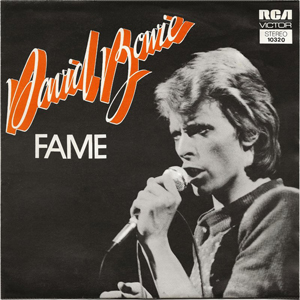
What’s striking about 1975 is how much sonic territory gets covered without any single approach dominating. 10cc’s “I’m Not in Love” used studio technology to create something hauntingly atmospheric, while Kraftwerk’s “Autobahn” was quietly suggesting what electronic music might become. Barry White continued orchestrating romantic opulence, Minnie Riperton’s five-octave range soared through “Lovin’ You,” and Linda Ronstadt’s “You’re No Good” proved that straightforward rock could still pack a punch. David Bowie’s “Fame,” co-written with John Lennon, showed him already moving past glam into funk-inflected territory. Glen Campbell brought “Rhinestone Cowboy” to country-pop crossover success, while Average White Band demonstrated that Scottish musicians could master American funk with “Pick Up the Pieces.”

Listening to these songs now, what emerges isn’t just nostalgia but a reminder of a particular kind of creative confidence. These artists weren’t afraid to be big or vulnerable, funky or introspective, polished or raw—sometimes all within the same track. The year didn’t belong to any single movement or sound, and that might be exactly what made it memorable. It was a time when the radio could take you from the Staple Singers’ gospel-infused soul to Sweet’s glitter-rock crunch to ABBA’s pristine pop architecture without anyone thinking twice about the journey. That kind of range feels worth celebrating.

Follow Tunes Du Jour on Facebook

Follow me on Bluesky

Follow me on Instagram
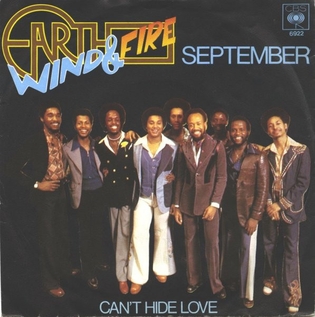
Tunes Du Jour Celebrates Famous Dates In Pop Music

It was the third of September / That day I’ll always remember

It was the third of June, another sleepy, dusty Delta day

Early morning, April 4 / Shot rings out in the Memphis sky

Do you remember the twenty-first night of September?

The theme of today’s playlist is dates referenced in song lyrics.

A date can do a lot of heavy lifting in a song. It can anchor a memory, mark a turning point, or drop us directly into a moment in history. Sometimes it’s deeply personal—Jay-Z naming his birthday in “December 4th”—and sometimes it’s collective, as in U2’s “Pride (In the Name of Love),” with its reference to April 4, 1968, the day Martin Luther King Jr. was assassinated.

Songwriters also use dates to heighten mystery. Bobbie Gentry’s “Ode to Billie Joe” begins on June 3, but instead of telling us what happened at the Tallahatchie Bridge, the lyric circles around it, making the day itself loom larger than the unexplained event. Similarly, the Temptations’ “Papa Was a Rolling Stone” ties the father’s death to September 3, a detail that sticks in the mind as much as the funk groove itself.

Not every date is somber. Earth, Wind & Fire turned September 21 into an annual celebration, and Chicago’s “Saturday in the Park” keeps the Fourth of July grounded in a snapshot of music, sunshine, and family fun. Bruce Springsteen’s “4th of July, Asbury Park (Sandy)” is more bittersweet, capturing the mix of romance and restlessness that defined his early work.

Dates can also mark social upheaval. Sublime’s “April 29, 1992 (Miami)” references the Los Angeles riots, while the Neville Brothers’ “Sister Rosa” pays tribute to Rosa Parks’ refusal to give up her bus seat on December 1, 1955. Songs like these remind us that a single day can ripple outward into history.

Taken together, this playlist shows the many ways a songwriter can spin meaning out of the calendar. A date can be the start of a story, a marker of joy or tragedy, or just a sly joke. What matters is how it sticks in your memory, long after the last chord fades.

Follow Tunes Du Jour on Facebook

Follow me on Bluesky

Follow me on Instagram
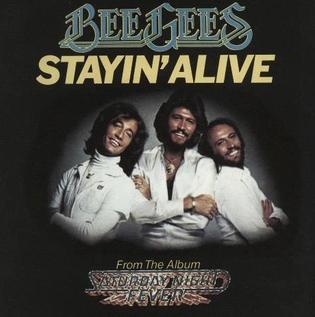
Tunes Du Jour Presents Bee Gees

Bee Gees. The name alone often conjures images of white suits, falsetto, and disco balls, immediately transporting listeners back to the late 1970s. While their colossal success with the Saturday Night Fever soundtrack undeniably cemented their place in pop culture history, reducing the Gibb brothers’ immense career to just that era would be to overlook one of pop music’s most remarkable and enduring legacies. Their creative output, driven by the unique talents of Barry, Robin, and Maurice Gibb, spans decades and styles, revealing a depth and adaptability that few artists achieve.

Before they ignited dance floors, the Bee Gees were already seasoned songwriters and performers, crafting sophisticated pop and heartfelt ballads. Listen to tracks like 1967’s soulful “To Love Somebody,” inspired by the works of Otis Redding, or the evocative storytelling of “New York Mining Disaster 1941.” Their early period delivered beautifully orchestrated pop with “Massachusetts” and “Holiday,” alongside the melancholic charm of “Words” and “I Started A Joke.” This era showcases a mastery of melody and harmony, often with a dramatic flair, and demonstrates their ability to connect emotionally with audiences through deeply personal narratives, long before the iconic white suits ever came into play.

By the mid-1970s, the Bee Gees were ready for a transformation. Embracing a more R&B-influenced sound, they transitioned with tracks like “Jive Talkin'” and “Nights on Broadway,” which hinted at the rhythmic shift to come. Then came the explosion of Saturday Night Fever, which showcased their incredible range with the unstoppable pulse of “Stayin’ Alive” and “Night Fever” alongside the tender balladry of “How Deep Is Your Love.” This variety proves that even at their commercial peak, they were focused on creating meticulously crafted pop songs, not just dance hits. Their signature harmonies were now wrapped in infectious grooves, demonstrating a keen ear for contemporary sounds while retaining their melodic brilliance. It was a deliberate, and spectacularly successful, reinvention that proved their versatility.

Even as the disco era waned, the Bee Gees continued to write and perform, proving their staying power was rooted in songwriting, not just a trend. Post-fever hits like “Too Much Heaven,” “Tragedy,” and “Love You Inside Out” kept their sound fresh, while later successes like 1987’s “You Win Again” and 1989’s “One” showcased their continued relevance and ability to adapt. Whether they were penning hits for themselves or for other artists, the underlying quality of their compositions remained consistently high, a testament to the brothers’ collaborative genius and their intuitive understanding of what makes a great song.

To explore the Bee Gees’ discography is to embark on a journey through diverse musical landscapes, far beyond any single genre label. From their baroque pop beginnings to their R&B-infused disco zenith and beyond, their extensive catalog reveals a consistent thread of masterful songwriting and unparalleled vocal harmonies. The Gibb brothers were truly innovators, evolving with the times while maintaining an identifiable sound. Their legacy isn’t just about iconic hits; it’s about the sheer breadth and enduring quality of their contribution to popular music, inviting listeners to discover the full, rich story.

Follow Tunes Du Jour on Facebook

Follow me on Bluesky

Follow me on Instagram
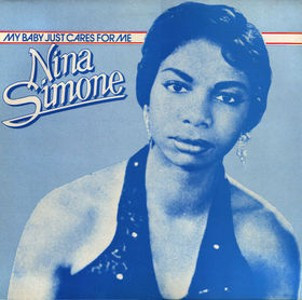
Tunes Du Jour Presents Nina Simone

Few artists have embodied as many roles as Nina Simone. She was a classically trained pianist, a jazz singer, a blues interpreter, a protest leader, and a torch song specialist—often all in the span of a single performance. Simone’s catalog is as vast as her influence, but this playlist highlights the breadth of her artistry, from the tenderness of “I Loves You, Porgy” to the fiery urgency of “Mississippi Goddam.” Whether reimagining the standards or giving voice to the Civil Rights Movement, Simone delivered each song with a conviction that made it undeniably her own.

Simone’s ability to transform a song was unmatched. Her take on “To Love Somebody” strips the Bee Gees’ original of its pop sheen and replaces it with raw yearning, while “I Put a Spell on You” moves beyond Screamin’ Jay Hawkins’ theatrical growl into something genuinely haunting. She injected “Mr. Bojangles” with a quiet sorrow that feels more lived-in than nostalgic, and her version of “Here Comes the Sun” trades George Harrison’s optimism for a more hesitant hopefulness. Even when covering others, she reshaped the material to fit her vision.

Yet Simone’s greatest impact may have come through her role as a protest singer. Songs like “To Be Young, Gifted and Black” and “I Wish I Knew How It Would Feel to Be Free” were more than recordings; they were rallying cries. “Mississippi Goddam,” written in response to the murder of Medgar Evers and the bombing of the 16th Street Baptist Church, remains one of the most blistering indictments of racial injustice ever put to music. “Four Women” delivers a stark, unflinching portrayal of Black womanhood, a subject few artists tackled so directly at the time.

Simone’s ability to balance the political with the deeply personal is part of what makes her catalog so compelling. “The Other Woman” and “I Want a Little Sugar in My Bowl” reveal her mastery of intimate storytelling, while “Wild Is the Wind” and “Feeling Good” showcase her ability to evoke sweeping emotion. Even in moments of defiance, as on “Revolution (Pts. 1 and 2)” or “Go to Hell,” there is an undercurrent of vulnerability—Simone was never just delivering messages; she was baring her soul.

Through it all, her voice remained unmistakable: sometimes smooth, sometimes jagged, always expressive. She could whisper, growl, or soar, depending on what the song demanded. Whether she was interpreting Dylan (“Just Like a Woman,” “I Shall Be Released”) or spirituals (“Sinnerman”), jazz standards (“Nobody Knows You When You’re Down and Out”), or contemporary compositions (“Baltimore”), she inhabited the music in a way that few artists ever have. Nina Simone didn’t just sing—she made sure you felt every note.

Follow Tunes Du Jour on Facebook

Follow me on Bluesky

Follow me on Instagram
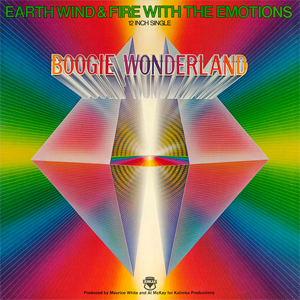
Tunes Du Jour Presents 1979

The year 1979 was a vibrant time in popular music, characterized by disco’s stronghold on the charts and a rich variety of emerging and evolving genres. From dancefloor anthems to rock classics, the year’s hits reflected a dynamic musical landscape.

Disco reigned supreme in 1979, dominating the airwaves and nightclubs alike. Gloria Gaynor’s empowering “I Will Survive” became an instant classic, while Chic’s “Good Times” and Sister Sledge’s “We Are Family” kept dance floors packed. The genre’s influence extended far and wide, with Village People’s “Y.M.C.A.” becoming a cultural phenomenon, Donna Summer’s “Hot Stuff” showcasing disco’s enduring appeal, and Amii Stewart’s cover of “Knock on Wood” breathing new life into a soul classic. McFadden & Whitehead’s “Ain’t No Stoppin’ Us Now” and Sylvester’s “You Make Me Feel (Mighty Real)” further exemplified disco’s ability to blend uplifting messages with irresistible rhythms.

While disco flourished, rock music continued to evolve and diversify. AC/DC’s “Highway to Hell” solidified their status as the preeminent heavy metal band of the era, its raw energy and power chords setting a new standard for the genre. Dire Straits’ “Sultans of Swing” showcased a more refined, guitar-driven sound, while The Police emerged with “Message in a Bottle,” signaling the rise of post-punk. The new wave and power pop scenes gained momentum with Elvis Costello & the Attractions’ “Oliver’s Army,” The Jam’s “The Eton Rifles,” and Squeeze’s “Up the Junction” all making their mark. Meanwhile, M’s “Pop Muzik” and Blondie’s “Heart of Glass” demonstrated how disco influences could be merged with new wave sensibilities.

The year also saw the birth of iconic pop hits that would define the era. Michael Jackson’s “Don’t Stop ‘Til You Get Enough” hinted at the superstardom that awaited him, while The Knack’s “My Sharona” became an instant power pop classic. The Buggles’ prophetic “Video Killed the Radio Star” not only topped charts but would later make history as the first music video played on MTV. Earth, Wind & Fire’s “September” continued to showcase the enduring appeal of funk, while R&B ballads like Peaches & Herb’s “Reunited” and The Commodores’ “Still” made significant impacts on the pop charts.

As 1979 drew to a close, the musical landscape was rich and varied. While disco maintained its grip on popular culture, the seeds of change were being sown. The diversity of the year’s hits, from Charlie Daniels Band’s country crossover “The Devil Went Down to Georgia” to Rickie Lee Jones’ jazz-influenced “Chuck E’s In Love,” stood out against the backdrop of disco and straightforward pop tunes. This musical variety, along with emerging studio technologies and evolving artist expressions, set the stage for the significant shifts that would characterize the sound of the coming decade.

Follow Tunes Du Jour on Facebook

Follow Tunes du Jour on Twitter

Follow me on Instagram

Tunes Du Jour Presents Disco

This fall marks fifty years since Billboard magazine began publishing its disco chart, an acknowledgment of a genre that danced its way into the hearts of millions. Disco music, with its infectious rhythms and vibrant energy, was more than just a soundtrack for nightlife; it was a cultural phenomenon rooted in the experiences of Black, Latinx, and gay communities. The genre’s pulsating beats and soulful melodies offered an escape, a place where people could come together and express themselves freely on the dance floor.

Disco’s origins can be traced back to the dance halls of New York City, where marginalized communities created spaces for celebration and expression. Early tracks like The Trammps’ “That’s Where the Happy People Go” and Shirley & Co’s “Shame, Shame, Shame” laid the foundation for what would become a global movement. These songs, along with others from the era, were not just about the beats but also about creating a sense of community and shared experience on the dance floor, where people from all walks of life could come together and express themselves freely.

Black artists played a central role in shaping disco’s sound and message. Chic’s “Le Freak” and Sister Sledge’s “He’s the Greatest Dancer” brought sophisticated grooves that transcended race, while Marvin Gaye’s “Got to Give It Up” and Diana Ross’s “Upside Down” combined soul with danceable rhythms, pushing the genre into mainstream consciousness. The smooth yet dynamic production styles and vocals showcased a depth that went beyond the glittering surface often associated with disco.

Latinx influences also left an indelible mark on the genre. Songs like “Turn The Beat Around” by Vicki Sue Robinson and “Cherchez La Femme” by Dr. Buzzard’s Original Savannah Band infused Latin rhythms with disco beats, creating a vibrant and eclectic sound. This cross-pollination of cultures on the dance floor reflected the diversity of the communities that embraced disco, making it a genre that celebrated inclusivity long before it became a mainstream value.

As we commemorate fifty years since Billboard recognized disco’s impact, it’s important to remember that disco was more than just a moment in time. It was a movement that broke down social barriers and created a space where joy and liberation could thrive. Whether it’s the enduring appeal of “Stayin’ Alive” by the Bee Gees or the timeless groove of KC & the Sunshine Band’s “That’s the Way (I Like It),” disco’s legacy lives on, reminding us of the power of music to unite and uplift.

Tunes Du Jour Presents 1978

The year 1978 was a pivotal moment in music history, showcasing a striking contrast between the mainstream hits dominating the airwaves and the underground sounds bubbling beneath the surface. This year offered a rich assortment of genres, from disco and pop ruling the charts to punk and new wave carving out their own rebellious niches.

Disco was undoubtedly the dominant force in popular music. The Bee Gees’ “Stayin’ Alive” became an anthem of the era, while Chic’s “Le Freak,” A Taste of Honey’s “Boogie Oogie Oogie,” Donna Summer’s “Last Dance,” and Alicia Bridges’ “I Love the Nightlife (Disco ‘Round)” kept the dance floors packed. Even rock legends like the Rolling Stones couldn’t resist disco’s pull oor, as evidenced by their hit “Miss You.”

But 1978 wasn’t all about disco. Pop music thrived with ABBA’s timeless “Take a Chance on Me” and Electric Light Orchestra’s upbeat “Mr. Blue Sky.” Queen’s anthemic “We Are the Champions” became a staple at sporting events worldwide. In R&B, the Commodores’ soulful ballad “Three Times a Lady,” Funkadelic’s anthemic “One Nation Under a Groove,” and Chaka Khan’s empowering “I’m Every Woman” showcased the genre’s range. The soundtrack to Grease, featuring John Travolta and Olivia Newton-John’s “You’re the One That I Want,” dominated both radio and cinema.

While mainstream pop and disco ruled the charts, a counter-cultural revolution was taking place in underground venues. The Clash’s “(White Man) In Hammersmith Palais” blended social commentary with irresistible hooks, while the Buzzcocks’ “Ever Fallen in Love (With Someone You Shouldn’t’ve)” captured the essence of punk’s raw emotional energy. The Undertones’ “Teenage Kicks” embodied the unbridled spirit of youth, and Siouxsie & the Banshees’ “Hong Kong Garden” showcased the emerging goth-punk sound. Public Image Ltd.’s self-titled track “Public Image” signaled the evolution of post-punk.

1978 also saw the emergence of artists who defied easy categorization. Kate Bush’s haunting “Wuthering Heights” introduced a unique voice to the pop landscape, blending literary references with art-rock sensibilities. Kraftwerk’s “The Model” pushed the boundaries of electronic music, influencing countless genres in the decades to come. Patti Smith’s “Because the Night” (co-written with Bruce Springsteen) bridged the gap between punk poetry and mainstream rock. The year also saw reggae making inroads with Althea & Donna’s “Uptown Top Ranking,” while Randy Newman’s misunderstood “Short People” showcased his brilliance in crafting satirical, thought-provoking pop.

Looking back, it’s clear that 1978 was more than just a year of disco balls and safety pins. It was a time of musical diversity and innovation, where chart-toppers and underground icons coexisted, each pushing the boundaries of their respective genres. From the dancefloor anthems to punk’s raw energy, from synth-pop’s early days to reggae’s growing influence, 1978 offered a rich and varied soundtrack that continues to resonate today. This dynamic interplay between mainstream and alternative sounds would continue to shape the musical landscape for years to come, making 1978 a truly unforgettable year in music history.

Follow Tunes Du Jour on Facebook

Follow Tunes Du Jour on Twitter

Follow me on Instagram