Tunes Du Jour Celebrates Pride 2025

Every June, Pride Month invites us to honor the LGBTQ+ community—not just its triumphs and ongoing struggles, but its wildly varied voices. This playlist, drawn from over six decades of music, is less a neat collection than a vibrant mix of statements, emotions, and identities. From Sylvester’s ecstatic disco classic “You Make Me Feel (Mighty Real)” to Billie Eilish’s “LUNCH,” the selections aren’t organized by genre, time period, or even theme. That’s fitting. The LGBTQ+ experience is too broad and multifaceted to be summed up by any single sound.

Some tracks speak directly to queerness, like Lou Reed’s “Walk on the Wild Side,” which namechecks drag queens and trans women, or Bronski Beat’s spiritual descendants, the Scissor Sisters, with their cheeky, loving anthem “Take Your Mama.” Others, like “Rocket Man” or “Do You Really Want to Hurt Me,” resonated with queer audiences before the artists behind them publicly came out—or even if they never did. There’s a history of coded expression here, of lyrics that offered solace to those reading between the lines.

Then there are the songs that became anthems of empowerment by sheer force of feeling: Christina Aguilera’s “Beautiful” offered a lifeline to LGBTQ+ youth when it first aired on MTV, while Madonna’s “Vogue” gave a global spotlight to a ballroom culture that had long gone ignored by the mainstream. Judy Garland’s “Over the Rainbow” might seem quaint next to Chappell Roan’s “Good Luck, Babe!,” but both songs capture longing, whether for love, acceptance, or the audacity to want more.

What unites these artists isn’t a single identity but a shared defiance—sometimes quiet, sometimes flamboyant—against what’s expected. Whether it’s the punkish ache of Buzzcocks’ “Ever Fallen in Love (With Someone You Shouldn’t’ve)” or the glossy Pet Shop Boys cover of “Go West,” the throughline is the refusal to shrink. Pride, in this sense, isn’t about perfection or performance. It’s about visibility, honesty, and a community that keeps evolving, note by note.

So, while this playlist won’t tell a single story, that’s exactly the point. Pride has never been about uniformity. It’s about claiming your truth, however it sounds—and blasting it through the speakers so someone else knows they’re not alone.

Hear last year’s Pride playlist here.

Follow Tunes du Jour on Facebook

Follow me on Bluesky

Follow me on Instagram
Your (Almost) Daily Playlist: 9-29-24

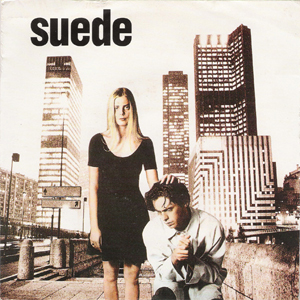
Shortly after British rock band Suede released their debut album in the US in 1993, they encountered a trademark issue. An American lounge singer named Suzanne deBronkart had been performing under the name “Suede” since the 1980s and had already trademarked the name for musical performances in the US. She sued for trademark violation.

Two years later, the British band reluctantly agreed to use the name “The London Suede” for all their US releases and performances. This compromise allowed them to maintain their original name in other parts of the world while respecting the existing trademark in the United States.

This name change applied to all their album releases, merchandise, and concert promotions in the US throughout their career.

(The London) Suede’s Brett Anderson was born on this date in 1967. A handful of the band’s tracks are included on today’s playlist.

Tunes Du Jour Presents 1993

The music of 1993 was a vibrant mix of genres and styles that reflected the diverse cultural landscape of the early ’90s. This year saw the continued dominance of hip-hop, the rise of alternative rock, and the evolution of pop music, all while established artists pushed their creative boundaries.

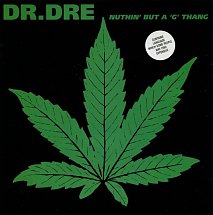
Hip-hop was undeniably a driving force in 1993’s musical landscape. Dr. Dre featuring Snoop Dogg’s “Nuthin’ but a G Thang,” with its laid-back groove, epitomized the G-funk sound that defined West Coast rap. Ice Cube’s “It Was a Good Day” painted a vivid picture of a perfect day in the hood, showcasing the humor and storytelling skills that made him a beloved figure in the rap world. Meanwhile, East Coast artists like Wu-Tang Clan made their mark with the gritty “Protect Ya Neck.” The genre’s influence extended beyond coastal rivalry, with Naughty By Nature’s “Hip Hop Hooray” and Tag Team’s “Whoomp! (There It Is)” becoming nationwide party anthems.

Alternative rock continued its ascent into the mainstream. Radiohead’s “Creep” showcased the band’s angsty beginnings, its melancholic melody and introspective lyrics striking a chord with those struggling with feelings of inadequacy, while Rage Against the Machine’s “Killing in the Name,” a powerful anthem of rebellion, its aggressive sound and socially conscious lyrics that captured the angst and disillusionment of a generation, sparking protests and inspiring a generation of activists, brought politically charged rap-rock to the forefront. R.E.M., already established icons, delivered an anthem for those seeking comfort through emotional vulnerability with the poignant “Everybody Hurts.” Blind Melon’s “No Rain” became an iconic track with its unforgettable music video, featuring the “bee girl” that resonated with audiences worldwide. The year also saw the emergence of Britpop with Blur’s “For Tomorrow” and Suede’s “Animal Nitrate” hinting at the UK’s impending musical revolution.

Pop music in 1993 was anything but one-note. Janet Jackson’s “That’s the Way Love Goes” exemplified smooth R&B-infused pop, while Madonna continued to push boundaries with “Deeper and Deeper,” blending house music with her signature pop style. Whitney Houston’s cover of “I’m Every Woman” breathed new life into a classic, and Prince continued to defy categorization with “7.”

Nineteen ninety-three also saw female artists making bold statements across genres. PJ Harvey’s raw “Rid of Me,” Björk’s ethereal “Venus as a Boy,” and Liz Phair’s unapologetic “Fuck and Run” challenged conventions and expanded the scope of women’s voices in rock. In the realm of hip-hop, Salt-N-Pepa’s “Shoop” showcased women owning their sexuality, while Bikini Kill’s “Rebel Girl” became an anthem for the riot grrrl movement.

The year also highlighted the genre-blending creativity that would come to define the decade. Digable Planets’ “Rebirth Of Slick (Cool Like Dat)” brought jazz-rap into the mainstream, showcasing hip-hop’s versatility and its ability to incorporate sophisticated musical elements. This fusion of styles demonstrated how artists were increasingly willing to experiment and push the boundaries of their respective genres, setting the stage for the eclectic musical landscape that would unfold throughout the rest of the 1990s.

From the gritty sounds of West Coast hip-hop to the introspective lyrics of alternative rock, from the bold statements of female artists across genres to the genre-bending experiments that defied classification, the music scene of 1993 was bursting with creativity. This rich variety not only reflected the cultural zeitgeist of the early ’90s but also laid the groundwork for the musical evolution that would define the rest of the decade and beyond.

Tunes Du Jour Presents 1997

Music in 1997 was a true reflection of the decade’s diversity and boundary-pushing spirit. From the era’s biggest mainstream pop acts to the underground scenes bubbling up, the hits of ’97 showcased an exciting range of styles and genres commingling.

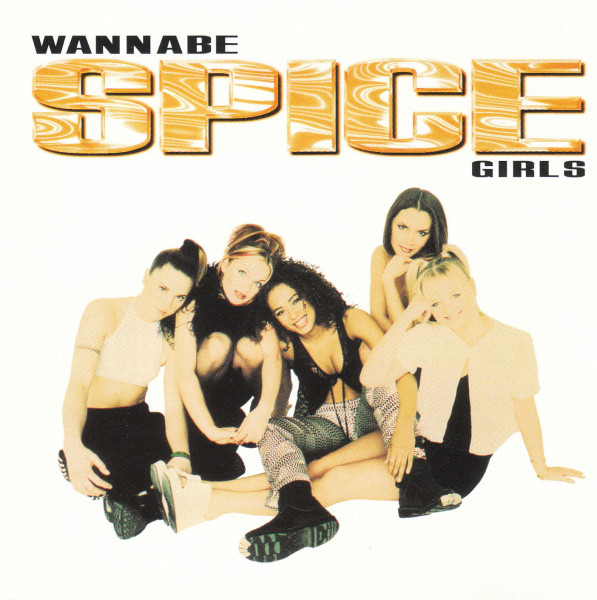
On the one hand, you had the unstoppable rise of wildly popular all-female groups like the Spice Girls with their debut smash “Wannabe” and the soaring vocals of Whitney Houston on “Step by Step.” At the same time, 1997 was also the year that brought the world jarring yet brilliant alt-rock statements like Radiohead’s sci-fi epic “Paranoid Android” and the dark, literary narratives of acts like Nick Cave.

Hip-hop continued evolving in dozens of directions, from the stunning lyricism of Notorious B.I.G.’s “Hypnotize” to the early flashes of what would become the dominant sound of the 2000s with Missy Elliott’s groundbreaking “The Rain (Supa Dupa Fly).” The year’s electronic/dance highlights came in all tempos and styles, whether the gritty yet blissful big beat of The Prodigy’s “Firestarter” or the sleek Daft Punk groover “Around the World.”

While teenager pop captured the mainstream with acts like Hanson’s “MMMBop,” the alternative/indie realm gifted 1997 with timeless gems spanning rockist earnestness (Ben Folds Five), fuzz-pop dreaminess (The Cardigans’ “Lovefool”), and idiosyncratic lo-fi (Elliot Smith, Yo La Tengo). It was an era of strange but beautiful hybrids, like the trip-hop soul of Erykah Badu’s “On & On.”

Looking back at 1997’s musical landscape, you’re struck by not just the sheer quality of the output, but the vibrant plurality of styles. It was a moment when the underground and the overground were engaged in an intriguing conversation, shaping what came next.

Follow Tunes Du Jour on Facebook

Follow Tunes Du Jour on Twitter

Follow me on Instagram

Tunes Du Jour Presents Damon Albarn

Damon Albarn stands as a towering figure in the world of music, his influence echoing through the halls of British pop and beyond. Born on March 23, 1968, in Whitechapel, London, Albarn’s journey into music began early, influenced by his creative surroundings and a passion for the arts instilled by his family. As the frontman of Blur, he captured the zeitgeist of the ’90s with hits like “Girls & Boys” and “Country House,” while his visionary project Gorillaz, featuring tracks such as “Feel Good Inc.” and “Clint Eastwood,” blended genres and media to create something entirely new.

Albarn’s contributions to music are not limited to his chart-topping hits; his work with The Good, the Bad & the Queen and his solo albums like “Everyday Robots” showcase a restless creativity and a desire to explore new musical landscapes. His eclectic output spans across various genres, reflecting his ability to adapt and innovate. Songs like “Heavy Seas of Love” and “Herculean” are testaments to his versatility and willingness to push boundaries.

Albarn’s influence is not just in the notes and rhythms of his music but also in the way he has used his platform to bridge cultural divides. His work with Africa Express is particularly notable, bringing together Western and African musicians to collaborate, perform, and break down the barriers of musical genre and geography. This initiative not only showcases Albarn’s commitment to cultural exchange but also highlights the power of music as a unifying force.

From the infectious energy of “Dare” to the introspective melody of “Everyday Robots,” each song on today’s playlist serves as a testament to Albarn’s enduring legacy and his unwavering dedication to both his craft and his convictions.

Follow Tunes du Jour on Facebook

Follow Tunes du Jour on Twitter

Follow me on Instagram