Tunes Du Jour Celebrates Famous Dates In Pop Music

It was the third of September / That day I’ll always remember

It was the third of June, another sleepy, dusty Delta day

Early morning, April 4 / Shot rings out in the Memphis sky

Do you remember the twenty-first night of September?

The theme of today’s playlist is dates referenced in song lyrics.

A date can do a lot of heavy lifting in a song. It can anchor a memory, mark a turning point, or drop us directly into a moment in history. Sometimes it’s deeply personal—Jay-Z naming his birthday in “December 4th”—and sometimes it’s collective, as in U2’s “Pride (In the Name of Love),” with its reference to April 4, 1968, the day Martin Luther King Jr. was assassinated.

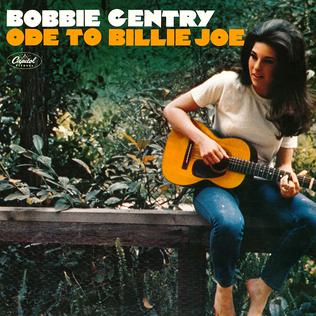
Songwriters also use dates to heighten mystery. Bobbie Gentry’s “Ode to Billie Joe” begins on June 3, but instead of telling us what happened at the Tallahatchie Bridge, the lyric circles around it, making the day itself loom larger than the unexplained event. Similarly, the Temptations’ “Papa Was a Rolling Stone” ties the father’s death to September 3, a detail that sticks in the mind as much as the funk groove itself.

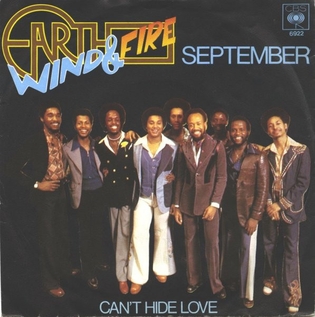
Not every date is somber. Earth, Wind & Fire turned September 21 into an annual celebration, and Chicago’s “Saturday in the Park” keeps the Fourth of July grounded in a snapshot of music, sunshine, and family fun. Bruce Springsteen’s “4th of July, Asbury Park (Sandy)” is more bittersweet, capturing the mix of romance and restlessness that defined his early work.

Dates can also mark social upheaval. Sublime’s “April 29, 1992 (Miami)” references the Los Angeles riots, while the Neville Brothers’ “Sister Rosa” pays tribute to Rosa Parks’ refusal to give up her bus seat on December 1, 1955. Songs like these remind us that a single day can ripple outward into history.

Taken together, this playlist shows the many ways a songwriter can spin meaning out of the calendar. A date can be the start of a story, a marker of joy or tragedy, or just a sly joke. What matters is how it sticks in your memory, long after the last chord fades.

Follow Tunes Du Jour on Facebook

Follow me on Bluesky

Follow me on Instagram
Tunes Du Jour Celebrates National Joe Day

For those of you outside the U.S., today is National Joe Day — an important holiday stateside. Anyone named Joe (or Joseph, Josephine, Joey or Johanna) gets the day off. No work, no mail delivery, no access to federal buildings. Some Joels try to sneak in on the action, but they’re swiftly dealt with—usually by a retired mall cop wielding a two-by-four.

Follow Tunes Du Jour on Facebook

Follow me on Bluesky

Follow me on Instagram
Tunes Du Jour Presents 1967

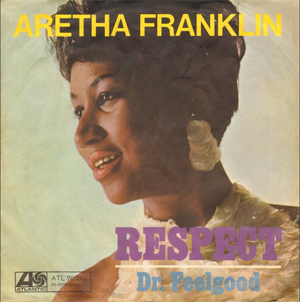
Nineteen sixty-seven stands as a pivotal moment in the evolution of popular music, a year when artistic boundaries expanded dramatically across multiple genres. The musical landscape was transformed by groundbreaking releases from established artists and remarkable debuts from newcomers who would become legends. From Aretha Franklin’s powerful rendition of “Respect” to Pink Floyd’s psychedelic “See Emily Play,” the year produced an extraordinary collection of songs that continue to resonate decades later.

Soul music experienced a remarkable surge, with Aretha Franklin’s definitive version of “Respect” establishing her as the genre’s preeminent female voice. The raw emotion of Otis Redding’s “Try a Little Tenderness,” the exuberance of Jackie Wilson’s “(Your Love Keeps Lifting Me) Higher and Higher,” and the groove-driven “Soul Man” by Sam & Dave showcased the genre’s diversity and emotional range. Motown continued its dominance with several more hits for Diana Ross & the Supremes, including “The Happening,” while Smokey Robinson & the Miracles added “I Second That Emotion” to their growing catalog of hits. Marvin Gaye enjoyed multiple chart successes in 1967, with “Your Precious Love” being just one of several duets with Tammi Terrell that would define this productive period.

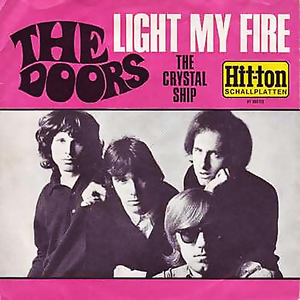
Meanwhile, rock music underwent seismic shifts as experimentation became the norm. The Beatles had an astonishingly prolific year, releasing the landmark album Sgt. Pepper’s Lonely Hearts Club Band while also producing standalone singles of remarkable quality like “Strawberry Fields Forever” and “Penny Lane.” The Doors’ extended opus “Light My Fire” and The Jimi Hendrix Experience’s revolutionary “Purple Haze” redefined what electric guitars could accomplish. The Rolling Stones contributed the melancholic beauty of “Ruby Tuesday,” which ironically became the bigger hit after radio stations deemed its intended A-side, “Let’s Spend the Night Together,” too controversial for airplay. The Who’s powerhouse “I Can See for Miles” and Buffalo Springfield’s protest anthem “For What It’s Worth” reflected rock’s increasing social consciousness. Perhaps most radical was The Velvet Underground’s “Heroin,” which brought an unprecedented rawness to discussions of addiction.

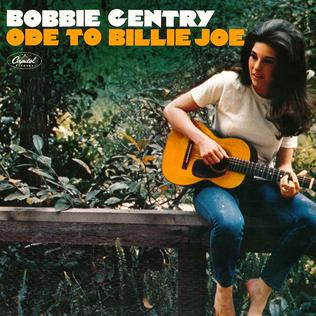
The year’s diversity extended far beyond these genres. The Monkees transcended their manufactured origins with the wistful “Daydream Believer,” while Van Morrison crafted the timeless “Brown Eyed Girl.” Bobbie Gentry’s Southern Gothic narrative “Ode to Billie Joe” demonstrated songwriting’s storytelling potential, and Procol Harum’s “A Whiter Shade of Pale” merged classical influences with rock sensibilities. Jefferson Airplane’s “White Rabbit” and Pink Floyd’s “See Emily Play” pushed psychedelic music further into the mainstream, establishing both bands as significant forces in the burgeoning psychedelic scene.

What made 1967 truly remarkable was how these diverse sounds coexisted and influenced each other, creating a musical conversation that crossed genre lines. This was the year when album-oriented rock solidified, soul music reached new emotional depths, and psychedelia flowered into mainstream consciousness. The thirty songs listed here barely scratch the surface of a year that saw popular music mature into an art form capable of expressing the full spectrum of human experience. Many artists were at their creative peaks, producing multiple hit singles and groundbreaking albums within this single exceptional year. These recordings capture a moment when musical innovation accelerated at an unprecedented pace, leaving an enduring legacy that continues to inspire and influence musicians more than half a century later.

Follow Tunes Du Jour on Facebook

Follow me on Instagram

Follow me on Bluesky

Throwback Thursday – 1967

I heard the news today. Oh boy! The Beatles’ recordings are now available on streaming platforms, including Spotify.

To celebrate, Tunes du Jour kicks off its 1967 playlist this Throwback Thursday with The Beatles’ “A Day in the Life,” a song that combines an unfinished song from John Lennon, inspired by newspaper articles, with one from Paul McCartney, a reflection of his school days.

Here are twenty of 1967’s finest musical moments.


Click here to like Tunes du Jour on Facebook!
Follow me on Twitter: @TunesDuJour