More goodies from my holiday music collection
Follow Tunes Du Jour on Facebook
Follow me on Bluesky
Follow me on Instagram
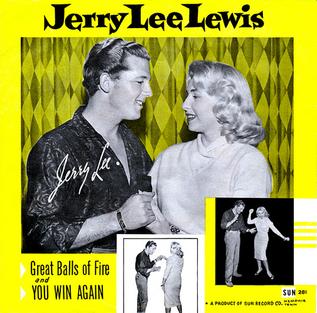
By 1958, rock and roll was no longer a brash newcomer fighting for legitimacy—it had become the dominant sound of American popular music. The charts that year captured a genre in full stride, blending raw energy with increasingly sophisticated production. Jerry Lee Lewis pounded out “Great Balls of Fire” with manic intensity while the Everly Brothers offered the dreamy harmonies of “All I Have to Do Is Dream,” proving that rock and roll could be both wild and tender. Chuck Berry’s “Sweet Little Sixteen” painted vivid pictures of teenage life, and Little Richard’s “Good Golly, Miss Molly” delivered pure, unfiltered excitement. These weren’t just songs—they were the soundtrack to a generation coming into its own.
The year also marked the rise of memorable instrumental tracks that showcased rock and roll’s expanding vocabulary. Link Wray’s “Rumble” pioneered the power chord with its menacing guitar distortion, while Duane Eddy’s “Rebel Rouser” introduced the twangy, reverb-heavy “twang” that would influence countless guitarists. The Champs’ “Tequila” proved that a single word and an infectious sax riff could dominate the airwaves. These instrumental hits demonstrated that rock and roll didn’t always need lyrics to communicate emotion or get people moving.
While rock and roll dominated, 1958 was hardly monolithic in its musical offerings. Tommy Edwards’ orchestral “It’s All In The Game” and Peggy Lee’s sultry “Fever” showed that traditional pop still had plenty of commercial power. Domenico Modugno’s “Nel blu, dipinto di blu (Volare)” became an international sensation, bringing Italian pop to American audiences. The Platters’ “Twilight Time” continued doo-wop’s evolution toward lush, romantic balladry. This variety revealed an industry still figuring out how different styles could coexist and cross-pollinate.
The playlist also captures the emergence of future stars and the refinement of group vocals. Cliff Richard’s “Move It” announced Britain’s first major rock and roll talent, foreshadowing the British Invasion that would come later. Meanwhile, doo-wop groups like The Chantels with “Maybe” and Jerry Butler & the Impressions with “For Your Precious Love” brought sophistication and emotional depth to their harmonies. Novelty hits like David Seville’s “Witch Doctor” and lighthearted fare like The Chordettes’ “Lollipop” added playful moments to the mix, reminding listeners that music could simply be fun without carrying cultural weight.
What’s striking about 1958 is how much ground the music covered while maintaining a coherent identity. Whether it was Eddie Cochran’s rebellious “Summertime Blues” or Conway Twitty’s heartbroken “It’s Only Make Believe,” these songs spoke directly to young people navigating the complexities of modern life. Rock and roll had proven it wasn’t a passing fad—it was a versatile, evolving force that could express the full range of teenage emotion, from joy to heartbreak, from rebellion to romance. The music of 1958 didn’t just entertain; it validated the experiences of an entire generation.
Follow Tunes Du Jour on Facebook
Follow me on Bluesky
Follow me on Instagram
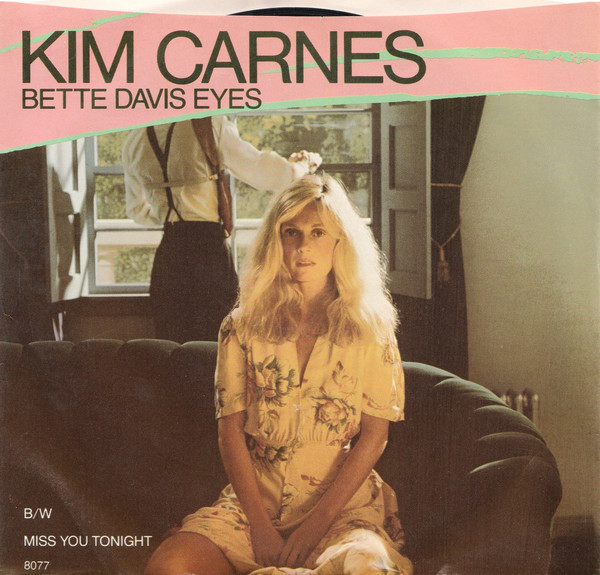
August is National Eye Exam Month in the US of A, so do yourself a favor and make an appointment to see an eye care professional. Your eyes will thank you (which is reason enough to see such a doctor, for if your eyes are talking, something is very very wrong).
Below are 30 songs with the word “eye” (or “eyes”) in the title.
Follow Tunes Du Jour on Facebook
Follow me on Bluesky
Follow me on Instagram
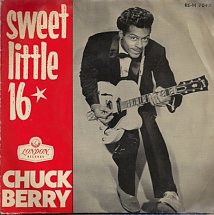
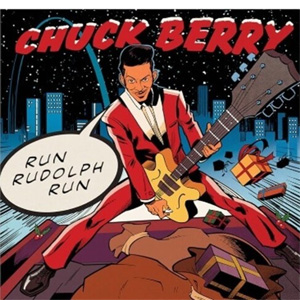
Chuck Berry’s legacy looms large over the history of rock ‘n’ roll, with a catalogue of hits that set the blueprint for the genre. His songwriting, guitar playing, and storytelling gave rock its attitude and sound. Whether celebrating teenage life or spinning tales of cars and romance, Berry’s songs combined infectious energy with sharp, often humorous lyrics. Tracks like “Sweet Little Sixteen” and “Maybellene” helped define the early sound of rock, marrying country twang with rhythm and blues, and making Berry one of the genre’s founding architects.
Berry’s storytelling reached new heights with “Johnny B. Goode,” a semi-autobiographical tale of a young guitarist dreaming of fame. Its now-iconic riff became a calling card for rock guitarists everywhere. Songs like “No Particular Place to Go” and “School Days” also captured the rebellious spirit of the post-war generation, speaking directly to teenagers in a way that few others had. Berry’s ability to distill everyday American life into concise, punchy songs is a big reason why his music still resonates today.
His influence is clear in the songs of The Beatles, The Rolling Stones, and countless other acts who covered his work or borrowed his style. “Roll Over Beethoven” and “Rock & Roll Music” both assert the dominance of the new sound over older genres like classical and swing, cementing Berry’s role as a pioneer of the rock revolution. With “Promised Land” and “Back in the U.S.A.,” Berry also subtly reflected on the American dream, mixing a celebration of freedom with a recognition of the struggles many faced.
Of course, not all of Berry’s songs were about youthful exuberance or social commentary. His novelty hit “My Ding-A-Ling” brought him a later-career success, showing that his ability to entertain never faded, even if its playful humor was a far cry from the biting wit of his earlier work. “Brown Eyed Handsome Man” and “Too Much Monkey Business” added layers of humor and social insight, showcasing Berry’s versatility as a lyricist who could be both lighthearted and clever.
Chuck Berry’s music remains timeless, influencing generations of musicians. Songs like “Let It Rock” and “Carol” continue to be covered by rockers and performed in bars and stadiums alike, proving that the foundation Berry laid remains as sturdy as ever. From his nimble guitar playing to his knack for capturing American life in song, Berry’s contributions to rock ‘n’ roll are indisputable, making him one of the genre’s most enduring figures.
Follow Tunes du Jour on Facebook
Follow Tunes du Jour on Twitter
Follow me on Instagram
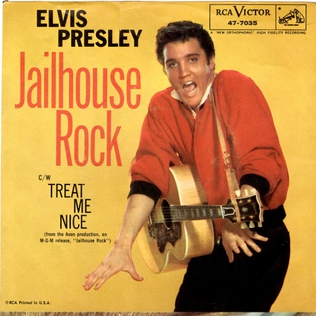
The year 1957 stands as a pivotal moment in the evolution of popular music, where rock ‘n’ roll, rhythm and blues, and even a touch of jazz converged to create a soundtrack that would resonate for decades. The hits of the year showcase not only the diverse range of genres but also the rise of some of the most influential voices in music history. A prime example is The Crickets’ “That’ll Be the Day,” a track that embodies the early rock ‘n’ roll spirit, blending Buddy Holly’s unmistakable vocal delivery with a catchy, driving beat. It’s a song that helped shape the sound of the era.
Elvis Presley’s “Jailhouse Rock” is another cornerstone of 1957, with its infectious energy and rebellious attitude. Presley was at the height of his powers, blending rock, blues, and a hint of swagger that would influence generations of performers. Meanwhile, Fats Domino’s “Blueberry Hill” offered a smoother, more melodic contrast. Domino’s effortless combination of rhythm and blues with pop sensibility helped bridge the gap between different audiences, securing his place as one of the genre’s pioneers.
But 1957 wasn’t just about rock ‘n’ roll—it was a year that embraced the full spectrum of American music. Take Harry Belafonte’s “Day-O (Banana Boat Song),” a calypso tune that brought Caribbean sounds to mainstream audiences. Similarly, the soulful ballad “You Send Me” by Sam Cooke introduced a voice that would soon come to define soul music. Cooke’s ability to combine gospel roots with pop elegance opened the doors for future R&B artists.
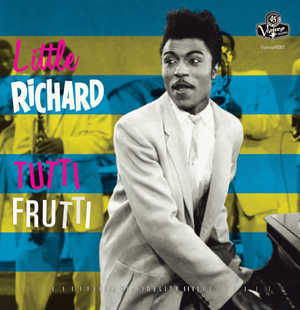
The variety of sounds continued with tracks like “Whole Lotta Shakin’ Goin’ On” by Jerry Lee Lewis and “Lucille” by Little Richard, both of which pushed the boundaries of what rock music could be with their raw energy and wild performances. On the other end of the spectrum, Ella Fitzgerald and Louis Armstrong’s rendition of “Summertime” added a jazzy sophistication to the year’s musical offerings, reminding listeners that timeless standards still had a place in the changing musical landscape.
Ninety fifty-seven was a year when rock ‘n’ roll solidified its place in popular culture, while artists from various genres continued to innovate and inspire. Whether through the heartfelt croon of Johnny Mathis on “Chances Are” or the rough-edged blues of Muddy Waters’ “Got My Mojo Working,” the music of this year still echoes today as a testament to a time when creativity flourished across musical boundaries.
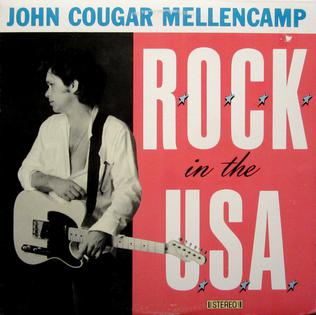
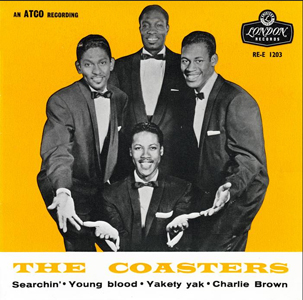
In their autobiography Hound Dog, songwriters Jerry Leiber and Mike Stoller tell of one time when they were at Jerry’s apartment. Jerry was in the kitchen while Mike was trying out ideas on the piano. Jerry called out to him “Take out the papers and the trash!” Immediately, Mike responded “Or you don’t get no spending cash.” Ten minutes later, the duo finished writing a rock and roll classic. The Coasters took the song, “Yakety Yak,” to number one.
The late Carl Gardner of The Coasters and The Robins was born on this date in 1928. A few of those groups’ songs with Gardner on lead are featured on today’s playlist.
Follow Tunes du Jour on Facebook
Follow Tunes du Jour on Twitter
Follow me on Instagram