Tunes Du Jour Presents Nile Rodgers

If you’ve ever found yourself on a dance floor, there’s a very high probability you’ve been moving to the work of Nile Rodgers. While his name might not be as instantly recognizable as the superstars he’s worked with, his sound is an undeniable part of modern music history. Looking at a playlist of his work is like taking a tour through the last five decades of pop, funk, and rock. He’s the common thread, the secret ingredient, and the architect behind countless hits, often armed with his signature 1960 Fender “Hitmaker” Stratocaster.

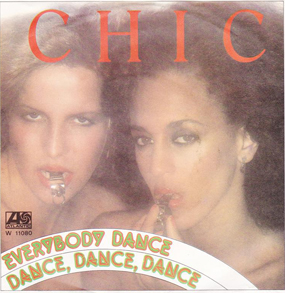
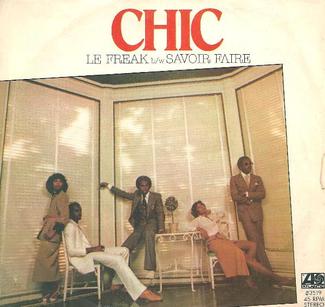
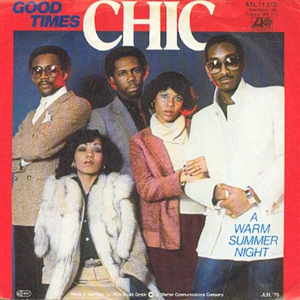
It all starts with Chic, the band he co-founded with the brilliant bassist Bernard Edwards. On tracks like “Good Times,” “Le Freak,” “I Want Your Love,” “Everybody Dance,” and the rest of the Chic songs on this list, Rodgers served as co-writer, guitarist, and co-producer. This partnership, known as The Chic Organization, became a powerhouse production unit. They took their signature blend of sophisticated funk, propulsive rhythms, and string-laden elegance and applied it to other artists. For Sister Sledge, they wrote, produced, and performed on “We Are Family,” “He’s the Greatest Dancer,” and “Lost In Music,” transforming the family group into global sensations. They did the same for Diana Ross, delivering her iconic hits “Upside Down” and “I’m Coming Out,” where Rodgers once again handled co-writing, guitar, and co-production duties.

As the 1980s dawned, Rodgers stepped into a new role as a solo super-producer, shaping the sound of the decade. He produced David Bowie’s blockbuster album Let’s Dance, playing his distinct, chiming guitar on the title track, “Modern Love,” and “China Girl.” While he didn’t write those songs, his production and arrangements are largely responsible for making them monumental hits. He did the same for Madonna, producing her album Like a Virgin. On tracks like the title song, “Material Girl,” “Dress You Up,” and “Angel,” Rodgers was the producer and a key guitarist, helping to craft the clean, sharp, and irresistibly danceable sound that defined her early career. He also brought his Midas touch to the world of New Wave, producing the hit single version of Duran Duran’s “The Reflex” and co-producing their smash, “Wild Boys.”

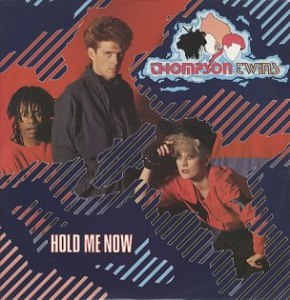
Beyond these marquee names, Rodgers’s discography reveals an incredible range. He was the producer who helped The B-52’s craft the polished and joyful sound of “Roam.” He produced the sleek, funk-rock of INXS’s “Original Sin” and the anthemic “Lay Your Hands On Me” for the Thompson Twins. His work with female vocalists continued to shine, from co-writing and co-producing the criminally underrated groove of Carly Simon’s “Why” to lending that same full-service treatment to Debbie Harry’s solo track “Backfired,” Grace Jones’ “I’m Not Perfect,” and Sheila & B. Devotion’s European disco classic, “Spacer.” On each of these, he was not just behind the board but was an active writer and musician.

Decades later, that same unmistakable guitar and rhythmic sensibility are as relevant as ever. His re-emergence into the mainstream wasn’t a comeback, but simply a reminder that he never left. He brought his magic to Daft Punk’s “Get Lucky,” which he co-wrote and on which he played that instantly recognizable guitar riff. More recently, he contributed his guitar playing and received a co-writing credit on Beyoncé’s “CUFF IT,” a track that feels like a direct descendant of the joyful, sophisticated funk he pioneered. From disco to new wave, and from 80s pop to 21st-century R&B, Nile Rodgers’s role has been consistent: he is the man who provides the foundation, the feel, and the funk that makes the world want to dance.

Follow Tunes Du Jour on Facebook

Follow me on Bluesky

Follow me on Instagram
Tunes Du Jour Presents Blondie

If you cranked up the radio in the late ’70s and early ’80s, chances are you stumbled upon Blondie’s infectious blend of new wave. Fronted by the iconic Debbie Harry, this band fearlessly pushed boundaries, fusing punk energy with pop sensibilities to create a sound that remains instantly recognizable today.

Blondie’s influence extends beyond catchy tunes. They were true pioneers in the new wave scene, infusing punk’s raw energy with irresistible hooks and Debbie Harry’s cool vocals. Hits like “Heart of Glass” and “Call Me” became instant classics, showcasing their ability to craft danceable anthems with a bite. But Blondie wasn’t a one-trick pony. Songs like “The Tide Is High” (a reggae cover) and “Rapture” (one of the first mainstream songs to feature rapping) demonstrated their genre-bending abilities.

Blondie’s impact transcends charts and awards. With over 40 million albums sold worldwide, they’ve left an indelible mark. Their critically acclaimed third album, Parallel Lines, catapulted them into the spotlight. Notably, “Rapture” earned them a Grammy Award for Best Rock Vocal Performance by a Female. In 2006, they rightfully entered the Rock and Roll Hall of Fame. Yet, beyond accolades, Blondie’s legacy lies in their enduring music—a testament to innovation and irresistible hooks.

Debbie Harry, the unforgettable face of Blondie, challenged traditional notions of femininity in rock. Her powerful voice and unapologetic stage presence made her a role model for aspiring musicians of all genders. Harry’s charisma and style continue to inspire artists worldwide.

Blondie isn’t just about music; they’ve also championed causes. Debbie Harry, in particular, advocates for LGBTQ+ rights and HIV/AIDS awareness. Her participation in charity events underscores the band’s commitment to giving back. Blondie remains an iconic band whose legacy resonates across generations. Their fusion of innovation and catchy hooks serves as a timeless recipe for success, proving that music can transcend eras and inspire both musicians and fans alike.

Follow Tunes Du Jour on Facebook

Follow Tunes Du Jour on Twitter

Follow me on Instagram

Tunes Du Jour Presents Covers of Show Tunes

The theme of today’s playlist is cover versions of songs that originated in stage musicals. Here are the songs listed with the shows that introduced them:

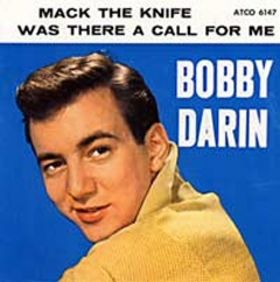
  • Mack the Knife by Bobby Darin – From The Threepenny Opera (1928)
  • Till There Was You by The Beatles – From The Music Man (1957)
  • Smoke Gets In Your Eyes by The Platters – From Roberta (1933)
  • Little Girl Blue by Nina Simone – From Jumbo (1935)
  • You’ll Never Walk Alone by Gerry & The Pacemakers – From Carousel (1945)
  • I Am What I Am by Gloria Gaynor – From La Cage aux Folles (1983)
  • On The Street Where You Live by Vic Damone – From My Fair Lady (1956)
  • Everything’s Coming Up Roses by The Replacements – From Gypsy (1959)
  • Send In The Clowns by Judy Collins – From A Little Night Music (1973)
  • I Don’t Know How to Love Him by Helen Reddy – From Jesus Christ Superstar (1970)
  • Hair by The Cowsills – From Hair (1967)
  • Put On A Happy Face by Diana Ross & The Supremes – From Bye Bye Birdie (1960)
  • Losing My Mind by Liza Minnelli – From Follies (1971)
  • Tomorrow by Grace Jones – From Annie (1977)
  • My Favorite Things by John Coltrane – From The Sound of Music (1959)
  • Well Did You Evah? by Debbie Harry & Iggy Pop – From DuBarry Was a Lady (1939)
  • The Man I Love by Kate Bush – From Lady, Be Good! (1924)
  • If My Friends Could See Me Now by Linda Clifford – From Sweet Charity (1966)
  • Summertime by Big Brother & The Holding Company – From Porgy and Bess (1935)
  • Cabaret by Harold Melvin & The Blue Notes – From Cabaret (1966)
  • I Get A Kick Out Of You by Frank Sinatra – From Anything Goes (1934)
  • Don’t Cry For Me Argentina by Festival – From Evita (1978)
  • Somewhere by Pet Shop Boys – From West Side Story (1957)
  • The Lady is a Tramp by Tony Bennett & Lady Gaga – From Babes in Arms (1937)
  • I’ll Never Fall In Love Again by Dionne Warwick – From Promises, Promises (1968)
  • I Love Paris by Screamin’ Jay Hawkins – From Can-Can (1953)
  • Night + Day by U2 – From Gay Divorce (1932)
  • There Are Worse Things I Could Do by Alison Moyet – From Grease (1971)
  • Corner of the Sky by The Jackson 5 – From Pippin (1972)
  • I Enjoy Being a Girl by Phranc – From Flower Drum Song (1958)

Follow Tunes du Jour on Facebook

Follow Tunes du Jour on Twitter

Follow me on Instagram

Your (Almost) Daily Playlist: 7-15-23

Norma Jean Wright, who sang lead vocals on Chic’s first smash single “Dance, Dance, Dance (Yowsah, Yowsah, Yowsah),” was born on this date in 1956 in Ripley, Tennessee, which is not far from the town of Nutbush, from where Tina Turner hails. Wright’s dad attended the same church as Tina. Besides her work with Chic, most notably on the aforementioned single and its follow-up, “Everybody Dance,” Wright has released solo records and sang backup on albums by Aretha Franklin, Madonna, Luther Vandross (who sings backup on “Dance, Dance, Dance”) and Sister Sledge.

Tunes du Jour celebrates the birthday of Norma Jean Wright with a playlist that includes her two biggest hits with Chic.

Follow Tunes du Jour on Facebook

Follow Tunes du Jour on Twitter

Follow me on Instagram