It’s hard to overstate how culturally dominant pop music was in 1984—or how much the year reshaped the landscape. Many of the songs on this playlist weren’t just hits; they were defining moments, launching or solidifying the careers of artists whose names still carry weight today. The sheer number of songs from 1984 that are still instantly recognizable points to a moment when creativity, commerce, and cultural change aligned. The presence of “Thriller”—Michael Jackson’s seventh single from the album of the same name—reminds us that the music business had never seen anything quite like this before. And yet, he wasn’t the only artist making history.
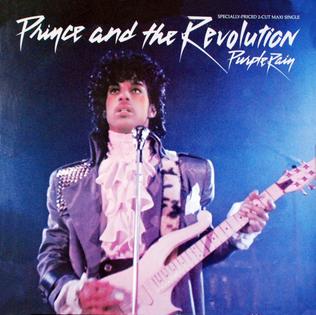
Prince’s “Purple Rain” marked not just a commercial breakthrough, but a creative one. It’s a song, an album, and a film—each enhancing the other’s mythology. Similarly, “Like a Virgin” signaled Madonna’s arrival as more than a pop star; she became a cultural force. Tina Turner, with “What’s Love Got to Do with It,” pulled off one of the most celebrated comebacks in music history. And Cyndi Lauper’s “Girls Just Want to Have Fun” brought an infectious blend of new wave and punky playfulness to the mainstream, reshaping ideas about femininity and pop performance.
Meanwhile, the rock world was hardly on pause. “Jump” became Van Halen’s biggest hit, thanks to its synth hook and anthemic chorus, while Bruce Springsteen’s “Dancing in the Dark” pushed his career into stadium territory. Across the Atlantic, U2’s “Pride (In the Name of Love)” began their transformation from college radio favorites to global headliners. The Replacements’ “I Will Dare,” from Let It Be, captured the heart of American indie rock—irreverent, emotionally raw, and just tuneful enough to hint at wider possibilities. And among the post-punk and alternative set, songs like “The Killing Moon” by Echo & the Bunnymen and “Heaven Knows I’m Miserable Now” by The Smiths gave moody introspection a lasting soundtrack.
What also stands out in 1984 is the range of genres that made a mainstream impact. Shannon’s “Let the Music Play” helped lay groundwork for freestyle, and Chaka Khan’s “I Feel for You” was a pivotal crossover moment, bringing together R&B, pop, and hip-hop. Run-D.M.C.’s “Rock Box” did something similar, blending rap and rock before it was fashionable. The Pointer Sisters’ “Automatic” was one of several hits that proved they could thrive in an electronic pop era without losing their vocal identity. Even novelty songs like “Ghostbusters” or the cheerful “Wake Me Up Before You Go-Go” helped shape the sound of the time.
Beyond chart success, 1984’s songs carried messages—sometimes playful, sometimes political. “Free Nelson Mandela” by The Special A.K.A. was a global anthem of protest. Depeche Mode’s “Blasphemous Rumours” examined faith and fate with a dark electronic edge. And “Somebody’s Watching Me,” a paranoid slice of synth-pop, foreshadowed a media culture on the verge of explosion. Whether on the dancefloor, in dorm rooms, or through the television set, 1984’s music didn’t just reflect its era—it helped define it.
Follow Tunes Du Jour on Facebook
Follow me on Bluesky
Follow me on Instagram