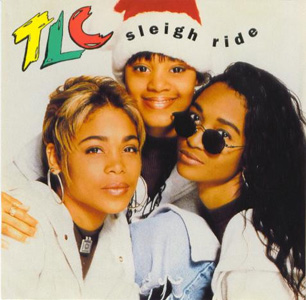
‘Tis the season.
Follow Tunes Du Jour on Facebook
Follow me on Bluesky
Follow me on Instagram
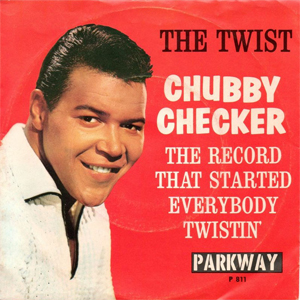
The year 1960 often gets passed over in rock history—a transitional time between the first burst of rock and roll and the cultural and musical revolutions just a few years away. But to call it sleepy is to miss the point. In fact, many of the year’s hits still reverberate today, not just as nostalgic touchstones but as enduring standards. “The Twist” by Chubby Checker launched a dance phenomenon that would ripple through pop culture for years. And “Save the Last Dance for Me” by the Drifters remains a masterclass in balancing heartbreak and sweetness—still played at weddings and in soundtracks, still finding new generations of listeners.
Ballads carried a lot of weight in 1960, and few did it better than Elvis Presley’s aching “Are You Lonesome Tonight?” or Roy Orbison’s “Only the Lonely,” which showcased his operatic vulnerability. Country narratives crossed into the mainstream with Marty Robbins’ “El Paso,” a story song that unspooled like a Western in miniature. At the other end of the spectrum, Maurice Williams & the Zodiacs’ “Stay” packed teenage yearning into a lean, irresistible one minute thirty-five seconds. And “Wonderful World” by Sam Cooke, though modest in ambition compared to some of his later work, remains a model of warmth and accessibility—a song that’s managed to feel timeless for more than six decades.
The sense of genre boundaries being tested is another hallmark of the year. Ray Charles brought gospel, blues, and pop together on his definitive reading of “Georgia on My Mind,” while Barrett Strong’s “Money (That’s What I Want)” helped lay the foundation for Motown’s impending ascent. Fats Domino’s “Walking to New Orleans” fused New Orleans rhythm with a subtle orchestral flourish, and Bobby Darin’s “Beyond the Sea” added a cosmopolitan swagger to the charts. These weren’t experiments for their own sake—they were evolutions of form, often rooted in deep tradition.
Rock’s wilder edges were still alive, though not always in the spotlight. Ike and Tina Turner’s “A Fool in Love” marked Tina’s explosive debut on the national stage—raw, commanding, and impossible to ignore. Instrumentals also carved out real estate, from the cinematic calm of Percy Faith’s “Theme From ‘A Summer Place’” to the proto-surf energy of The Ventures’ “Walk Don’t Run.” And in the novelty corner, “Itsy Bitsy Teeny Weeny Yellow Polka Dot Bikini” and “Alley Oop” proved that humor and absurdity had a place in the pop ecosystem.
So while 1960 may not have produced a defining movement, it certainly produced defining songs. These weren’t just placeholders between rock and roll’s rise and the British Invasion—they were records that resonated, sometimes quietly at first, but with a staying power that’s hard to deny. Whether filtered through covers, samples, soundtracks, or simple endurance, many of these tracks are still with us. It wasn’t a year of reinvention—but it was a year of remarkable staying power.
Follow Tunes Du Jour on Facebook
Follow me on Bluesky
Follow me on Instagram
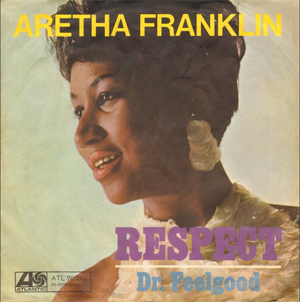
Nineteen sixty-seven stands as a pivotal moment in the evolution of popular music, a year when artistic boundaries expanded dramatically across multiple genres. The musical landscape was transformed by groundbreaking releases from established artists and remarkable debuts from newcomers who would become legends. From Aretha Franklin’s powerful rendition of “Respect” to Pink Floyd’s psychedelic “See Emily Play,” the year produced an extraordinary collection of songs that continue to resonate decades later.
Soul music experienced a remarkable surge, with Aretha Franklin’s definitive version of “Respect” establishing her as the genre’s preeminent female voice. The raw emotion of Otis Redding’s “Try a Little Tenderness,” the exuberance of Jackie Wilson’s “(Your Love Keeps Lifting Me) Higher and Higher,” and the groove-driven “Soul Man” by Sam & Dave showcased the genre’s diversity and emotional range. Motown continued its dominance with several more hits for Diana Ross & the Supremes, including “The Happening,” while Smokey Robinson & the Miracles added “I Second That Emotion” to their growing catalog of hits. Marvin Gaye enjoyed multiple chart successes in 1967, with “Your Precious Love” being just one of several duets with Tammi Terrell that would define this productive period.
Meanwhile, rock music underwent seismic shifts as experimentation became the norm. The Beatles had an astonishingly prolific year, releasing the landmark album Sgt. Pepper’s Lonely Hearts Club Band while also producing standalone singles of remarkable quality like “Strawberry Fields Forever” and “Penny Lane.” The Doors’ extended opus “Light My Fire” and The Jimi Hendrix Experience’s revolutionary “Purple Haze” redefined what electric guitars could accomplish. The Rolling Stones contributed the melancholic beauty of “Ruby Tuesday,” which ironically became the bigger hit after radio stations deemed its intended A-side, “Let’s Spend the Night Together,” too controversial for airplay. The Who’s powerhouse “I Can See for Miles” and Buffalo Springfield’s protest anthem “For What It’s Worth” reflected rock’s increasing social consciousness. Perhaps most radical was The Velvet Underground’s “Heroin,” which brought an unprecedented rawness to discussions of addiction.
The year’s diversity extended far beyond these genres. The Monkees transcended their manufactured origins with the wistful “Daydream Believer,” while Van Morrison crafted the timeless “Brown Eyed Girl.” Bobbie Gentry’s Southern Gothic narrative “Ode to Billie Joe” demonstrated songwriting’s storytelling potential, and Procol Harum’s “A Whiter Shade of Pale” merged classical influences with rock sensibilities. Jefferson Airplane’s “White Rabbit” and Pink Floyd’s “See Emily Play” pushed psychedelic music further into the mainstream, establishing both bands as significant forces in the burgeoning psychedelic scene.
What made 1967 truly remarkable was how these diverse sounds coexisted and influenced each other, creating a musical conversation that crossed genre lines. This was the year when album-oriented rock solidified, soul music reached new emotional depths, and psychedelia flowered into mainstream consciousness. The thirty songs listed here barely scratch the surface of a year that saw popular music mature into an art form capable of expressing the full spectrum of human experience. Many artists were at their creative peaks, producing multiple hit singles and groundbreaking albums within this single exceptional year. These recordings capture a moment when musical innovation accelerated at an unprecedented pace, leaving an enduring legacy that continues to inspire and influence musicians more than half a century later.
Follow Tunes Du Jour on Facebook
Follow me on Instagram
Follow me on Bluesky
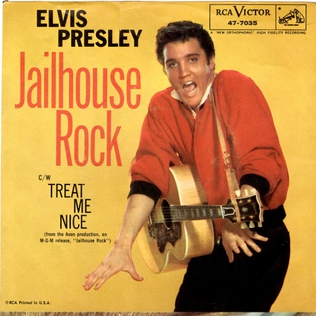
The year 1957 stands as a pivotal moment in the evolution of popular music, where rock ‘n’ roll, rhythm and blues, and even a touch of jazz converged to create a soundtrack that would resonate for decades. The hits of the year showcase not only the diverse range of genres but also the rise of some of the most influential voices in music history. A prime example is The Crickets’ “That’ll Be the Day,” a track that embodies the early rock ‘n’ roll spirit, blending Buddy Holly’s unmistakable vocal delivery with a catchy, driving beat. It’s a song that helped shape the sound of the era.
Elvis Presley’s “Jailhouse Rock” is another cornerstone of 1957, with its infectious energy and rebellious attitude. Presley was at the height of his powers, blending rock, blues, and a hint of swagger that would influence generations of performers. Meanwhile, Fats Domino’s “Blueberry Hill” offered a smoother, more melodic contrast. Domino’s effortless combination of rhythm and blues with pop sensibility helped bridge the gap between different audiences, securing his place as one of the genre’s pioneers.
But 1957 wasn’t just about rock ‘n’ roll—it was a year that embraced the full spectrum of American music. Take Harry Belafonte’s “Day-O (Banana Boat Song),” a calypso tune that brought Caribbean sounds to mainstream audiences. Similarly, the soulful ballad “You Send Me” by Sam Cooke introduced a voice that would soon come to define soul music. Cooke’s ability to combine gospel roots with pop elegance opened the doors for future R&B artists.
The variety of sounds continued with tracks like “Whole Lotta Shakin’ Goin’ On” by Jerry Lee Lewis and “Lucille” by Little Richard, both of which pushed the boundaries of what rock music could be with their raw energy and wild performances. On the other end of the spectrum, Ella Fitzgerald and Louis Armstrong’s rendition of “Summertime” added a jazzy sophistication to the year’s musical offerings, reminding listeners that timeless standards still had a place in the changing musical landscape.
Ninety fifty-seven was a year when rock ‘n’ roll solidified its place in popular culture, while artists from various genres continued to innovate and inspire. Whether through the heartfelt croon of Johnny Mathis on “Chances Are” or the rough-edged blues of Muddy Waters’ “Got My Mojo Working,” the music of this year still echoes today as a testament to a time when creativity flourished across musical boundaries.
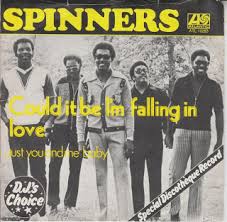
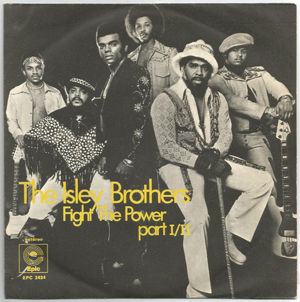

This playlist consists of tributes to some of the most influential figures in history and culture:
Candle In The Wind – Elton John: A heartfelt tribute to the iconic Marilyn Monroe, Elton John’s poignant melody captures the essence of her tragic life and enduring legacy.
Jackie Wilson Said (I’m In Heaven When You Smile) – Van Morrison: Van Morrison’s soulful tribute to Jackie Wilson celebrates the enduring power of music to uplift and inspire, capturing the essence of Wilson’s legendary performances and infectious charisma.
Vincent – Don McLean: Don McLean’s haunting ballad pays homage to the tormented genius of Vincent Van Gogh, intertwining his artistry with the complexities of his inner struggles.
When Smokey Sings – ABC: ABC’s smooth tribute to Motown legend Smokey Robinson pays homage to his soulful melodies and timeless contributions to music, evoking the nostalgic allure of his classic hits.
Pride (In The Name Of Love) – U2: With soaring vocals and stirring lyrics, U2’s anthem commemorates the life and legacy of civil rights leader Martin Luther King Jr., inspiring listeners to carry on his message of love and equality.
The Late Great Johnny Ace – Paul Simon: Paul Simon’s poignant tribute to rhythm and blues singer Johnny Ace reflects on the tragic circumstances of his untimely death, capturing the essence of his brief yet impactful career.
Nightshift – Commodores: A soulful tribute to the legendary soul singers Marvin Gaye and Jackie Wilson, the Commodores’ “Nightshift” celebrates their contributions to music and honors their enduring impact.
King Tut – Steve Martin: Steve Martin’s irreverent tribute to the Egyptian pharaoh Tutankhamun celebrates the enduring fascination with ancient history and the enduring legacy of one of its most iconic figures.
Man On The Moon – R.E.M.: R.E.M.’s enigmatic ode to the enigmatic Andy Kaufman captures the essence of his eccentricity and genius, inviting listeners to ponder the mysteries of his life and art.
Andy Warhol – David Bowie: David Bowie’s avant-garde homage to pop artist Andy Warhol captures the essence of his enigmatic persona and artistic vision, reflecting on his influence on contemporary culture and creativity.
Abraham Martin And John – Dion: Through Dion’s soulful rendition, “Abraham Martin And John” tenderly remembers the legacies of Abraham Lincoln, Martin Luther King Jr., and John F. Kennedy, reflecting on their enduring influence on American history.
Rock and Roll Heaven – The Righteous Brothers: The Righteous Brothers’ soul-stirring tribute to fallen rock ‘n’ roll stars celebrates their enduring legacy and contributions to music, offering a heartfelt homage to their memory.
All Those Years Ago – George Harrison: George Harrison’s heartfelt tribute to his late bandmate John Lennon not only reminisces about their time together in The Beatles but also serves as a poignant reflection on love, loss, and the passage of time.
Big Train (From Memphis) – John Fogerty: John Fogerty’s rollicking tribute to Elvis Presley captures the spirit of rock ‘n’ roll rebellion and pays homage to the enduring influence of the King of Rock ‘n’ Roll on American music.
Biko – Peter Gabriel: Peter Gabriel’s powerful anthem honors the memory of South African anti-apartheid activist Steve Biko, capturing the spirit of resistance and resilience that defined his legacy.
Tunic (Song For Karen) – Sonic Youth: Sonic Youth’s haunting tribute to Karen Carpenter reflects on the tragic circumstances of her life and untimely death, capturing the essence of her talent and the profound impact of her music.
Emmylou – First Aid Kit: First Aid Kit’s ethereal tribute to country music icon Emmylou Harris celebrates her timeless talent and profound influence on the genre, echoing the purity and grace of her musical stylings.
Brian Wilson – Barenaked Ladies: Barenaked Ladies’ whimsical tribute to Brian Wilson celebrates his innovative genius and enduring legacy as a founding member of The Beach Boys, capturing the spirit of his iconic melodies and harmonies.
Englishman in New York – Sting: Sting’s homage to the eccentric poet and playwright Quentin Crisp celebrates his unapologetic individuality and unwavering commitment to authenticity, embodying the spirit of self-expression and acceptance.
Velvet Underground – Jonathan Richman: Jonathan Richman’s heartfelt tribute to the Velvet Underground pays homage to their groundbreaking contributions to music and celebrates their enduring influence on alternative rock.
Alex Chilton – The Replacements: The Replacements’ infectious tribute to rock ‘n’ roll icon Alex Chilton pays homage to his rebellious spirit and enduring impact on music, capturing the essence of his legendary status.
She’s Madonna – Robbie Williams with Pet Shop Boys: Robbie Williams’ provocative tribute to Madonna celebrates her status as a pop culture icon, reflecting on her impact on music, fashion, and female empowerment.
Happy Birthday – Stevie Wonder: Stevie Wonder’s spirited anthem advocates for the recognition of Dr. Martin Luther King Jr.’s birthday as a national holiday, encapsulating the fervent spirit of the civil rights movement and celebrating the enduring legacy of King’s vision for equality and justice. With its infectious melody and uplifting lyrics, the song serves as both a tribute to King’s contributions to society and a call to action for continued progress and unity.
Elvis is Everywhere – Mojo Nixon and Skid Roper: Mojo Nixon and Skid Roper’s irreverent tribute to Elvis Presley humorously celebrates the enduring presence of the King of Rock ‘n’ Roll in popular culture, reflecting on his larger-than-life persona and lasting legacy.
Are You Sure Hank Done It This Way – Waylon Jennings: Waylon Jennings’ classic pays homage to the pioneering spirit of country music legend Hank Williams, reflecting on his influence and innovation within the genre.
Song To Woody – Bob Dylan: Bob Dylan’s heartfelt tribute to folk music legend Woody Guthrie pays homage to his influence on his own musical journey and celebrates the enduring power of Guthrie’s songs to inspire and provoke.
Sweet Gene Vincent – Ian Dury: Ian Dury’s rollicking tribute to rockabilly pioneer Gene Vincent captures the energy and excitement of his music, paying homage to his enduring impact on rock ‘n’ roll.
Bowie – Flight of the Conchords: Flight of the Conchords’ whimsical tribute to David Bowie celebrates his eclectic persona and musical genius, capturing the essence of his iconic status as a cultural icon.
Giorgio By Moroder – Daft Punk feat. Giorgio Moroder: Daft Punk’s electrifying tribute to legendary producer Giorgio Moroder not only celebrates his innovative contributions to electronic music but also reflects on the evolution of the genre and its impact on contemporary culture.
Martin Scorsese – King Missile: King Missile’s irreverent tribute to filmmaker Martin Scorsese playfully celebrates his contributions to cinema and pop culture, reflecting on his unique vision and enduring impact on the art of filmmaking.
Follow Tunes du Jour on Facebook
Follow Tunes du Jour on Twitter
Follow me on Instagram
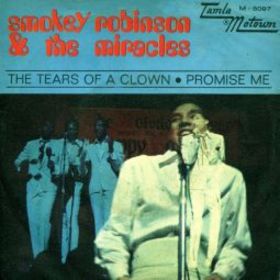
Smokey Robinson is one of the most influential and beloved figures in the history of American music. He is not only a legendary singer, songwriter, and producer, but also a humanitarian who has used his fame and fortune to support various causes.
William “Smokey” Robinson was born in Detroit, Michigan, in 1940. He grew up in a musical environment, listening to the likes of Nolan Strong, Hank Ballard, and Jackie Wilson. He formed his first vocal group, the Five Chimes, while in high school, and later changed their name to the Miracles. He met Berry Gordy Jr., the founder of Motown Records, in 1957, and became one of his first artists and collaborators. He also suggested the name Motown, in honor of the Motor City.
The Miracles gave Motown its first number one hit with “Shop Around” in 1960, and went on to score many more classics, such as “You’ve Really Got a Hold on Me,” “The Tracks of My Tears,” “I Second That Emotion,” and “The Tears of a Clown.” Smokey Robinson was the lead singer and the main songwriter of the group, as well as a prolific producer for other Motown acts, such as Mary Wells, the Temptations, the Supremes, and the Marvelettes. He wrote and produced some of the most iconic songs of the Motown era, such as “My Guy,” “My Girl,” “The Way You Do the Things You Do,” and “The Hunter Gets Captured by the Game.”
Smokey Robinson left the Miracles in 1972 to pursue a solo career, and continued to create hits, such as “Quiet Storm,” “Cruisin’”, “Being with You,” and “One Heartbeat.” He also became the vice president of Motown, and helped to nurture the careers of new artists, such as Lionel Richie, Rick James, and Teena Marie. He was inducted into the Rock and Roll Hall of Fame twice, as a solo artist and as a member of the Miracles. He also received a Grammy Lifetime Achievement Award, a Kennedy Center Honor, and a Library of Congress Gershwin Prize for his contributions to popular music.
Smokey Robinson has written and sung some of the most romantic songs ever. He has also shown his love for humanity by supporting various charities and causes, such as the Barbara Davis Center for Childhood Diabetes, the Boys & Girls Clubs of America, the Elton John AIDS Foundation, the Gabrielle’s Angel Foundation, the Miami Children’s Hospital Foundation, UNICEF, and the United Negro College Fund. He has also invested in his hometown of Detroit by donating to the Motown Museum and supporting arts and music programs for young people.
Smokey Robinson is a living legend who has enriched our lives with his music and his love. He is a role model for aspiring artists and a source of inspiration for generations of fans. He is a treasure of American culture and a gift to the world. Let us celebrate his legacy by listening to thirty of his best songs as a vocalist, which are featured in the playlist below. Enjoy!
Follow Tunes du Jour on Facebook
Follow Tunes du Jour on Twitter
Follow me on Instagram
