Tunes Du Jour Celebrates International Drum Month

Welcome to a journey through rhythm. November is International Drum Month, and this collection honors the masters of the drum kit, the players whose feel, power, and ingenuity define the songs we love. From the tightest pockets to the most explosive solos, these are the heartbeats of modern music. Let’s give the drummers some.

Good Vibrations – The Beach Boys
The legendary session musician Hal Blaine provides the sharp, inventive percussion, using everything from sleigh bells to a detached kick drum to build the song’s complex and sunny atmosphere.

Cissy Strut – The Meters
Joseph “Zigaboo” Modeliste, the architect of New Orleans funk, creates a syncopated, greasy, and endlessly influential groove that has been the blueprint for funk drummers ever since.

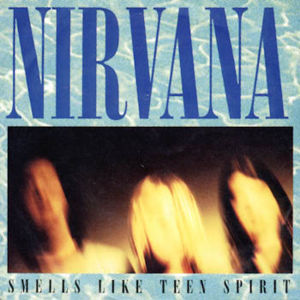
Smells Like Teen Spirit – Nirvana
Dave Grohl’s performance is a masterclass in quiet-loud dynamics, with his simple, powerful groove in the verse exploding into a torrent of raw energy for the iconic chorus.

One – Metallica
Lars Ulrich’s machine-gun double bass drumming on the intro is one of metal’s most defining moments, perfectly mimicking the sound of battlefield artillery.

Superstition – Stevie Wonder
The irresistible funk pattern that drives this track was played by none other than Stevie Wonder himself, who laid down the clavinet, bass, and drum parts to create a perfect storm of groove.

The Glamorous Life – Sheila E.
A tour de force from the legendary percussionist and drummer Sheila E., this track is a showcase of her technical virtuosity and incredible funk sensibilities.

In The Air Tonight – Phil Collins
For three minutes, Phil Collins builds unbearable tension before unleashing the most famous drum fill in history, a thunderous burst of gated reverb toms that everyone has air-drummed to.

Rosanna – Toto
The late, great Jeff Porcaro gives a masterclass in the half-time shuffle, creating a feel so iconic and difficult to replicate that it’s now simply known as the “Rosanna shuffle.”

Come Together – The Beatles
Ringo Starr’s signature swampy, tea-towel-dampened tom groove is the unmistakable foundation of this track, proving that feel and creativity are more important than flash.

Brick House – The Commodores
Walter “Clyde” Orange not only provides the lead vocals but also lays down a funk groove so solid and deep you could build a house on it, proving that sometimes the simplest beat is the most effective.

Rock With You – Michael Jackson
Session giant John “JR” Robinson creates a beat that is smooth, sophisticated, and impossibly deep in the pocket, providing the perfect shimmering pulse for dancing.

Sing, Sing, Sing (With A Swing) – Benny Goodman & His Orchestra
Gene Krupa became music’s first superstar drummer with this performance, his primal, floor-tom-driven solo setting the standard for all drum features to come.

Voodoo Child (Slight Return) – The Jimi Hendrix Experience
Mitch Mitchell’s jazz-influenced, wildly improvisational drumming is the perfect foil for Hendrix’s guitar, a chaotic and conversational force of nature.

When The Levee Breaks – Led Zeppelin
Recorded in a stairwell with two microphones, John Bonham’s colossal, booming groove is arguably the most recognizable and revered drum sound ever committed to tape.

Message in a Bottle – The Police
Showcasing his unique, reggae-infused style, Stewart Copeland’s intricate hi-hat work and signature use of the splash cymbal give this song its nervous, driving energy.

Funky Drummer – James Brown
Here, Clyde Stubblefield plays what is perhaps the most-sampled drum break in history, a 20-second piece of rhythmic perfection that became a cornerstone of hip-hop.

Gimme Shelter – The Rolling Stones
The picture of restraint and taste, Charlie Watts enters the song with a deceptively simple beat that carries all the dread and swing the track demands.

I’ve Seen All Good People – Yes
Bill Bruford’s crisp, creative, and complex drumming is on full display, navigating the song’s shifting sections with technical precision and musical grace.

50 Ways to Leave Your Lover – Paul Simon
Steve Gadd lays down one of the most recognizable and clever marching-band-inspired beats in popular music, a sophisticated and instantly memorable pattern.

Think (About It) – Lyn Collins
Another gift to hip-hop from the James Brown band, this track features John “Jabo” Starks’s impossibly tight groove and a legendary drum break that keeps on giving.

White Room – Cream
The inimitable Ginger Baker announces this psychedelic classic with a powerful 5/4 tom-tom intro, setting the stage with his heavy, melodic, and groundbreaking style.

Hot For Teacher – Van Halen
Alex Van Halen’s frantic, shuffling intro sounds like a barely-contained engine, kicking off one of the most exhilarating double-bass-fueled drum tracks in rock history.

Sunday Bloody Sunday – U2
Larry Mullen Jr.’s militaristic, unrelenting snare drum pattern, recorded in a reverberant stairwell, serves as the song’s defiant and unwavering backbone.

Schism – Tool
A master of complexity, Danny Carey navigates the song’s dizzying array of shifting time signatures with a tribal power and mathematical precision that is simply breathtaking.

Baba O’Riley – The Who
The untamable Keith Moon crashes and tumbles through this rock anthem, playing with a frenetic energy that threatens to send the song flying off the rails at any moment.

Dig Me Out – Sleater-Kinney
Janet Weiss is the roaring engine of this track, playing with a ferocious power, impeccable timing, and creative fills that drive the song forward relentlessly.

I Heard It Through the Grapevine – Gladys Knight & the Pips
Funk Brothers drummers Uriel Jones and the great Benny Benjamin create a powerhouse rhythm section, delivering a performance full of simmering tension and explosive release that punctuates the song’s raw emotion.

Dancin’ Fool – Frank Zappa
Terry Bozzio is the manic force behind this track, navigating Zappa’s absurd rhythmic twists and turns with an explosive combination of power, precision, and theatrical flair.

One Love/People Get Ready – Bob Marley & The Wailers
Carlton “Carly” Barrett, the originator of the “One Drop” rhythm, gives this song its iconic reggae heartbeat, where the accent is on the third beat of the measure.

Footprints – The Miles Davis Quintet
At just 20 years old, Tony Williams redefined jazz drumming with his explosive and interactive playing, shattering old conventions and pushing the entire band to new heights.

Follow Tunes Du Jour on Facebook

Follow me on Bluesky

Follow me on Instagram
Tunes Du Jour Presents The Bob Dylan Songbook

One way to measure a songwriter’s reach is not by how often their work is covered, but how widely. The playlist below spans decades, genres, and sensibilities—from Adele to The Dead Weather, from Johnny Cash to the Neville Brothers—and all roads lead back to Bob Dylan. This is not just a reflection of his prominence; it’s a testament to the adaptability of his writing. Dylan’s lyrics aren’t locked into one style or moment—they hold up when filtered through gospel, punk, glam, folk, or soul. His songs invite reimagining because they’re grounded in strong narrative bones and emotional honesty, not ornamental frills.

Consider the different shades of “All Along the Watchtower.” Dylan’s original version is stark and cryptic; Hendrix turned it into an electrified storm. Likewise, “I Shall Be Released,” rendered with hushed reverence by The Band, has the structure of a gospel hymn but the ambiguity of a fable. “Make You Feel My Love,” one of Dylan’s later compositions, found new life in Adele’s version—proof that his songwriting didn’t peak in the ’60s, but simply evolved. His voice as a writer has always been the constant: a blend of plainspoken wisdom, sly humor, and a deep sense of historical and emotional context.

It’s notable, too, how Dylan’s songs seem to absorb the character of the performer. When Elvis Presley sings “Tomorrow Is a Long Time,” it feels like a Southern ballad. When PJ Harvey takes on “Highway 61 Revisited,” it becomes something raw and jagged. Nina Simone’s version of “Just Like Tom Thumb’s Blues” brings out a haunted intensity not present in Dylan’s own delivery. That elasticity points to a rare kind of craftsmanship—songs written with enough specificity to be meaningful, but enough openness to be inhabited.

Even in unexpected settings, Dylan’s words linger. Tom Petty co-wrote the lyrics to “Jammin’ Me” with him, a pointed pop-rock critique of media saturation. Patti Smith’s “Changing of the Guards” channels the mystical imagery and layered storytelling that Dylan deployed throughout the ’70s. And when The Specials tear into “Maggie’s Farm,” it becomes a statement of punk-era defiance. These aren’t nostalgia pieces—they’re songs that meet each era on its own terms.

Dylan’s catalog isn’t just influential; it’s usable. His songs function as cultural currency, endlessly exchangeable yet retaining value. Whether you hear him through Joan Osborne’s gothic reading of “Man in the Long Black Coat” or the crystalline harmonies of Peter, Paul and Mary’s “Blowin’ in the Wind,” what’s most striking is not just who sings Dylan—but what his songs reveal when they do.

Follow Tunes Du Jour on Facebook

Follow me on Bluesky

Follow me on Instagram
Tunes Du Jour Celebrates National Joe Day

For those of you outside the U.S., today is National Joe Day — an important holiday stateside. Anyone named Joe (or Joseph, Josephine, Joey or Johanna) gets the day off. No work, no mail delivery, no access to federal buildings. Some Joels try to sneak in on the action, but they’re swiftly dealt with—usually by a retired mall cop wielding a two-by-four.

Follow Tunes Du Jour on Facebook

Follow me on Bluesky

Follow me on Instagram
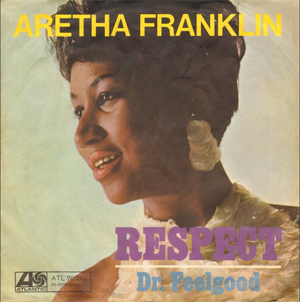
Tunes Du Jour Presents 1967

Nineteen sixty-seven stands as a pivotal moment in the evolution of popular music, a year when artistic boundaries expanded dramatically across multiple genres. The musical landscape was transformed by groundbreaking releases from established artists and remarkable debuts from newcomers who would become legends. From Aretha Franklin’s powerful rendition of “Respect” to Pink Floyd’s psychedelic “See Emily Play,” the year produced an extraordinary collection of songs that continue to resonate decades later.

Soul music experienced a remarkable surge, with Aretha Franklin’s definitive version of “Respect” establishing her as the genre’s preeminent female voice. The raw emotion of Otis Redding’s “Try a Little Tenderness,” the exuberance of Jackie Wilson’s “(Your Love Keeps Lifting Me) Higher and Higher,” and the groove-driven “Soul Man” by Sam & Dave showcased the genre’s diversity and emotional range. Motown continued its dominance with several more hits for Diana Ross & the Supremes, including “The Happening,” while Smokey Robinson & the Miracles added “I Second That Emotion” to their growing catalog of hits. Marvin Gaye enjoyed multiple chart successes in 1967, with “Your Precious Love” being just one of several duets with Tammi Terrell that would define this productive period.

Meanwhile, rock music underwent seismic shifts as experimentation became the norm. The Beatles had an astonishingly prolific year, releasing the landmark album Sgt. Pepper’s Lonely Hearts Club Band while also producing standalone singles of remarkable quality like “Strawberry Fields Forever” and “Penny Lane.” The Doors’ extended opus “Light My Fire” and The Jimi Hendrix Experience’s revolutionary “Purple Haze” redefined what electric guitars could accomplish. The Rolling Stones contributed the melancholic beauty of “Ruby Tuesday,” which ironically became the bigger hit after radio stations deemed its intended A-side, “Let’s Spend the Night Together,” too controversial for airplay. The Who’s powerhouse “I Can See for Miles” and Buffalo Springfield’s protest anthem “For What It’s Worth” reflected rock’s increasing social consciousness. Perhaps most radical was The Velvet Underground’s “Heroin,” which brought an unprecedented rawness to discussions of addiction.

The year’s diversity extended far beyond these genres. The Monkees transcended their manufactured origins with the wistful “Daydream Believer,” while Van Morrison crafted the timeless “Brown Eyed Girl.” Bobbie Gentry’s Southern Gothic narrative “Ode to Billie Joe” demonstrated songwriting’s storytelling potential, and Procol Harum’s “A Whiter Shade of Pale” merged classical influences with rock sensibilities. Jefferson Airplane’s “White Rabbit” and Pink Floyd’s “See Emily Play” pushed psychedelic music further into the mainstream, establishing both bands as significant forces in the burgeoning psychedelic scene.

What made 1967 truly remarkable was how these diverse sounds coexisted and influenced each other, creating a musical conversation that crossed genre lines. This was the year when album-oriented rock solidified, soul music reached new emotional depths, and psychedelia flowered into mainstream consciousness. The thirty songs listed here barely scratch the surface of a year that saw popular music mature into an art form capable of expressing the full spectrum of human experience. Many artists were at their creative peaks, producing multiple hit singles and groundbreaking albums within this single exceptional year. These recordings capture a moment when musical innovation accelerated at an unprecedented pace, leaving an enduring legacy that continues to inspire and influence musicians more than half a century later.

Follow Tunes Du Jour on Facebook

Follow me on Instagram

Follow me on Bluesky

Tunes Du Jour Celebrates International Left-Handers Day

Happy International Left-Handers Day! 🖐

Did you know that in the 1600s, lefties were suspected of witchcraft? Fast forward to today, and we’re still navigating a world designed for righties. From scissors to can openers, life’s full of little challenges for the left-handed among us.

Even language hasn’t been kind – check a thesaurus and you might find some surprisingly negative synonyms for “left-handed.” (Have you ever been accused of giving a left-handed compliment?) But lefties in good company! Some of the world’s most creative minds have been southpaws.

To celebrate this most important of holidays, I’ve put together a playlist featuring 30 incredible left-handed musicians. From rock legends to pop icons, these artists have left their mark on music history.

Your (Almost) Daily Playlist: 4-19-24

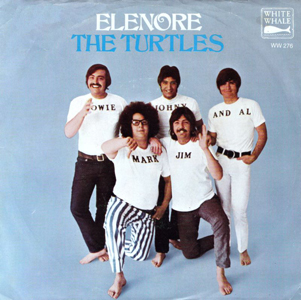
Elenore
Gee, I think you’re swell
And you really do me well 
You’re my pride and joy, et cetera…

After the huge success of their “Happy Together,” The Turtles’ record label asked them for another love song in a similar vein. Jokingly, they turned in “Elenore.” It became their eighth US top 40 hit, reaching number 6 on the Billboard Hot 100.

The Turtles’ Mark Volman was born on this date in 1947. A few songs from his band are included on today’s playlist.

Follow Tunes du Jour on Facebook

Follow Tunes du Jour on Twitter

Follow me on Instagram

Tunes Du Jour Presents 1968

In the tumultuous year of 1968, the world was ablaze with social and political upheaval, and the music of the time resonated deeply with the spirit of change. As we reflect on the sounds that defined this pivotal era, it’s impossible not to be swept away by the eclectic mix of genres and emotions that filled the airwaves. From soulful ballads to psychedelic rock anthems, the music of 1968 was a reflection of the turbulent times in which it was created.

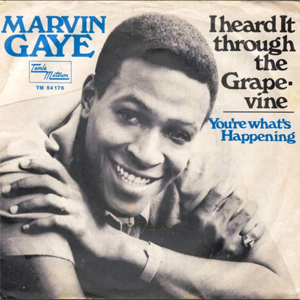
One cannot delve into the musical landscape of 1968 without acknowledging the timeless classics that continue to capture hearts and minds today. Marvin Gaye’s “I Heard It Through the Grapevine” remains a soulful testament to the power of love and betrayal, while The Beatles’ “Hey Jude” stands as an enduring anthem of hope and resilience. Meanwhile, Otis Redding’s “(Sittin’ On) The Dock of the Bay” evokes a sense of quiet contemplation amidst the chaos, its melancholic melody lingering long after the last note fades away.

The year also saw the rise of revolutionary artists who pushed the boundaries of conventional sound and style. Jimi Hendrix’s electrifying rendition of Bob Dylan’s “All Along The Watchtower” redefined the possibilities of guitar-driven rock, while Sly & the Family Stone’s “Dance To The Music” infused funk with a vibrant energy that transcended racial and cultural divides. Steppenwolf’s “Born To Be Wild” became the anthem of a generation, capturing the restless spirit of rebellion that coursed through the veins of youth around the world.

Each track on this playlist is a testament to the power of music to unite, inspire, and console, even in the darkest of times. Let us remember the year that was 1968 and the enduring legacy of the artists who helped shape it.

Follow Tunes du Jour on Facebook

Follow Tunes du Jour on Twitter

Follow me on Instagram