Paul McCartney’s genius as a songwriter extends far beyond his work with The Beatles, revealing itself most clearly in how other artists have transformed his compositions across genres and generations. This remarkable collection of covers demonstrates McCartney’s rare ability to write songs that function as both complete artistic statements and flexible frameworks for reinterpretation. When Joe Cocker turned “With A Little Help From My Friends” into a soulful anthem, or when Guns N’ Roses gave “Live and Let Die” a hard rock edge, they weren’t just covering songs—they were unlocking different emotional possibilities that McCartney had embedded in the original compositions. The breadth of artists drawn to his work, from Aretha Franklin’s gospel-tinged “Eleanor Rigby” to Beyoncé’s contemporary reimagining of “Blackbird,” speaks to the universal resonance of his melodic and lyrical craftsmanship.
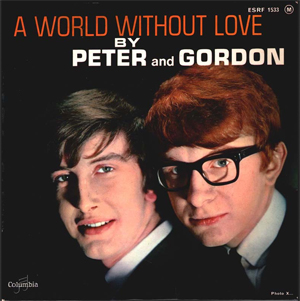
What makes McCartney particularly fascinating as a songwriter is his willingness to write specifically for other artists’ strengths while maintaining his distinctive voice. Songs like “A World Without Love” for Peter & Gordon and “Come And Get It” for Badfinger weren’t Beatles cast-offs but carefully crafted compositions that suited those acts perfectly. His collaboration with Elvis Costello on “Veronica” and his work with Michael Jackson on “Girlfriend” show an artist constantly evolving and adapting his approach to different musical contexts. Even when writing for others, McCartney’s melodic sensibility—that ability to find the hook that sticks in your mind—remains unmistakably present, whether it’s the yearning quality of “Yesterday” that En Vogue brought to R&B or the infectious rhythm of “Ob-La-Di, Ob-La-Da” that Celia Cruz infused with Latin flavor.
The lasting power of McCartney’s songwriting becomes evident when artists as diverse as Ray Charles, Stevie Wonder, and Andre 3000 find something meaningful in his catalog. These aren’t novelty covers or tribute performances—they’re genuine artistic connections where musicians recognize something in McCartney’s work that speaks to their own creative vision. From Little Richard’s rock and roll interpretation of “I Saw Her Standing There” to k.d. lang’s haunting take on “Golden Slumbers,” each cover reveals new layers in songs that seemed perfectly complete in their original form. This ongoing dialogue between McCartney’s compositions and successive generations of artists suggests something profound about his approach to songwriting: he creates musical spaces that invite inhabitation rather than mere imitation, proving that truly great songs don’t just endure—they continue to grow.
Many of us grow up assuming the hit version of a song is the original. This playlist celebrates those surprising musical genealogies: well-known songs that were originally recorded by someone else, often with little fanfare. Here are the stories behind the transformations—where they started, and how they became iconic.
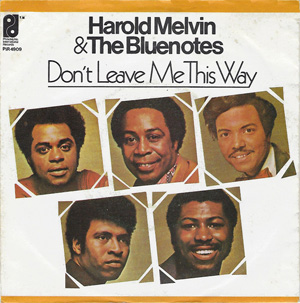
“Don’t Leave Me This Way” – Thelma Houston / Originally by Harold Melvin & the Blue Notes (1975) Houston’s disco anthem actually began life as a Philly soul track sung by Teddy Pendergrass. Thelma took it to the dancefloor—and to #1.
“War” – Edwin Starr / Originally by The Temptations (1970) This protest song started as an album cut by The Temptations. Starr’s rawer, angrier take made it a searing hit during the Vietnam era.
“Strawberry Letter 23” – The Brothers Johnson / Originally by Shuggie Otis (1971) Otis’ dreamy, psychedelic original flew under the radar until producer Quincy Jones supercharged it with funk for The Brothers Johnson.
“I Feel for You” – Chaka Khan / Originally by Prince (1979) Prince wrote it, recorded it, and released it on his 1979 self-titled album. Chaka Khan added Stevie Wonder’s harmonica and Melle Mel’s rap, creating a genre-blurring smash that gave the song a second life—and a much bigger audience.
“Louie Louie” – The Kingsmen / Originally by Richard Berry (1957) Berry’s calypso-tinged rhythm & blues song became an unintelligible rock ‘n’ roll classic in the hands of teenage garage rockers.
“Pass The Koutchie” – Musical Youth as “Pass the Dutchie” / Originally by Mighty Diamonds (1981) Musical Youth’s version cleaned up the ganja references but kept the groove. A British reggae hit born from a roots original.
“Tainted Love” – Soft Cell / Originally by Gloria Jones (1964) This Northern Soul favorite was ignored in the U.S. until Soft Cell’s chilly synth-pop cover turned it into an international sensation.
“You Are So Beautiful” – Joe Cocker / Originally by Billy Preston (1974) Preston’s gospel-inflected original was co-written with Dennis Wilson of the Beach Boys. Cocker slowed it down into a tearjerking ballad.
“The First Cut Is The Deepest” – Rod Stewart / Originally by P.P. Arnold (1967) Before Cat Stevens, the song’s writer, sang it himself, P.P. Arnold delivered a powerful version. Stewart’s cover gave it global traction.
“Red, Red Wine” – UB40 / Originally by Neil Diamond (1967) Diamond’s mournful original was a slow ballad. UB40’s reggae version confused even him—he didn’t recognize his own song on the radio.
“Brand New Cadillac” – The Clash / Originally by Vince Taylor and His Playboys (1959) This rockabilly obscurity became a snarling punk track on London Calling. Vince Taylor later served as an inspiration for David Bowie’s Ziggy Stardust persona.
“Take Me To The River” – Talking Heads / Originally by Al Green (1974) Green’s swampy soul gave way to Talking Heads’ jittery art-funk. An old-school spiritual reborn in new wave style.
“The Tide Is High” – Blondie / Originally by The Paragons (1967) Jamaican rocksteady meets NYC cool. Blondie took this mellow gem and gave it a global pop sheen.
“Brandy” – Barry Manilow as “Mandy” / Originally by Scott English (1971) English’s sad and simple original got a new name and new polish. Manilow’s grand version topped the charts.
“Don’t Let Me Be Misunderstood” – The Animals / Originally by Nina Simone (1964) Simone’s pleading ballad became a snarling British Invasion hit. Her nuanced sorrow gave way to the raw edge of rock.
“Bette Davis Eyes” – Kim Carnes / Originally by Jackie DeShannon (1974) The original was breezy and piano-driven. Carnes and her producer Val Garay turned it into new wave noir.
“Heaven Must Have Sent You” – Bonnie Pointer / Originally by The Elgins (1966) Pointer’s disco version revived a Motown deep cut and put it back on the charts over a decade later.
“Love Buzz” – Nirvana / Originally by Shocking Blue (1969) Nirvana turned this obscure Dutch psych-rock tune into a distorted grunge landmark. Their debut single.
“Piece Of My Heart” – Big Brother & The Holding Company / Originally by Erma Franklin (1967) Aretha’s sister recorded it first, but Janis Joplin made it a fiery centerpiece of her legend.
“It’s Oh So Quiet” – Björk / Originally by Betty Hutton (1951) A novelty big-band number revived by Björk into a theatrical showstopper. Old Hollywood meets Icelandic art-pop.
“China Girl” – David Bowie / Originally by Iggy Pop (1977) Co-written with Bowie, Iggy’s version was skeletal and raw. Bowie’s version added synth gloss and MTV appeal.
“Good Lovin'” – The Young Rascals / Originally by The Olympics (1965) The Olympics had the groove, but The Rascals turned it into a garage-rock rave-up and a #1 hit.
“Valerie” – Mark Ronson featuring Amy Winehouse / Originally by The Zutons (2006) The Zutons wrote it as a bluesy rock song. Winehouse made it retro-soul perfection.
“Police On My Back” – The Clash / Originally by The Equals (1967) A stomping, paranoid track from Eddy Grant’s first band. The Clash turned it into a punk fugitive anthem.
“After Midnight” – Eric Clapton / Originally by J.J. Cale (1966) Cale’s laid-back shuffle was juiced up with guitar licks by Clapton, who kept the songwriter’s cool intact.
“On Broadway” – The Drifters / Originally by The Cookies (1962) Songwriters Barry Mann & Cynthia Weil gave this to a girl group first, but The Drifters made it a city-slick R&B classic.
“Love Hurts” – Nazareth / Originally by The Everly Brothers (1960) Gentle heartbreak became hard rock agony. Nazareth’s arena wail made the song a power ballad staple.
“I Love Rock ‘n’ Roll” – Joan Jett & the Blackhearts / Originally by The Arrows (1975) Jett saw it on UK TV and recorded a fiercer, snarling version that girls (and boys) everywhere could scream along to.
“Without You” – Nilsson / Originally by Badfinger (1970) Badfinger’s version was plaintive; Nilsson’s was operatic. He didn’t just sing it—he wailed it.
“Superman” – R.E.M. / Originally by The Clique (1969) A psychedelic pop obscurity turned indie-rock cult classic. One of R.E.M.’s rare early tracks not written by the band.
These songs remind us that inspiration doesn’t always strike where the spotlight shines. Sometimes greatness is borrowed—and reinvented.
One way to measure a songwriter’s reach is not by how often their work is covered, but how widely. The playlist below spans decades, genres, and sensibilities—from Adele to The Dead Weather, from Johnny Cash to the Neville Brothers—and all roads lead back to Bob Dylan. This is not just a reflection of his prominence; it’s a testament to the adaptability of his writing. Dylan’s lyrics aren’t locked into one style or moment—they hold up when filtered through gospel, punk, glam, folk, or soul. His songs invite reimagining because they’re grounded in strong narrative bones and emotional honesty, not ornamental frills.
Consider the different shades of “All Along the Watchtower.” Dylan’s original version is stark and cryptic; Hendrix turned it into an electrified storm. Likewise, “I Shall Be Released,” rendered with hushed reverence by The Band, has the structure of a gospel hymn but the ambiguity of a fable. “Make You Feel My Love,” one of Dylan’s later compositions, found new life in Adele’s version—proof that his songwriting didn’t peak in the ’60s, but simply evolved. His voice as a writer has always been the constant: a blend of plainspoken wisdom, sly humor, and a deep sense of historical and emotional context.
It’s notable, too, how Dylan’s songs seem to absorb the character of the performer. When Elvis Presley sings “Tomorrow Is a Long Time,” it feels like a Southern ballad. When PJ Harvey takes on “Highway 61 Revisited,” it becomes something raw and jagged. Nina Simone’s version of “Just Like Tom Thumb’s Blues” brings out a haunted intensity not present in Dylan’s own delivery. That elasticity points to a rare kind of craftsmanship—songs written with enough specificity to be meaningful, but enough openness to be inhabited.
Even in unexpected settings, Dylan’s words linger. Tom Petty co-wrote the lyrics to “Jammin’ Me” with him, a pointed pop-rock critique of media saturation. Patti Smith’s “Changing of the Guards” channels the mystical imagery and layered storytelling that Dylan deployed throughout the ’70s. And when The Specials tear into “Maggie’s Farm,” it becomes a statement of punk-era defiance. These aren’t nostalgia pieces—they’re songs that meet each era on its own terms.
Dylan’s catalog isn’t just influential; it’s usable. His songs function as cultural currency, endlessly exchangeable yet retaining value. Whether you hear him through Joan Osborne’s gothic reading of “Man in the Long Black Coat” or the crystalline harmonies of Peter, Paul and Mary’s “Blowin’ in the Wind,” what’s most striking is not just who sings Dylan—but what his songs reveal when they do.
For those of you outside the U.S., today is National Joe Day — an important holiday stateside. Anyone named Joe (or Joseph, Josephine, Joey or Johanna) gets the day off. No work, no mail delivery, no access to federal buildings. Some Joels try to sneak in on the action, but they’re swiftly dealt with—usually by a retired mall cop wielding a two-by-four.
In the tumultuous year of 1968, the world was ablaze with social and political upheaval, and the music of the time resonated deeply with the spirit of change. As we reflect on the sounds that defined this pivotal era, it’s impossible not to be swept away by the eclectic mix of genres and emotions that filled the airwaves. From soulful ballads to psychedelic rock anthems, the music of 1968 was a reflection of the turbulent times in which it was created.
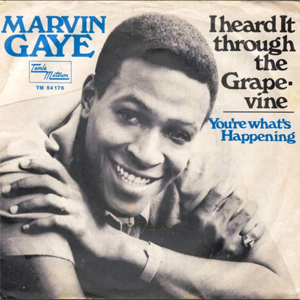
One cannot delve into the musical landscape of 1968 without acknowledging the timeless classics that continue to capture hearts and minds today. Marvin Gaye’s “I Heard It Through the Grapevine” remains a soulful testament to the power of love and betrayal, while The Beatles’ “Hey Jude” stands as an enduring anthem of hope and resilience. Meanwhile, Otis Redding’s “(Sittin’ On) The Dock of the Bay” evokes a sense of quiet contemplation amidst the chaos, its melancholic melody lingering long after the last note fades away.
The year also saw the rise of revolutionary artists who pushed the boundaries of conventional sound and style. Jimi Hendrix’s electrifying rendition of Bob Dylan’s “All Along The Watchtower” redefined the possibilities of guitar-driven rock, while Sly & the Family Stone’s “Dance To The Music” infused funk with a vibrant energy that transcended racial and cultural divides. Steppenwolf’s “Born To Be Wild” became the anthem of a generation, capturing the restless spirit of rebellion that coursed through the veins of youth around the world.
Each track on this playlist is a testament to the power of music to unite, inspire, and console, even in the darkest of times. Let us remember the year that was 1968 and the enduring legacy of the artists who helped shape it.
Steely Dan’s Walter Becker was obsessed with a tiny sound glitch on the album Katy Lied and flew to a 3M factory in Minnesota to find out the cause. It turned out to be a blot of dried mustard on the tape. Duh!
The late Walter Becker was born on this date in 1950. Lots of Steely Dan on today’s playlist.
The first of nine US number one singles for The Bee Gees was “How Can You Mend a Broken Heart,” written for Andy Williams by the group’s three brothers (credited to Barry and Robin Gibb on its initial release but later amended to include brother Maurice). The song is from their album Trafalgar, named after where in London they stayed during the recording sessions; however, the single failed to chart in the UK.
The Bee Gees’ twins Maurice and Robin Gibb were born on this date in 1949. Lots of Bee Gees on today’s playlist.