August is National Eye Exam Month in the US of A, so do yourself a favor and make an appointment to see an eye care professional. Your eyes will thank you (which is reason enough to see such a doctor, for if your eyes are talking, something is very very wrong).
Below are 30 songs with the word “eye” (or “eyes”) in the title.
Many of us grow up assuming the hit version of a song is the original. This playlist celebrates those surprising musical genealogies: well-known songs that were originally recorded by someone else, often with little fanfare. Here are the stories behind the transformations—where they started, and how they became iconic.
“Don’t Leave Me This Way” – Thelma Houston / Originally by Harold Melvin & the Blue Notes (1975) Houston’s disco anthem actually began life as a Philly soul track sung by Teddy Pendergrass. Thelma took it to the dancefloor—and to #1.
“War” – Edwin Starr / Originally by The Temptations (1970) This protest song started as an album cut by The Temptations. Starr’s rawer, angrier take made it a searing hit during the Vietnam era.
“Strawberry Letter 23” – The Brothers Johnson / Originally by Shuggie Otis (1971) Otis’ dreamy, psychedelic original flew under the radar until producer Quincy Jones supercharged it with funk for The Brothers Johnson.
“I Feel for You” – Chaka Khan / Originally by Prince (1979) Prince wrote it, recorded it, and released it on his 1979 self-titled album. Chaka Khan added Stevie Wonder’s harmonica and Melle Mel’s rap, creating a genre-blurring smash that gave the song a second life—and a much bigger audience.
“Louie Louie” – The Kingsmen / Originally by Richard Berry (1957) Berry’s calypso-tinged rhythm & blues song became an unintelligible rock ‘n’ roll classic in the hands of teenage garage rockers.
“Pass The Koutchie” – Musical Youth as “Pass the Dutchie” / Originally by Mighty Diamonds (1981) Musical Youth’s version cleaned up the ganja references but kept the groove. A British reggae hit born from a roots original.
“Tainted Love” – Soft Cell / Originally by Gloria Jones (1964) This Northern Soul favorite was ignored in the U.S. until Soft Cell’s chilly synth-pop cover turned it into an international sensation.
“You Are So Beautiful” – Joe Cocker / Originally by Billy Preston (1974) Preston’s gospel-inflected original was co-written with Dennis Wilson of the Beach Boys. Cocker slowed it down into a tearjerking ballad.
“The First Cut Is The Deepest” – Rod Stewart / Originally by P.P. Arnold (1967) Before Cat Stevens, the song’s writer, sang it himself, P.P. Arnold delivered a powerful version. Stewart’s cover gave it global traction.
“Red, Red Wine” – UB40 / Originally by Neil Diamond (1967) Diamond’s mournful original was a slow ballad. UB40’s reggae version confused even him—he didn’t recognize his own song on the radio.
“Brand New Cadillac” – The Clash / Originally by Vince Taylor and His Playboys (1959) This rockabilly obscurity became a snarling punk track on London Calling. Vince Taylor later served as an inspiration for David Bowie’s Ziggy Stardust persona.
“Take Me To The River” – Talking Heads / Originally by Al Green (1974) Green’s swampy soul gave way to Talking Heads’ jittery art-funk. An old-school spiritual reborn in new wave style.
“The Tide Is High” – Blondie / Originally by The Paragons (1967) Jamaican rocksteady meets NYC cool. Blondie took this mellow gem and gave it a global pop sheen.
“Brandy” – Barry Manilow as “Mandy” / Originally by Scott English (1971) English’s sad and simple original got a new name and new polish. Manilow’s grand version topped the charts.
“Don’t Let Me Be Misunderstood” – The Animals / Originally by Nina Simone (1964) Simone’s pleading ballad became a snarling British Invasion hit. Her nuanced sorrow gave way to the raw edge of rock.
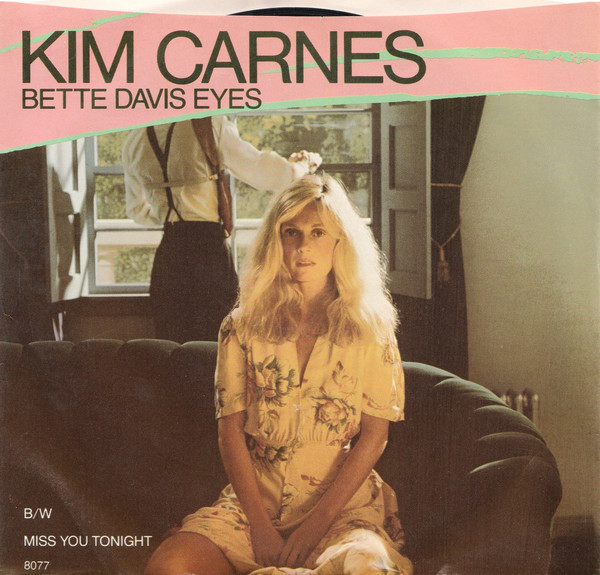
“Bette Davis Eyes” – Kim Carnes / Originally by Jackie DeShannon (1974) The original was breezy and piano-driven. Carnes and her producer Val Garay turned it into new wave noir.
“Heaven Must Have Sent You” – Bonnie Pointer / Originally by The Elgins (1966) Pointer’s disco version revived a Motown deep cut and put it back on the charts over a decade later.
“Love Buzz” – Nirvana / Originally by Shocking Blue (1969) Nirvana turned this obscure Dutch psych-rock tune into a distorted grunge landmark. Their debut single.
“Piece Of My Heart” – Big Brother & The Holding Company / Originally by Erma Franklin (1967) Aretha’s sister recorded it first, but Janis Joplin made it a fiery centerpiece of her legend.
“It’s Oh So Quiet” – Björk / Originally by Betty Hutton (1951) A novelty big-band number revived by Björk into a theatrical showstopper. Old Hollywood meets Icelandic art-pop.
“China Girl” – David Bowie / Originally by Iggy Pop (1977) Co-written with Bowie, Iggy’s version was skeletal and raw. Bowie’s version added synth gloss and MTV appeal.
“Good Lovin'” – The Young Rascals / Originally by The Olympics (1965) The Olympics had the groove, but The Rascals turned it into a garage-rock rave-up and a #1 hit.
“Valerie” – Mark Ronson featuring Amy Winehouse / Originally by The Zutons (2006) The Zutons wrote it as a bluesy rock song. Winehouse made it retro-soul perfection.
“Police On My Back” – The Clash / Originally by The Equals (1967) A stomping, paranoid track from Eddy Grant’s first band. The Clash turned it into a punk fugitive anthem.
“After Midnight” – Eric Clapton / Originally by J.J. Cale (1966) Cale’s laid-back shuffle was juiced up with guitar licks by Clapton, who kept the songwriter’s cool intact.
“On Broadway” – The Drifters / Originally by The Cookies (1962) Songwriters Barry Mann & Cynthia Weil gave this to a girl group first, but The Drifters made it a city-slick R&B classic.
“Love Hurts” – Nazareth / Originally by The Everly Brothers (1960) Gentle heartbreak became hard rock agony. Nazareth’s arena wail made the song a power ballad staple.
“I Love Rock ‘n’ Roll” – Joan Jett & the Blackhearts / Originally by The Arrows (1975) Jett saw it on UK TV and recorded a fiercer, snarling version that girls (and boys) everywhere could scream along to.
“Without You” – Nilsson / Originally by Badfinger (1970) Badfinger’s version was plaintive; Nilsson’s was operatic. He didn’t just sing it—he wailed it.
“Superman” – R.E.M. / Originally by The Clique (1969) A psychedelic pop obscurity turned indie-rock cult classic. One of R.E.M.’s rare early tracks not written by the band.
These songs remind us that inspiration doesn’t always strike where the spotlight shines. Sometimes greatness is borrowed—and reinvented.
ABC wasn’t wrong—when Smokey sings, everything is wonderful. But just as impressive as his voice is his pen. Smokey Robinson didn’t just write hit songs; he crafted narratives, emotions, and melodies so timeless that they continue to be recorded and reinterpreted decades later. His songwriting, marked by poetic lyricism and effortless hooks, helped define the Motown sound and set a gold standard for pop and R&B composition.
His songs weren’t just catchy; they were masterclasses in storytelling. “My Girl” gave The Temptations a signature hit with a lyric so simple yet evocative that it remains a cultural touchstone. “My Guy” did the same for Mary Wells, its playful devotion making it an anthem of unwavering love. Whether it was the swagger of “Get Ready,” the tenderness of “Ooh Baby Baby,” or the clever metaphor of “The Hunter Gets Captured by the Game,” Smokey knew how to tap into universal feelings and dress them in melodies that lingered.
His influence extended far beyond Motown, as shown by the sheer range of artists who have covered his work. The Beatles took on “You Really Got a Hold on Me,” Elvis Costello recorded “From Head to Toe,” The Rolling Stones tackled “Going to a Go-Go,” D’Angelo put his own spin on “Cruisin’,” and Peter Tosh reimagined “(You Gotta Walk And) Don’t Look Back.” Whether through his own performances or the countless reinterpretations of his songs, Smokey Robinson’s writing continues to resonate, proving that while it’s great when Smokey sings, it’s just as magical when Smokey writes.
As the new decade dawned, 1981 emerged as a year of significant musical transformation. The eclectic mix of songs that defined this period reflected a music industry in flux, with established genres evolving and new sounds emerging to captivate listeners across the globe.
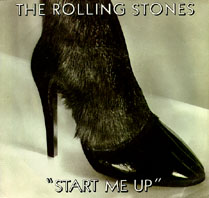
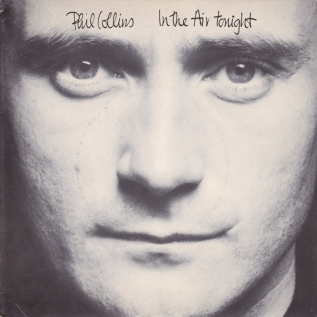
Rock music continued to hold its ground, adapting to the changing times. The Rolling Stones proved their enduring relevance with the gritty “Start Me Up,” while Journey’s “Don’t Stop Believin'” became an arena rock anthem that would stand the test of time. Bruce Springsteen’s “The River” showcased his storytelling prowess, and Phil Collins’ “In The Air Tonight” introduced a new dimension of atmospheric rock with its iconic drum break. George Harrison’s “All Those Years Ago,” a touching tribute to John Lennon, marked Harrison’s first U.S. top ten single in eight years, demonstrating the lasting appeal of the former Beatles.
New Wave and post-punk sounds flourished in 1981, pushing boundaries and incorporating electronic elements. Talking Heads’ “Once in a Lifetime” demonstrated the genre’s art-rock leanings, while The Go-Go’s brought a pop sensibility to new wave with “Our Lips Are Sealed.” Duran Duran’s “Girls on Film” hinted at the new romantic movement that was gaining traction. The Psychedelic Furs’ “Pretty in Pink,” with its blend of post-punk edge and pop accessibility, showcased Richard Butler’s distinctive vocals and would later inspire and lend its name to a defining film of the ’80s.
The year also saw the emergence of hip-hop as a force in popular music. Blondie’s “Rapture” became the first song featuring rap vocals to reach number one on the U.S. Billboard Hot 100, fusing new wave with hip-hop influences. Meanwhile, Grandmaster Flash’s innovative “The Adventures of Grandmaster Flash on the Wheels of Steel” was one of the first records to extensively use sampling, laying the groundwork for hip-hop’s future.
Dance music was evolving beyond disco into new, exciting forms. Grace Jones’ “Pull Up to the Bumper” blended funk, new wave, and reggae influences, pointing towards a more eclectic and experimental future for club music. Taana Gardner’s “Heartbeat” helped define the emerging genre of garage house with its stripped-down beat and soulful vocals. Kool & the Gang’s “Celebration” remains a party staple, bridging the gap between disco and contemporary R&B.
In the realm of R&B and funk, Luther Vandross’ “Never Too Much” marked the acclaimed background vocalist’s first hit under his own name, showcasing his smooth, sophisticated style. Rick James pushed funk to new heights with “Super Freak,” incorporating rock elements and a memorable synth line that would be sampled for years to come. The Pointer Sisters’ “Slow Hand” kept R&B smooth and soulful.
1981 also witnessed the continued rise of synth-pop and electronic music. Heaven 17’s politically charged “(We Don’t Need This) Fascist Groove Thang” and New Order’s “Ceremony” showcased the genre’s range from danceable pop to moody post-punk.
As some artists embraced new sounds, others used music to comment on social issues. The Specials’ “Ghost Town” reflected the urban decay and racial tensions in Britain, while Black Flag’s hardcore punk anthem “Rise Above” railed against societal norms. Prince’s “Controversy” challenged listeners both musically and lyrically, blending funk, rock, and new wave while tackling taboo subjects and questioning social norms, hinting at the boundary-pushing artist he would become.
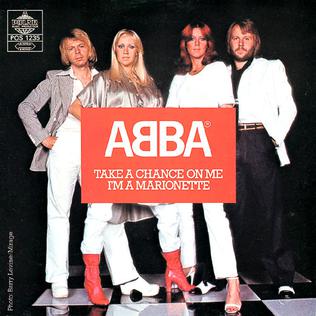
From the chart-topping pop of Kim Carnes’ “Bette Davis Eyes” and Olivia Newton-John’s “Physical” to ABBA’s emotionally charged ballad “The Winner Takes It All,” 1981 was a year of contrasts and transitions. It was a time when established stars adapted to new trends, emerging artists made their mark, and genres blended in exciting ways. This rich musical landscape set the stage for the diverse and innovative sounds that would define the rest of the decade, making 1981 a pivotal year in the evolution of popular music.
The Grammy Awards are being presented tonight. Woo. It’s billed as “music’s biggest night,” just as May 7 through May 16 is billed as “the biggest week in American birding,” if only because ten days is a lot for one week. Birders. Am I right, people? Performers at this year’s Grammys include Bruno Mars and Anderson .Paak doing their new song, because what better way to celebrate the music of 2020 than with a single that was released last week? Performers I’m looking forward to include Miranda Lambert, Cardi B, HAIM, Megan Thee Stallion, Brittany Howard, Doja Cat, Dua Lipa, and Billie Eilish, whose “Everything I Wanted” is up for Record of the Year. That’s my favorite of the nominees, though I think the award will go to Beyoncé for “Black Parade,” and I have no problem with that. However, if the award goes to that record I never heard of until I started typing this sentence, sneakers will be thrown at my television (though that record may be good for all I know). For Album of the Year my vote goes to Fiona Apple’s Fetch the Bolt Cutters, as it was handily the best album of 2020. It probably won’t win, seeing as it wasn’t nominated. What was nominated over Apple’s album? That Coldplay album you forgot about and the Jacob Collier album you never heard of until you started reading this sentence (though that album may be good for all you know). Of the albums nominated, I’d pick HAIM’s. It’s very good. Not Fetch The Bolt Cutters good, but very good nonetheless. If HAIM win I hope they hand their award to Fiona Apple live on the telecast, which would be super impressive, seeing as they won’t be in the same room. I’m sure tonight’s show will include a tribute to dead people done by living people who are no match for said dead people. I’d rather want a montage of clips of the dead people performing when they were living people. <Fill in the blank> screaming is not representative of what made Aretha Franklin amazing. No disrespect to <fill in the blank>, but there’s more to being the Queen of Soul than having a mic and ovaries.
It’s easy to shit on the Grammys, as they are so shittable, but to be fair, not every Record of the Year is as terrible as 1988’s recipient, “Don’t Worry, Be Happy.” Here are thirty of the better winners:
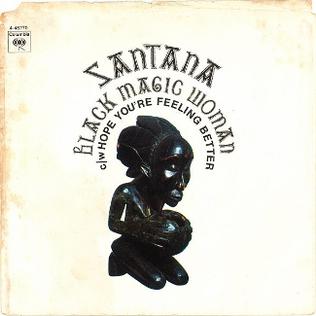
Inspired by the July 20 birthdays of Carlos Santana, Soundgarden’s Chris Cornell, Kim Carnes, The Exciters’ Brenda Reid, Buddy Knox, JoBoxers’ Dig Wayne and The Dandy Warhols’ Courtney Taylor-Taylor; and the July 19 birthdays of Queen’s Brian May, Eagles’ Bernie Leadon, and Commander Cody.
Inspired by the April 5 birthdays of ABBA’s Agnetha Faltskog, Pharrell Williams, The Hollies’ Allan Clarke, The Platters’ Tony Williams, Three 6 Mafia’s Juicy J, Wall of Voodoo’s Stan Ridgway, Paula Cole, Crispian St. Peters and Bette Davis.
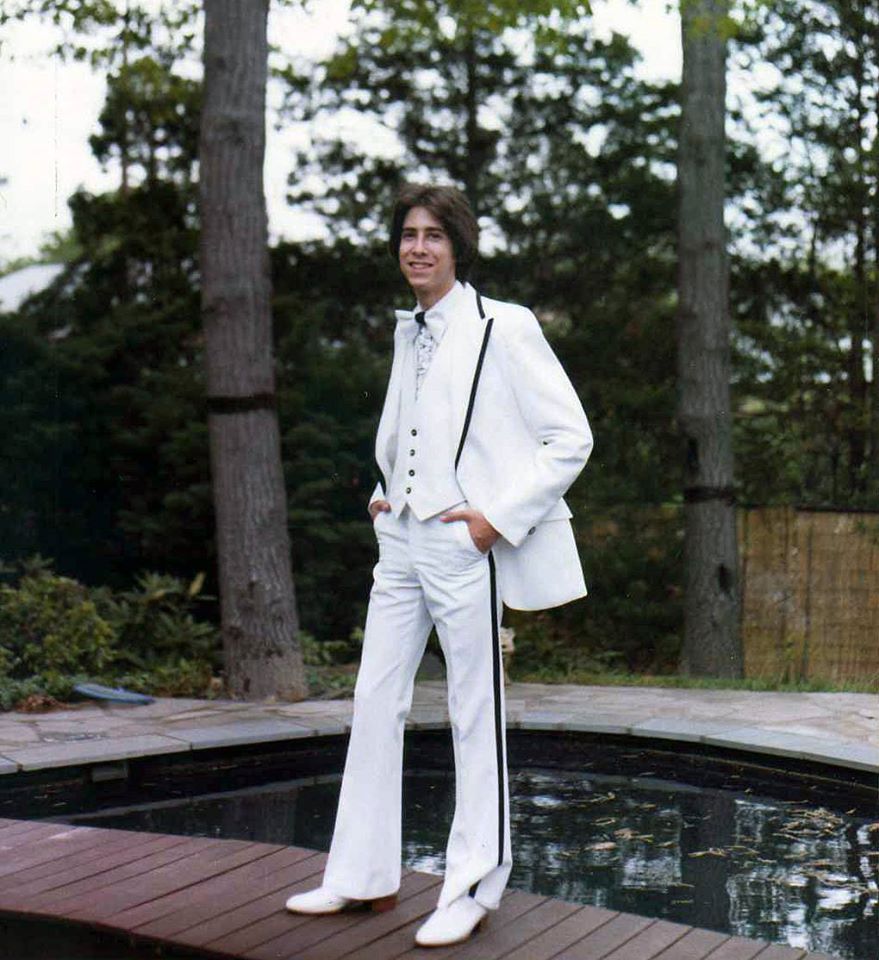
The blogger in 1981, before heading to the senior prom
For this week’s Throwback Thursday playlist, we revisit 1981. The 1981 Grammy Award for Album of the Year went to John Lennon and Yoko Ono’s Double Fantasy. The Best New Artist was Shena Easton. Record of the Year and Song of the Year went to “Bette Davis Eyes,” performed by Kim Carnes. Both Carnes and Easton were nominated for Best Pop Vocal Performance, Female, along with Olivia Newton-John for “Physical” and Juice Newton for “Angel of the Morning,” but those ladies lost to Lena Horne for “WTF?”. Rick Springfield won Best Rock Performance, Male (naturally) for “Jessie’s Girl.” “Just the Two of Us,” the Grover Washington, Jr./Bill Withers hit, took home the trophy for Best Rhythm & Blues Song.
Here are some of 1981’s biggest hits:
Click here to like Tunes du Jour on Facebook!
Follow me on Twitter: @TunesDuJour
Today is the birthday of two music icons – Jam-Master Jay of rap pioneers Run-D.M.C. and disc jockey Wolfman Jack. Besides their place in their history of rock and roll, both men have another thing in common – they were the subjects of songs. That inspired me to put together today’s playlist – songs named after real people.
I found fifty songs whose titles are actual people. Actually I found more than fifty, but I didn’t want to subject you to Chiddy Bang or Mac Miller. I made a few rules for myself:
1) The title can’t have words besides the person’s name, hence no Kim Carnes’ “Bette Davis Eyes” or Sleater-Kinney’s “I Wanna Be Your Joey Ramone.”
2) The title has to be the full name the person is known by, so no “Springsteen” by Eric Church or “Jessica” (about Jessica Simpson) by Adam Green. Allowed are “Galileo,” “Joan of Arc” and “King Tut,” as that is how most people identify Galileo Galilei, Joan d’Arc and Tutankhamun.
3) The song doesn’t have to be about the person after whom it is titled, so “Jack the Ripper” and “Rosa Parks” are in.
4) The track has to be on Spotify. This means I left out Bob Dylan’s “George Jackson” and Hoodie Allen’s “James Franco.”
Amazingly for a playlist based on such a goofy concept, it holds together quite well, if I say so myself.