Tunes Du Jour Presents The Bob Dylan Songbook

One way to measure a songwriter’s reach is not by how often their work is covered, but how widely. The playlist below spans decades, genres, and sensibilities—from Adele to The Dead Weather, from Johnny Cash to the Neville Brothers—and all roads lead back to Bob Dylan. This is not just a reflection of his prominence; it’s a testament to the adaptability of his writing. Dylan’s lyrics aren’t locked into one style or moment—they hold up when filtered through gospel, punk, glam, folk, or soul. His songs invite reimagining because they’re grounded in strong narrative bones and emotional honesty, not ornamental frills.

Consider the different shades of “All Along the Watchtower.” Dylan’s original version is stark and cryptic; Hendrix turned it into an electrified storm. Likewise, “I Shall Be Released,” rendered with hushed reverence by The Band, has the structure of a gospel hymn but the ambiguity of a fable. “Make You Feel My Love,” one of Dylan’s later compositions, found new life in Adele’s version—proof that his songwriting didn’t peak in the ’60s, but simply evolved. His voice as a writer has always been the constant: a blend of plainspoken wisdom, sly humor, and a deep sense of historical and emotional context.

It’s notable, too, how Dylan’s songs seem to absorb the character of the performer. When Elvis Presley sings “Tomorrow Is a Long Time,” it feels like a Southern ballad. When PJ Harvey takes on “Highway 61 Revisited,” it becomes something raw and jagged. Nina Simone’s version of “Just Like Tom Thumb’s Blues” brings out a haunted intensity not present in Dylan’s own delivery. That elasticity points to a rare kind of craftsmanship—songs written with enough specificity to be meaningful, but enough openness to be inhabited.

Even in unexpected settings, Dylan’s words linger. Tom Petty co-wrote the lyrics to “Jammin’ Me” with him, a pointed pop-rock critique of media saturation. Patti Smith’s “Changing of the Guards” channels the mystical imagery and layered storytelling that Dylan deployed throughout the ’70s. And when The Specials tear into “Maggie’s Farm,” it becomes a statement of punk-era defiance. These aren’t nostalgia pieces—they’re songs that meet each era on its own terms.

Dylan’s catalog isn’t just influential; it’s usable. His songs function as cultural currency, endlessly exchangeable yet retaining value. Whether you hear him through Joan Osborne’s gothic reading of “Man in the Long Black Coat” or the crystalline harmonies of Peter, Paul and Mary’s “Blowin’ in the Wind,” what’s most striking is not just who sings Dylan—but what his songs reveal when they do.

Follow Tunes Du Jour on Facebook

Follow me on Bluesky

Follow me on Instagram
Tunes Du Jour Presents Radiohead

Radiohead’s career is a journey of artistic evolution, starting with the angst of their breakout hit “Creep” and expanding into one of the most innovative and influential bands of the modern era. The raw emotion and alienation of Pablo Honey quickly gave way to the more nuanced, layered sounds of The Bends and OK Computer. Tracks like “Fake Plastic Trees” and “Karma Police” captured a generation’s disillusionment, weaving existential concerns into haunting melodies and thoughtful lyrics. These songs are iconic not just for their musicality but for their ability to resonate with listeners on a deeply personal level.

By the time Kid A arrived, Radiohead was no longer just a rock band—they had fully embraced experimentation. Tracks like “Idioteque” and “Everything In Its Right Place” pushed boundaries, blending electronic elements with their signature melancholic sound. This shift in direction could have alienated fans, but instead, it deepened their connection with a broader audience who appreciated the band’s willingness to challenge themselves and their listeners. Amnesiac and Hail to the Thief continued this experimentation, with songs like “Pyramid Song” and “There There” proving that Radiohead could evoke deep emotions while exploring complex structures.

Themes of isolation and environmental decay permeate Radiohead’s work, especially in later albums. “Burn the Witch,” from A Moon Shaped Pool, revisits these topics with a dark intensity, while “Daydreaming” and “True Love Waits” offer more subdued, introspective takes. Thom Yorke’s solo efforts, like “Dawn Chorus” and collaborations such as “This Mess We’re In” with PJ Harvey, further showcase his ability to craft deeply atmospheric soundscapes that blur the lines between genres.

Radiohead’s live performances are as legendary as their studio work. The dense layers of songs like “Reckoner” and “Jigsaw Falling Into Place” translate into immersive, sometimes overwhelming experiences on stage, while more minimalist tracks like “How to Disappear Completely” create haunting, ethereal moments that captivate audiences. Their ability to shift between these sonic extremes has cemented their reputation as one of the most dynamic live acts of their time.

Ultimately, Radiohead’s enduring influence comes from their refusal to be static. Albums like OK Computer, Kid A, and In Rainbows continue to be touchstones for listeners, while songs like “Street Spirit (Fade Out)” and “No Surprises” remind us of their uncanny ability to capture the darker aspects of the human experience. Few bands have navigated change with such grace, balancing innovation with an emotional core that never loses its impact.

Follow Tunes Du Jour on Facebook

Follow Tunes Du Jour on Twitter

Follow me on Instagram

Tunes Du Jour Presents 1993

The music of 1993 was a vibrant mix of genres and styles that reflected the diverse cultural landscape of the early ’90s. This year saw the continued dominance of hip-hop, the rise of alternative rock, and the evolution of pop music, all while established artists pushed their creative boundaries.

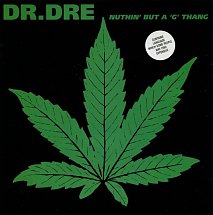
Hip-hop was undeniably a driving force in 1993’s musical landscape. Dr. Dre featuring Snoop Dogg’s “Nuthin’ but a G Thang,” with its laid-back groove, epitomized the G-funk sound that defined West Coast rap. Ice Cube’s “It Was a Good Day” painted a vivid picture of a perfect day in the hood, showcasing the humor and storytelling skills that made him a beloved figure in the rap world. Meanwhile, East Coast artists like Wu-Tang Clan made their mark with the gritty “Protect Ya Neck.” The genre’s influence extended beyond coastal rivalry, with Naughty By Nature’s “Hip Hop Hooray” and Tag Team’s “Whoomp! (There It Is)” becoming nationwide party anthems.

Alternative rock continued its ascent into the mainstream. Radiohead’s “Creep” showcased the band’s angsty beginnings, its melancholic melody and introspective lyrics striking a chord with those struggling with feelings of inadequacy, while Rage Against the Machine’s “Killing in the Name,” a powerful anthem of rebellion, its aggressive sound and socially conscious lyrics that captured the angst and disillusionment of a generation, sparking protests and inspiring a generation of activists, brought politically charged rap-rock to the forefront. R.E.M., already established icons, delivered an anthem for those seeking comfort through emotional vulnerability with the poignant “Everybody Hurts.” Blind Melon’s “No Rain” became an iconic track with its unforgettable music video, featuring the “bee girl” that resonated with audiences worldwide. The year also saw the emergence of Britpop with Blur’s “For Tomorrow” and Suede’s “Animal Nitrate” hinting at the UK’s impending musical revolution.

Pop music in 1993 was anything but one-note. Janet Jackson’s “That’s the Way Love Goes” exemplified smooth R&B-infused pop, while Madonna continued to push boundaries with “Deeper and Deeper,” blending house music with her signature pop style. Whitney Houston’s cover of “I’m Every Woman” breathed new life into a classic, and Prince continued to defy categorization with “7.”

Nineteen ninety-three also saw female artists making bold statements across genres. PJ Harvey’s raw “Rid of Me,” Björk’s ethereal “Venus as a Boy,” and Liz Phair’s unapologetic “Fuck and Run” challenged conventions and expanded the scope of women’s voices in rock. In the realm of hip-hop, Salt-N-Pepa’s “Shoop” showcased women owning their sexuality, while Bikini Kill’s “Rebel Girl” became an anthem for the riot grrrl movement.

The year also highlighted the genre-blending creativity that would come to define the decade. Digable Planets’ “Rebirth Of Slick (Cool Like Dat)” brought jazz-rap into the mainstream, showcasing hip-hop’s versatility and its ability to incorporate sophisticated musical elements. This fusion of styles demonstrated how artists were increasingly willing to experiment and push the boundaries of their respective genres, setting the stage for the eclectic musical landscape that would unfold throughout the rest of the 1990s.

From the gritty sounds of West Coast hip-hop to the introspective lyrics of alternative rock, from the bold statements of female artists across genres to the genre-bending experiments that defied classification, the music scene of 1993 was bursting with creativity. This rich variety not only reflected the cultural zeitgeist of the early ’90s but also laid the groundwork for the musical evolution that would define the rest of the decade and beyond.

Your (Almost) Daily Playlist: 4-21-24

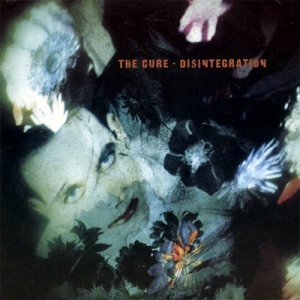
It really rankles and roils, riling me relentlessly, gets my goat and grinds my gears that a ghastly ghost greedily grabbed some of my greatest grooves, several superb sounds from my marvelous music menagerie, including The Cure’s Disintegration on vinyl, vanishing without a visible vestige. It’s a haunting hijacking that has me howling hauntingly, harboring hopes that horrific hoodlum returns my rightful recordings. Relievingly, I’ve retained Robert Smith’s resonant refrains on compact disc, considerably consoling my celestial lamentations.

The Cure’s Robert Smith was born on this date in 1959. Even if you don’t have the disease, we have The Cure on today’s playlist.

Follow Tunes du Jour on Facebook

Follow Tunes du Jour on Twitter

Follow me on Instagram

Your (Almost) Daily Playlist: 1-13-24

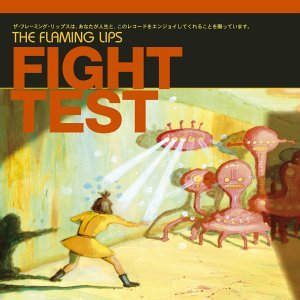
“One minute you’re just cooking up someone’s order of French fries and the next minute you’re laying on the floor and they blow your brains out.”-   The Flaming Lips’ Wayne Coyne reflecting on being held up at gunpoint when he was a fry cook at Long John Silver’s 

The Flaming Lips’ Wayne Coyne on this date in 1961. A few of his band’s cuts are included on today’s playlist.

Follow Tunes du Jour on Facebook

Follow Tunes du Jour on Twitter

Follow me on Instagram