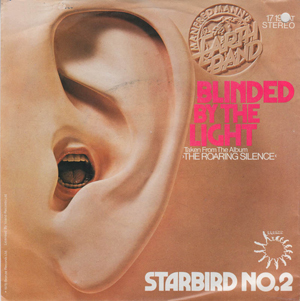
Bruce Springsteen’s name immediately conjures images of epic live performances and anthemic rock, but beneath the stadium lights and E Street Band’s prowess lies the bedrock of truly exceptional songwriting. While his own interpretations are iconic, a fascinating way to understand the depth and versatility of his craft is to listen to his songs as performed by other artists. This collection of interpretations isn’t just a testament to his popularity; it’s a deep dive into the resilient structure and universal appeal of his compositions. From Manfred Mann’s Earth Band giving “Blinded By The Light” a prog-rock makeover to Patti Smith taking his musical sketch for “Because the Night” and transforming it with her own powerful lyrics, these early releases demonstrated how his musical ideas could flourish in different hands.
What becomes clear through these varied renditions is the enduring power of Springsteen’s narratives. His ability to distill complex human experiences – the struggles of working life, the ache of forgotten dreams, the defiance of the underdog – resonates across genres and generations. Lucinda Williams’ sparse, melancholic “Factory” strips the song to its empathetic core, highlighting the quiet dignity in its depiction of labor. Johnny Cash’s gravelly voice lends a somber weight to the poignant tale of brotherhood and duty in “Highway Patrolman,” while Billy Bragg’s acoustic “Mansion on the Hill” underscores the song’s sharp social commentary on class division. Even a frequently misunderstood anthem like “Born in the U.S.A.” finds its original critical intent amplified in the raw, acoustic performance by Jason Isbell and Amanda Shires, revealing the layered complexities always present in the lyrics.
Beyond the lyrical prowess, this playlist also illuminates the structural and melodic robustness of Springsteen’s music. His compositions possess an inherent strength that allows them to be re-imagined without losing their essence. Take Hot Chip’s electronic reinterpretation of “Dancing In The Dark,” which transforms its mainstream rock energy into an indie-dance anthem, proving how adaptable the song’s core rhythm and melody truly are. Similarly, the minimalist beauty of Kevin Breit and Harry Manx’s “I’m On Fire” distills the song’s longing into a haunting, intimate whisper, while Crooked Fingers’ “The River” captures the stark emotional landscape of its narrative with a raw, almost trembling fragility. Even a track like Donna Summer’s “Protection,” originally given to her by Springsteen, showcases how his knack for catchy hooks and dynamic arrangements could easily translate into a different pop sensibility, illustrating a versatile craft beneath the surface.
This extensive array of interpretations also showcases the broad emotional spectrum Springsteen explores in his writing. His songs aren’t confined to a single mood; they capture the full range of human feeling, from youthful exuberance to weary resignation, from hopeful yearning to quiet despair. The Hollies’ rendition of “4th of July, Asbury Park (Sandy)” evokes a wistful, nostalgic glow, while Southside Johnny & The Asbury Jukes’ raucous “Hearts of Stone” pulsates with a more defiant rock and soul energy. Natalie Cole injects a playful, sassy spirit into “Pink Cadillac,” revealing the sheer fun and swagger that can inhabit his lyrics. And when Bettye LaVette takes on “Streets of Philadelphia,” she strips it down to its raw, aching vulnerability, reminding us of the profound empathy and social conscience that often underlies his work. These varied voices unlock different emotional doors, each revealing another facet of the original composition’s emotional potential.
Ultimately, a journey through these numerous cover versions offers a compelling argument for Bruce Springsteen’s enduring legacy as a songwriter. Stripped of his iconic delivery or re-clothed in entirely new musical garments, his compositions consistently stand tall. They speak to universal truths, craft unforgettable characters, and resonate with melodies that are both immediate and deeply rooted. This diverse collection of interpretations isn’t just a tribute; it’s an educational deep dive into the core strength of his writing, demonstrating that long before they became rock anthems or stadium singalongs, they were simply great songs – versatile, profound, and built to last, capable of inspiring countless artists to make them their own.
It’s hard to overstate how culturally dominant pop music was in 1984—or how much the year reshaped the landscape. Many of the songs on this playlist weren’t just hits; they were defining moments, launching or solidifying the careers of artists whose names still carry weight today. The sheer number of songs from 1984 that are still instantly recognizable points to a moment when creativity, commerce, and cultural change aligned. The presence of “Thriller”—Michael Jackson’s seventh single from the album of the same name—reminds us that the music business had never seen anything quite like this before. And yet, he wasn’t the only artist making history.
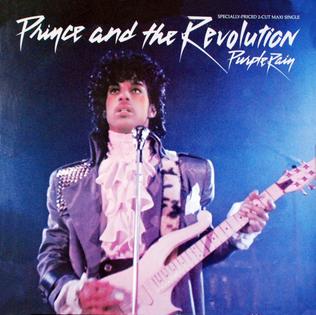
Prince’s “Purple Rain” marked not just a commercial breakthrough, but a creative one. It’s a song, an album, and a film—each enhancing the other’s mythology. Similarly, “Like a Virgin” signaled Madonna’s arrival as more than a pop star; she became a cultural force. Tina Turner, with “What’s Love Got to Do with It,” pulled off one of the most celebrated comebacks in music history. And Cyndi Lauper’s “Girls Just Want to Have Fun” brought an infectious blend of new wave and punky playfulness to the mainstream, reshaping ideas about femininity and pop performance.
Meanwhile, the rock world was hardly on pause. “Jump” became Van Halen’s biggest hit, thanks to its synth hook and anthemic chorus, while Bruce Springsteen’s “Dancing in the Dark” pushed his career into stadium territory. Across the Atlantic, U2’s “Pride (In the Name of Love)” began their transformation from college radio favorites to global headliners. The Replacements’ “I Will Dare,” from Let It Be, captured the heart of American indie rock—irreverent, emotionally raw, and just tuneful enough to hint at wider possibilities. And among the post-punk and alternative set, songs like “The Killing Moon” by Echo & the Bunnymen and “Heaven Knows I’m Miserable Now” by The Smiths gave moody introspection a lasting soundtrack.
What also stands out in 1984 is the range of genres that made a mainstream impact. Shannon’s “Let the Music Play” helped lay groundwork for freestyle, and Chaka Khan’s “I Feel for You” was a pivotal crossover moment, bringing together R&B, pop, and hip-hop. Run-D.M.C.’s “Rock Box” did something similar, blending rap and rock before it was fashionable. The Pointer Sisters’ “Automatic” was one of several hits that proved they could thrive in an electronic pop era without losing their vocal identity. Even novelty songs like “Ghostbusters” or the cheerful “Wake Me Up Before You Go-Go” helped shape the sound of the time.
Beyond chart success, 1984’s songs carried messages—sometimes playful, sometimes political. “Free Nelson Mandela” by The Special A.K.A. was a global anthem of protest. Depeche Mode’s “Blasphemous Rumours” examined faith and fate with a dark electronic edge. And “Somebody’s Watching Me,” a paranoid slice of synth-pop, foreshadowed a media culture on the verge of explosion. Whether on the dancefloor, in dorm rooms, or through the television set, 1984’s music didn’t just reflect its era—it helped define it.
Happy Sisters Day! There’s a unique, almost telepathic bond between sisters, and nowhere is that connection more audible than in music. When sisters sing together, they create a blend that often is simply magical—a harmony that’s been practiced over a lifetime.
In celebration of this incredible bond, I’ve curated a playlist of songs from groups that feature at least one pair of sisters. From the tough-girl cool of the ’60s girl groups to ’80s rock goddesses, ’90s pop sensations, and modern indie darlings, this playlist is a testament to the power of sisterhood in harmony. So grab your sister (or your chosen sister!), turn up the volume, and let’s dive in.
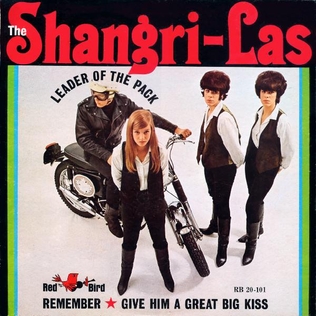
Leader of the Pack – The Shangri-Las The Sisters: Mary and Elizabeth “Betty” Weiss were the heart of this legendary girl group, alongside the identical twins Marge and Mary Ann Ganser. With their dramatic, soap-opera-in-a-song storytelling and a “tougher than the boys” attitude, the Shangri-Las stood out. “Leader of the Pack” is their definitive mini-masterpiece of teenage tragedy.
Emmylou – First Aid Kit The Sisters: Swedish folk duo Klara and Johanna Söderberg are revered for their breathtaking, otherworldly harmonies. On “Emmylou,” they pay beautiful tribute to their country music heroes (Emmylou Harris, Gram Parsons, June Carter, and Johnny Cash), creating a modern folk classic that feels utterly timeless.
Be My Baby – The Ronettes The Sisters: The iconic lead vocals of Veronica “Ronnie” Bennett (later Spector) were backed by the harmonies of her older sister, Estelle Bennett, and their cousin Nedra Talley. This song, with its legendary drum intro and Phil Spector’s Wall of Sound production, is pure pop perfection and a benchmark for the girl group era.
C’est la Vie – B*Witched The Sisters: This infectiously cheerful Irish pop group featured identical twin sisters Edele and Keavy Lynch (whose brother, Shane, was in the boy band Boyzone). “C’est la Vie,” with its jig-dancing, double-denim aesthetic, and suggestive lyrics, is a pure shot of late-’90s bubblegum pop nostalgia.
We Are Family – Sister Sledge The Sisters: It’s right there in the name! Debbie, Joni, Kim, and Kathy Sledge are the four sisters who became a global phenomenon with this timeless anthem. Written and produced by Nile Rodgers and Bernard Edwards of Chic, the song wasn’t just a disco smash; it became a universal hymn for families, teams, and communities everywhere.
Move Ya Body – Nina Sky The Sisters: Identical twin sisters Nicole and Natalie Albino make up the duo Nina Sky. This dancehall-infused debut single was a massive summer smash in 2004, and its infectious “Diwali Riddim” beat still fills dancefloors today.
Walk Like an Egyptian – Bangles The Sisters: Vicki and Debbi Peterson (guitar and drums, respectively) were the sibling core of the Bangles. While Susanna Hoffs often took the lead, the Petersons’ rock-solid rhythm and harmonies were essential to the band’s sound. This quirky, chart-topping hit became one of the most memorable songs of the ’80s.
Closer – Tegan And Sara The Sisters: Canadian identical twin sisters Tegan and Sara Quin have been indie-rock mainstays for years. “Closer” marked their brilliant pivot into synth-pop, a shimmering, exhilarating track about the thrill of a crush before a relationship even begins. It’s a masterclass in pop songwriting.
I’ll Take You There – The Staple Singers The Sisters: Gospel and soul royalty, The Staple Singers were a true family affair led by patriarch “Pops” Staples. His daughters Mavis, Cleotha, and Yvonne Staples provided the heavenly, soul-stirring harmonies. This song, with its iconic bassline borrowed from a reggae track, is a blissful invitation to a better place.
I Love How You Love Me – The Paris Sisters The Sisters: Albeth, Sherrell, and Priscilla Paris were known for their incredibly tight, close-miked, whispery harmonies. Produced by Phil Spector before his Wall of Sound days, this dreamy, delicate ballad perfectly captures the sweet innocence of young love.
Best of My Love – The Emotions The Sisters: Wanda, Sheila, and Pamela Hutchinson are the Chicago-born sisters behind The Emotions. This joyous, soaring disco-soul classic was co-written and produced by Earth, Wind & Fire’s Maurice White, and it showcases their absolutely flawless, exuberant harmonies. It’s impossible not to smile while listening.
Hippychick – Soho The Sisters: This one-hit wonder from 1990 was fronted by twin sisters Jacqueline “Jacqui” and Pauline Cuff. The song’s laid-back groove is built around a genius sample of The Smiths’ “How Soon Is Now?,” creating a track that’s instantly recognizable and quintessentially of its era.
Never Ever – All Saints The Sisters: The ’90s British girl group All Saints, known for their cooler, more casual style, included sisters Natalie and Nicole Appleton. “Never Ever” was their biggest hit, a soulful, melancholic R&B ballad that became one of the best-selling singles by a girl group in the UK.
Nothing But A Heartache – The Flirtations The Sisters: Though their lineup shifted, this American vocal group (who found fame in the UK) was founded by sisters Shirley and Pearly Pearce. “Nothing But a Heartache” is a prime cut of Northern Soul—up-tempo, dramatic, and deeply soulful, it’s a crate-digger’s treasure.
The Sign – Ace Of Base The Sisters: This Swedish pop group that dominated the airwaves in the ’90s was fronted by sisters Jenny and Linn Berggren. Their distinct voices—Jenny’s powerful and clear, Linn’s ethereal and soft—were the perfect vehicle for this insanely catchy reggae-pop confection that took over the world.
Popsicles and Icicles – The Murmaids The Sisters: Sisters Carol and Terry Fischer were two-thirds of The Murmaids. This sweet, dreamy tune, written by a young David Gates (who would later form the band Bread), became a surprise hit in 1963 and remains a perfect example of the innocent charm of the era.
Chapel of Love – Dixie Cups The Sisters: New Orleans trio The Dixie Cups featured sisters Barbara Ann and Rosa Lee Hawkins, along with their cousin Joan Marie Johnson. Their version of “Chapel of Love” knocked The Beatles out of the #1 spot in 1964.
Boogie Fever – The Sylvers The Sisters: The Sylvers were a large family band, similar to the Jacksons. On their biggest hit, “Boogie Fever,” the lead vocals are handled by Edmund Sylvers, but the shimmering, essential background harmonies come courtesy of sisters Olympia and Charmaine Sylvers.
My Boyfriend’s Back – The Angels The Sisters: This sassy girl-group classic was powered by sisters Barbara “Bibs” and Phyllis “Jiggs” Allbut. The song is a perfect slice of early ’60s pop, a warning to a would-be suitor that her boyfriend is back in town and “gonna save my reputation.”
Eres Tu (Touch the Wind) – Mocedades The Sisters: This Spanish group featured three sisters in its classic lineup: Amaya, Izaskun, and Estíbaliz Uranga. “Eres Tú” was Spain’s entry in the 1973 Eurovision Song Contest. It didn’t win, but it became a massive global hit, showcasing the group’s lush, soaring vocal arrangements.
Cannonball – The Breeders The Sisters: A cornerstone of ’90s alternative rock, The Breeders were formed by Kim Deal (of the Pixies) and her identical twin sister, Kelley Deal. “Cannonball,” with its iconic slithering bassline, nonsensical lyrics, and explosive chorus, is a blast of pure, raw, and effortlessly cool rock and roll.
The Ketchup Song (Aserejé) – Las Ketchup The Sisters: Say it out loud: The Ketchup sisters! This one is wonderfully literal. Spanish sisters Lola, Pilar, and Lucía Muñoz are the daughters of a flamenco guitarist known as “El Tomate” (The Tomato). Their nonsensical smash hit, complete with a viral dance, was inescapable throughout Europe in the summer of 2002.
The Wire – HAIM The Sisters: Este, Danielle, and Alana Haim are the quintessential modern sister act. The multi-instrumentalist siblings from California burst onto the scene with a sound that blended ’70s soft rock with ’80s pop. “The Wire” is a perfect introduction to their intricate rhythms and impeccable harmonies.
Hammond Song – The Roches The Sisters: Maggie, Terre, and Suzzy Roche were a trio of sisters from New York known for their astonishingly complex, intricate, and often quirky folk harmonies. “Hammond Song,” from their debut album produced by King Crimson’s Robert Fripp, is a haunting and beautiful display of their unique vocal chemistry.
Not Ready To Make Nice –The Chicks The Sisters: Martie Maguire (fiddle) and Emily Strayer (banjo, dobro) are the instrumental powerhouses and harmony singers of this trailblazing country trio. This fiery, defiant anthem was their response to the backlash they faced for speaking out against the Iraq War, and it earned them three Grammy Awards, including Song of the Year.
Respectable – Mel & Kim The Sisters: British sisters Melanie and Kim Appleby were a vibrant pop duo who worked with the hitmaking team of Stock Aitken Waterman. “Respectable” is a sassy, high-energy dance-pop track that champions self-respect and fun. Tragically, Mel passed away from cancer in 1990 at the peak of their fame.
Alone – Heart The Sisters: Ann and Nancy Wilson are rock and roll royalty. With Ann’s powerhouse vocals and Nancy’s virtuosic, dynamic guitar work, they have been the unwavering core of Heart for decades. While “Alone” is a cover, their rendition transformed it into one of the greatest power ballads of all time.
Mr. Lee – The Bobbettes The Sisters: This groundbreaking group included sisters Jannie and Emma Pought. In 1957, The Bobbettes became the first all-female group to write their own #1 R&B hit. “Mr. Lee,” a song originally written to tease a teacher they disliked, is a fun, foundational piece of rock and roll history.
Automatic – The Pointer Sisters The Sisters: Anita, June, Ruth, and Bonnie Pointer began by singing a mix of jazz, soul, and country before reinventing themselves as sleek, synth-pop superstars following Bonnie’s departure from the group. This ’80s classic is a prime example of their funky, high-tech sound, driven by Ruth Pointer’s incredibly deep and sultry lead vocal.
I Wanna Love Him So Bad – The Jelly Beans The Sisters: This gem from the golden age of girl groups featured the powerful harmonies of sisters Maxine and Betty Smith. Discovered while still in high school, The Jelly Beans were teamed with legendary songwriters Jeff Barry and Ellie Greenwich. The result was this classic expression of teenage devotion, a perfect slice of 1964 pop.
I hope you enjoyed this journey through the history of sister acts in music. Share this playlist with your sister and have a wonderful, music-filled Sisters Day!
One of the best ways to understand a song’s true strength is to hear it played by someone else. When a song can be lifted from its original context, performed by a different artist in a new style, and still resonate, you know the writers built it on a solid foundation. Looking at the sheer breadth of artists who have successfully interpreted the songs of Mick Jagger and Keith Richards, it becomes clear that their songwriting partnership created something remarkably durable. While their own recordings as The Rolling Stones are iconic, it’s the cover versions that reveal the fundamental power of the compositions themselves.
The playlist immediately highlights how deeply their writing is rooted in the American soul and R&B they revered. It’s one thing to be influenced by a genre; it’s another to write songs that the masters of that genre can inhabit as their own. When you hear Aretha Franklin transform “Jumpin’ Jack Flash” into a gospel-fueled force of nature, or Ike & Tina Turner inject “Honky Tonk Women” with their signature high-octane energy, you realize the songs contain an authentic rhythmic and emotional core. This goes even deeper with Solomon Burke’s take on “I Got the Blues” or Bettye LaVette’s searing, world-weary version of “Salt of the Earth.” These aren’t just covers; they are reclamations, demonstrating that the blueprints Jagger and Richards created were so solid that they could hold the weight of the most powerful voices in soul music.
What’s also remarkable is the structural flexibility of their work. A great Jagger/Richards song often has a distinct personality, yet its core components—melody, lyrical theme, and chordal movement—are adaptable enough to thrive in entirely new environments. The post-punk angularity of Devo’s “(I Can’t Get No) Satisfaction” strips away the blues swagger to expose the lyric’s timeless complaint of modern alienation. The Sundays reimagine the country-tinged “Wild Horses” as a piece of shimmering, ethereal dream pop, proving the song’s beautiful melody is its true anchor. Even more extreme, the Ramones boil “Out of Time” down to its raw essentials, recasting the shuffling pop song as a driving, three-chord punk declaration, while Ituana finds a relaxed, bossa nova groove in the epic “You Can’t Always Get What You Want.” The songs don’t just survive these transformations; they reveal different facets of their character.
Ultimately, this collection of performances underscores that the Jagger/Richards catalog is more than a collection of iconic riffs and rock and roll attitude. These are fundamentally well-crafted songs. They can be country laments in the hands of Johnny Cash (“No Expectations”) or Steve Earle (“Dead Flowers”). They can be theatrical pop statements for David Bowie (“Let’s Spend The Night Together”) or Bryan Ferry (“Sympathy for the Devil”). They can even be played for laughs by “Weird Al” and The Folksmen precisely because the source material is so instantly recognizable. The Rolling Stones’ versions will always be definitive, but these interpretations from other artists give us a clearer view of the writers’ craft, proving the songs stand on their own, ready for anyone to find a piece of their own story within them.
The Pointer Sisters carved out their space in popular music with a sound that effortlessly blended genres, defied easy categorization, and showcased the group’s remarkable versatility. Tracks like “Yes We Can Can” and “How Long (Betcha Got a Chick on the Side)” highlight their early embrace of funk and socially conscious themes, while later hits such as “Jump (For My Love)” and “I’m So Excited” cemented their place in the pop mainstream.
One of the defining characteristics of The Pointer Sisters was their ability to adapt to changing musical landscapes without losing their identity. Their 1978 hit “Fire,” penned by Bruce Springsteen, brought a smoldering blend of pop and R&B to the charts, while “Fairytale” earned them a Grammy Award for Best Country Vocal Performance by a Duo or Group and showcased their genre-spanning abilities. They placed over a dozen songs on the Billboard dance chart, with Bonnie Pointer’s solo effort, “Heaven Must Have Sent You,” embracing disco with infectious energy.
The 1980s marked a particularly successful period for the group, with a string of high-energy hits that became anthems of the decade. “Neutron Dance,” featured in the film Beverly Hills Cop, captured the era’s kinetic energy, while “Dare Me” and “Automatic” offered a sophisticated take on dance music that resonated with both pop and R&B audiences. Their music often balanced exuberance with emotional depth, as seen in the tender ballad “I Need You” and the sultry “Slow Hand.”
Beyond their chart success, The Pointer Sisters brought a dynamic presence to their live performances. Songs like “Wang Dang Doodle” and “Bangin’ on the Pipes/Steam Heat” highlighted their theatrical flair and deep connection to jazz and blues traditions. Whether delivering energetic pop hits or intricate vocal harmonies, the group maintained a distinct charisma that set them apart in an era dominated by emerging pop stars and shifting musical trends.
The Pointer Sisters’ legacy endures as a testament to their adaptability and enduring appeal. Their ability to cross genres and generations, from funk and jazz to pop and dance, speaks to their artistry and resilience. Whether rediscovering their classics or hearing them in films and commercials, their music continues to bring joy and excitement to audiences worldwide.
As the new decade dawned, 1981 emerged as a year of significant musical transformation. The eclectic mix of songs that defined this period reflected a music industry in flux, with established genres evolving and new sounds emerging to captivate listeners across the globe.
Rock music continued to hold its ground, adapting to the changing times. The Rolling Stones proved their enduring relevance with the gritty “Start Me Up,” while Journey’s “Don’t Stop Believin'” became an arena rock anthem that would stand the test of time. Bruce Springsteen’s “The River” showcased his storytelling prowess, and Phil Collins’ “In The Air Tonight” introduced a new dimension of atmospheric rock with its iconic drum break. George Harrison’s “All Those Years Ago,” a touching tribute to John Lennon, marked Harrison’s first U.S. top ten single in eight years, demonstrating the lasting appeal of the former Beatles.
New Wave and post-punk sounds flourished in 1981, pushing boundaries and incorporating electronic elements. Talking Heads’ “Once in a Lifetime” demonstrated the genre’s art-rock leanings, while The Go-Go’s brought a pop sensibility to new wave with “Our Lips Are Sealed.” Duran Duran’s “Girls on Film” hinted at the new romantic movement that was gaining traction. The Psychedelic Furs’ “Pretty in Pink,” with its blend of post-punk edge and pop accessibility, showcased Richard Butler’s distinctive vocals and would later inspire and lend its name to a defining film of the ’80s.
The year also saw the emergence of hip-hop as a force in popular music. Blondie’s “Rapture” became the first song featuring rap vocals to reach number one on the U.S. Billboard Hot 100, fusing new wave with hip-hop influences. Meanwhile, Grandmaster Flash’s innovative “The Adventures of Grandmaster Flash on the Wheels of Steel” was one of the first records to extensively use sampling, laying the groundwork for hip-hop’s future.
Dance music was evolving beyond disco into new, exciting forms. Grace Jones’ “Pull Up to the Bumper” blended funk, new wave, and reggae influences, pointing towards a more eclectic and experimental future for club music. Taana Gardner’s “Heartbeat” helped define the emerging genre of garage house with its stripped-down beat and soulful vocals. Kool & the Gang’s “Celebration” remains a party staple, bridging the gap between disco and contemporary R&B.
In the realm of R&B and funk, Luther Vandross’ “Never Too Much” marked the acclaimed background vocalist’s first hit under his own name, showcasing his smooth, sophisticated style. Rick James pushed funk to new heights with “Super Freak,” incorporating rock elements and a memorable synth line that would be sampled for years to come. The Pointer Sisters’ “Slow Hand” kept R&B smooth and soulful.
1981 also witnessed the continued rise of synth-pop and electronic music. Heaven 17’s politically charged “(We Don’t Need This) Fascist Groove Thang” and New Order’s “Ceremony” showcased the genre’s range from danceable pop to moody post-punk.
As some artists embraced new sounds, others used music to comment on social issues. The Specials’ “Ghost Town” reflected the urban decay and racial tensions in Britain, while Black Flag’s hardcore punk anthem “Rise Above” railed against societal norms. Prince’s “Controversy” challenged listeners both musically and lyrically, blending funk, rock, and new wave while tackling taboo subjects and questioning social norms, hinting at the boundary-pushing artist he would become.
From the chart-topping pop of Kim Carnes’ “Bette Davis Eyes” and Olivia Newton-John’s “Physical” to ABBA’s emotionally charged ballad “The Winner Takes It All,” 1981 was a year of contrasts and transitions. It was a time when established stars adapted to new trends, emerging artists made their mark, and genres blended in exciting ways. This rich musical landscape set the stage for the diverse and innovative sounds that would define the rest of the decade, making 1981 a pivotal year in the evolution of popular music.
The late David Cole, one of the C’s in C + C Music Factory (the other being David Clivillés) was born on this date in 1995. Two of the duo’s hits as recording artists are included on today’s playlist.
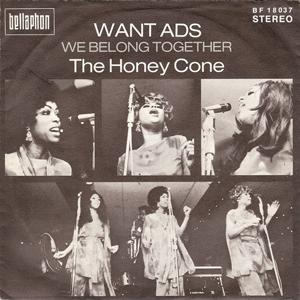
The Honey Cone was the first act signed to Hot Wax Records, a label started in 1968 by Eddie and Brian Holland and Lamont Dozier, who previously were staff writers and producers at Motown Records and in that role wrote twelve number one singles between 1962 and 1967, two performed by The Four Tops and the other ten by The Supremes, with lead vocals by Diana Ross, who would soon leave the trio and be replaced by Jean Terrell in 1970, with Terrell being replaced in 1973 by Scherrie Payne, who before then was the singer in a group called Glass House, also signed to Hot Wax Records, who recorded “Want Ads” prior to The Honey Cone, but neither Scherrie nor the track’s producer, Greg Perry, liked their version, leading Scherrie to re-record the song with her sister Freda, who had a number 3 record in 1970 with “Band of Gold,” a song co-penned by Holland-Dozier-Holland under assumed names, but the sisters’ version of “Want Ads” was also discarded, which then led Scherrie to suggest to Perry that he try the song again with Edna Wright singing, Wright being the lead singer for The Honey Cone and the sister of Darlene Wright, the singer for the group The Blossoms, and while you may not recognize the names Darlene Wright or The Blossoms, you may know their music, for producer Phil Spector renamed Darlene Wright Darlene Love (without her knowledge) and released records by The Blossoms under the name The Crystals, who hit number 1 with “He’s a Rebel,” and should not be but will be confused with another group called The Crystals, also produced by Phil Spector at the same time he was working with Wright/Love and The Blossoms, but let’s get back to Edna Wright, who recorded “Want Ads” with backing vocals by the other two members of The Honey Cone, Shellie Clark, who a couple of years earlier was singing backup for Ike and Tina Turner, and Carolyn Willis, who toured as a member of Bob B. Soxx & the Blue Jeans, a group whose records were produced by Phil Spector and featured vocals from Darlene Wright/Love. In June of 1971 The Honey Cone took “Want Ads” to number 1. (This paragraph is pulled from my long-awaited (by me, anyway) book, which I’m trying to get out this year.)
The late Edna Wright of The Honey Cone was born on this date in 1945. A couple of the group’s best-known songs, including “Want Ads,” are on today’s playlist.