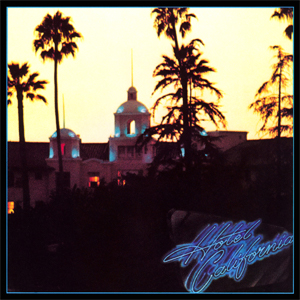
You know the songs. Whether it’s the opening guitar strum of “Hotel California” echoing through a retail store or the effortless cool of “Take It Easy” on the radio, the music of the Eagles is woven into the very fabric of popular culture. They are, for many, the definitive sound of 1970s California rock. But when you look at a playlist that pulls not just from the band’s iconic catalog but also from the solo careers of its members, a more complex and interesting story begins to unfold. It’s the story of a band, yes, but also of the powerful creative forces that defined it.
In their early days, the Eagles perfected a blend of country-inflected rock that felt both revolutionary and deeply familiar. With Bernie Leadon’s string-bending authenticity providing a crucial link to traditional country, songs like “Peaceful Easy Feeling” established a sound built on gentle acoustic guitars and those famously pristine vocal harmonies. Yet, the band’s ambition was clear from the start. On a single album like 1973’s Desperado, they demonstrated a remarkable range, offering both the sepia-toned storytelling of “Tequila Sunrise” and the sweeping, cinematic sadness of the title track. Their evolution continued with hits like “One of These Nights,” which pushed their sound forward with a taut, R&B-influenced groove, and the soaring ballad “Take It to the Limit,” a track defined by the unforgettable high-note heroics of bassist Randy Meisner.
The band’s musical expansion went into overdrive in the late 70s with key changes in personnel. First, the arrival of guitarist Joe Walsh injected a new energy, which you can hear clearly on his solo track “Rocky Mountain Way.” He brought a rawer, grittier guitar attitude that made a snarling, high-octane track like “Life in the Fast Lane” possible. But the band’s later sound wasn’t just about getting heavier; it also grew smoother. The addition of bassist Timothy B. Schmit, who brought another key flavor to the group, is perfectly captured in his soulful, impeccable lead vocal on “I Can’t Tell You Why.” It gave the Eagles one of their most enduring and elegant hits, proving they could master polished balladry as effectively as they could rock.
To fully appreciate the band’s dynamic, one also has to listen to what happened when its members went their separate ways in the 1980s. The solo material reveals the individual artistic identities that were often blended within the group. Don Henley, in particular, stepped out from behind the drum kit to become a formidable solo artist, showcasing a cynical and poetic voice on tracks like “The Boys of Summer” and “Dirty Laundry.” At the same time, Glenn Frey delivered pure 80s pop-rock adrenaline with “The Heat Is On,” a sound quite distinct from the band’s collective work. These solo ventures highlight the specific creative impulses each member brought to the table.
Ultimately, a playlist like this offers a richer understanding of the band’s legacy. It shows that the Eagles weren’t a monolith, but a convergence of remarkable talents. You had the foundational country-rock instincts, the powerhouse vocalists who could each take the lead, the gritty guitar hero, and the polished, often pointed, songwriting of Henley and Frey. Listening to the haunting live harmonies of “Seven Bridges Road,” you can hear all those individual voices coming together to create something powerful and lasting. It’s a sound that is much more than any single hit song—it’s the enduring result of a rare and potent combination of artists.
Follow Tunes Du Jour on Facebook
Follow me on Bluesky
Follow me on Instagram