
Even more great holiday music!
Follow Tunes Du Jour on Facebook
Follow me on Bluesky
Follow me on Instagram
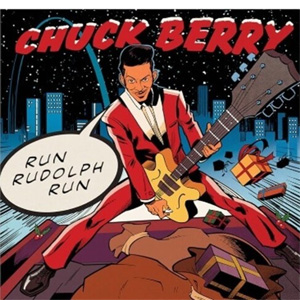
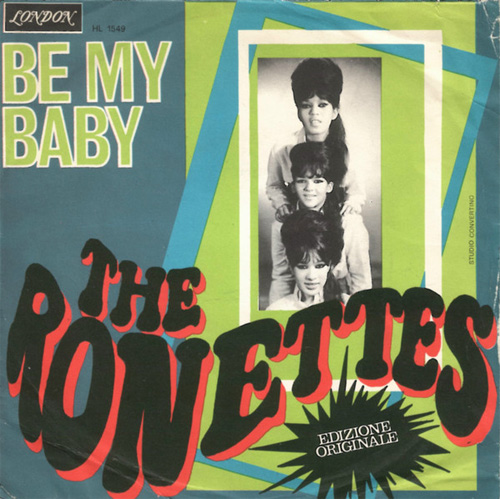
If you could travel back in time and turn on a car radio in 1963, what would you hear? It was a year poised on the brink of profound change, both culturally and musically. Listening to the pop charts from that year is like opening a time capsule of a specific American moment, one just before the British Invasion, led by The Beatles, would arrive on our shores in January 1964 and rearrange the entire landscape. Using a playlist of the year’s biggest hits, we can get a clear picture of the sounds that defined the last year of this particular pop era.
Two major sounds seemed to rule the airwaves, both born from a distinctly American, youthful energy. From the West Coast came the sun-drenched anthems of surf rock. The Beach Boys offered a national invitation with “Surfin’ U.S.A.,” while their friendly rivals Jan & Dean created the idyllic “Surf City.” This wasn’t just a vocal trend; the raw, driving energy of instrumental hits like The Surfaris’ “Wipe Out” and The Chantays’ “Pipeline” provided a visceral, drum-and-guitar-heavy soundtrack for a generation. Complementing this was the sound of the girl groups, often channeling teenage drama through the ambitious production of Phil Spector’s “Wall of Sound” on tracks like The Ronettes’ “Be My Baby” and The Crystals’ “Da Doo Ron Ron.” From the defiant fun of Lesley Gore’s “It’s My Party” to the tough-girl stance of The Angels’ “My Boyfriend’s Back,” these songs were miniature soap operas set to a 4/4 beat.
At the same time, a different kind of sound was solidifying its place at the heart of American music, broadcasting from Detroit and other soul music hubs. Motown was hitting its stride, producing hits that were both commercially successful and artistically sophisticated. You could feel the undeniable energy of Martha Reeves & The Vandellas on “(Love Is Like A) Heat Wave” or get lost in the smooth, clever plea of Smokey Robinson & the Miracles’ “You’ve Really Got a Hold on Me.” A teenage prodigy named Stevie Wonder even captured the explosive energy of his live performances on “Fingertips, Pts. 1 & 2.” It wasn’t just Motown, either. The soulful storytelling of groups like The Drifters on “Up on the Roof” and the raw, emotional performance of Garnet Mimms on “Cry Baby” showed the depth and variety within R&B and soul music.
Beyond these dominant movements, the Top 40 of 1963 was remarkably eclectic. The folk revival crashed onto the pop charts with Peter, Paul and Mary’s earnest version of Bob Dylan’s “Blowin’ In The Wind,” introducing a new layer of social consciousness to mainstream radio. Unclassifiable artists with singular visions also found massive success. Roy Orbison’s haunting, operatic ballad “In Dreams” and Johnny Cash’s iconic, mariachi-inflected “Ring of Fire” were worlds unto themselves. The charts even made room for the wonderfully unexpected: Kyu Sakamoto’s “Sukiyaki,” a beautiful Japanese-language ballad that became a number-one hit, and “Dominique” by The Singing Nun, also a number-one hit, proved that a great melody could transcend any language barrier. And in a class all its own was the wonderfully raw and raucous “Louie, Louie” by The Kingsmen, a garage-rock precursor that parents hated and kids loved.
Looking back, the collection of hits from 1963 represents a high point for a certain kind of American-made pop music. It was a world of surf guitars, dramatic girl-group harmonies, sophisticated soul, and a surprising number of unique one-offs. Every song on the radio, from Andy Williams’ smooth crooning to the gritty simplicity of “Louie, Louie,” was part of the same popular conversation. It was a vibrant and diverse scene, but one operating on its own terms. It had no idea that four young men from Liverpool were about to board a plane, bringing with them a sound that would change the rules for everyone.
Follow Tunes Du Jour on Facebook
Follow me on Bluesky
Follow me on Instagram
The music of 1962 wasn’t so much at a crossroads as it was following several lively paths at once. What captivated the public ranged from soul ballads to novelty records to stirrings of folk activism. Instrumentals, dance crazes, and heartfelt pop all found room on the charts. It’s this eclecticism — rather than any one dominant trend — that best characterizes the year. Yet in small ways, a few songs hinted at larger shifts to come. For example, The Tornados’ “Telstar,” the first U.S. number one by a British group, captured a sense of futuristic possibility that would soon manifest more dramatically with the Beatles and the British Invasion.
Instrumentals found their way into the spotlight in very different forms. While “Telstar” beamed into space with its shimmering, otherworldly sound, Booker T. & the MG’s grounded listeners with the earthy groove of “Green Onions.” Meanwhile, Stan Getz and Charlie Byrd’s “Desafinado” introduced many American listeners to the smoother, jazz-inflected rhythms of bossa nova — a style that would quietly influence pop and jazz recordings throughout the decade. Taken together, these instrumentals showed how musical expression could take new forms without abandoning broad popular appeal, and how lyrics weren’t always necessary to convey strong emotion.
Soul music also solidified its foundation. Sam Cooke’s “Bring It on Home to Me” and Solomon Burke’s “Cry to Me” mixed gospel roots with secular longing in ways that would help define soul music itself. Girl groups and doo-wop continued to resonate, with The Crystals’ “He’s a Rebel” and The Shirelles’ “Soldier Boy” offering different takes on devotion and defiance. Dion’s “The Wanderer” carried forward some of doo-wop’s spirit, while Gene Chandler’s “Duke of Earl” stood proudly as a bridge from doo-wop’s earlier heyday into a new era of soul and R&B. Even novelty records had staying power — Bobby “Boris” Pickett’s “Monster Mash” reached number one and, thanks to perennial Hallowe’en airplay, remains a cultural touchstone.
Folk music, too, gained traction. Peter, Paul & Mary’s debut album, featuring “If I Had a Hammer,” became one of the year’s bestsellers, spending over a month at number one. Its clean harmonies and calls for justice would help set the stage for the socially conscious folk boom led by artists like Bob Dylan, whose own debut — mostly overlooked in 1962 — was just the beginning of a rapid ascent. Meanwhile, outside the U.S., Françoise Hardy’s “Tous Les Garçons Et Les Filles” offered a moody, introspective style that would come to influence the understated emotionality of later French pop and, indirectly, certain strands of indie pop decades later.
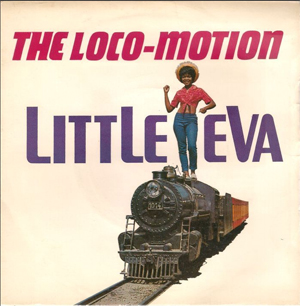
Some of 1962’s biggest hits have proven remarkably enduring. Elvis Presley’s “Can’t Help Falling in Love,” originally from the Blue Hawaii soundtrack, has since become one of his most covered and beloved songs. The Contours’ raucous “Do You Love Me” found new life decades later with Dirty Dancing, while Carole King, years before Tapestry, scored her first chart hit as a performer with “It Might as Well Rain Until September” — even as she continued to dominate as a songwriter, co-writing Little Eva’s infectious “The Loco-Motion.” These songs from 1962 don’t just capture a moment in time; they reveal a popular music scene that was broadening and diversifying while quietly laying the groundwork for upcoming revolutions, capturing both the fleeting spirit of its moment and the lasting power of pop at its best in a year where no single trend reigned supreme.
Follow Tunes Du Jour on Facebook
Follow me on Bluesky
Follow me on Instagram
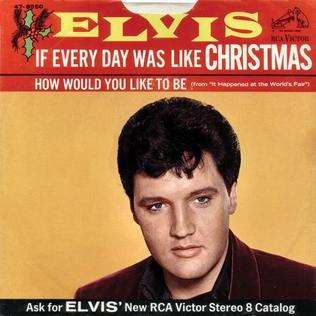
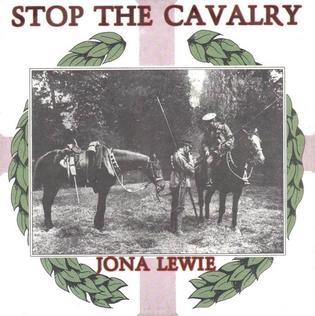
More holiday music!
https://open.spotify.com/playlist/4X4csTTsmoLxasvsccKsXT?si=397d056680644a65
Follow Tunes du Jour on Facebook
Follow Tunes du Jour on Twitter
Follow me on Instagram
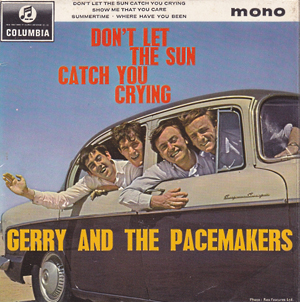
I say let the sun catch you crying. You have control over your own life. As long as you’re not impinging on someone else’s rights or happiness, do it. Cry.
The late Gerard Marsden of Gerry and The Pacemakers was born on this date in 1942. A couple of his group’s tunes are on this week’s playlist.
Follow Tunes du Jour on Facebook
Follow Tunes du Jour on Twitter
Follow me on Instagram

Producer Phil Spector had Righteous Brother Bill Medley sing the first verse of “You’ve Lost That Lovin’ Feelin’.” When his righteous brother Bobby Hatfield (they’re not brothers in the familial sense, see) asked what he was supposed to do during that verse, Spector told him “You can go directly to the bank.” To the bank he went, as YLTLF became one of the biggest US hits of 1965.
Bill Medley turns 83 today. A couple of his duo’s hits are included on today’s playlist.
Follow Tunes du Jour on Facebook
Follow Tunes du Jour on Twitter
Follow me on Instagram
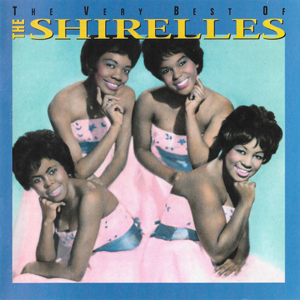
Though Shirley Owens usually sang lead on recordings by The Shirelles, on the group’s cover of The 5 Royales’ “Dedicated to the One I Love,” member Doris Coley sings the lead vocals. Though Cass Elliot is the Mama that usually sang lead on recordings by The Mamas and the Papas, on the group’s cover of The Shirelles’ cover of The 5 Royales’ “Dedicated to the One I Love,” member Michelle Phillips sings the lead vocals. Something about this song….
The late Doris Coley was born on this date in 1941. On today’s playlist are several hits from The Shirelles that feature Coley’s lead vocals.
Follow Tunes du Jour on Facebook
Follow Tunes du Jour on X
Follow me on Instagram