Tunes Du Jour Celebrates Sisters Day

Happy Sisters Day! There’s a unique, almost telepathic bond between sisters, and nowhere is that connection more audible than in music. When sisters sing together, they create a blend that often is simply magical—a harmony that’s been practiced over a lifetime.

In celebration of this incredible bond, I’ve curated a playlist of songs from groups that feature at least one pair of sisters. From the tough-girl cool of the ’60s girl groups to ’80s rock goddesses, ’90s pop sensations, and modern indie darlings, this playlist is a testament to the power of sisterhood in harmony. So grab your sister (or your chosen sister!), turn up the volume, and let’s dive in.


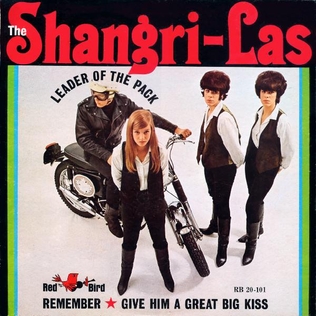
Leader of the Pack – The Shangri-Las
The Sisters: Mary and Elizabeth “Betty” Weiss were the heart of this legendary girl group, alongside the identical twins Marge and Mary Ann Ganser. With their dramatic, soap-opera-in-a-song storytelling and a “tougher than the boys” attitude, the Shangri-Las stood out. “Leader of the Pack” is their definitive mini-masterpiece of teenage tragedy.

Emmylou – First Aid Kit
The Sisters: Swedish folk duo Klara and Johanna Söderberg are revered for their breathtaking, otherworldly harmonies. On “Emmylou,” they pay beautiful tribute to their country music heroes (Emmylou Harris, Gram Parsons, June Carter, and Johnny Cash), creating a modern folk classic that feels utterly timeless.

Be My Baby – The Ronettes
The Sisters: The iconic lead vocals of Veronica “Ronnie” Bennett (later Spector) were backed by the harmonies of her older sister, Estelle Bennett, and their cousin Nedra Talley. This song, with its legendary drum intro and Phil Spector’s Wall of Sound production, is pure pop perfection and a benchmark for the girl group era.

C’est la Vie – B*Witched
The Sisters: This infectiously cheerful Irish pop group featured identical twin sisters Edele and Keavy Lynch (whose brother, Shane, was in the boy band Boyzone). “C’est la Vie,” with its jig-dancing, double-denim aesthetic, and suggestive lyrics, is a pure shot of late-’90s bubblegum pop nostalgia.

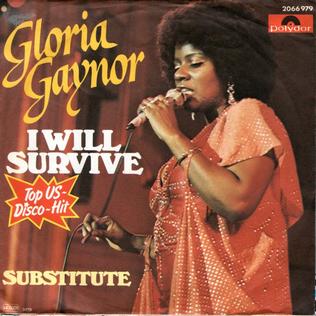
We Are Family – Sister Sledge
The Sisters: It’s right there in the name! Debbie, Joni, Kim, and Kathy Sledge are the four sisters who became a global phenomenon with this timeless anthem. Written and produced by Nile Rodgers and Bernard Edwards of Chic, the song wasn’t just a disco smash; it became a universal hymn for families, teams, and communities everywhere.

Move Ya Body – Nina Sky
The Sisters: Identical twin sisters Nicole and Natalie Albino make up the duo Nina Sky. This dancehall-infused debut single was a massive summer smash in 2004, and its infectious “Diwali Riddim” beat still fills dancefloors today.

Walk Like an Egyptian – Bangles
The Sisters: Vicki and Debbi Peterson (guitar and drums, respectively) were the sibling core of the Bangles. While Susanna Hoffs often took the lead, the Petersons’ rock-solid rhythm and harmonies were essential to the band’s sound. This quirky, chart-topping hit became one of the most memorable songs of the ’80s.

Closer – Tegan And Sara
The Sisters: Canadian identical twin sisters Tegan and Sara Quin have been indie-rock mainstays for years. “Closer” marked their brilliant pivot into synth-pop, a shimmering, exhilarating track about the thrill of a crush before a relationship even begins. It’s a masterclass in pop songwriting.

I’ll Take You There – The Staple Singers
The Sisters: Gospel and soul royalty, The Staple Singers were a true family affair led by patriarch “Pops” Staples. His daughters Mavis, Cleotha, and Yvonne Staples provided the heavenly, soul-stirring harmonies. This song, with its iconic bassline borrowed from a reggae track, is a blissful invitation to a better place.

I Love How You Love Me – The Paris Sisters
The Sisters: Albeth, Sherrell, and Priscilla Paris were known for their incredibly tight, close-miked, whispery harmonies. Produced by Phil Spector before his Wall of Sound days, this dreamy, delicate ballad perfectly captures the sweet innocence of young love.

Best of My Love – The Emotions
The Sisters: Wanda, Sheila, and Pamela Hutchinson are the Chicago-born sisters behind The Emotions. This joyous, soaring disco-soul classic was co-written and produced by Earth, Wind & Fire’s Maurice White, and it showcases their absolutely flawless, exuberant harmonies. It’s impossible not to smile while listening.

Hippychick – Soho
The Sisters: This one-hit wonder from 1990 was fronted by twin sisters Jacqueline “Jacqui” and Pauline Cuff. The song’s laid-back groove is built around a genius sample of The Smiths’ “How Soon Is Now?,” creating a track that’s instantly recognizable and quintessentially of its era.

Never Ever – All Saints
The Sisters: The ’90s British girl group All Saints, known for their cooler, more casual style, included sisters Natalie and Nicole Appleton. “Never Ever” was their biggest hit, a soulful, melancholic R&B ballad that became one of the best-selling singles by a girl group in the UK.

Nothing But A Heartache – The Flirtations
The Sisters: Though their lineup shifted, this American vocal group (who found fame in the UK) was founded by sisters Shirley and Pearly Pearce. “Nothing But a Heartache” is a prime cut of Northern Soul—up-tempo, dramatic, and deeply soulful, it’s a crate-digger’s treasure.

The Sign – Ace Of Base
The Sisters: This Swedish pop group that dominated the airwaves in the ’90s was fronted by sisters Jenny and Linn Berggren. Their distinct voices—Jenny’s powerful and clear, Linn’s ethereal and soft—were the perfect vehicle for this insanely catchy reggae-pop confection that took over the world.

Popsicles and Icicles – The Murmaids
The Sisters: Sisters Carol and Terry Fischer were two-thirds of The Murmaids. This sweet, dreamy tune, written by a young David Gates (who would later form the band Bread), became a surprise hit in 1963 and remains a perfect example of the innocent charm of the era.

Chapel of Love – Dixie Cups
The Sisters: New Orleans trio The Dixie Cups featured sisters Barbara Ann and Rosa Lee Hawkins, along with their cousin Joan Marie Johnson. Their version of “Chapel of Love” knocked The Beatles out of the #1 spot in 1964.

Boogie Fever – The Sylvers
The Sisters: The Sylvers were a large family band, similar to the Jacksons. On their biggest hit, “Boogie Fever,” the lead vocals are handled by Edmund Sylvers, but the shimmering, essential background harmonies come courtesy of sisters Olympia and Charmaine Sylvers.

My Boyfriend’s Back – The Angels
The Sisters: This sassy girl-group classic was powered by sisters Barbara “Bibs” and Phyllis “Jiggs” Allbut. The song is a perfect slice of early ’60s pop, a warning to a would-be suitor that her boyfriend is back in town and “gonna save my reputation.”

Eres Tu (Touch the Wind) – Mocedades
The Sisters: This Spanish group featured three sisters in its classic lineup: Amaya, Izaskun, and Estíbaliz Uranga. “Eres Tú” was Spain’s entry in the 1973 Eurovision Song Contest. It didn’t win, but it became a massive global hit, showcasing the group’s lush, soaring vocal arrangements.

Cannonball – The Breeders
The Sisters: A cornerstone of ’90s alternative rock, The Breeders were formed by Kim Deal (of the Pixies) and her identical twin sister, Kelley Deal. “Cannonball,” with its iconic slithering bassline, nonsensical lyrics, and explosive chorus, is a blast of pure, raw, and effortlessly cool rock and roll.

The Ketchup Song (Aserejé) – Las Ketchup
The Sisters: Say it out loud: The Ketchup sisters! This one is wonderfully literal. Spanish sisters Lola, Pilar, and Lucía Muñoz are the daughters of a flamenco guitarist known as “El Tomate” (The Tomato). Their nonsensical smash hit, complete with a viral dance, was inescapable throughout Europe in the summer of 2002.

The Wire – HAIM
The Sisters: Este, Danielle, and Alana Haim are the quintessential modern sister act. The multi-instrumentalist siblings from California burst onto the scene with a sound that blended ’70s soft rock with ’80s pop. “The Wire” is a perfect introduction to their intricate rhythms and impeccable harmonies.

Hammond Song – The Roches
The Sisters: Maggie, Terre, and Suzzy Roche were a trio of sisters from New York known for their astonishingly complex, intricate, and often quirky folk harmonies. “Hammond Song,” from their debut album produced by King Crimson’s Robert Fripp, is a haunting and beautiful display of their unique vocal chemistry.

Not Ready To Make Nice –The Chicks
The Sisters: Martie Maguire (fiddle) and Emily Strayer (banjo, dobro) are the instrumental powerhouses and harmony singers of this trailblazing country trio. This fiery, defiant anthem was their response to the backlash they faced for speaking out against the Iraq War, and it earned them three Grammy Awards, including Song of the Year.

Respectable – Mel & Kim
The Sisters: British sisters Melanie and Kim Appleby were a vibrant pop duo who worked with the hitmaking team of Stock Aitken Waterman. “Respectable” is a sassy, high-energy dance-pop track that champions self-respect and fun. Tragically, Mel passed away from cancer in 1990 at the peak of their fame.

Alone – Heart
The Sisters: Ann and Nancy Wilson are rock and roll royalty. With Ann’s powerhouse vocals and Nancy’s virtuosic, dynamic guitar work, they have been the unwavering core of Heart for decades. While “Alone” is a cover, their rendition transformed it into one of the greatest power ballads of all time.

Mr. Lee – The Bobbettes
The Sisters: This groundbreaking group included sisters Jannie and Emma Pought. In 1957, The Bobbettes became the first all-female group to write their own #1 R&B hit. “Mr. Lee,” a song originally written to tease a teacher they disliked, is a fun, foundational piece of rock and roll history.

Automatic – The Pointer Sisters
The Sisters: Anita, June, Ruth, and Bonnie Pointer began by singing a mix of jazz, soul, and country before reinventing themselves as sleek, synth-pop superstars following Bonnie’s departure from the group. This ’80s classic is a prime example of their funky, high-tech sound, driven by Ruth Pointer’s incredibly deep and sultry lead vocal.

I Wanna Love Him So Bad – The Jelly Beans
The Sisters: This gem from the golden age of girl groups featured the powerful harmonies of sisters Maxine and Betty Smith. Discovered while still in high school, The Jelly Beans were teamed with legendary songwriters Jeff Barry and Ellie Greenwich. The result was this classic expression of teenage devotion, a perfect slice of 1964 pop.


I hope you enjoyed this journey through the history of sister acts in music. Share this playlist with your sister and have a wonderful, music-filled Sisters Day!

Follow Tunes Du Jour on Facebook

Follow me on Bluesky

Follow me on Instagram
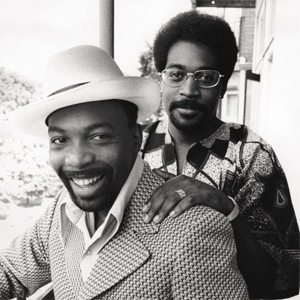
Tunes Du Jour Presents Kenneth Gamble & Leon Huff Productions

In the 1970s, Kenneth Gamble and Leon Huff shaped the sound of a generation with their signature brand of sophisticated, richly orchestrated soul music. As the architects of what became known as Philly soul, the duo crafted anthems that balanced deep emotional resonance with tight, danceable grooves. Their work as producers at Philadelphia International Records (PIR) established a sonic identity that was as polished as it was powerful, laying the foundation for later developments in R&B and disco.

Philly soul stood apart from other regional styles of the time, thanks in large part to Gamble and Huff’s emphasis on lush string arrangements, driving rhythm sections, and socially conscious lyrics. With a stable of top-tier session musicians—collectively known as MFSB—they created an expansive sound that was both cinematic and immediate. Songs like “Back Stabbers” by The O’Jays and “The Love I Lost” by Harold Melvin & The Blue Notes turned heartbreak and betrayal into dramatic musical statements, while dancefloor favorites like “Do It Any Way You Wanna” by People’s Choice showcased their ability to craft irresistibly propulsive rhythms.

As producers, Gamble and Huff had a particular talent for pairing the right voices with the right material. Lou Rawls’ baritone found a new dimension on “You’ll Never Find Another Love Like Mine,” and Billy Paul’s jazz-influenced phrasing made “Me and Mrs. Jones” a timeless tale of illicit romance. They also helped usher in the rise of Teddy Pendergrass, whose raw, commanding delivery gave Harold Melvin & The Blue Notes a distinct edge on tracks like “Wake Up Everybody” and “Don’t Leave Me This Way” before his successful solo career under their guidance.

Beyond crafting individual hits, Gamble and Huff understood the power of music as a cultural force. Songs like “Love Train” promoted unity and optimism, while “For the Love of Money” took a hard look at greed and materialism. Their productions weren’t just about making records—they were about shaping the mood of the era. Even their instrumental work, such as MFSB’s “T.S.O.P. (The Sound of Philadelphia),” became anthemic, doubling as the theme for Soul Train and solidifying Philly soul’s influence on popular culture.

The legacy of Gamble and Huff’s production work is undeniable. Their seamless blend of elegance and groove paved the way for the disco explosion, influenced generations of R&B artists, and remains a touchstone for contemporary soul revivalists. Whether through the soaring harmonies of The Three Degrees, the anthemic hooks of The Jacksons, or the velvet-toned storytelling of Jerry Butler, their music continues to resonate—proof that the sound of Philadelphia was more than just a moment in time. It was, and still is, a movement.

Follow Tunes Du Jour on Facebook

Follow me on Bluesky

Follow me on Instagram
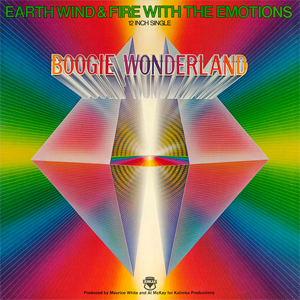
Tunes Du Jour Presents Disco

This fall marks fifty years since Billboard magazine began publishing its disco chart, an acknowledgment of a genre that danced its way into the hearts of millions. Disco music, with its infectious rhythms and vibrant energy, was more than just a soundtrack for nightlife; it was a cultural phenomenon rooted in the experiences of Black, Latinx, and gay communities. The genre’s pulsating beats and soulful melodies offered an escape, a place where people could come together and express themselves freely on the dance floor.

Disco’s origins can be traced back to the dance halls of New York City, where marginalized communities created spaces for celebration and expression. Early tracks like The Trammps’ “That’s Where the Happy People Go” and Shirley & Co’s “Shame, Shame, Shame” laid the foundation for what would become a global movement. These songs, along with others from the era, were not just about the beats but also about creating a sense of community and shared experience on the dance floor, where people from all walks of life could come together and express themselves freely.

Black artists played a central role in shaping disco’s sound and message. Chic’s “Le Freak” and Sister Sledge’s “He’s the Greatest Dancer” brought sophisticated grooves that transcended race, while Marvin Gaye’s “Got to Give It Up” and Diana Ross’s “Upside Down” combined soul with danceable rhythms, pushing the genre into mainstream consciousness. The smooth yet dynamic production styles and vocals showcased a depth that went beyond the glittering surface often associated with disco.

Latinx influences also left an indelible mark on the genre. Songs like “Turn The Beat Around” by Vicki Sue Robinson and “Cherchez La Femme” by Dr. Buzzard’s Original Savannah Band infused Latin rhythms with disco beats, creating a vibrant and eclectic sound. This cross-pollination of cultures on the dance floor reflected the diversity of the communities that embraced disco, making it a genre that celebrated inclusivity long before it became a mainstream value.

As we commemorate fifty years since Billboard recognized disco’s impact, it’s important to remember that disco was more than just a moment in time. It was a movement that broke down social barriers and created a space where joy and liberation could thrive. Whether it’s the enduring appeal of “Stayin’ Alive” by the Bee Gees or the timeless groove of KC & the Sunshine Band’s “That’s the Way (I Like It),” disco’s legacy lives on, reminding us of the power of music to unite and uplift.

Tunes Du Jour Presents Michael Jackson

Michael Jackson’s legacy in music is undeniably profound, with a career spanning several decades and an influence that is still felt today. From his early days with The Jackson 5 to his solo career that redefined the boundaries of pop music, Jackson’s contributions have left an indelible mark on the industry.

Jackson’s work with The Jackson 5 introduced the world to a young talent capable of captivating audiences with his voice and energy. Hits like “I Want You Back” and “ABC” showcased his ability to bring a unique sense of rhythm and soul, even as a child. As he transitioned into his solo career, Jackson’s music evolved, blending elements of pop, rock, and R&B to craft a distinctive sound that set him apart. Songs like “Don’t Stop ‘Til You Get Enough” and “Rock With You” from his Off the Wall album laid the groundwork for what would become his signature style—catchy melodies, intricate rhythms, and an infectious energy.

The release of Thriller in 1982 was a watershed moment, not just for Jackson but for the entire music industry. With tracks like “Billie Jean,” “Beat It,” and the title track, Jackson broke records and set new standards. The music video for “Thriller” itself became a cultural phenomenon, pioneering the concept of the music video as an art form and cementing Jackson’s reputation as a creative visionary. His music during this period was not just entertainment; it was a catalyst for change, influencing countless artists and shaping the future of pop music.

Beyond his musical achievements, Jackson was also known for his philanthropic efforts. His involvement in the creation of “We Are the World,” a charity single aimed at raising funds for famine relief in Africa, demonstrated his commitment to using his platform for good. Jackson supported numerous charities throughout his life, including the Make-A-Wish Foundation, the Elizabeth Taylor AIDS Foundation, and his own Heal the World Foundation, which focused on improving the lives of children around the globe.

However, Jackson’s legacy is also marred by credible criminal allegations of child abuse, which have cast a long shadow over his career. These allegations have led to ongoing debates about how to reconcile his artistic contributions with his personal life. While the legal battles and media scrutiny that followed these accusations are part of his story, they do not erase the impact of his work on music and culture.

In the end, Michael Jackson’s legacy is a complex one, marked by both extraordinary musical achievements and troubling personal controversies. His influence on the music industry is undeniable, as is his role in philanthropy. The challenge lies in acknowledging the full scope of his life and career while recognizing the impact he had on both music and society.

https://open.spotify.com/playlist/4Pg5WcK54h3NSlzjDJYQ16?si=17ecfba7705245d6

Tunes Du Jour Presents 1981

As the new decade dawned, 1981 emerged as a year of significant musical transformation. The eclectic mix of songs that defined this period reflected a music industry in flux, with established genres evolving and new sounds emerging to captivate listeners across the globe.

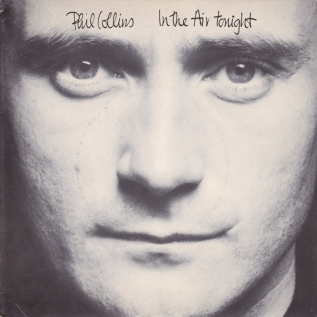
Rock music continued to hold its ground, adapting to the changing times. The Rolling Stones proved their enduring relevance with the gritty “Start Me Up,” while Journey’s “Don’t Stop Believin'” became an arena rock anthem that would stand the test of time. Bruce Springsteen’s “The River” showcased his storytelling prowess, and Phil Collins’ “In The Air Tonight” introduced a new dimension of atmospheric rock with its iconic drum break. George Harrison’s “All Those Years Ago,” a touching tribute to John Lennon, marked Harrison’s first U.S. top ten single in eight years, demonstrating the lasting appeal of the former Beatles.

New Wave and post-punk sounds flourished in 1981, pushing boundaries and incorporating electronic elements. Talking Heads’ “Once in a Lifetime” demonstrated the genre’s art-rock leanings, while The Go-Go’s brought a pop sensibility to new wave with “Our Lips Are Sealed.” Duran Duran’s “Girls on Film” hinted at the new romantic movement that was gaining traction. The Psychedelic Furs’ “Pretty in Pink,” with its blend of post-punk edge and pop accessibility, showcased Richard Butler’s distinctive vocals and would later inspire and lend its name to a defining film of the ’80s.

The year also saw the emergence of hip-hop as a force in popular music. Blondie’s “Rapture” became the first song featuring rap vocals to reach number one on the U.S. Billboard Hot 100, fusing new wave with hip-hop influences. Meanwhile, Grandmaster Flash’s innovative “The Adventures of Grandmaster Flash on the Wheels of Steel” was one of the first records to extensively use sampling, laying the groundwork for hip-hop’s future.

Dance music was evolving beyond disco into new, exciting forms. Grace Jones’ “Pull Up to the Bumper” blended funk, new wave, and reggae influences, pointing towards a more eclectic and experimental future for club music. Taana Gardner’s “Heartbeat” helped define the emerging genre of garage house with its stripped-down beat and soulful vocals. Kool & the Gang’s “Celebration” remains a party staple, bridging the gap between disco and contemporary R&B.

In the realm of R&B and funk, Luther Vandross’ “Never Too Much” marked the acclaimed background vocalist’s first hit under his own name, showcasing his smooth, sophisticated style. Rick James pushed funk to new heights with “Super Freak,” incorporating rock elements and a memorable synth line that would be sampled for years to come. The Pointer Sisters’ “Slow Hand” kept R&B smooth and soulful.

1981 also witnessed the continued rise of synth-pop and electronic music. Heaven 17’s politically charged “(We Don’t Need This) Fascist Groove Thang” and New Order’s “Ceremony” showcased the genre’s range from danceable pop to moody post-punk.

As some artists embraced new sounds, others used music to comment on social issues. The Specials’ “Ghost Town” reflected the urban decay and racial tensions in Britain, while Black Flag’s hardcore punk anthem “Rise Above” railed against societal norms. Prince’s “Controversy” challenged listeners both musically and lyrically, blending funk, rock, and new wave while tackling taboo subjects and questioning social norms, hinting at the boundary-pushing artist he would become.

From the chart-topping pop of Kim Carnes’ “Bette Davis Eyes” and Olivia Newton-John’s “Physical” to ABBA’s emotionally charged ballad “The Winner Takes It All,” 1981 was a year of contrasts and transitions. It was a time when established stars adapted to new trends, emerging artists made their mark, and genres blended in exciting ways. This rich musical landscape set the stage for the diverse and innovative sounds that would define the rest of the decade, making 1981 a pivotal year in the evolution of popular music.

Follow Tunes Du Jour on Facebook

Follow Tunes Du Jour on Twitter

Follow me on Instagram

Your (Almost) Daily Playlist: 12-10-23

“Nightshift” was Commodores’ biggest hit following the departure of usual lead singer Lionel Richie. The group’s Walter Orange, a co-writer of the song, sings lead on verse one. Orange also sang lead on Commodores’ hits “Brick House” and “Too Hot Ta Trot.” So there. 

Commodores’ Walter Orange was born on this date (or maybe yesterday’s date) in 1946. Two of the group’s songs on which he sang lead are included on today’s playlist.

Follow Tunes du Jour on Facebook

Follow Tunes du Jour on Twitter

Follow me on Instagram

Your (Almost) Daily Playlist: 8-29-23

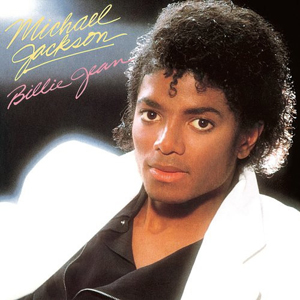
FUN FACT: The original lyrics to the song pictured were “Billy Joel is not my brother / He’s just some shlub who sang that the good die young / But he’s not my mother’s son.” Michael Jackson changed the words when Quincy Jones told him “That’s really stupid, Smelly.” (Note: I didn’t get this info from a reliable source, so take it with a grain of salt.)

Michael Jackson was born on this date in 1958. Lotsa Jackson on today’s playlist.

Follow Tunes du Jour on Facebook

Follow Tunes du Jour on Twitter

Follow me on Instagram