
The blogger in 1976
This week Tunes du Jour revisits the hits of 1976.
Click here to like Tunes du Jour on Facebook!
Follow me on Twitter: @TunesDuJour

The blogger in 1976
This week Tunes du Jour revisits the hits of 1976.
Click here to like Tunes du Jour on Facebook!
Follow me on Twitter: @TunesDuJour
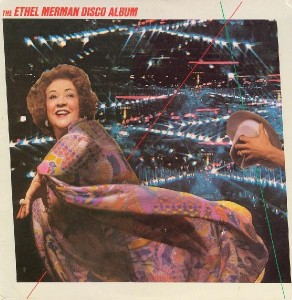
Nineteen seventy-nine saw the release of The Ethel Merman Disco Album. That same year saw western music banned in Iran. If you heard that album you’d hail that decision. Six-and-a-half minutes of “Everything’s Coming up Roses” set to a dance beat was deemed too decadent and an insult to decent citizens. By order of the Prophet, they banned that boogie sound, as it degenerated the faithful.
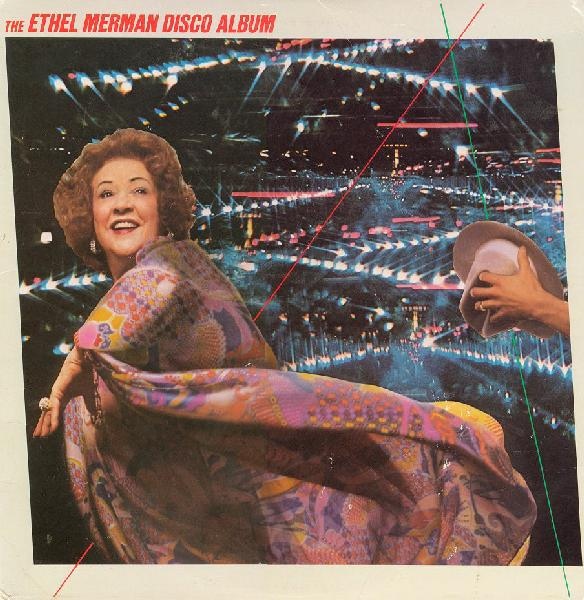 It’s a it’s a it’s a it’s a sin!
While waiting for his bandmates to come to the studio to work on the album with the working title Rat Patrol from Fort Bragg, The Clash’s Topper Headon recorded a song he wrote. He played drums, piano and bass on the track. Per the group’s former associate and sometime manager Kosmo Vinyl, Headon accompanied his music with “very, very pornographic lyrics” about his girlfriend. The Prophet would not be happy.
Raga is a style of Indian classical music. Its performed pieces typically last for a half hour or longer. After a few days of hearing each song being worked on for the The Clash’s album lasting a minimum of six minutes, band manager Bernard Rhodes asked “Does everything have to be as long as a raga?” The question inspired the band’s Joe Strummer to write the lyric “The king told the boogie men ‘You have to let that raga drop.’” (NOTE: Joe Strummer did not compose the KC & the Sunshine Band hit “I’m Your Boogie Man.” Or did he???)
With that line as his starting point, Strummer replaced the original “pornographic” lyrics Headon wrote for his tune with ones inspired by Iran’s ban of disco music. In the song, once the Shareef is out of sight, the populace ignore the ban. Even the fighter pilots the Shareef brings in to drop bombs on the partying civilians turn up the music on their radios once he’s been chauffeured away. Western dance music? The Shareef don’t like it!
By the late 1990s the laws against western music had been relaxed in Iran, only to be reinstituted in 2005 by Iranian president Mahmoud Ahmadinejad.
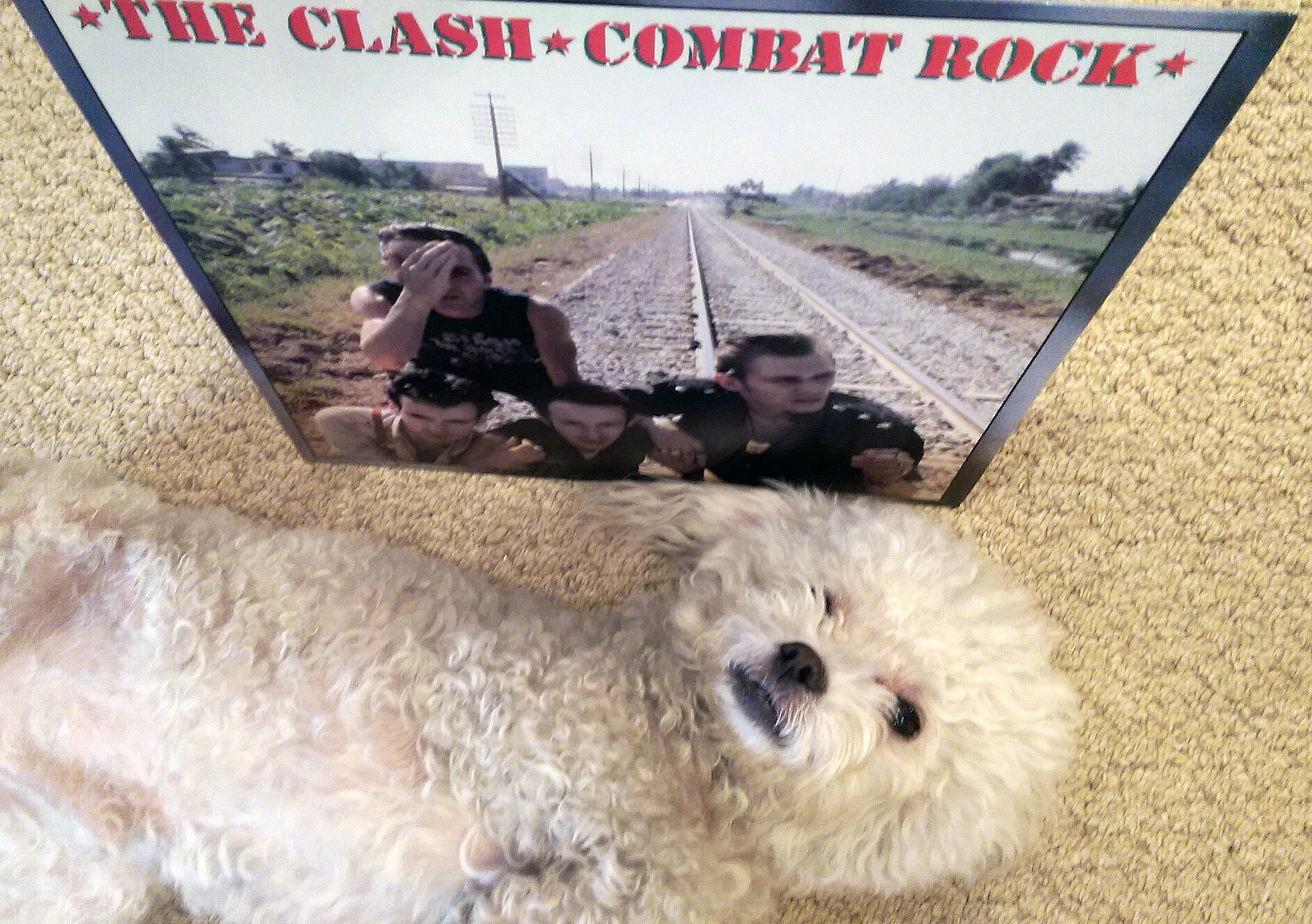
Though Ahmadinejad thinks it’s not kosher to boogie, we at Tunes du Jour think it’s treif to let Friday pass by without dancing. Our weekly dance playlist kicks off with The Clash’s “Rock the Casbah,” with lyrics by Joe Strummer, who was born on this day in 1952. By the way, the album from which the song is taken, released under the name Combat Rock, contains only one song longer than five minutes, the five-and-a-half minute long “Straight to Hell.” The king won.
Click here to like Tunes du Jour on Facebook!
Follow me on Twitter: @TunesDuJour
“A kiki is a party, for calming all your nerves
We’re spilling tea, and dishing just deserts when they deserve
And though the sun is rising, few may choose to leave”
It’s Friday and I need to dance, but you already know that.
I’ve always enjoyed going out clubbing, especially in the early nineties. Some Fridays and many Saturdays I’d go with whoever I was then dating or a good friend to The Roxy or The Limelight or Twilo (though Twilo may have come into being a few years into the nineties) or that club on Sixth Avenue around 15th Street whose name escapes me at the moment or that bar/club/fire hazard in the East Village or The Saint. In New York, the clubs didn’t close at 2 AM or 4 AM. They stayed open. There were times we wouldn’t leave until 8 or 9 the next morning. As that was breakfast time, we’d head for a diner (a “coffee shop” in the local parlance, before coffee shop meant a place like Starbucks) to eat before heading home to sleep. Watching people start their Sunday before we even finished our Saturday made me feel so alive. I’m here on this earth and taking advantage of it.
It’s been a long time since I stayed out all night. Though I cherish the memories, I can’t say I miss doing so. That may be because I haven’t hit upon a club that plays music I’d like to dance to for hours on end. The exception is Oil Can Harry’s, a dive in Studio City that hosts classic disco night on Saturdays. I love me some classic disco, and can stay there until closing if classic disco and post-disco 80s house was all that was played. For some reason, the DJ throws on Rihanna or other contemporary acts between midnight and 1. That’s my cue to leave. Nothing against Rihanna – she has many fun club songs – but it throws me off after I’ve been grooving to Donna Summer and KC & the Sunshine Band and Chic to suddenly be brought back to the 2010s.
If they didn’t call it Classic Disco Night, if they mixed up the eras and genres throughout the evening, that would be welcome. Seventies disco, eighties house, nineties alternative, aughts pop – take the best of each and mix ‘em up. I’ll leave when the sun comes up.
I’d love to DJ there. This way I can play the music that would keep me going all night.
Every Friday Tunes du Jour posts a slice of such playlists. Today’s slice kicks off with “Let’s Have a Kiki,” performed by Scissor Sisters, whose Ana Matronic turns 41 today.
Click here to like Tunes du Jour on Facebook!
Follow me on Twitter: @TunesDuJour

Every April, to coincide with Tax Day, my former Sony colleague Rich Appel creates the IRS countdown. In this case, IRS stands for It Really Shoulda, as in It Really Shoulda been a top ten hit. People vote for songs that they feel should have but didn’t make the top ten of Billboard’s Hot 100. Rich collates all of the entries and comes out with the Top 100 IRS songs.
Today is my birthday. Usually on birthdays, Tunes du Jour creates a playlist around the music of the birthday boy or girl. As Friday is dance day in these parts, I decided I would take inspiration from Rich’s IRS countdown and present to you a playlist of songs that I love to dance to that didn’t crack the pop top ten. Here are fifty such IRS tracks. (Actually, fifty-one, not because that’s how old I am but because the Diana Ross entry is two songs.) It’s my birthday and I need to dance!
Click here to like Tunes du Jour on Facebook!
My plan was for today’s blog post to be a rant. Since 2011, over 80 pedestrians in West Hollywood have been hit by cars while in crosswalks. Three of them were killed. This city’s solution? Put signs on the side of the street that read “PEDESTRIAN SAFETY ZONE.” Oh, you mean we’re not supposed to run down pedestrians? Thanks for the heads up! Is there a sign when the zone ends so I can go back to business as usual?
Meanwhile, pedestrians walking on the sidewalk get run down by bicyclists. The city created bike lanes on Santa Monica Blvd., but many bicyclists prefer to ride on the sidewalk. It’s illegal, but WeHo doesn’t enforce many of its laws. I spoke to one of our city councilmembers about this, and she said they have no intention of enforcing that law or the leash laws or replacing burnt out bulbs in streetlights.
But you know what? I don’t feel like ranting. It’s Friday, and I need to dance.
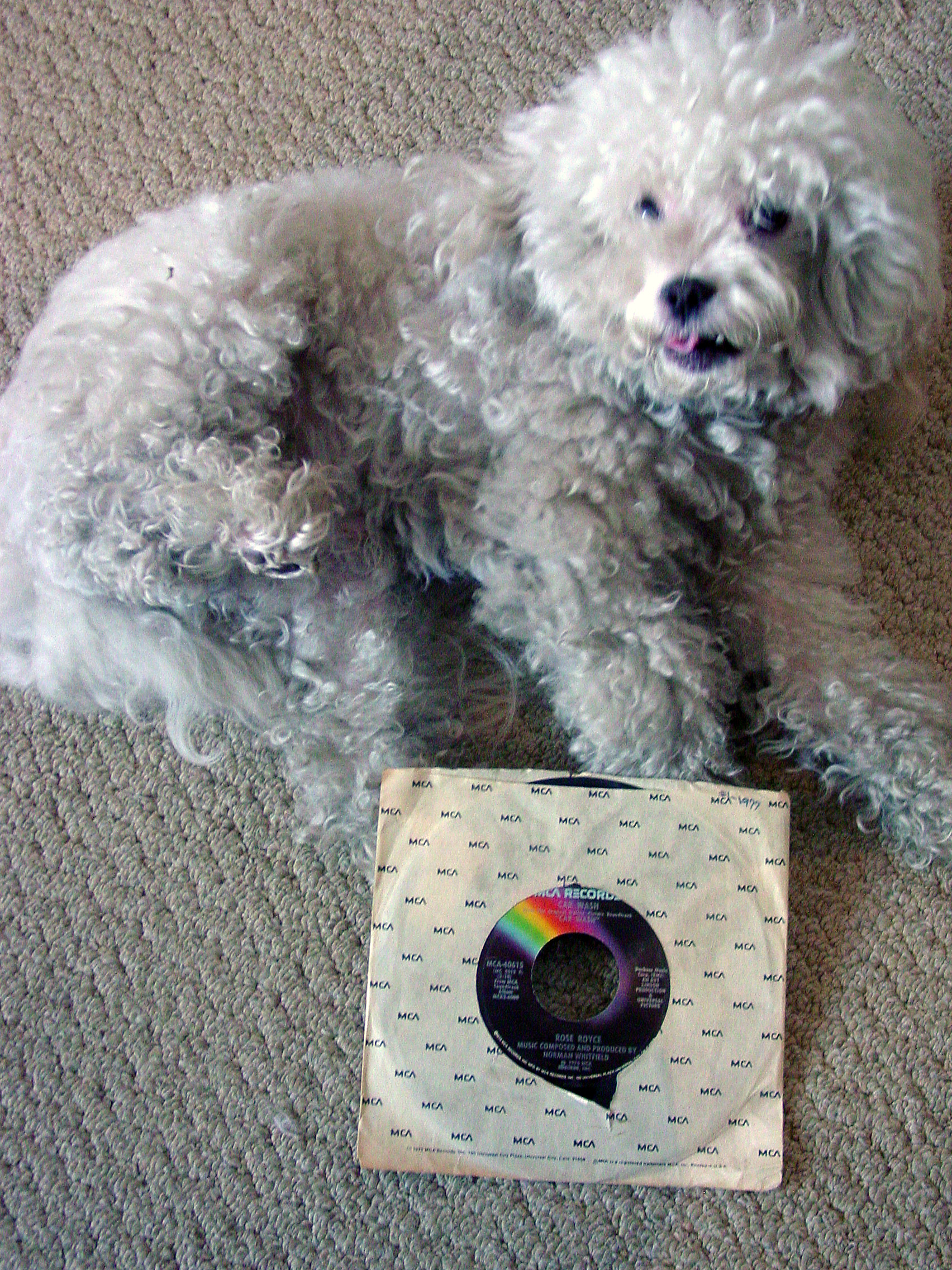
This week’s dance playlist kicks off with Rose Royce’s “Car Wash,” which gives the sage advice that a car wash “ain’t no place to be if you planned on bein’ a star.” Now you know.
Click here to like Tunes du Jour on Facebook!
As a songwriter, Jimmy Webb scored his first hit in 1967 at age twenty when The 5th Dimension took “Up, Up and Away” to the top ten. Later that year Glen Campbell had a hit with Webb’s composition “By the Time I Get to Phoenix.”
Webb then wrote a 22-minute cantata. His friend Bones Howe, with whom Webb worked on The 5th Dimension’s Up, Up and Away album, invited Webb to play the new piece for The Association, who Howe was then producing. Their reaction was less than enthusiastic. Per Howe, one group member said “Any two guys in this group could write a better piece of music than that.”
Sometime after, Webb received a telegram from actor Richard Harris, who he met at a fundraiser in Los Angeles. Harris was nominated for an Academy Award in 1963 for This Sporting Life and again in 1990 for The Field. He later went on to play Professor Dumbledore in the first two Harry Potter movies. The telegram read “Jimmy Webb, come to London and make a record. Love, Richard.”
Webb flew to London, bringing a satchel of songs he’d written. He played each for Harris, but nothing struck the actor. Webb recalled “I looked down with some dread because there was only one thing left.” That one thing was the last movement of the cantata he presented to The Association. He called it “MacArthur Park.”
Here are the lyrics to “MacArthur Park.” Raise your hand when they get confusing.
The opening lines are “Spring was never waiting for us, girl / it ran one step ahead, as we followed in the dance.”
I see some hands raised. The next line should help you understand: “Between the parted pages and were pressed in love’s hot fevered iron, like a striped pair of pants.” Now you got it! Harris, who is from the UK, where “pants” means underwear, uses an iron, a hot fevered iron, on his striped underwear. You may be asking: Does he iron his solid-colored underwear? Does he have solid-colored underwear? Boxers or briefs? Relax – there are still six and a half minutes left in the song, so maybe you’ll find out.
Moving on, we learn that MacArthur Park, which Harris calls MacArthur’s Park for the duration of the song, is melting. In the dark. Its icing is flowing down. Who hasn’t been there?
We now arrive at the classic lines about a cake left out in the rain, which appears to be causing Harris to have a breakdown. “I don’t think that I can take it ‘cause it took so long to bake it and I’ll never have that recipe again. Oh no!” Calm down. It’s just a cake. Bake another one. I know – this song was recorded in the pre-Internet age when finding a cake recipe required one to open a cook book, but come on! This cake can’t be that special if you chose to leave it out during inclement weather.
By the end of verse one we have learned several things: 1) Harris is singing to a girl; 2) Harris irons his striped underwear; 3) a park is melting; 4) if you bake a cake and wish to leave it outside, check The Weather Channel first; and 5) never write a song while you are on an acid trip.
As the song continues it gets more bizarre. The melody changes and Harris threatens us by singing “There will be another song for me, for I will sing it.” Luckily, this other song never became a hit. (And may I add, he is being rather presumptuous by calling his performance on this record “singing.”)
The song clocks in at nearly seven and a half minutes, and though it reached #2 on the US pop charts, most listeners had no idea why Harris was singing about a melting park, ironed underwear and a waterlogged dessert.
Songwriter Webb didn’t understand the confusion. He told Q Magazine that the song is “clearly about a love affair ending, and the person singing it is using the cake and the rain as a metaphor for that.” Clearly. Clear as mudcake.
The love affair was one from Webb’s own life. He and his girlfriend would meet for lunch at MacArthur Park, where there would sometimes be birthday parties, with cake. Their breakup devastated Webb, who wrote “Mac Arthur Park” and “By the Time I Get to Phoenix” based on their relationship. (Bonus trivia – the woman went on to marry Linda Ronstadt’s cousin.)
In 1993, humorist Dave Barry surveyed his readers to find the worst song. The clear winner for Worst Overall Song and Worst Lyrics was “Mac Arthur Park.” Culture critic Joe Queenan disagreed with the results “because ‘Ebony and Ivory’ exists, as do ‘You Don’t Bring Me Flowers,’ ‘Baby, I’m-a Want You,’ ‘Feelings,’ ‘Benny and the Jets,’ ‘Witchy Woman’ and ‘Sussudio,’” adding “On a planet where somebody thought it would be a good idea to write ‘Scenes from an Italian Restaurant,’ the best ‘MacArthur Park’ is ever going to earn in the sucky-song sweepstakes is a tie.”
Good or bad, the song is a classic. A 1968 Grammy winner for Best Arrangement Accompanying Vocalist, the song has been recorded by top artists in diverse genres, including Frank Sinatra, Tony Bennett, Sammy Davis Jr., Liza Minnelli, the Four Tops, Maynard Ferguson, Stan Kenton and Woody Herman. Waylon Jennings’ 1969 version won a Grammy. In 1978, Donna Summer’s rendition became her first #1 pop record and stands as the only US #1 pop song for Jimmy Webb, who also wrote “Wichita Lineman,” “Galveston,” “Worst That Could Happen” and “All I Know.”
It has been rumored that Webb and Harris had a falling out due to the song’s success. Harris promised Webb his Rolls Royce if the song went top ten. When the record did, Harris offered Webb a different Rolls Royce. It is because of this that people named Richard are often called Dick. Allegedly, the pair stopped speaking.
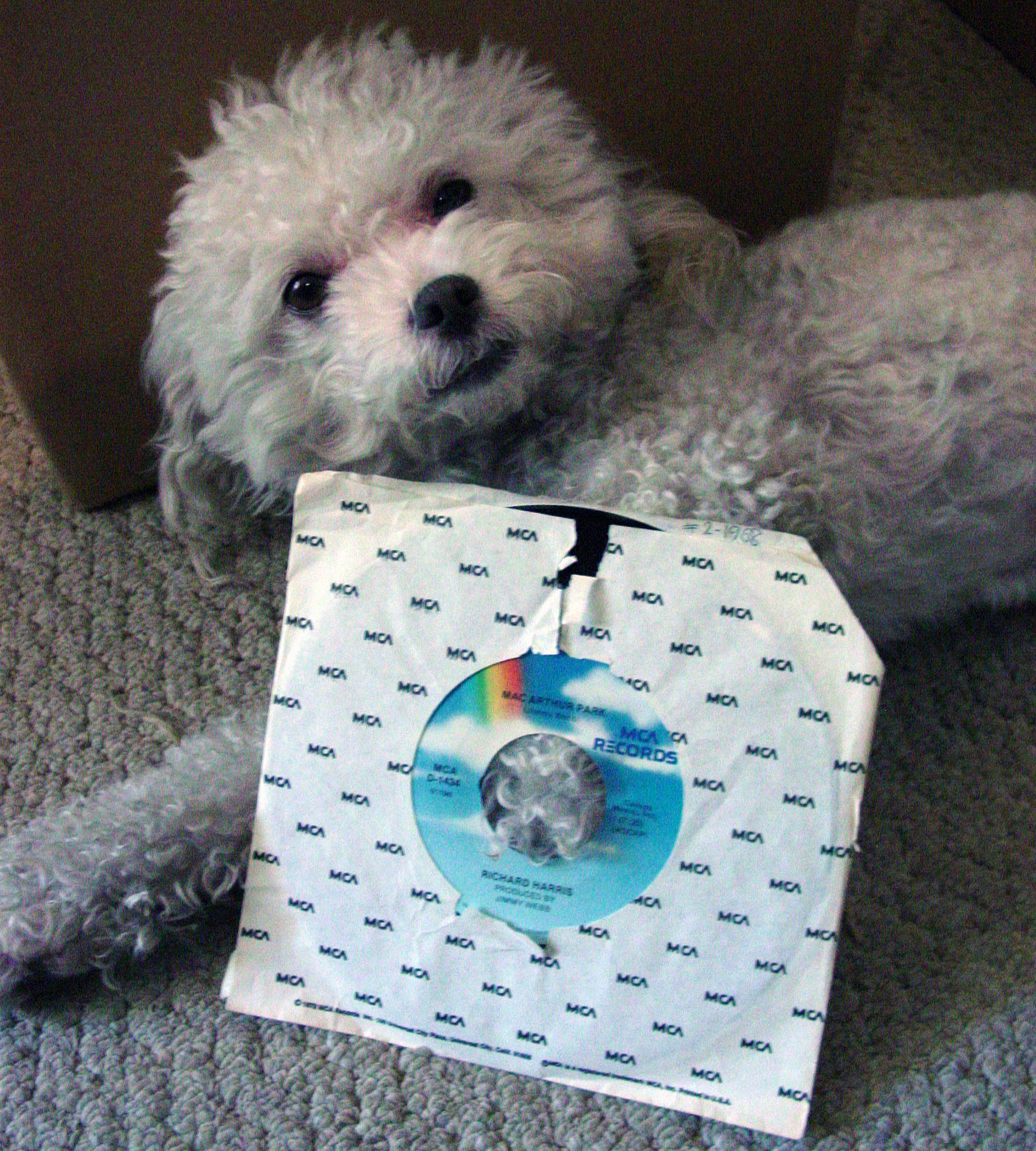
Today Jimmy Webb turns 68 years old. Hopefully he’s somewhere celebrating with a nice piece of wet cake. We kick off our weekly dance party with Donna Summer’s version of “MacArthur Park,” which she, like Harris, insists on calling “MacArthur’s Park” for the duration of the song.
Like Tunes du Jour on Facebook. Click here.

Last week I regaled an audience with the story of the time I accidentally hired a prostitute to show me around Prague. These things happen. To me, anyway.
Half-glass-full guy that I am, once I realized what I did, I looked at the positive – I hired a prostitute to show me around Prague! Complications arose when the police got involved and I had to explain to my bank why they needed to credit that charge.
Though I ended up sightseeing that spectacular city on my own, I got a great story out of the trip. Sometimes things don’t go according to plan, but you make the best of the situation and try to turn it into a positive.
 Someday I’ll talk about the time I boarded a bus in Mexico to go on what I thought was a nature trip to the hot springs. Let’s just say I don’t think the springs got any hotter than they did that night.
In 1987, two bands, both interested in making a dance record, got together in the studio at the suggestion of the head of their record label, 4AD. Colourbox and A R Kane didn’t hit it off, so each worked on their own track, which they then turned over to the other group to embellish.
Colourbox came up with “Pump up the Volume,” its title line sampled from Eric B & Rakim’s “I Know You Got Soul.” A R Kane added some guitar to the track, and DJs CJ Macintosh and Dave Dorrell added a bunch of samples.
The record was released under the name M|A|R|R|S. “Pump up the Volume” became a worldwide smash and was groundbreaking in its use of samples on a British house track.
Though the idea of a true collaboration between the two bands didn’t come to fruition, and the acts didn’t get along and never worked together again, they did produce a dance classic. “Pump up the Volume” kicks off today’s dance playlist. Have a great weekend and before you buy anything, make sure you know exactly what it is you are paying for.
Like Tunes du Jour on Facebook! Click here.
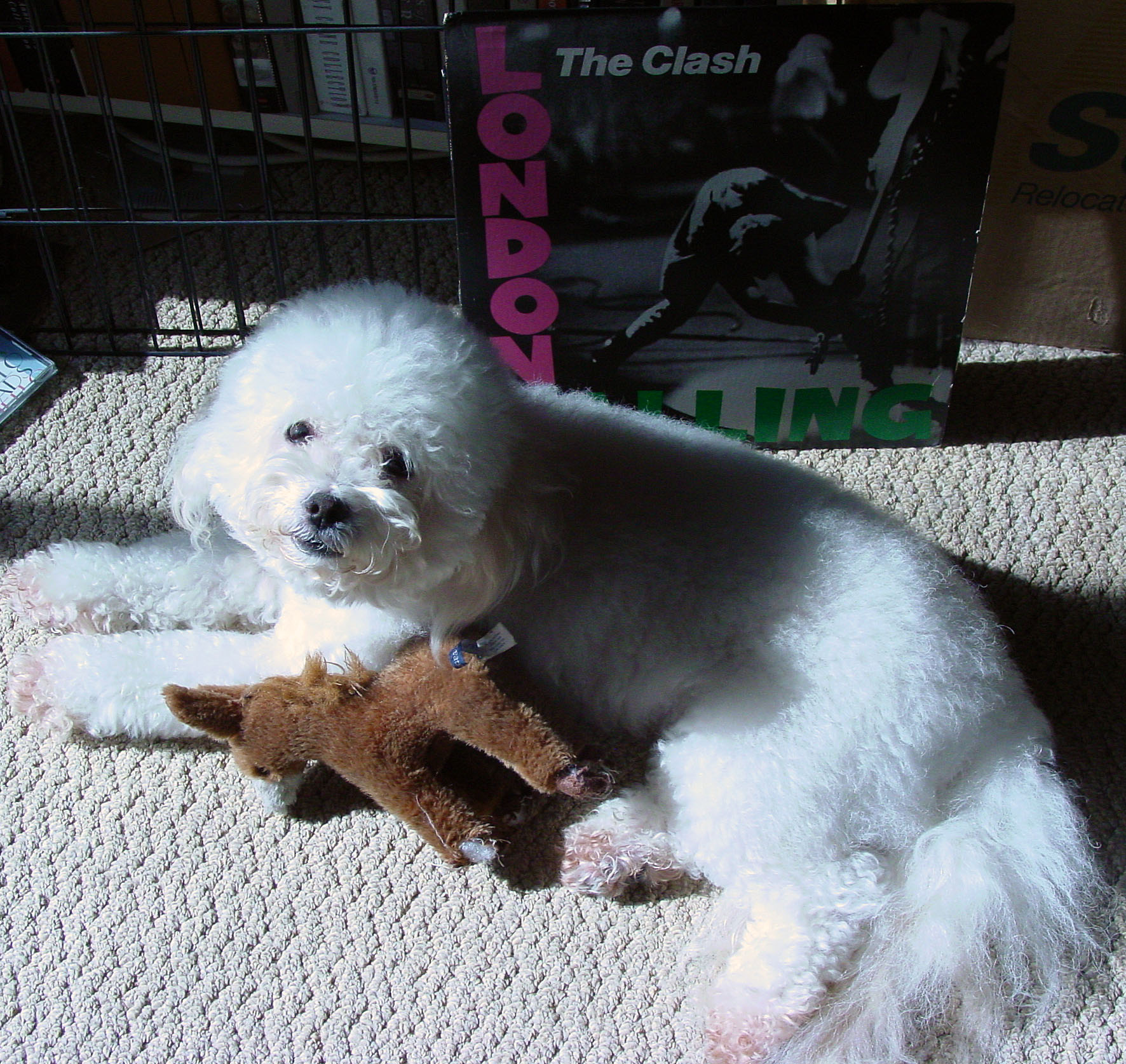
“I have heard the future of rock and roll, and it is The Clash.” I said that to my friend Laura. The year was 1986. The Clash had already broken up. Sometimes I’m fashionably late to the party.
The Clash released their self-titled debut album in 1977. At that time I was very much a Top 40/Disco kid, listening to KC & the Sunshine Band, The Bee Gees, Eagles, Leo Sayer, ABBA, Stevie Wonder, Barry Manilow and Fleetwood Mac, etc. I’d read about punk rockers in Rolling Stone and Billboard, with their spitting and complaining. No thank you!
I heard a few Clash songs in the few years that followed – their two US top 40 singles “Train in Vain” and “Rock the Casbah,” plus “Should I Stay or Should I Go.” I liked all of those, but assumed they were the exception. They didn’t sound like the way I read punk described.
In 1986 I was working at CBS Records. One of the perks was employees could order five records or tapes each month from the CBS Records catalogue. I got the entire Springsteen back catalogue and some Dylan releases. Eventually I got around to ordering The Clash’s catalogue. I read about them so often and the records were free, so why not?
Wow! London Calling was the most impressive and the one that led to my rave review to Laura. It was not at all what I expected. It was very melodic and very accessible, with a diverse range of styles. The other albums all had their moments, enough such moments that I wouldn’t hesitate to recommend any of their albums.
Let me amend that – I wouldn’t hesitate to recommend any of their albums except Cut the Crap, released after Mick Jones left the band.
While I’m often way ahead of the general population on songs and artists that eventually gather wide acclaim, sometime I’m slow. The Clash was one of those times. And, in retrospect, I suppose I was a tad hyperbolic when I declared Men At Work to be the new Beatles.
Today Mick Jones of The Clash (and later Big Audio Dynamite) turns 59. Here are ten gems.
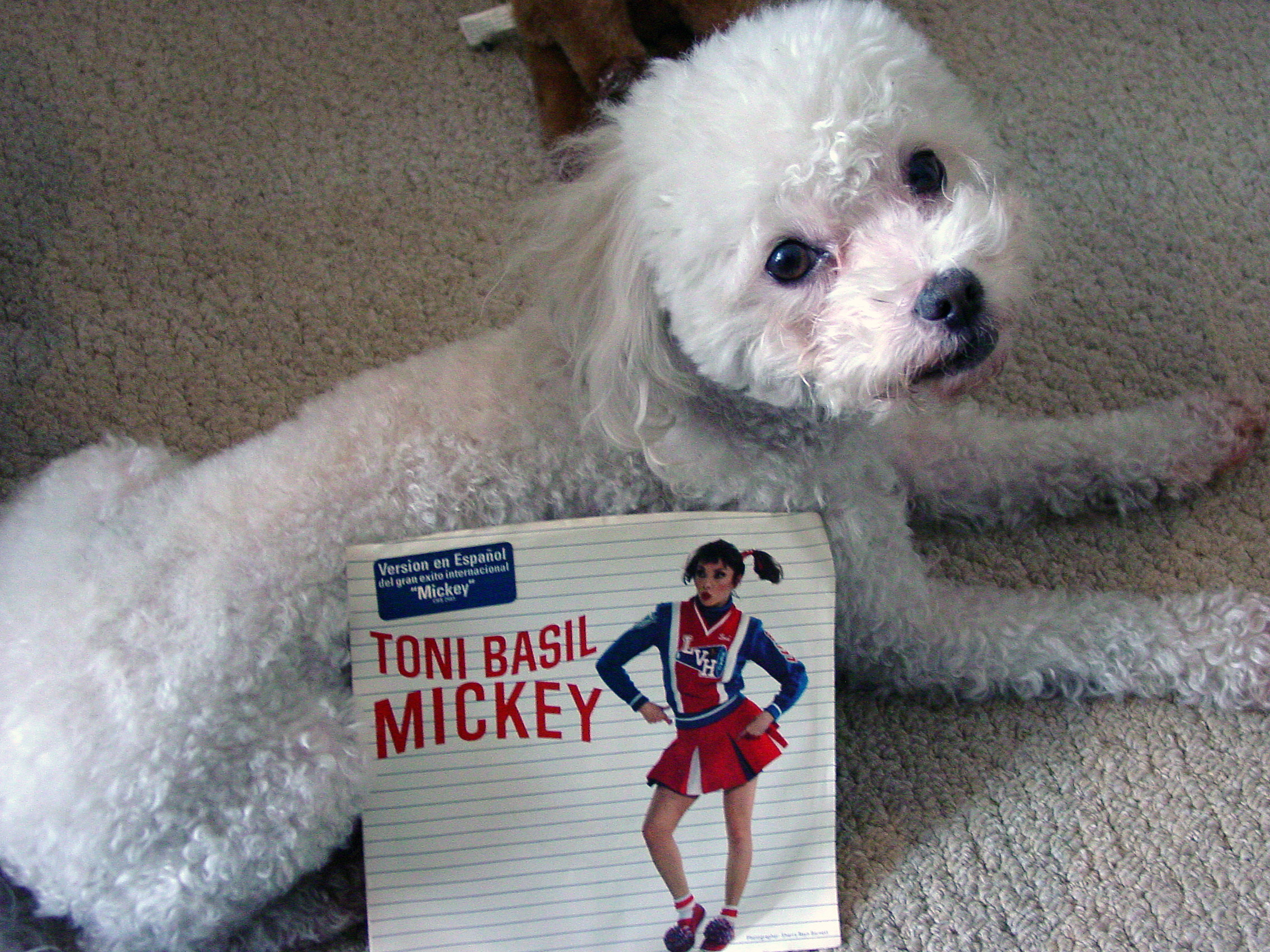
Hoy es Cinco de Mayo, y yo was thinking about Spanish-language songs that crossed over onto the US pop charts. That got me thinking about hit songs that were re-recorded in Spanish by their original hitmakers in an attempt to cross over the other direction. It’s a savvy business move, no? Why limit your audience, especially once the music business became more global?
Here is your Cinco de Mayo playlist:
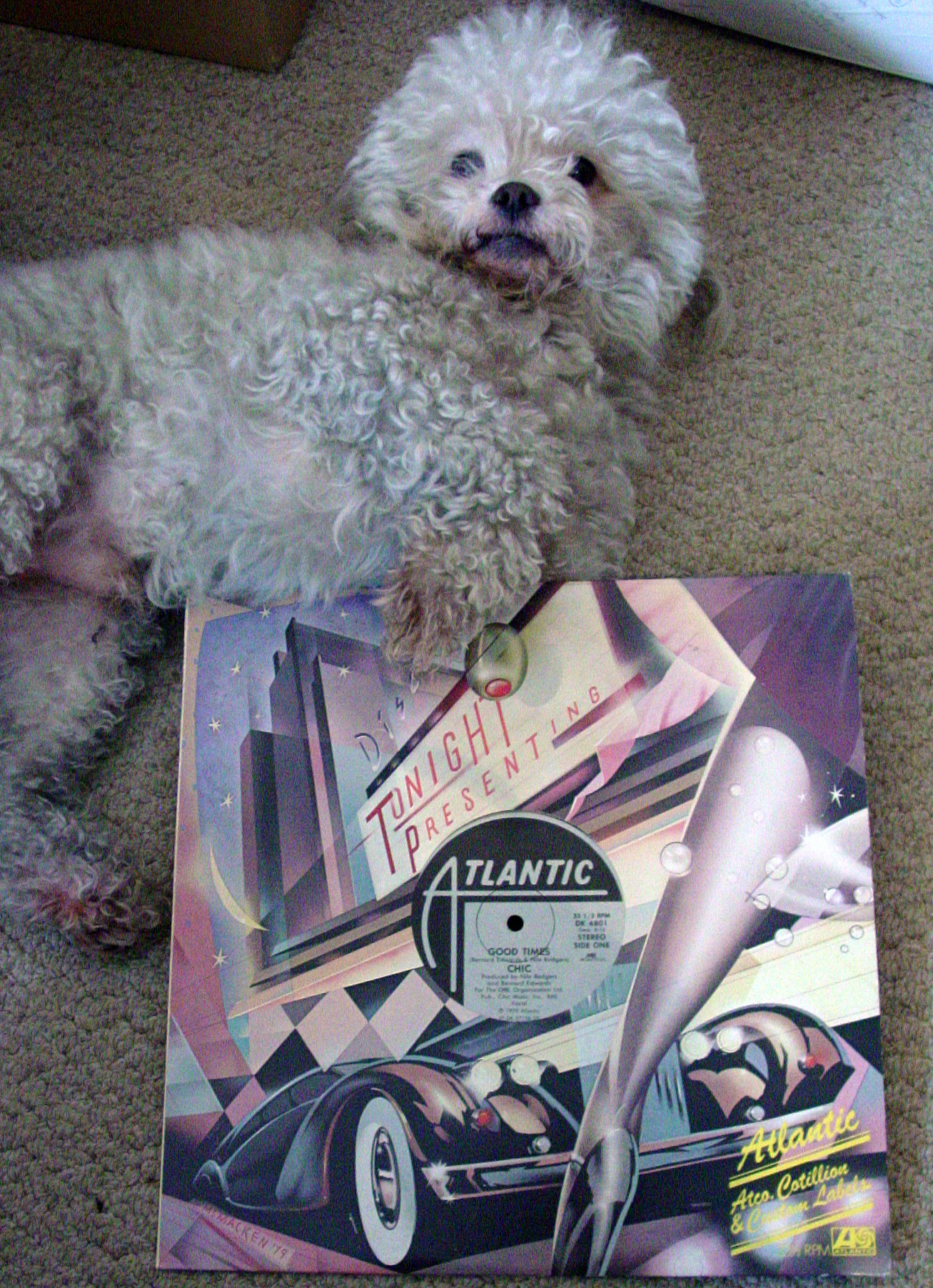
In August of 1979 the band Chic had their second #1 pop and r&b hit with “Good Times.” Later that year they played at New York’s Bonds nightclub on a bill with The Clash and Blondie. When they launched into “Good Times,” a handful of audience members jumped on stage and started freestyling rhymes over the song’s instrumental break.
Later that year those audience members, under the name The Sugarhill Gang, released “Rapper’s Delight.” Built around the bass line from “Good Times,” “Rapper’s Delight” became the first rap record to make the pop top 40. The rules around “sampling” had not yet been established, so Chic threatened legal action over the rap trio’s use of the bass line, created by Chic’s bassist, Bernard Edwards. The Sugarhill Gang’s record label settled with Chic, and Edwards and his bandmate Nile Rodgers received a writing credit on “Rapper’s Delight.”
Friday is dance day at Tunes du Jour, and today’s dance playlist kicks off with Chic’s “Good Times,” in memory of Bernard Edwards, who died on April 18, 1996.