Ringo + Rick Astley

Stock, Aitken and Waterman’s Conversion Therapy

Much has been written about “reparative therapy,” procedures that attempt to turn gay people straight. There is a growing movement to ban the practice. But what about the reverse conversion therapy?

Leading sociologists such as Anita Bryant have long claimed that gay people recruit straight people into the homosexual lifestyle, a way of living that de-emphasizes sports, prayer and vaginas and instead focuses on appearance, hygiene and brunch. Recently de-classified documents show that there may be truth to this.

In 1984, three scientists – Mike Stock, Matt Aitken and Pete Waterman – wanted to see if they can convert millions of heterosexual men to homosexuals. Recognizing that doing this conversion one man at a time would be a time-consuming endeavor, they came up with a way to convert large swaths of men simultaneously. They did this through music.

Their experiment was a smashing success. They produced records that turned any man listening gay and any woman listening to a “fag hag.” Their hits include Dead or Alive’s “You Spin Me Round (Like a Record),” Rick Astley’s “Never Gonna Give You Up” and Bananarama’s “Venus.” Have you ever heard any of these songs? Have you ever had brunch? Coinkidink?

Professor Nicolai Баграмя́н teaches Psychological Environmental Neurological Intertwined Studies at Moscow University. His extensive research brought the effects of Stock, Aitken and Waterman’s work to light. “Many factors contribute toward giving a man a homosexual disposition. An alcoholic parent, attending boarding school, listening to Kylie Minogue sing ‘The Loco-motion.’ Gurl.”

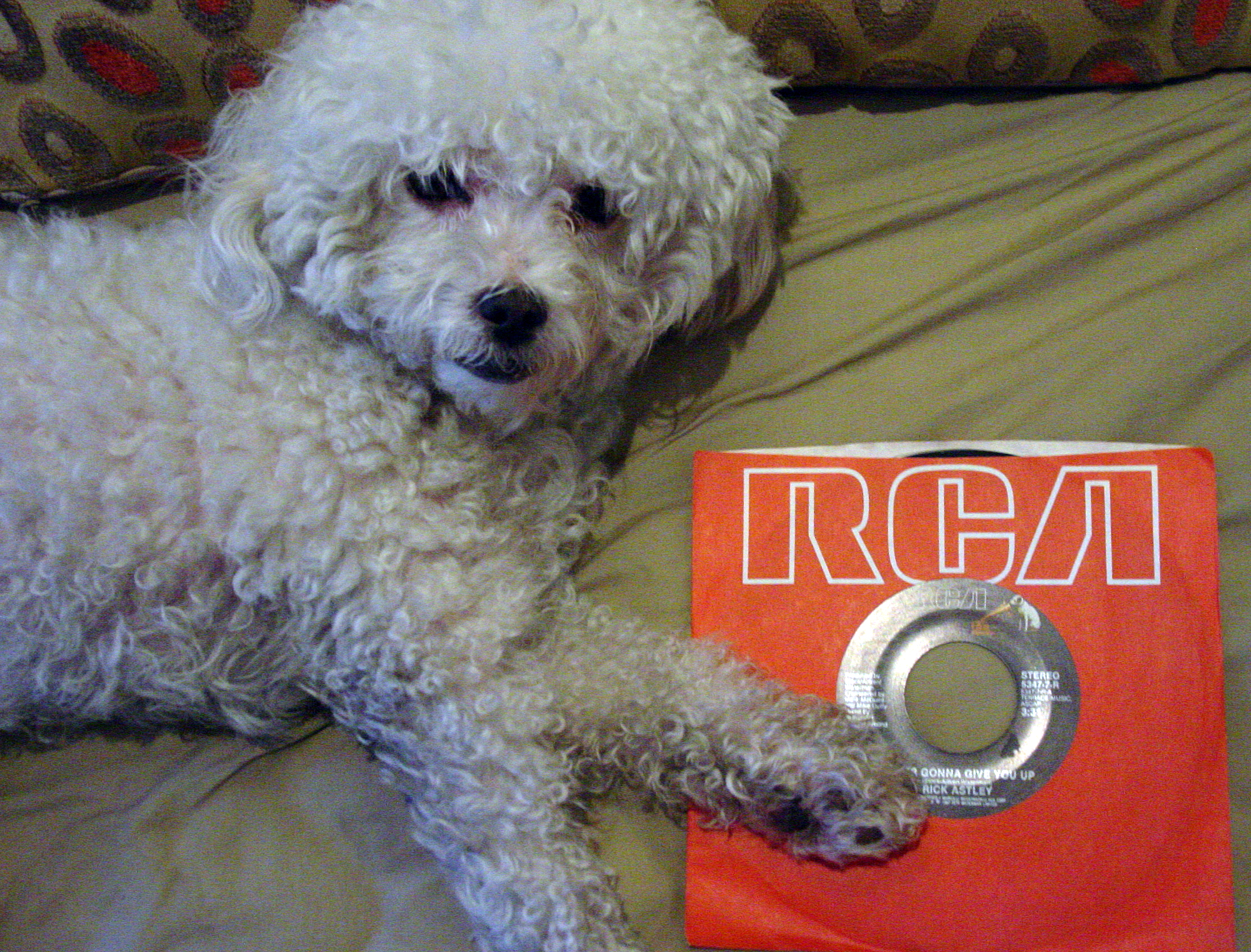
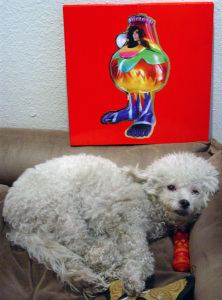
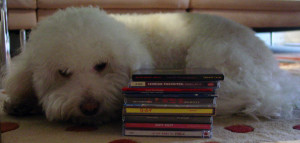
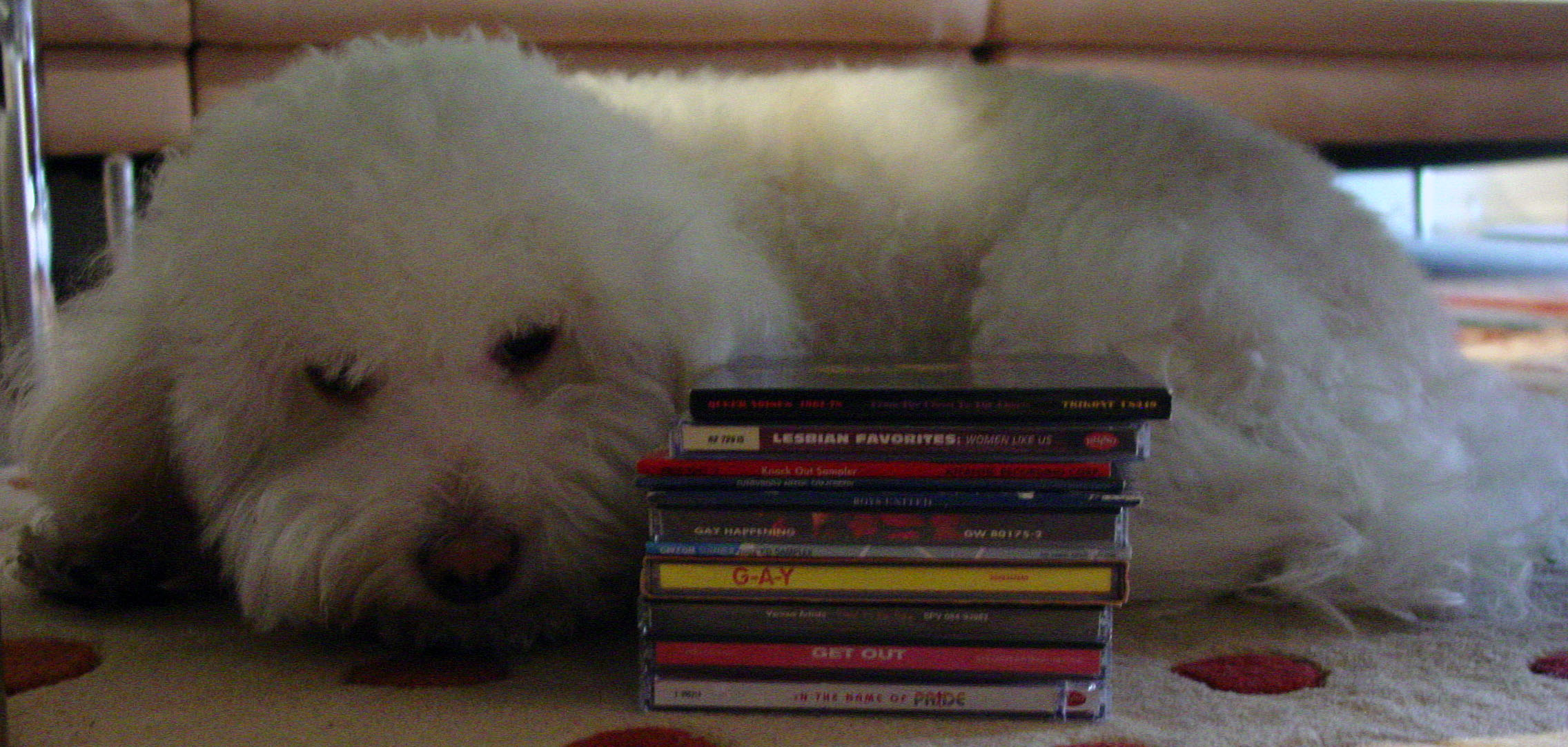
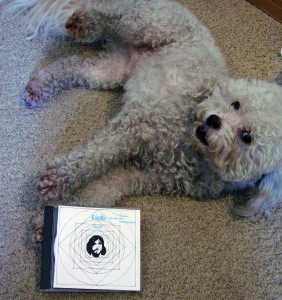
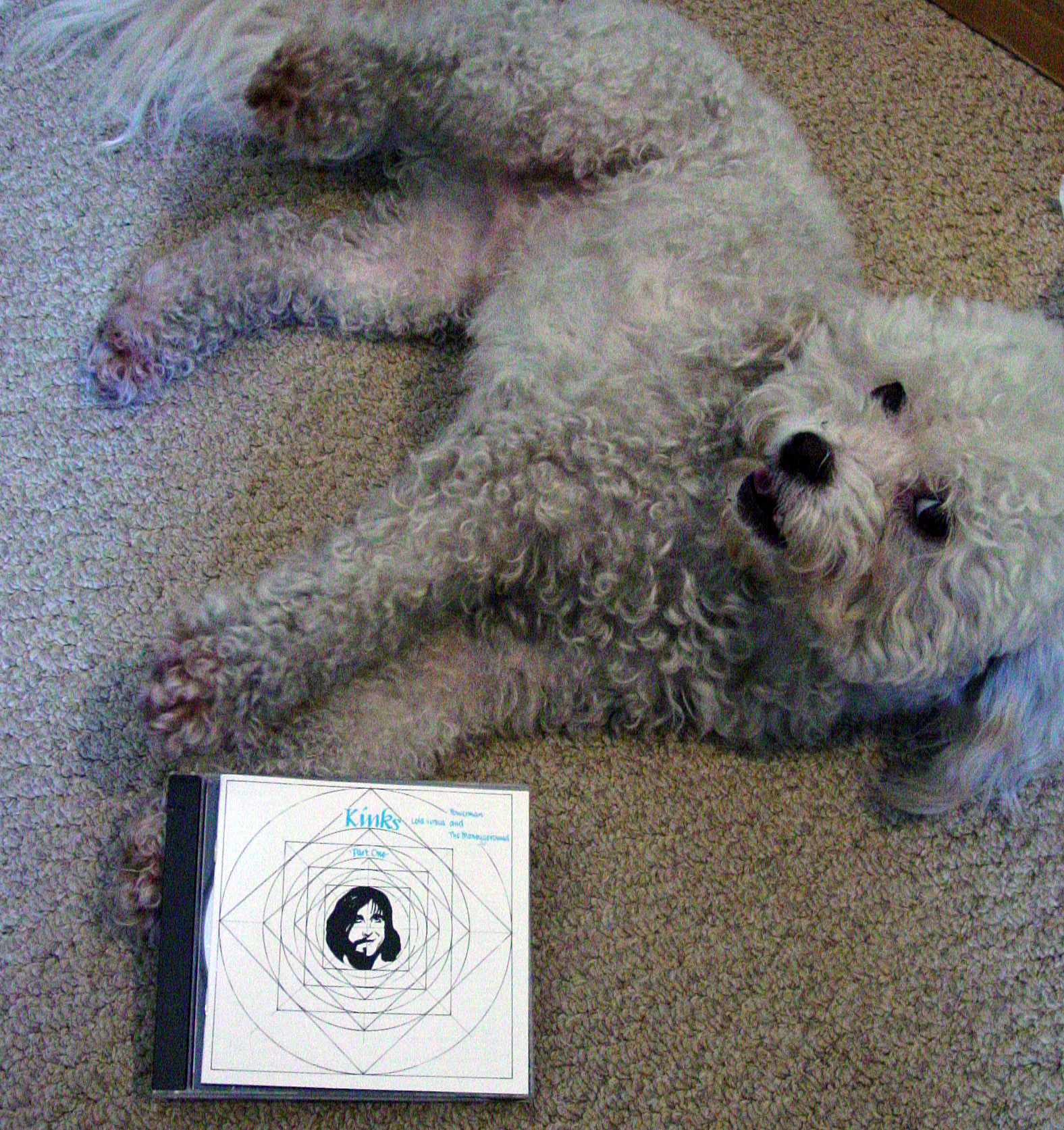
Ringo + Rick AstleyRick Astley’s “Never Gonna Give You Up” has the power to turn dogs gay.

SAW sold 40 million records. In their home country of the United Kingdom they landed over 100 top 40 singles. If you’re an American and you’ve always wondered why every British man you meet seems gay, now you know why. They are.

The trio’s scientific formula also had an effect on the acts they produced. Kylie Minogue went from Australian soap opera star to gay icon. Samantha Fox went from being a nice teenage girl whose topless photos, taken by her father, appeared in British newspapers to being one-half of a same-sex marriage. Pete Burns of Dead or Alive has yet to be an L, but he has variously been a G, B or T. Divine became more divine.

SAW produced UK top ten hits for such unforgettable performers as Hazell Dean, Princess, Phil Fearon, Pepsi & Shirlie, Sinitta, Jason Donovan, Pat & Mick, and Brother Beyond. Emboldened by their success, in 1989 the trio tried their hand at producing someone talented. The result was Donna Summer’s first US top ten single in six years, “This Time I Know It’s For Real.” America was gayer.

Their work now done, the trio split up their partnership. In 1994, Stock and Aitken reunited for one more experiment – to up the gay factor of Bonnie Tyler’s “Total Eclipse of the Heart.” This resulted in a worldwide top ten single for the inimitable Nicki French, who went on to perform at Gay Pride events around the globe.

Per Dr. Баграмя́н, during the ten years between 1984 and 1994 Stock, Aitken and Waterman are responsible for making 577.1 million men around the world gay, thus increasing the popularity of mimosas.

The pop charts have been less gay over the last twenty years, due to a variety of factors (lawsuits, government intervention, Hinder). Today Tunes du Jour celebrates the birthday of Mike Stock and salutes his groundbreaking work in gay recruitment. Listen to this playlist of twenty of his records and be transformed. See you Sunday at The Abbey.

Click here to like Tunes du Jour on Facebook!

Click here to learn more about reparative therapy.

Winston + Bette

Bette Midler’s “Friends”

Winston + Bette
Before her hit records and Radio City Music Hall performances, Bette Midler entertained at the Continental Baths, a New York City bathhouse frequented by gay men. In her repertoire was the song “Friends,” written by Mark “Moogy” Klingman and Buzzy Linhart.

“You’ve got to have friends.” That’s true now and it was true when she sang it in 1972. The song’s lyrics resonated with her audience. It was the early days of the gay liberation movement, and our friends often played the roles that would for straight folks be filled by family.

The lyrics seemed prescient the following decade. The poignancy of Midler singing the lines “I had some friends but they’re gone / Somethin’ came and took them away” at the onset of the AIDS epidemic was deeply felt by those remaining from her early core audience.

On December 1, World AIDS Day, we remember those friends we lost.

December 1 is also Bette Midler’s birthday. Here are twenty of my favorite selections from her vast repertoire.

Click here to like Tunes du Jour on Facebook!

Ringo + Billy Idol

Punks And Lesbians

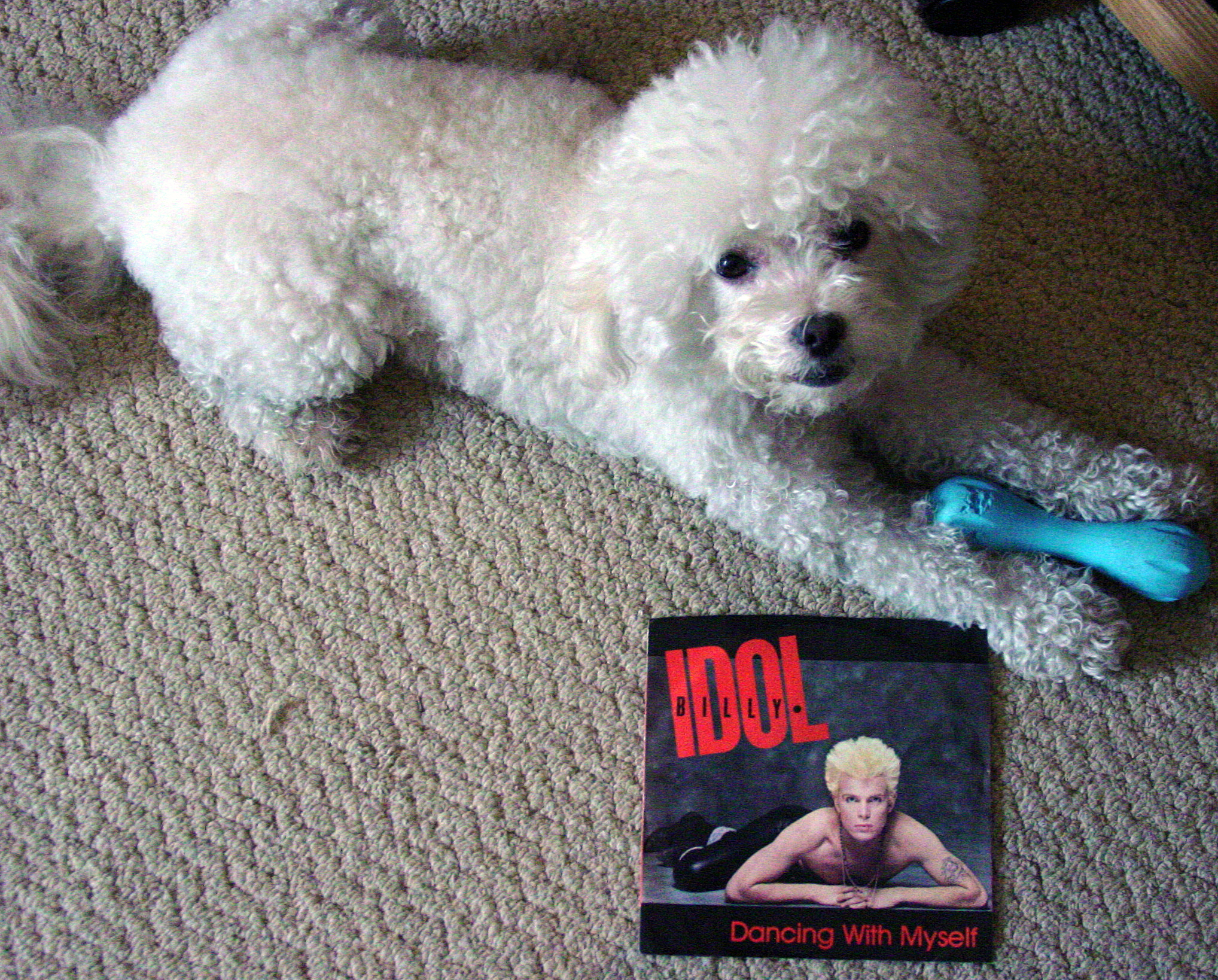
In the early days of London’s punk rock movement, around 1976, there were no punk clubs per se, so the punks needed somewhere to congregate where they can be who they are and dress how they dress without fear of being hassled. They found such a place at Club Louise, a lesbian bar that also welcomed gay men and punks, just off Oxford Street in London’s Soho district. Billy Idol hung out there every night. Other regulars included Johnny Rotten, Sid Vicious, Paul Cook, Siouxsie Sioux, Malcolm McLaren, Vivienne Westwood, members of The Clash and members of The Slits. Writes Billy Idol in his recently-released autobiography Dancing With Myself, “[Louise’s] was a much-needed haven. Back then, the way we dressed would have started a riot if we had set foot in any normal club or pub.”

Idol discusses Louise’s as ground zero for the punks’ plans. “We all congregated there, drinking and socializing, plotting our rebellion. It was our midnight meeting place, our sanctuary. We all walked the same path at that time. Many of the classic-rock bands talked about musicianship but had little to offer us, the disenfranchised and disenchanted… As the gay ladies danced and loved one another, we devised our plans and consolidated a movement. By being like-minded, we ruled the night. We would rock London to its core. The lesbian bar was our spiritual ‘upper room,’ and we, the new aristocracy of the poor, knighted with fire, sallied forth and followed Johnny Rotten into the unknown!”

New York City’s punk scene was similar. Club 82, a drag queen/transsexual bar, was one of the few public places where punks could perform in the early to mid-1970s. The club always welcomed the outcasts, so the punks were part of the family. Other gay bars opened their doors to punks as well. These not only were places that accepted those who are “different;” gay bars also were places where people could experiment with their appearance.

Idol explains the bond between the punk rockers and the LGBT populations by quoting a figure from American history. “Benjamin Franklin once offered advice to his fellow revolutionaries: ‘We must all hang together, or assuredly we shall all hang separately.’ We were a small group of people bored with the repeated clichés of modern life and its stagnant, putrid waters. That is what brought us — and ultimately bonded us — together.”

Ringo + Billy Idol
Today Billy Idol turns 59 years old. Here are twenty career highlights.

Click here to like Tunes du Jour on Facebook!

It’s Berry Gordy’s Birthday And I Need To Dance!

It’s interesting that Berry Gordy, the head of Motown Records who in 1970 told his top male vocalist Marvin Gaye that the new song Gaye had written, “What’s Going On,” was “the worst thing I ever heard in my life” and that he shouldn’t do protest songs, would five years later have Motown be the first major label to release a pro-gay anthem.

Bunny Jones, a heterosexual Christian woman, owned several beauty salons in Harlem. Most of her employees were gay. Seeing how they needed to suppress their natural selves and being aware of the issues they faced, she wrote song lyrics about a man who says he’s “happy, carefree and gay,” the way God made him.

Set to music written by Chris Spierer, also straight, Jones looked for a male vocalist to record her song. After catching a performance of Hair at the Westbury Music Fair, she approached one of the show’s actors, Charles “Valentino” Harris, and told him of the song.

In 1975, at age 22, Valentino recorded his only record, a single entitled “I Was Born This Way.” Jones released it on a label she started, named Gaiee. On her own she sold 15,000 copies of the song. This got the attention of Berry Gordy, whose Motown Records picked up the single for distribution.

Valentino’s record got some club play, particularly in the UK where it was a #1 disco hit.

Two years later Motown approached a gospel singer named Carl Bean and asked him if he would record a new version of “I Was Born This Way.” Unbeknownst to Motown, Bean was gay. In early 1978, Bean’s version of the tune reached #15 on the Billboard Disco chart.

The song has since become something of a classic. Two years after Bean’s success with “I Was Born This Way,” Motown released Diana Ross’ “I’m Coming Out.” It would hold the #1 position on the Disco chart for five weeks and have much crossover success at pop and r&b radio as well.

Today Berry Gordy celebrates his 85th birthday. Friday is dance day at Tunes du Jour. Here are twenty of Motown’s best disco/dance tracks from the 1970s thru 1990.

Click here to like Tunes du Jour on Facebook!

Ringo + Björk

It’s Björk’s Birthday And I Need To Dance!

“I think everyone’s bisexual to some degree or another; it’s just a question of whether or not you choose to recognize it and embrace it. Personally, I think choosing between men and women is like choosing between cake and ice cream. You’d be daft not to try both when there are so many different flavors.”
– Björk, Diva Magazine, October 2004

I love cake, but I prefer ice cream. I’m not into vanilla – it’s too…vanilla. I’ll eat it if there are no other options, but I prefer chocolate. I could eat a big dish of chocolate ice cream every night and never tire of it.

However, my favorite flavor is chocolate chip mint. Everything is better with a hint of mint. Chocolate and mint together? If one has that at home there is no reason to ever leave the house.

Dulce de leche is next on my list. Mmm mmm. That sweet caramel makes my tongue so damn happy! Throw a little hot fudge and whipped cream on top and it’s the perfect late night snack to enjoy before dozing off to sleep.

While I prefer ice cream, I enjoy going to a good bakery to check out the cakes. As with ice cream, I love the chocolate cakes. (“Chocolate Cake,” by the way, is the title of an underrated song by Crowded House.)

I like many cakes, but I don’t care for fruity ones. I’m not referring to fruitcake. I have no idea what a fruitcake is; it’s something I’ve heard used as a punchline on Christmas specials, but I don’t think I’ve ever encountered one in real life. I’m referring to cakes that have jelly in them, or strawberries or anything else that may be construed as healthy. It’s a friggin’ cake! Don’t be getting your healthy fruits mixed up in my cake. A banana is welcome, but that’s it. Chocolate and banana is a combination I love. Add a hint of mint and I’m all set.

Ringo + Björk
Today Björk turns 49 years old. Celebrate with some cake and ice cream. Our weekly dance party kicks off with her first post-Sugarcubes single, “Human Behaviour.”

Click here to like Tunes du Jour on Facebook!

Winston + Pride 2014-06-27 15.13

It’s Friday And I Need To Dance!

Today is the 27th of June. Only three more days of Gay Pride month and then I can go back to my self-loathing. Phew!

New York has their big Pride celebration this weekend. While I enjoy Pride here in West Hollywood, it’s nothing compared to the revelry in my former home of Manhattan.

The Los Angeles Pride parade here in WeHo goes for around two miles and lasts a couple of hours. If memory serves, New York’s parade is five or so miles long and lasts for around 168 hours. WeHo’s parade consists of a handful of politicians, floats for clubs I never heard of, some folks who are legends in their own minds, and a lot of lesbians on motorcycles. NYC’s parade consists of many political groups, many religious organizations, important social clubs such as Lesbians for Patsy Cline and Queens Against Brunch, and a hell of a lot of lesbians on motorcycles.

The list of Grand Marshals of NYC’s parade over the past ten years includes Dustin Lance Black, screenwriter of the Academy Award-wining film Milk; Lt. Dan Choi, a member of the US Army who served in Iraq, came out a gay, and challenged the Don’t Ask Don’t Tell policy; Dan Savage, creator of the It Gets Better Project, designed to dissuade LGBT youth from suicide as the answer to school bullying; Edie Windsor, the plaintiff in the United States v Windsor Supreme Court case which led to part of the anti-gay Defense of Marriage Act being struck down as unconstitutional, paving the way for the legalization of same-sex nuptials; Cleve Jones, the LGBT and AIDS activist who, among other things, conceived of the Names Project AIDS Memorial Quilt and co-founded the San Francisco AIDS Foundation in 1983; Constance McMillen, the high school student who sued her school in Mississippi when they refused to allow her to bring her girlfriend to the school prom; and Judy Shepard, the mother of Matthew Shepard, whose murder for being gay led to expanded hate crimes legislation to cover sexual orientation.

The list of LA’s Grand Marshals over the past ten years includes Paris Hilton, who is very wealthy and said “Gay guys are the horniest people in the world. Most of them probably have AIDS … I would be so scared if I was a gay guy … you’ll like die of AIDS;” Sharon Osbourne, who is very wealthy; Chelsea Handler, the television personality who dated 50 Cent, the grammatically-challenged former superstar who tweeted “If you a man and your over 25 and you don’t eat pussy just kill your self damn it. The world will be a better place. Lol;” and Demi Lovato, who had a gay grandfather. In 2007 we found an actual gay to be our Grand Marshall – John Amaechi, the first openly-gay former professional basketball player. In 2011 we found another one – Johnny Weir, the celebrated figure skater who smashed all the macho stereotypes of that profession. To be fair, I know how difficult it is to select the appropriate person to be our Grand Marshal. It’s not easy to find an openly gay person in Los Angeles; that’s why I’m still single.

Winston + Pride 2014-06-27 15.13

As the organizers of LA’s Pride Parade begin their search for next year’s Grand Marshal (may I suggest Vladimir Putin?), lock the doors, lower the blinds, fire up the smoke machine and put on your heels, because we’re gonna have a kiki. Dive, turn, werk.

Ringo + Kinks 2014-06-21 15.25

A Hint Of Mint: The Kinks’ “Lola”

The Kinks were part of the British Invasion of 1964. Alongside UK bands such as The Beatles, The Rolling Stones and The Dave Clark Five, The Kinks scored eight US Top 40 singles between 1964 and 1966, including the classics “You Really Got Me” (#7, 1964), “All Day and All of the Night” (#7, 1965) and “Tired of Waiting for You” (#6, 1965). After “Sunny Afternoon” peaked at #14 in 1966, the hits dried up. Their highest-charting single in 1967 was “Dead End Street,” which reached #73. They didn’t place any singles on the Hot 100 in 1968 or 1969. Their fortunes reversed in 1970.

Per the book The Kinks: The Official Biography, the band’s lead singer and chief songwriter Ray Davies came up with a song after a night out with the group’s manager, Robert Wace. Wace spent the evening dancing with a woman he met, and told Davies he was falling for her. When morning rolled around Ray noticed the woman had stubble on her face. In the song, Ray plays the part of Wace and the “woman” is given the name Lola.

Ringo + Kinks 2014-06-21 15.25
The song’s narrator recounts his meeting Lola in a club where everything is not what it seems. The champagne tastes like Coca-Cola (the BBC forced Davies to change the reference from Coca-Cola to cherry cola so as to not violate their policy against product placement) and the dancing happens under electric candlelight. Amidst these ambiguities he meets Lola, a woman who squeezes him so tight she nearly breaks his spine. A woman who “walked like a woman and talked like a man”. Our narrator is confused but continues to dance with Lola, who invites him to go home with her. He is falling for her, which frightens him, so he heads for the exit. Then he has second thoughts, turn back to Lola, and their eyes lock. He decides “that’s the way that I want it to stay and I always want it to be that way for my Lola.”

Accepting his destiny, he observes “Girls will be boys, and boys will be girls. It’s a mixed up, muddled up, shook up world, except for Lola.” Lola knows exactly who he/she is.

We then learn that our narrator was a virgin who first left his home a week prior, to which Lola responds “Little boy, gonna make you a man.”

Then we get one of my favorite lyrics ever. The narrator sings “I know what I am and I’m glad I’m a man, and so is Lola.” Lola is a man? Lola is glad the narrator is a man? The ambiguity of the character of Lola is reflected in the lyrics of “Lola.”

This is amazing songwriting. It is also amazing that this tale of a transvestite, not a popular song character today let alone in 1970, gave the Kinks their first huge hit in years and became an enduring staple of classic rock radio. The single went top ten in the United States and throughout Europe, hitting #1 in Ireland, Italy, the Netherlands, New Zealand and South Africa. The song made Rolling Stone magazine’s list of the 500 Greatest Songs of All Time.

Today Ray Davies turns 70 years old. Here is some of his best work.

Winston + Village People

“Go West” a/k/a It’s Gay Pride Weekend And We Need To Dance!

Winston + Village People
In 1979, the Village People released “Go West,” a celebratory disco romp whose message to listeners in the know was “go west, young man, to San Francisco, a utopia for gays.” The lyrics included “Together we will love the beach / Together we will learn and teach.” And “I love you, I know you love me. I want you happy and carefree / So that’s why I have no protest when you say you want to go west.”

San Francisco was a popular gay destination and in 1977, home to the nation’s first openly gay elected official, Harvey Milk.

In 1993, Pet Shop Boys released their cover of “Go West.” They kept all the Village People’s lyrics and they kept the dance beat, yet their version has a tinge of melancholy.

The duo’s Chris Lowe explained “When the Village People sang about a gay utopia it seemed for real, but looking back in hindsight it wasn’t the utopia they all thought it would be.”

Tunes du Jour readers – join me as we go back in time and look at the evolution of a gay dance classic.

Disco music was born in the early seventies in black, Hispanic and gay clubs. As explained in The Queer Encyclopedia of Music, Dance and Musical Theater, “Perhaps no other popular art form is more closely identified with gay culture than disco and dance music. Gay men in particular adopted the intense, loud, thumping 4/4 beat of the dance music predominantly at the bars and discos that were among the few places where they could openly express their sexual identities in the 1970s and 1980s. As the musical backdrop for generations of gay men who came of age is such venues, dance music became inextricably connected with the gay experience.”

Disco really hit the mainstream in 1977 with the release of the film Saturday Night Fever, based on a magazine article. The film’s soundtrack album became the biggest-selling album of all time in the United States, a record it held until Michael Jackson’s Thriller surpassed it.

As disco became a major commercial force, many rockers, including The Rolling Stones, Rod Stewart and Kiss, turned to the genre to score some of the biggest hits of their careers.

In June of 1978, the Village People entered the pop top 40 with their first crossover hit, “Macho Man.” Hard as it may be to believe, most people at that time had no idea they were gay, despite the costumes and despite song titles such as “Hot Cop,” “San Francisco,” “Sodom and Gomorrah,” “Key West” and “Fire Island.” Everyone in the whole family enjoyed their second hit, “Y.M.C.A.,” where one can “hang out with all the boys.”

In March of 1979 the group scored their third hit single in under a year – “In the Navy.” The U.S. Navy considered using it as a recruitment theme. Said a Navy spokesperson, “The words are very positive. They talk about adventure and technology. My kids love it.”

During the Seventies San Francisco remained a popular destination for gays. A report by Alfred Kinsey in the early 1970s found: “San Francisco is generally considered the best city in the U.S. for homosexuals. It was partly due to the city’s ‘tradition of tolerance.’ Another factor was the city’s size and geography, as it is smaller and less residentially dispersed than New York or Los Angeles, which made it “more conductive to a tightly knit homosexual community.”

In March of 1978 the San Francisco Board of Supervisors passed “the most stringent gay rights laws in the country.” Elsewhere in the U.S., the few existing gay rights laws were rapidly being repealed.

In June of 1978 San Francisco’s Gay Freedom Day Parade drew approximately 350,000 marchers.

On May 21, 1979, Dan White, the assassin who killed gay rights leader Harvey Milk as well as San Francisco’s mayor, was sentenced to only seven years and eight months in prison. The verdict led to massive riots in that city in which demonstrators burned a dozen police cars and more than 160 people, including 50 policemen, were injured. This happened just days after the Village People released their follow-up to “In the Navy,” “Go West.” Suddenly, San Francisco didn’t seem as peaceful and idyllic as it does in that song.

A few weeks later, a disc jockey from a Chicago rock radio station hosted an anti-disco demonstration at Comiskey Park between two baseball games in a double-header. Tens of thousands of people brought disco records to be set ablaze in center field while the crowd chanted “disco sucks.” I’d posit that this was in effect an anti-gay anti-black demonstration by white heterosexual rock fans.

Authors Andrew Edelstein and Kevin McDonough agree. In their book The Seventies they wrote “If you were a white, heterosexual teenage male who preferred to wear jeans and a t-shirt and sit passively at a stadium-size rock concert, then disco could be an especially threatening experience.”
After the Comiskey Park demonstration, disco quickly went back underground and was heard primarily in gay clubs. It soon came to be called house music and hi-nrg.

It should be noted that while rock fans tried to kill disco in the U.S., it stayed popular in the U.K., Europe, and elsewhere in the world.

The 1980s brought about the rise of the so-called Moral Majority in the United States. Not coincidentally, it also brought the scourge that came to be known as AIDS, which initially hit the gay population hardest. Homophobia contributed to a delayed response by the government.

Ten years into the AIDS epidemic there was still no sign of an effective treatment or cure.

In 1992 the British duo Pet Shop Boys were invited to perform at an AIDS fundraiser. Chris Lowe came up with the idea to do the Village People’s “Go West.” He played the record for his singing partner, Neil Tennant, who called it “ghastly” and “awful.” He got more into it when he thought about what he and his partner could bring to it, including the addition of “a big choir of butch men.”

A year later, the Boys released their studio recording of the song, complete with the big choir of butch men. In the context of the AIDS pandemic and the devastation it caused, particularly to the gay population, the song “Go West” takes on a different meaning than it did in 1979. As the website Shmoop puts it, “The sunny utopia the Village People had once sung of was literally full of sick and dying people; hospital beds in San Francisco were full of dying patients and there seemed to be no end in sight.”

The spread of AIDS led to a rise in gay activism, which is acknowledged in a verse the Pet Shop Boys added to their version: “There, where the air is free, we’ll be what we want to be / Now, if we take a stand, we’ll find our promised land.”

Of this record, Wayne Studer, in his book Rock on the Wild Side, a collection of songs by or about gay males, wrote “As the Boys do it, ‘Go West’ becomes an eerily uplifting disco dirge, both happy and sad at the same time. Extraordinary.”

Both the Village People’s and Pet Shop Boys’ “Go West” failed to cross over to the Top 40 of the U.S. pop charts; however, both were hits in the dance clubs, with the Pet Shop Boys version going to #1 on the U.S. Dance Club chart. The Pet Shop Boys version did make the top ten pop charts in the U.K., Germany, France, Austria, Sweden, Switzerland, the Netherlands, Norway, Ireland, Italy, Japan and Australia.

It was around this time that Neil Tennant, the duo’s usual vocalist and lyricist, came out, to the surprise of nobody.

“Go West” was the second single released from the group’s fifth album, Very, an album that is included in the book 1001 Albums You Must Hear Before You Die. The opening line of the book’s write-up is “Though the Pet Shop Boys had always been really gay, Very was their first really, really gay album – and their first U.K. number 1.”

Very produced four top ten club hits in the U.S., including two #1’s – “Go West” and “Can You Forgive Her?”

In 2008 Australian web-site SameSame polled their listeners to find the “gayest songs of all-time.” Pet Shop Boys’ “Go West” came in at #6. The Village People’s “In the Navy” was #18, their “Macho Man” was #16, and their “Y.M.C.A.” was named the second gayest song of all-time, kept from the top spot by ABBA’s “Dancing Queen.”

Pet Shop Boys’ album Very made Out magazine’s list of the Gayest Albums of All-Time. It also made British music magazine Q’s list of the 100 Greatest British Albums Ever. It has sold over five million copies worldwide.

Where has “gay music” come since the release of Very? Here are two interesting facts: the very first openly gay artist to have a #1 album in the U.S. was Adam Lambert, and that happened just two years ago. One year earlier, a song went to #1 on the U.S. pop charts and stayed there for six weeks – a song that explicitly called on gays, lesbians, bisexuals and transgenders to love who they are, ‘cause baby we were born this way.

As for the key players in my story, Pet Shop Boys have sold over 50 million records worldwide, had twenty-two top ten hits in the U.K. thus far, and won Outstanding Contribution to Music at the 2009 BRIT Awards, England’s equivalent to the Grammys. Their most recent album, 2013’s Electric, hit #3 on the UK album chart. It included the single “Vocal,” a top three club hit stateside.

The Village People still tour with three of their original members. They have sold over 100 million records.

Despite the efforts of some folks, disco, while suffering some setbacks, didn’t die. As a matter of fact, one of last year’s most popular hits was Daft Punk’s “Get Lucky,” a disco-influenced record featuring guitar work by Nile Rodgers of the seventies disco band Chic.

Similarly, despite the efforts of some folks, the LGBT populations, while suffering some setbacks, continues to make great strides toward equality and respect.

Should you attend this Sunday’s Gay Pride Parade in West Hollywood, or any Gay Pride Parade this season, you will hear coming from many floats disco and house music, for that is the soundtrack of our movement.

I wish all my readers a very happy Pride. Dance!
LGBT Pride And Black Music Month

June is LGBT Pride Month. June is Black Music Month. June is Audiobook Month. June is busting out all over.

For eleven months out of the year I stay in the closet and listen to Mantovani while reading actual books, but in June I am Marvin with a capital Gay.

Tunes du Jour will celebrate LGBT Pride and Black Music all month long (you’re on your own for Audiobooks). Here is a sampler to kick off the celebrations.

<iframe src=”https://embed.spotify.com/?uri=spotify:user:tunesdujour:playlist:7k4gfohaIt1IeiCz0SswPC” width=”300″ height=”380″ frameborder=”0″ allowtransparency=”true”></iframe>


Winston + U2

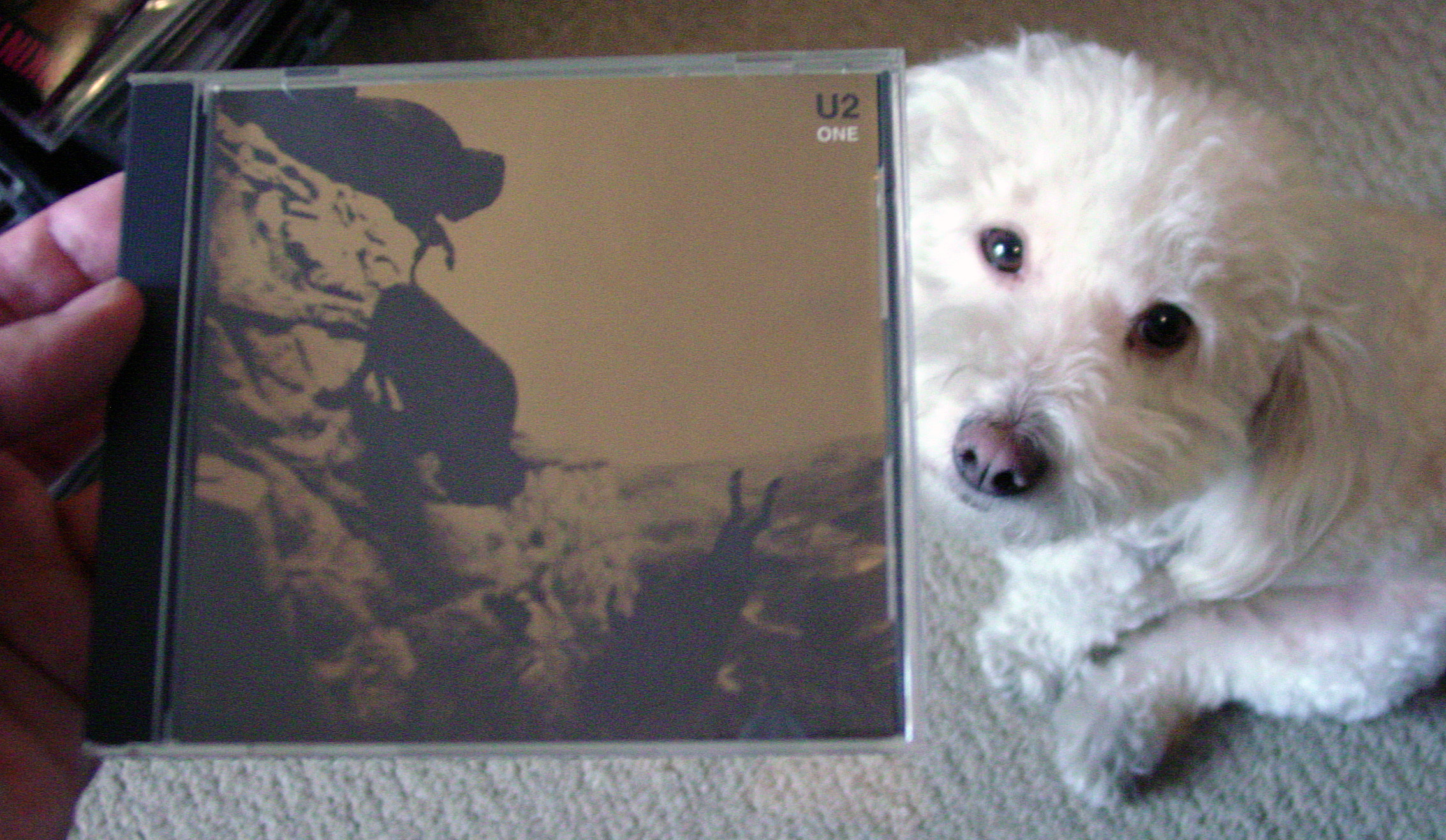
A Hint Of Mint: U2’s “One”

Winston + U2
A 2003 special edition of Q magazine listed the 1001 Best Songs Ever. At #1 was U2’s “One.” The then eleven-year-old single was also named Song of the Year by the readers of Rolling Stone in their 1992 year-end issue.

Deciding whether or not “One” is the best song ever is too stressful on this writer, who has been spending several years trying to compile his 100 Greatest Albums list. But I can say this – there are very few songs that still make me cry after hearing them 4,304 times. “One” is one.

Perhaps you’ve heard the song 4,304 times but never paid close attention to the words. Bono, who wrote the lyrics, said the song is about the father/son relationship. Let’s explore this. Let’s say the son is gay and the father is a religious man who chooses to interpret the Bible as saying God thinks homosexuality is a sin. The father was not supportive of his son when his son came out to him. Now the son has AIDS. He told his father. “One” is the son expressing to his dad the emotions about their relationship previously bottled up.

The song opens with the son asking his dad if the anger he had towards his son upon learning he was gay has subsided any. “Is it getting better or do you feel the same?,” he asks. Bitter about his father’s previous rejection, he makes a dig at the man’s homophobic feelings – “Will it make it easier on you now? You’ve got someone to blame.”

“You say ‘one love, one life.’” The one acceptable love is of the heterosexual variety and you have only one life in which to find it.

The son is angry and bitter, but mostly hurt. He asks his dad “Did I disappoint you or leave a bad taste in your mouth?” That line is followed by the indictment “You act like you never had love and you want me to go without.” Would a father really prefer his son not find love than find love with another man? I know that happens but I find that incomprehensible. How can a parent be that way toward their own child? That chokes me up.

Knowing he has AIDS and feeling the clock is ticking, the son is looking to not rehash the old wounds between the two of them. “Well it’s too late tonight to drag the past out into the light.” This is followed by the first time Bono sings the line “We’re one but we’re not the same.” In this case, it means we are of the same family, but we’re very different as people. “We get to carry each other, carry each other.” That is what families do. Parents are supposed to take care of their children and children should take care of their parents.

Now that the son is living with AIDS is his father expecting him to apologize for the life he led and tell the dad he was right? “Have you come here for forgiveness? Have you come to raise the dead? Have you come here to play Jesus to the lepers in your head?”

We already see the child is angry and hurt, but the next lines really drive it home. “Did I ask too much? More than a lot? You gave me nothing; now it’s all I got.” The son just wanted his father’s love and support, but his father refused to give it. The line “We’re one but we’re not the same” is repeated, but now it is followed by “We hurt each other, then we do it again.” This is the cycle of their adult relationship.

The son’s fury at his dad using religion to justify his intolerance is expressed in the next verse. “You say love is a temple, love a higher law,” followed shortly after by the son’s incredibly painful accusation “You ask me to enter but then you make me crawl.”

The song/conversation ends with the sentiment that one must be true to one’s self and not live according to someone else’s beliefs. This is aimed not at this one father, but at all human beings. “One life – you got to do what you should. One life with each other. Sisters, brothers.”

Bono told Los Angeles Times writer Robert Hilburn “I had a lot of things going on in my head at the time, about forgiveness, about father and son angst…It is a song about coming together, but it’s not the old hippie idea of ‘Let’s all live together.’ It is, in fact, the opposite. It’s saying, ‘We are one, but we’re not the same.’ It’s not saying we even want to get along, but that we have to get along together in this world if it is to survive. It’s a reminder that we have no choice.”

“One” was the third single released from U2’s Achtung Baby album, presently #26 in my Top Albums list. The band’s royalties from sales of the single were donated to AIDS research organizations for each country in which the single was released.

The photograph used on the single’s cover was taken by openly-gay HIV-positive artist David Wojnarowicz. Per the liner notes, it depicts “how Indians hunted buffalo by causing them to run off cliffs.” Wojnarowicz related to the buffalo. He died of complications from AIDS in 1992. He was 37.

Today Bono turns 54. Grab a couple of tissues and give another listen
to “One,” which kicks off today’s playlist.