A Soulful Christmas Playlist

TRIVIA QUESTION: Who was the first woman to hit the top ten on the Billboard Hot 100 with a song she wrote herself?

ANSWER: Carla Thomas. She was 16 years old when she wrote “Gee Whiz (Look at His Eyes),” which hit #10 in 1961. Today she turns 72.

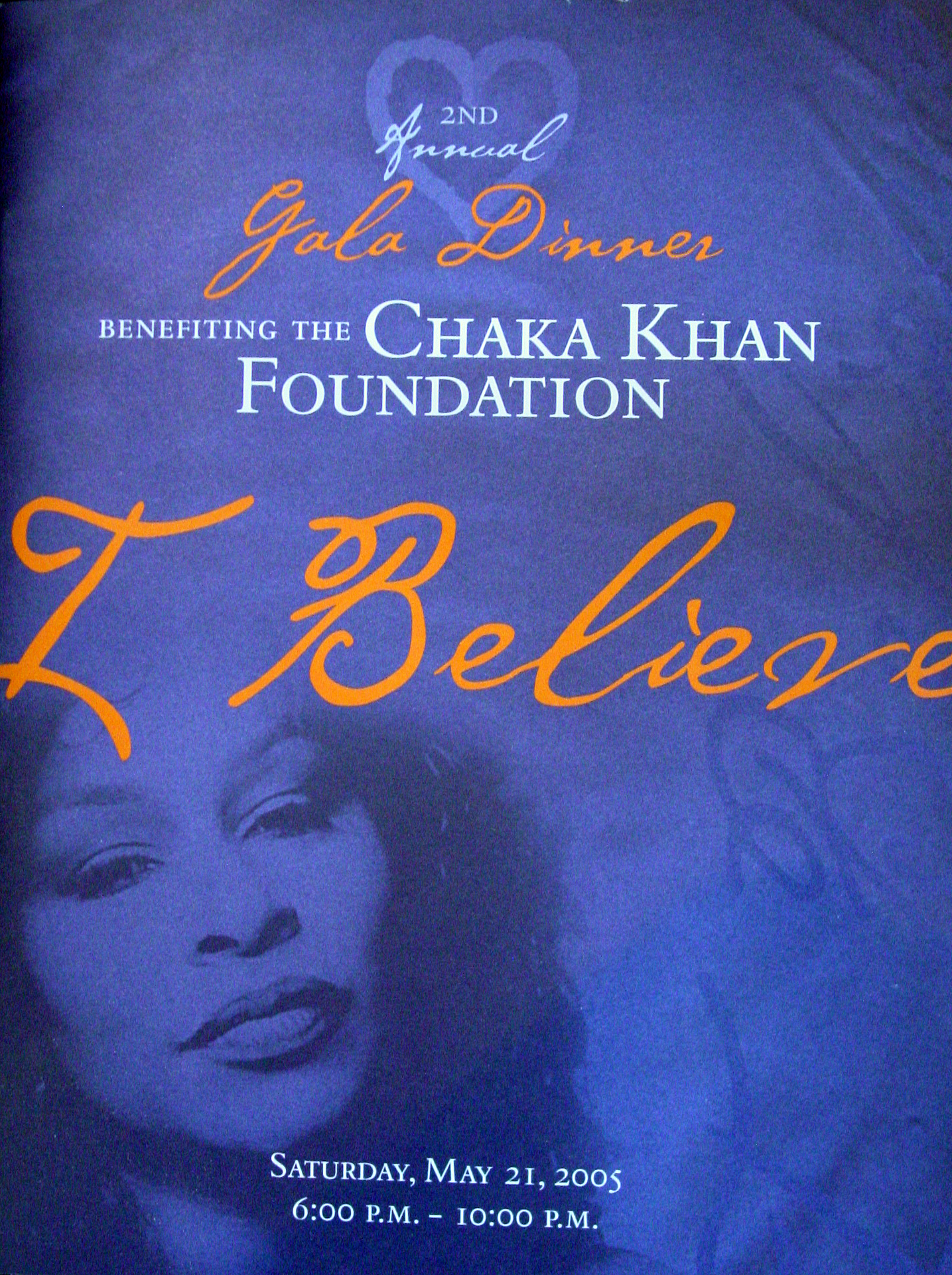
In 1963, Thomas incorporated the title of her first hit into a seasonal offering, “Gee Whiz, It’s Christmas.”

“Gee Whiz, It’s Christmas” inspires today’s playlist – fifty great soul and r&b Christmas jams, with some fun extra treats thrown in.

Click here to like Tunes du Jour on Facebook!

doggies + Radio Head 2014-10-07 11.09

Precious and Phew! (And Radiohead)

I need to do more cardio. I am presently at 19% body fat, which is fine compared to the general population, but in the gay world that makes me Precious.

I like doing cardio. I made a great workout playlist (lots of Robyn, Prince, The Partridge Family and Pet Shop Boys) and I have excellent headphones. I invested in a pair of Bose Quiet Comfort noise-cancelling headphones. When I have them on all other sounds are blocked, so I can get lost in “When Doves Cry” or “I Think I Love You” and not be distracted by people asking me how much longer I’ll be on the elliptical or by the music the gym pumps, which is often Enrique Iglesias and Pitbull. I can’t listen to Pitbull for health reasons. I’m lactose-intolerant.

The headphones are great on planes as well. I recently flew to New York and boy, are my arms tired from throwing them in the air to the rhythms of my great travel playlist (lots of Beatles, Gladys Knight & the Pips, Bay City Rollers and Pet Shop Boys). Even with the volume relatively low I couldn’t hear the plane engines or the hysterical woman next to me.

She seemed fine when the plane took off, but at some point when I was lost in “Paperback Writer” or “Midnight Train to Georgia” or “Rock and Roll Love Letter” or “Go West” she lost her shit. I only noticed because a flight attendant tapped me to see if I’d like to buy some crackers (as if I could afford those extra calories!). When I pulled off the headphones to say “What?,” I heard my fellow passenger crying hysterically to two other flight attendants, between sobs saying “I’ve got to get off this plane. Now!” They tried to calm her down, even offering her free crackers, but she retained enough of her wits to point out that crackers do not alleviate a fear of heights or enclosed spaces. She went into the bathroom and everyone sitting in the last seven rows could hear her screaming. It was very sad – nobody else had noise-cancelling headphones so they had to endure her hysterics. I put my pair back over my ears. “S-A T-U-R D-A-Y night!”

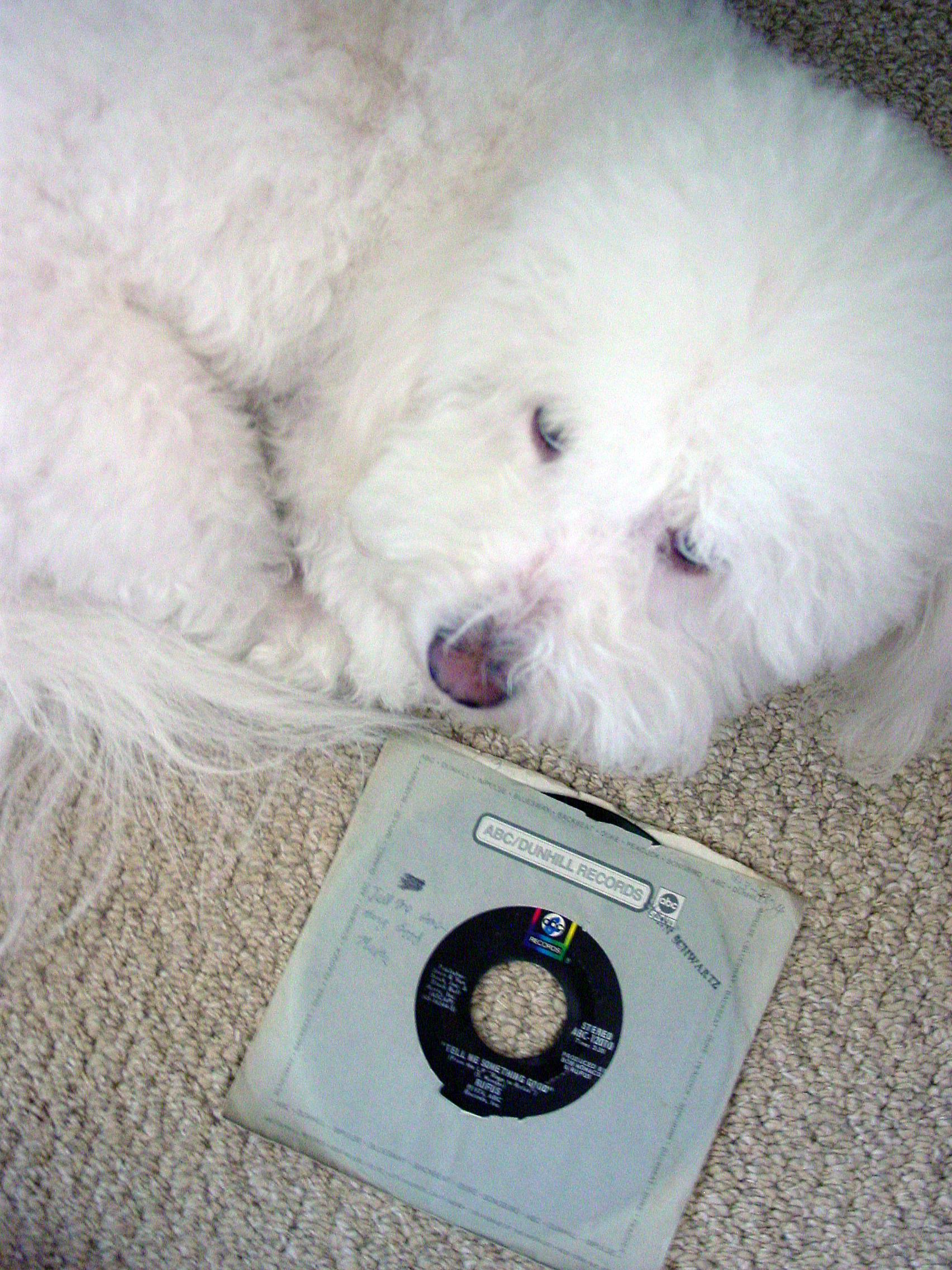
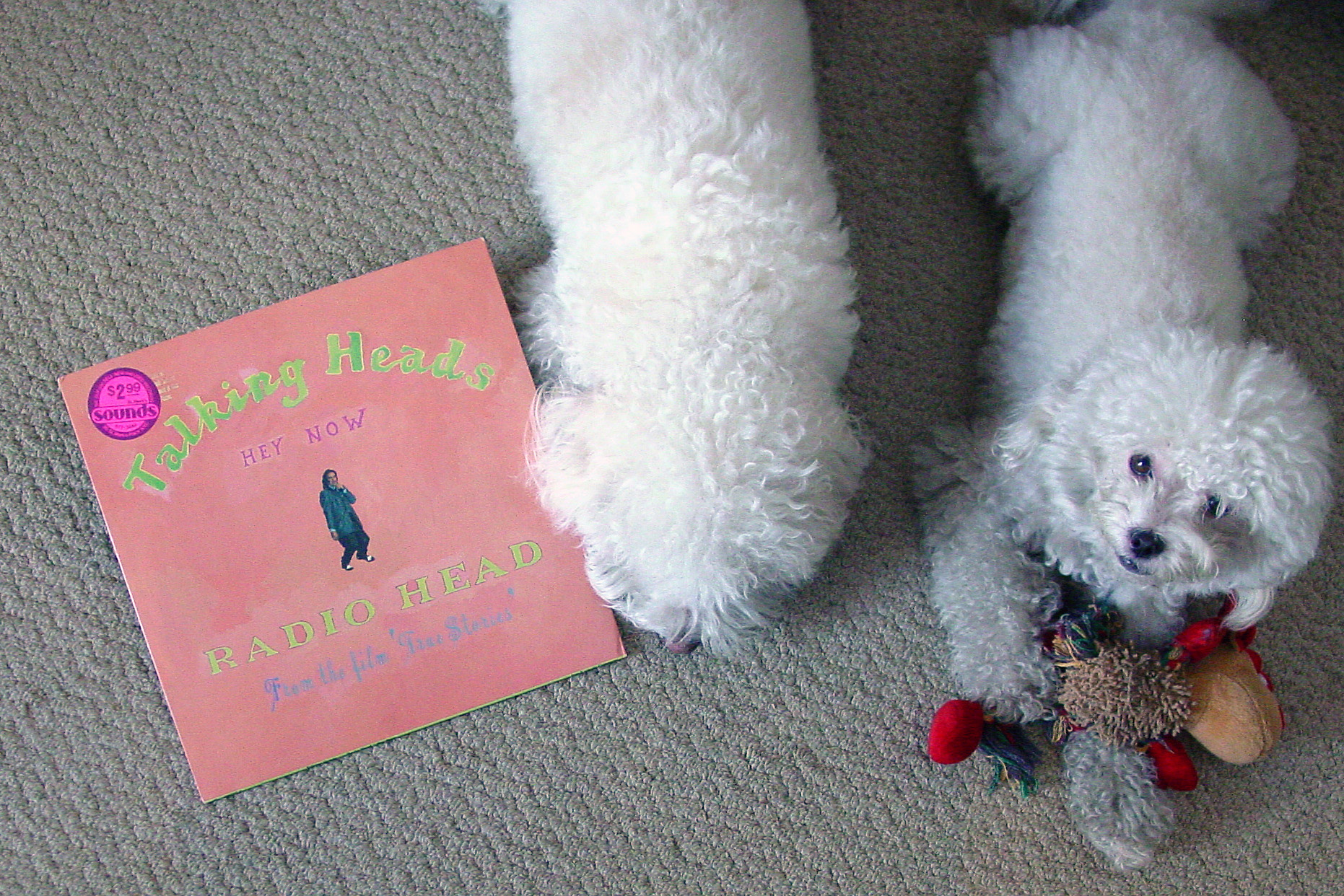
doggies + Radio Head 2014-10-07 11.09The only Radiohead I have on vinyl

One group not on my workout playlist but on my travel playlist is Radiohead. (How’s that for a segue?) Did you know they got their name from a Talking Heads song? Yep. Today is the birthday of lead singer Thom Yorke, who released a new solo album, Tomorrow’s Modern Boxes, last month. Today’s playlist consists of twenty songs not on that album.

Click here to like Tunes du Jour on Facebook!

Ringo + Barry White 2014-09-11 13.53

It’s Barry White’s Birthday And I Need To Dance!

Sometime in the 1950s, a man named Peter Sterling Radcliffe wrote a country song he called “You’re My First, You’re My Last, My In-Between.” For years he tried to get someone to record it but nobody was interested. Years later, Radcliffe was introduced to Barry White by arranger Gene Page. In the 1960s White was a session musician and producer who worked on records with The Bobby Fuller Four, Bob & Earl, Jesse Belvin and Viola Wills.

One Christmas when White was unable to buy Christmas gifts for his children, Radcliffe stepped in and bought toys for the kids. Relaying this story during an interview, White told the journalist “I was so grateful for that and said I would pay him back one day.”

In 1972, Barry White wrote, produced and arranged “Walking in the Rain with the One I Love” for a female trio named Love Unlimited. The record hit #14 on the Billboard Hot 100. The following year White released his first solo album, I’ve Got So Much to Give, which produced the #3 gold single “I’m Gonna Love You Just a Little More Baby.” The top ten single “Never, Never Gonna Give Ya Up” followed in 1974.

Now a successful recording artist, White listened to his friend Radcliffe’s twenty-year old country song. Barry heard potential in the tune. “I changed some words, part of the melody and some of the title, but kept the chord structure.”

Ringo + Barry White 2014-09-11 13.53
“You’re the First, the Last, My Everything” appeared on White’s Can’t Get Enough album. The album’s first single, “Can’t Get Enough of Your Love, Babe,” hit #1. The follow-up single, “You’re the First, the Last, My Everything,” went to #2, kept out of the top spot by Elton John’s version of “Lucy in the Sky with Diamonds.”

Pay it forward, people. You may be rewarded in more ways than the satisfaction of knowing you helped someone in their time of need.

Now if you’ll excuse me, it’s Barry White’s birthday and I need to dance!

Click here to like Tunes du Jour on Facebook!

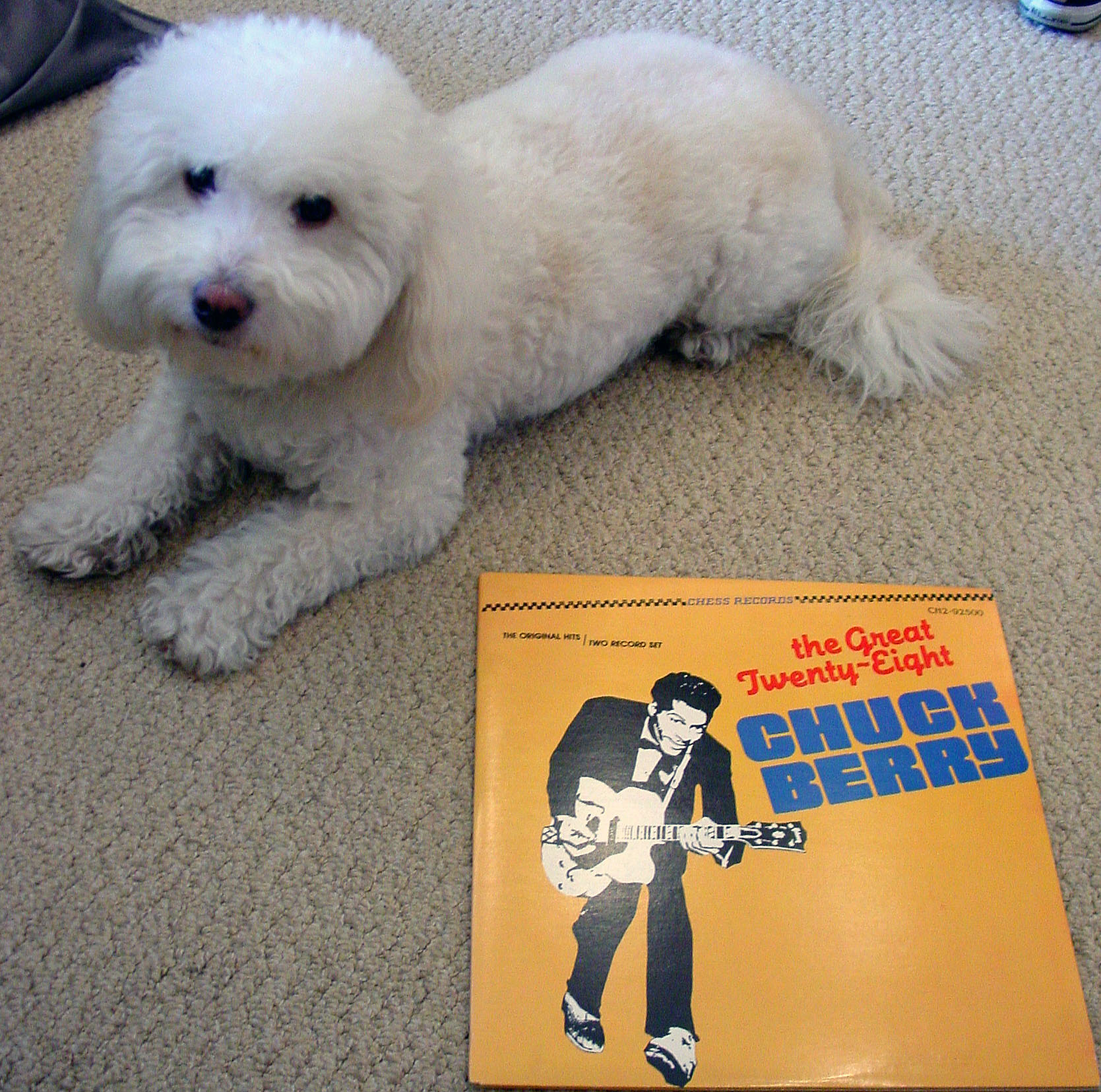
Winston + Chuck 2014-06-30 11.25

A Change Is Gonna Come If You Make It So

A company I worked for – I won’t say which one – has an amazing catalogue of rhythm & blues music, arguably the best r&b catalogue of any record label. Despite possessing this goldmine, most of our catalogue releases were from white rock bands. I asked a member of senior management why we didn’t do more with our black artists, and the answer I got was “We don’t know how to sell that music.”

Is that not a stupid response? If you don’t know how to do that, hire someone who has that expertise, or learn how to do it. Why ignore a large swath of your potential market, especially when you already own the assets?

Years ago I was put in charge of licensing at a record label. I knew the music and I knew the components of licensing deals; however, I wasn’t a very good negotiator. I found the process intimidating. I could have left it at that – “I don’t know how to negotiate.” My company would have made money nonetheless, though not at its full potential. For that matter, I wouldn’t be working at full potential.

I took a course in negotiations. Six weeks, $300. Money well spent. I put what I learned in the class into action. Practice makes perfect, and I became an excellent negotiator. In my four years at that company our licensing revenue increased 400%. My skills also led to my next job as the Vice President of Licensing at another company.

Is a lack of some skill or knowledge holding you back? Fix that. Read a book, attend a seminar, take an on-line course or find a mentor. Saying “I don’t know how” won’t lead to success; learning how will.

Winston + Chuck 2014-06-30 11.25
Today is the last day of Black Music Month. It would be ludicrous to think a 40-song playlist would cover black music in any comprehensive way. Enjoy it for what it is – nearly three hours of fantastic music. Listen to it while you research how to learn a new skill.

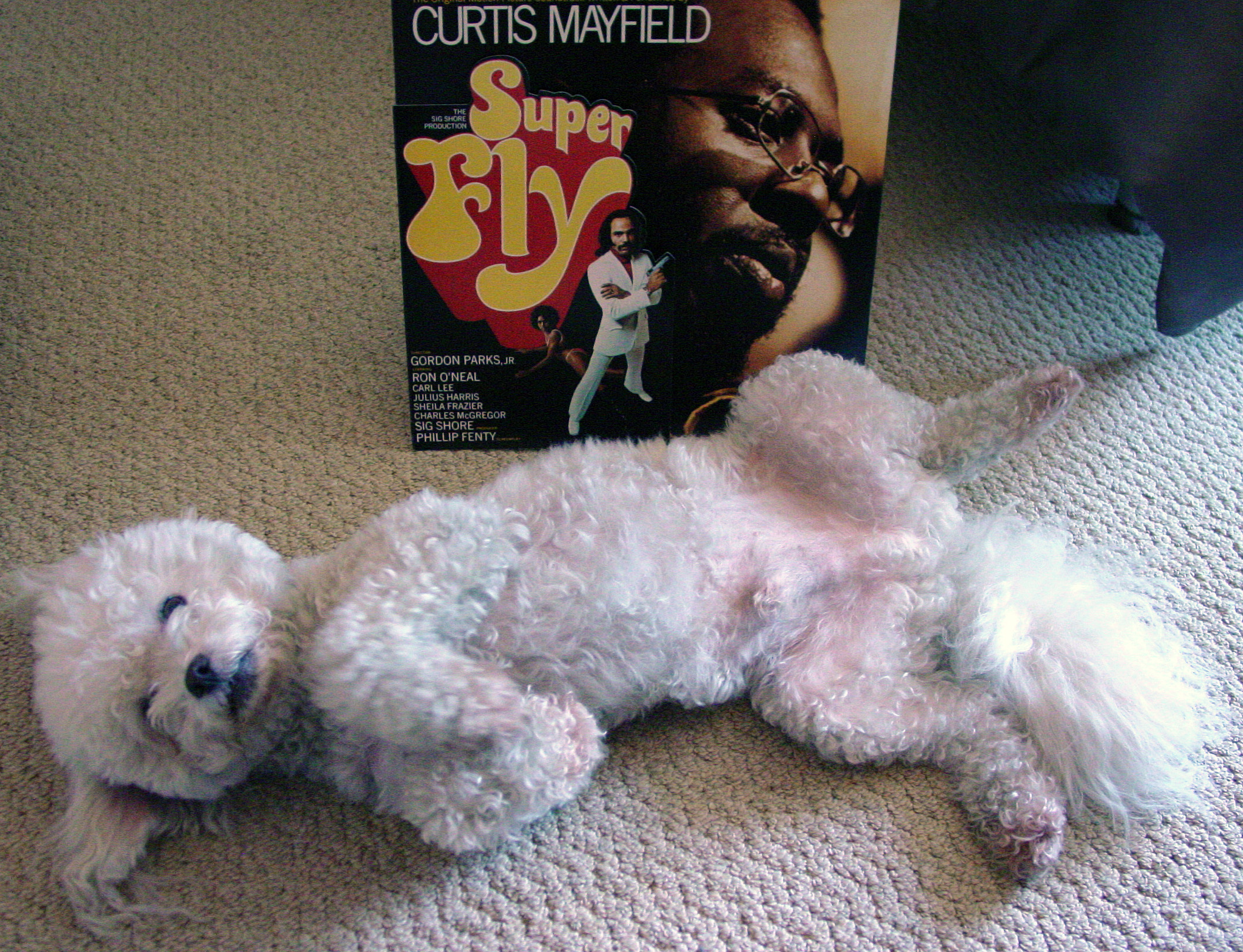
Ringo + Curtis 004

Keeping The Music Of Curtis Mayfield Alive

Ringo + Curtis 004
In my role as the Vice President of Licensing at Warner Music Group I oversaw the licensing of “samples.” A sample is when a newer song uses a portion of an existing recording. A prominent example is Puff Daddy’s sample of The Police’s “Every Breath You Take” in his “I’ll Be Missing You.”

One of the most popular catalogues for sample licensing is that of Curtis Mayfield. Elements of his records have been used by many well-known and respected rap acts, including Kanye West and Beastie Boys. I’d run the requests by Curtis’ son Kirk, who was always a pleasure to work with.

Many complain of hip hop’s dependence on samples, and while often times samples are used in a lazy and uninspired way, there are many examples where the samples complement the new song perfectly. It can also be argued that samples keep the music of great acts of the past alive and introduce this music to younger generations. Where else might a teenager hear Curtis Mayfield or James Brown other than via a new Kanye jam?

Today, the third day of Black Music Month, we celebrate the birthday of the late, great Curtis Mayfield with some of the classics he had a hand in – as a solo artist, as a member of The Impressions, as a writer/producer, or via a sample. Click here for the playlist.

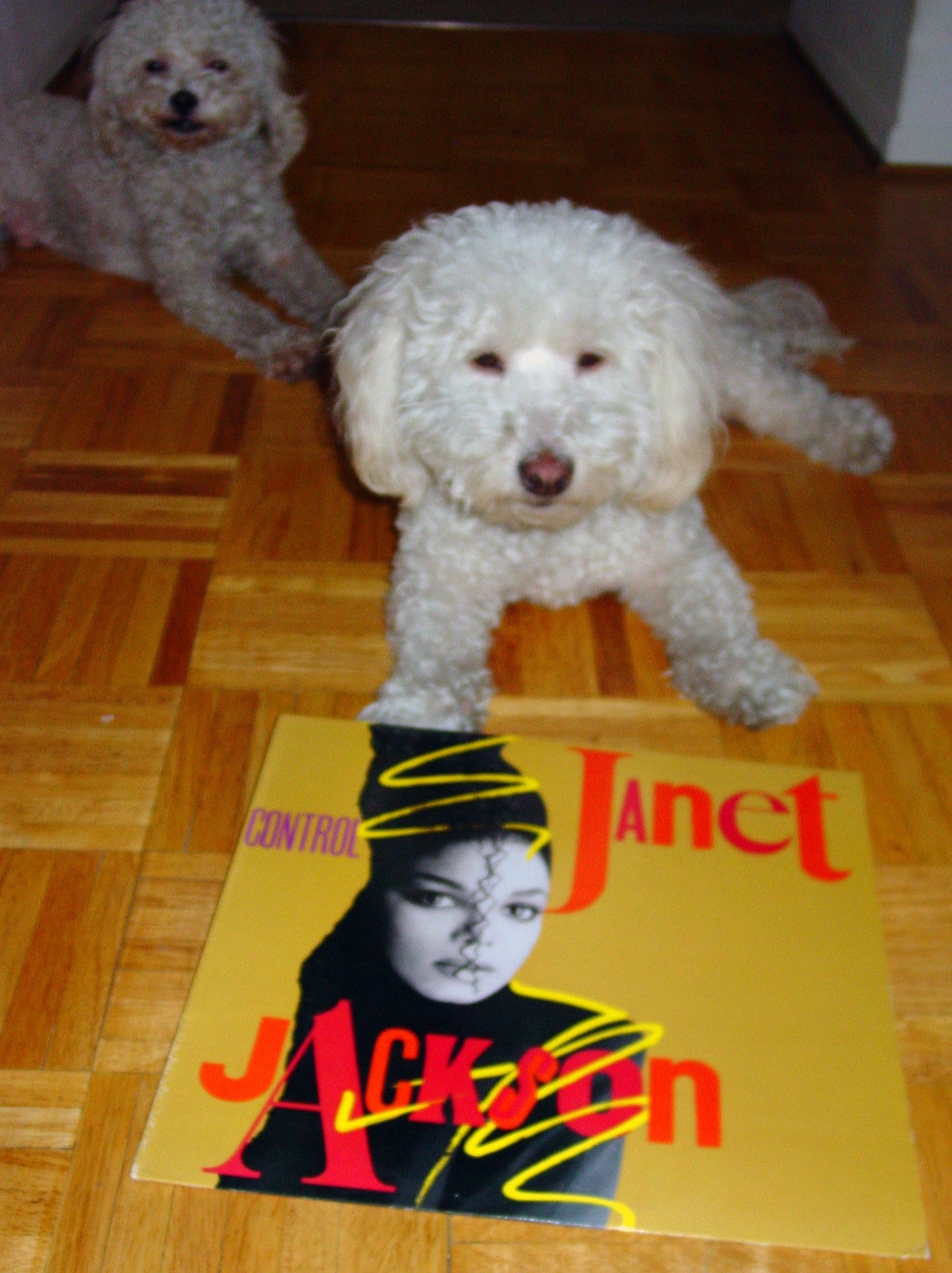
doggies + Janet 004

It’s Janet Jackson’s Birthday And I Need To Dance!

Do you ever feel like you merely exist as opposed to being alive? Does it feel like too much of your time is given to answering to what others want from you, be them your boss or your family, and too little time is given to doing what you want to do the way you want to do it? Do you know that changes are needed but don’t know where to begin?

You need to ask yourself WWJJD? What would Janet Jackson do?

Picture this – Los Angeles. 1982. You’re a 16-year-old girl from a famous family. You release your debut album, cleverly entitled Janet Jackson, with production overseen by your manager/father, Joseph Jackson. It peaks at #63 and goes on to sell fewer than 150,000 units over the next quarter-century. You follow up that album with 1984’s Dream Street. It peaks at #147 and sells fewer than half as many copies as the first album. You didn’t want to do either album but you did them for your father.

You come to a realization – you want to be the one who’s in control of your destiny. You fire your father as your manager. You have your marriage annulled. You work with new producers, Jimmy Jam and Terry Lewis, who collaborate with you on new songs about your newfound independence, from your father, from your ex-husband, and from nasty guys who objectify you and call you Baby when your first name ain’t Baby; it’s Janet.

Your father demands you record your third album in Los Angeles. You record it in Minneapolis. Your father tells a reporter “If Janet listens to me, she’ll be as big as Michael,” referring to Janet’s brother Michael Jackson, not Michael Schoeffling, who portrayed Jake Ryans in the movie Sixteen Candles, and who, with all due respect, isn’t that big. You ignore him. Your father listens to a pre-release copy of the new album and claims it will never sell. You demand it be released.

That album, 1986’s Control, sells over fourteen million copies. It goes to #1 and is nominated for a Grammy Award for Album of the Year.

doggies + Janet 004
Be more like Janet. Take control of your life. Today is Janet Jackson’s 48th birthday. Buy yourself some cake. You deserve it. And enjoy today’s dance playlist, inspired by Miss Jackson.

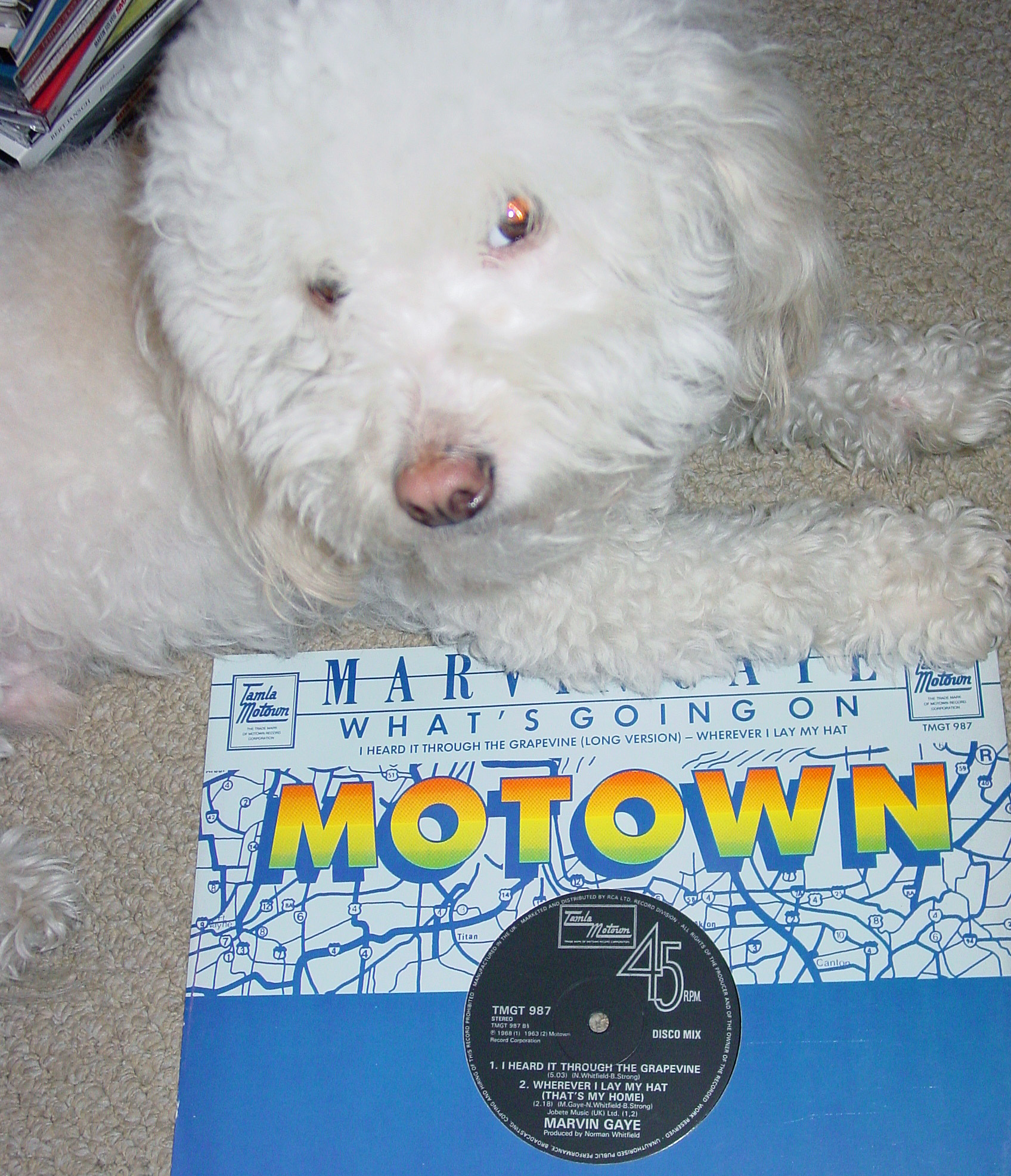
Winston + Marvin 003

“I Heard It Through The Grapevine”

Winston + Marvin 003

By 1966, Barrett Strong, the singer on Motown Records’ first hit single, “Money (That’s What I Want),” had the core of a song based on expression that emanated from the Civil War era. Slaves in the United States passed along information via a “human grapevine.” In Strong’s time he often heard people passing along gossip, saying they “heard it through the grapevine.” With that line as the chorus and a bass line, he brought the song to Norman Whitfield, who added lyrics about someone who hears gossip that their lover is unfaithful and will leave him/her for another lover.

Whitfield produced a version of their new song, “I Heard It Through the Grapevine,” with Smokey Robinsons and the Miracles, but Motown chief Berry Gordy, Jr. rejected it.

In 1967, Whitfield entered the studio with Marvin Gaye. At the time Gaye was married to Berry Gordy’s sister Anna. Gaye heard that Anna was being unfaithful to him. The lyrics surely resonated with him (though in (un)fairness, he was cheating on Anna). To wring more emotion out of Gaye, Whitfield had him perform the song in a higher key than he normally used. This did not sit well with Gaye, who is quoted in his biography as saying “Norman and I came within a fraction of an inch of fighting. He thought I as a prick because I wasn’t about to be intimidated by him. We clashed. He made me sing in keys much higher than I was used to. He had me reaching for notes that caused my throat veins to bulge.”

All may have been for naught, as Berry Gordy rejected the Gaye recording as well.

In June of 1967, Aretha Franklin went to #1 with her version of Otis Redding’s “Respect.” With that record as his model, Whitfield again brought “I Heard It Through the Grapevine” into the studio later that year, this time with Gladys Knight and the Pips. This version was faster than the versions he produced for the Miracles and Gaye, with the intention to “out-funk” Aretha.

Gordy reluctantly approved the Pips version for release. It rose to #2 on the pop chart and went to #1 on the r&b chart, where it remained for six weeks. It became Motown’s biggest-selling single to that point.

The Gaye version ended up on his 1968 album In the Groove. The first single from that album, “Chained,” hit #32 on the pop chart. “Grapevine” got the attention of some radio disc jockeys, who gave it airplay. Said Gordy, “The DJs played it so much off the album that we had to release it as a single.”

Marvin Gaye’s version of “I Heard It Through the Grapevine” was released as a single in fall of 1968. In mid-December it went to #1 on both the pop and r&b chart, and stayed on top of each for seven weeks, becoming Motown’s biggest hit to date. The week this went to #1 on the pop chart, Motown had the top three hits (#2 was “Love Child” by Diana Ross & the Supremes and #3 was “For Once in My Life” by Stevie Wonder.) The company held onto the top three for four consecutive weeks. “I Heard It through the Grapevine” bookended the r&b #1 slot in ’68 – the Pips’ version was #1 on January 1 and Gaye’s was #1 on Dec. 31.

By the time his “Grapevine” was released Marvin Gaye already had 23 top 40 pop hits. This was his first #1.

Gaye’s version made Rolling Stone’s list of the Greatest Songs of All Time and was inducted into the Grammy Hall of Fame.

“I Heard It Through The Grapevine” was the first collaboration between Barrett Strong and Norman Whitfield. The duo went on to compose “Papa Was a Rollin’ Stone” and “Just My Imagination (Running Away with Me)” for The Temptations.

Marvin Gaye died at age 44 on April 1, 1984, shot to death by his father the day before his birthday. The gun used was a Christmas present from Marvin.

Dionne Warwick And The Extra E – A Cautionary Tale

In 1971 an astrologer told Dionne Warwick to append an “e” to her last name. “It will bring you luck,” she was told. At that point in her career Warwick was a multi-Grammy Award winner with more than twenty US top forty pop hits, collaborations with the songwriting team of Burt Bacharach and Hal David, to her name. But who can’t use more luck?

Following the astrologer’s advice, Warwick became Warwicke, and besides a guest co-lead vocal on a Spinners record (the sublime “Then Came You”), Warwicke didn’t have any hits. Warwicke didn’t win any Grammys. The songwriting partnership of Bacharach and David split apart. Warwicke separated from and divorced her husband.

Dionne dropped the “e” and became Warwick again. Warwick returned to the top ten with “I’ll Never Love This Way Again,” which won her the Grammy for Best Pop Vocal Performance, Female, with its follow-up single, “Déjà Vu,” winning her the Grammy for Best R&B Vocal Performance, Female.

The lesson? Stay away from “e.” It’ll ruin your life.

Here is a playlist inspired by Warwick, who turns 73 today.

Happy Berry Gordy Jr.’s Birthday!

Today is the 83rd birthday of Berry Gordy, Jr., the aspiring pugilist turned songwriter turned record executive/entrepreneur. After penning hits for Jackie Wilson and Etta James in the late 1950s, Gordy went on to launch the Motown Record Corporation. The company’s first pop hit was Barrett Strong’s “Money (That’s What I Want),” a song written by Gordy with Janie Bradford, in 1960. From then on the hits kept coming.

Today’s playlist is a small sampling of great Motown releases. If you have a favorite Motown record, let me know what it is in the Comments. Enjoy!